
- Home
- About Us
- Products
- Application
- FAQ
- News
- Contact Us
inquiry
Leave Your Message
Hazardous material transportation involves chemicals, radioactive substances, flammable gases, and biohazards — environments where human error can be catastrophic. AI-powered talking robots are now redefining how these risks are managed.
The global hazardous materials transportation market is undergoing a profound technological transformation. With increasingly stringent safety regulations — including OSHA, ADR, IATA, and IMDG standards — industries worldwide are turning to AI talking robots as a frontline solution to minimize human exposure to dangerous environments.
Unlike traditional automated guided vehicles (AGVs), modern AI talking robots equipped with natural language processing (NLP) engines can communicate status updates, issue verbal warnings, respond to operator commands, and even negotiate dynamic obstacles — all while transporting classified dangerous goods across industrial facilities, chemical plants, nuclear sites, and pharmaceutical warehouses.
According to industry analysts, the global market for hazardous material handling robots is projected to surpass $4.8 billion by 2030, driven by rising demand from the chemical, oil & gas, mining, nuclear energy, and defense sectors. AI talking robots represent the fastest-growing segment within this space, owing to their superior human-machine interaction capabilities.
The deployment of AI talking robots in hazardous material transport is accelerating across multiple high-risk industries globally.
Major chemical conglomerates in Europe, North America, and Asia are deploying AI talking robots for intra-facility transport of corrosive, toxic, and flammable materials. These robots provide real-time hazard announcements, reducing worker exposure incidents by up to 73% in pilot deployments.
Nuclear power plants and research facilities leverage AI talking robots to transport low-to-medium level radioactive waste. Voice-interactive capabilities allow remote operators to issue commands and receive status updates without entering contamination zones.
In pharmaceutical manufacturing, AI talking robots handle cytotoxic drug transport, biohazardous sample delivery, and sterile zone logistics. Their ability to verbally confirm delivery protocols ensures strict GMP compliance and traceability.
Underground mining operations are integrating AI talking robots for the transport of explosive materials and toxic gases. Real-time voice alerts about atmospheric conditions — methane, CO levels — add a critical safety layer in confined environments.
International shipping terminals handling ADR/IMDG classified cargo are adopting AI talking robots to automate dangerous goods movement within port zones, reducing human proximity to hazardous container areas and improving throughput efficiency.
Military logistics operations use AI talking robots for ordnance, ammunition, and hazardous chemical transport within secure facilities. Encrypted voice command protocols ensure operational security while maintaining full autonomous capability.
Emerging technologies are rapidly expanding the capabilities and deployment scope of AI talking robots in hazardous transport scenarios.
Next-generation AI talking robots are being integrated with domain-specific large language models (LLMs) trained on hazmat regulations, MSDS databases, and emergency response protocols. This enables robots to provide contextually accurate verbal guidance during incidents — far beyond simple pre-programmed responses.
With 5G infrastructure expanding into industrial zones, AI talking robots can now process sensor data and voice commands at the edge with sub-10ms latency. This enables real-time multi-robot coordination in large chemical plants or warehouse complexes handling dangerous goods.
Advanced robots combine LiDAR, thermal imaging, gas detection sensors, and computer vision into a unified perception system. Digital twin technology allows operators to monitor robot status, cargo conditions, and environmental hazards in a virtual replica of the facility — with voice-interactive control overlays.
Modern AI talking robots are designed with ISO 10218 and ISO/TS 15066 collaborative safety standards. Voice-based proximity warnings, dynamic speed adjustment, and verbal confirmation handshakes between robots and human operators are becoming standard features in hazmat transport deployments.
A growing trend is the development of ATEX Zone 1 and Zone 2 certified AI talking robots capable of operating in explosive atmospheres. These units feature intrinsically safe electronics, spark-proof materials, and pressure-resistant enclosures — meeting the strictest industrial hazmat standards.
As hazmat facilities operate globally with multinational workforces, AI talking robots are being equipped with multilingual NLP engines supporting 20+ languages. This ensures safety instructions, alerts, and operational commands are accurately communicated regardless of operator nationality.
A detailed look at how AI talking robots are deployed across the most demanding hazardous material transport use cases.
In multi-story industrial buildings, AI talking robots navigate elevator systems, fire doors, and restricted access zones autonomously. Upon arrival at a destination, the robot verbally announces its presence, requests access confirmation from authorized personnel via voice authentication, and provides a verbal manifest of the transported materials including hazard class, UN number, and handling precautions. In emergency scenarios such as fire detection or gas leaks, the robot autonomously reroutes and verbally broadcasts evacuation guidance to nearby personnel — functioning as a mobile safety officer.
Hospitals handling infectious biological samples (BSL-3/4) and forensic labs managing toxic evidence rely on AI talking robots to eliminate cross-contamination risks. The robot's voice interface allows medical staff to verbally request sample transport, receive status updates, and confirm chain-of-custody handoffs — all without physical contact. Integrated UV sterilization cycles are verbally confirmed upon each transport completion, ensuring full biosafety protocol compliance. These robots dramatically reduce needle-stick injuries and pathogen exposure incidents in clinical settings.
During hazardous material spill incidents, AI talking robots serve as first responders — transporting containment equipment, neutralizing agents, and PPE to the incident zone while verbally coordinating with emergency response teams. Equipped with chemical detection arrays, these robots provide real-time verbal air quality reports, identify the spilled substance using spectroscopic sensors, and recommend appropriate containment procedures based on their integrated hazmat database. This capability is transforming emergency response times from minutes to seconds in high-risk industrial environments.
Explore our leading intelligent robot platforms engineered for demanding industrial and hazmat environments.
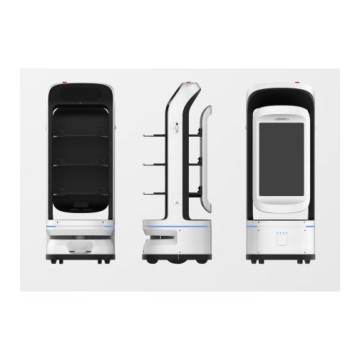
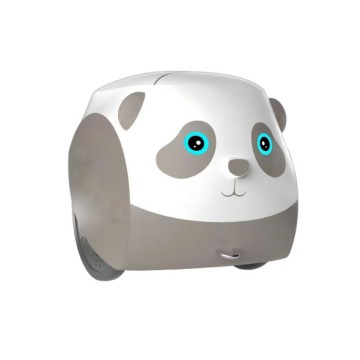
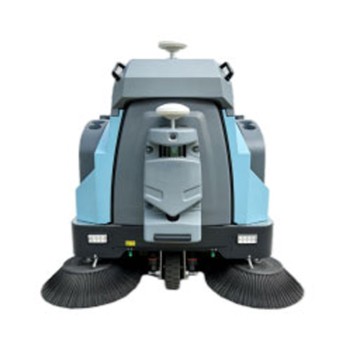
Our most trusted intelligent robot products, proven across commercial, industrial, and hazardous material handling environments worldwide.
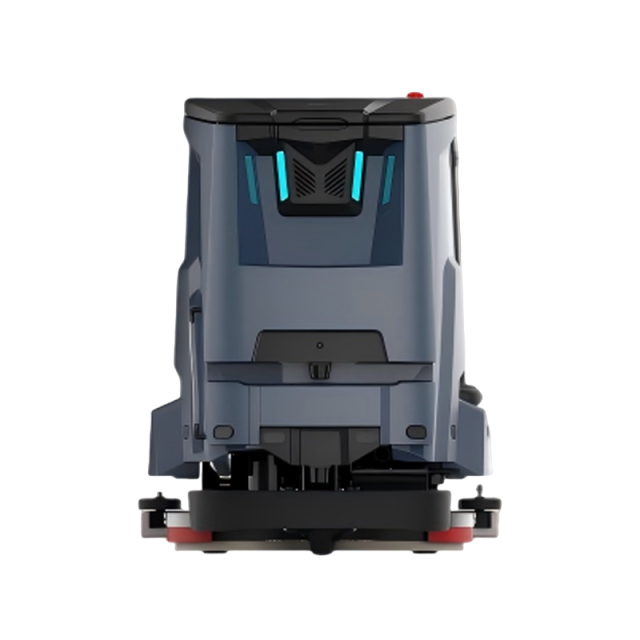
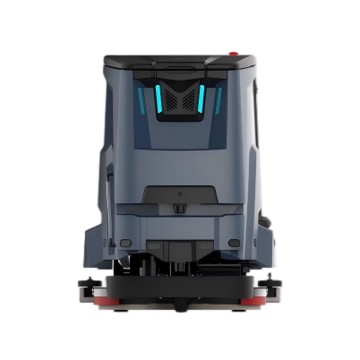
Cleaning Robot is an intelligent robot suitable for indoor scenarios with large-area hard floor environments, including industrial and hazardous zones.
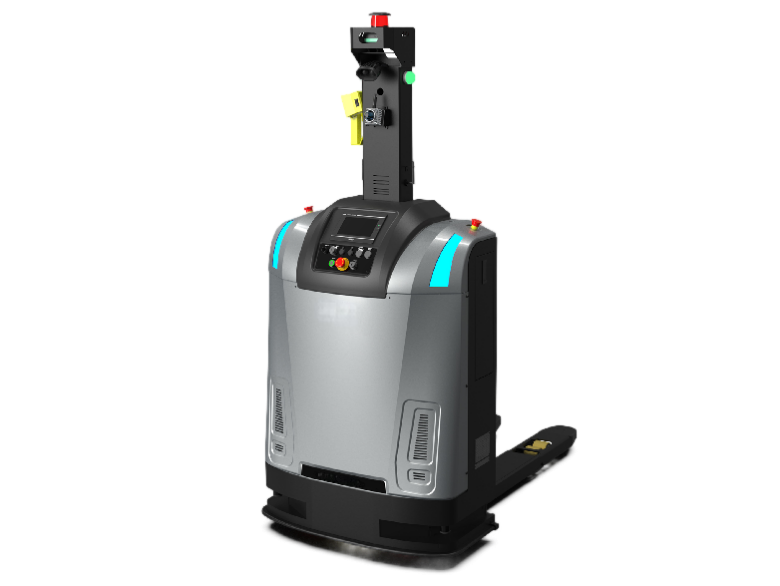
This intelligent handling forklift is a next-generation autonomous material handling solution designed for heavy industrial and hazardous goods logistics.
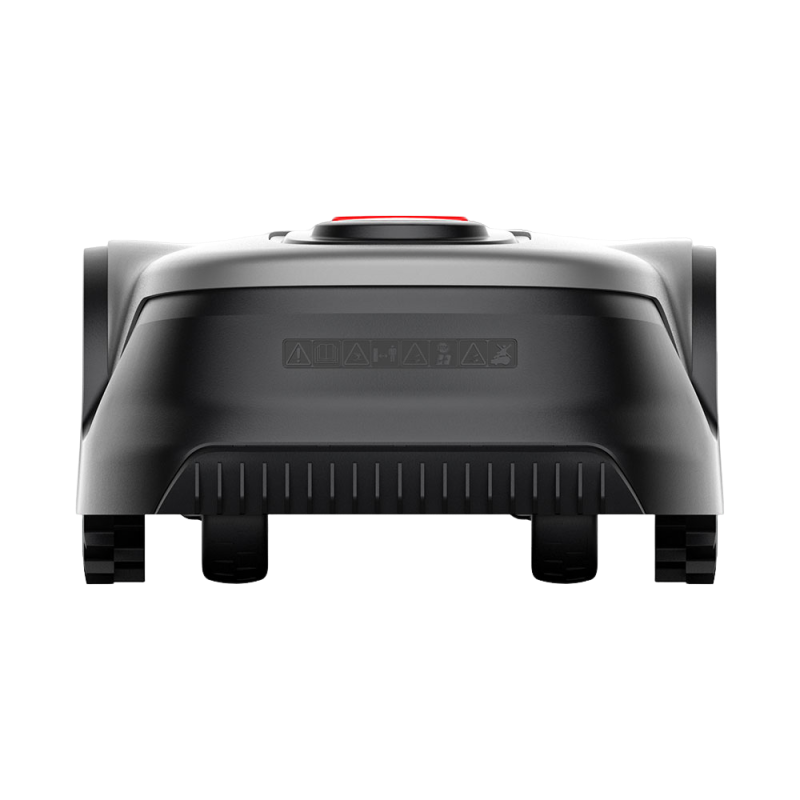
This intelligent robotic lawn mower is designed for efficient, autonomous lawn maintenance with advanced AI navigation and obstacle avoidance.

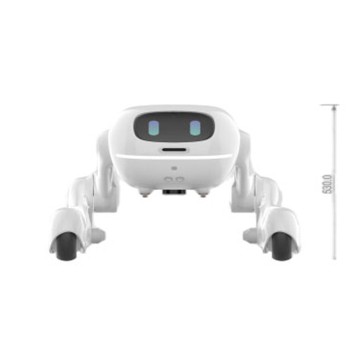
This robot adheres to the core design philosophy of Growth Companion & Enlightenment, specially developed for children aged 3 to 8.
The company is deeply engaged in the robot field, with product lines covering multiple application scenarios including commercial, industrial and household use.
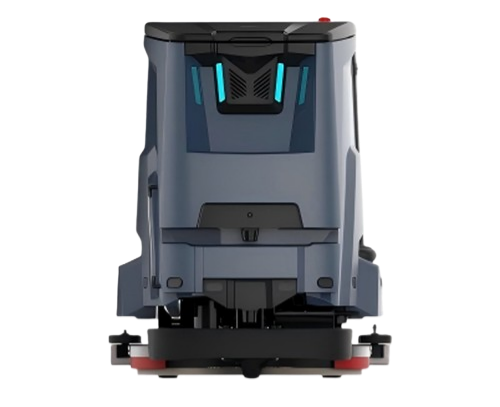
Cleaning Robot is an intelligent robot suitable for indoor scenarios with large-area hard floors. Designed for industrial environments including hazardous material handling areas, this robot delivers consistent, unmanned cleaning performance with advanced AI navigation, environmental sensing, and real-time status reporting — ensuring clean, safe conditions in critical industrial zones.
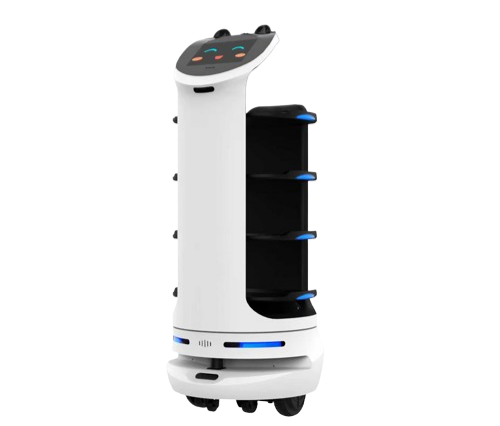
The drive wheels are equipped with an independent suspension structure, which greatly enhances the robot's stability during movement. This multi-form platform is adaptable for hazardous material transport scenarios, offering voice-interactive communication, autonomous route planning, and payload customization for diverse commercial and industrial applications.
This robot adheres to the core design philosophy of Growth Companion & Enlightenment, specially developed for children aged 3 to 8. Featuring advanced AI voice interaction, emotional intelligence, and educational content delivery, it represents the future of human-robot companionship and serves as a gateway technology for broader AI talking robot applications.
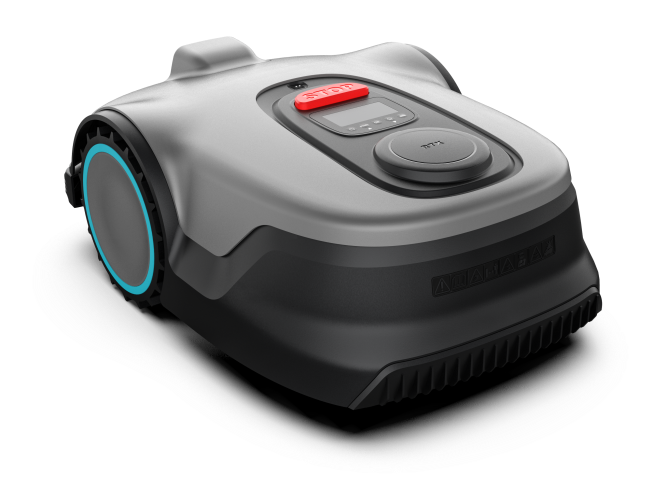
This intelligent robotic lawn mower is designed for efficient, autonomous lawn maintenance. Leveraging the same AI navigation and sensor fusion technology found in our industrial hazmat robots, this platform demonstrates the versatility of our core AI robotic architecture across diverse outdoor environments.
Located at Yineng Science and Technology Park, No. 69 Weixin Road, Suzhou City, Jiangsu Province, it is a comprehensive high-tech enterprise integrating R&D, production and foreign trade export of intelligent robots. Deeply engaged in the field of intelligent robots, it focuses on providing efficient, intelligent and reliable robot products and one-stop solutions for global customers. Its products are exported to many core markets such as Europe, America, Southeast Asia and the Middle East. With excellent product quality and perfect full-process services, it has won wide recognition and long-term trust from global partners.
LEARN MORE
Our production base is equipped with high-precision CNC machining centers, AI algorithm debugging workstations, and environmental simulation test chambers, dedicated to the manufacturing of smart robots (including cleaning, mowing, and delivery models). The automated assembly lines ensure consistent product quality, while the R&D testing equipment verifies navigation accuracy, battery life, and environmental adaptability for each robot model.

Our facility has obtained ISO 9001 quality management system certification, CE, and FCC certifications for global market compliance. We also hold intellectual property patents for core technologies of smart robots, and our production processes strictly adhere to IEC standards, ensuring that every robot meets international safety and performance requirements.

We provide a full-cycle service system for smart robots, including pre-sales customization, on-site installation, and after-sales technical support. Our team offers remote debugging, firmware upgrades, and 24/7 emergency response to ensure stable operation. For bulk orders, we also provide tailored training programs for your technical and operational teams.
AGV: Unmanned and automated material transfer, covering multiple fields such as industrial production, warehousing logistics, and commercial services — including hazardous material transport environments.
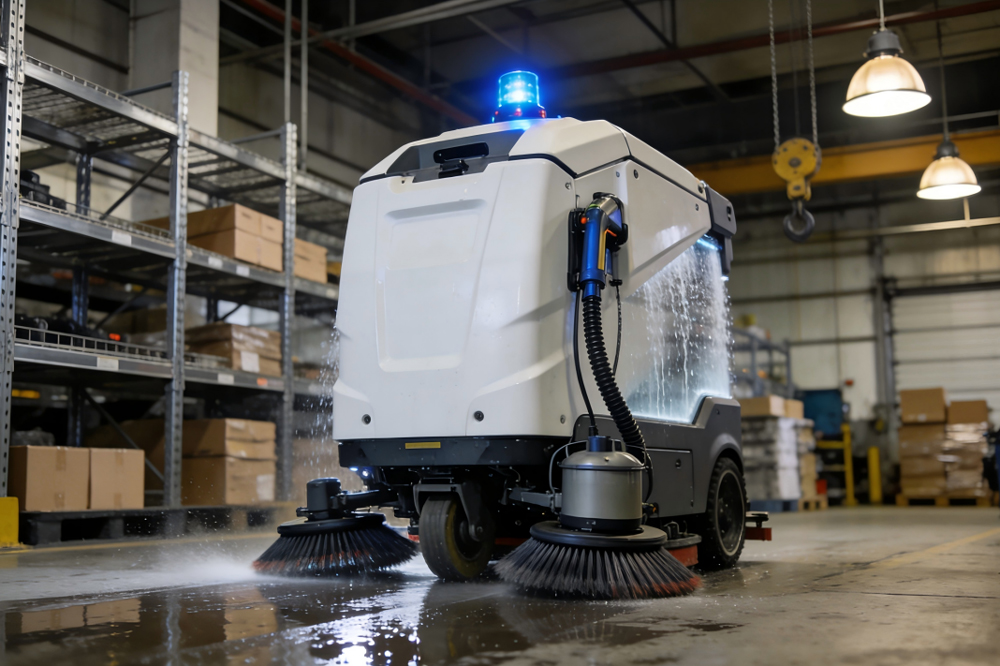
In the field of industrial manufacturing, intelligent robots are the core equipment for production automation. AGVs and collaborative robots boost the efficient operation of production and logistics. Large intelligent cleaning robots can independently finish cleaning work across the whole factory including workshops and warehouse areas, featuring unmanned operation and high adaptability to industrial scenarios. They cut costs, enhance efficiency, ensure the production environment, and fully drive the intelligent upgrading of factories. AI talking robots add a critical voice-interactive safety layer for hazardous material zones.
Learn More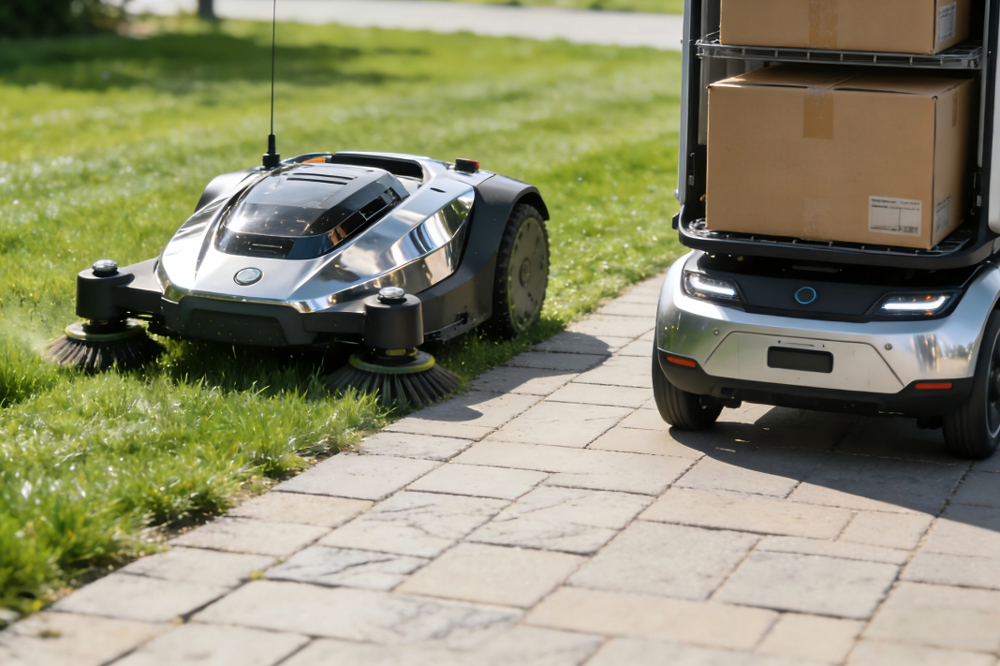
In commercial and service environments, AI talking robots enhance customer experience, streamline operations, and provide intelligent assistance across hotels, hospitals, shopping malls, and office buildings. Their voice-interactive capabilities allow seamless human-robot communication, while autonomous navigation ensures efficient service delivery without human intervention.
Learn More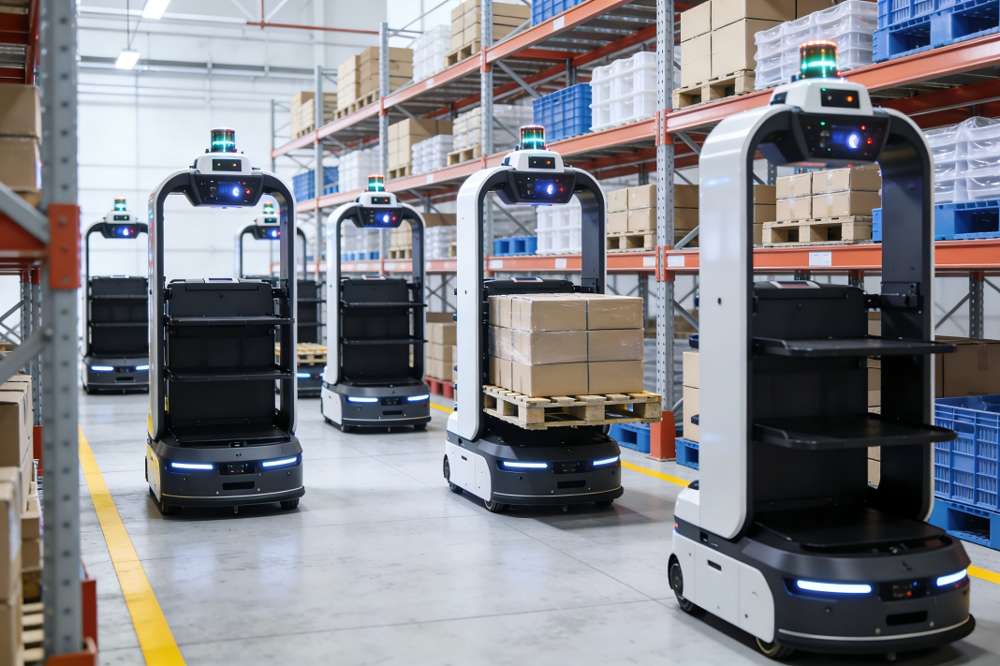
In logistics and warehousing, AI talking robots automate material handling, inventory management, and last-mile delivery within distribution centers. For hazardous goods warehouses, voice-interactive robots provide real-time verbal manifests, hazard alerts, and compliance confirmations — ensuring dangerous materials are handled according to ADR, IATA, and IMDG regulations at every step.
Learn MoreDiscover our complete lineup of intelligent robots designed for industrial, commercial, and specialized hazardous material handling applications.

For inquiries about our AI talking robots for hazardous material transportation or pricelist, please leave us a message and we will be in touch within 24 hours.
As labor costs rise and efficiency demands increase, commercial cleaning robots are shifting from simple automation to full AI-driven intelligent systems...
April 28, 2026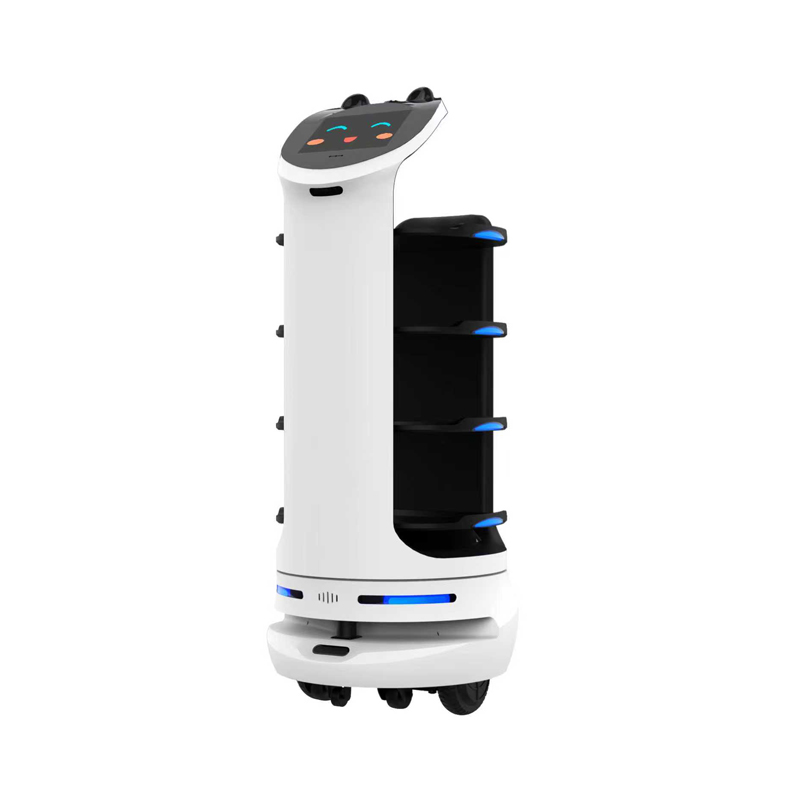
As the global hospitality industry continues its digital transformation, guest service delivery robots are becoming a key competitive differentiator...
April 27, 2026
The body of a robotic vacuum cleaner is a wireless device, mainly disc-shaped. It operates on a rechargeable battery and uses AI navigation for autonomous cleaning...
February 2026