- Home
- About Us
- Products
- Application
- FAQ
- News
- Contact Us
inquiry
Leave Your Message
Explore our flagship autonomous systems customized for high-accuracy operations and automated facility maintenance in electronics manufacturing environments.
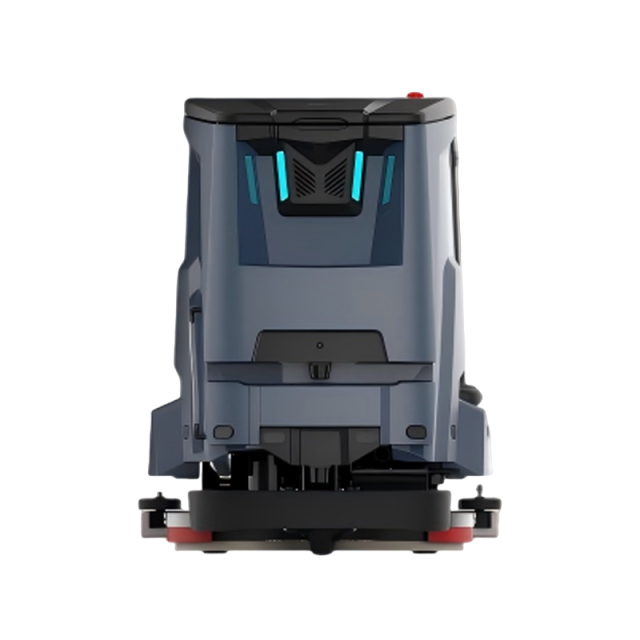
Intelligent cleaning robot engineered specifically for ESD-sensitive indoor environments with large hard floors and strict particulate control.
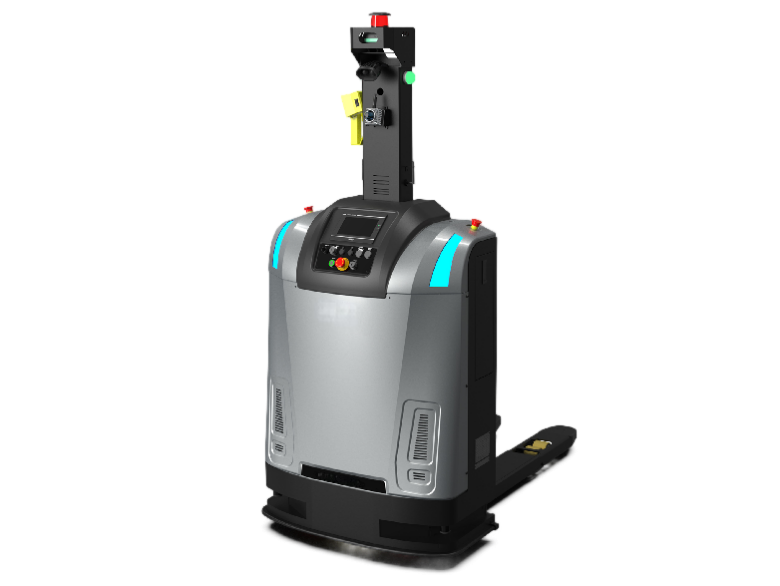
Next-generation autonomous handling solution designed for safe, damage-free transport of sensitive wafer cassettes and PCB racks.
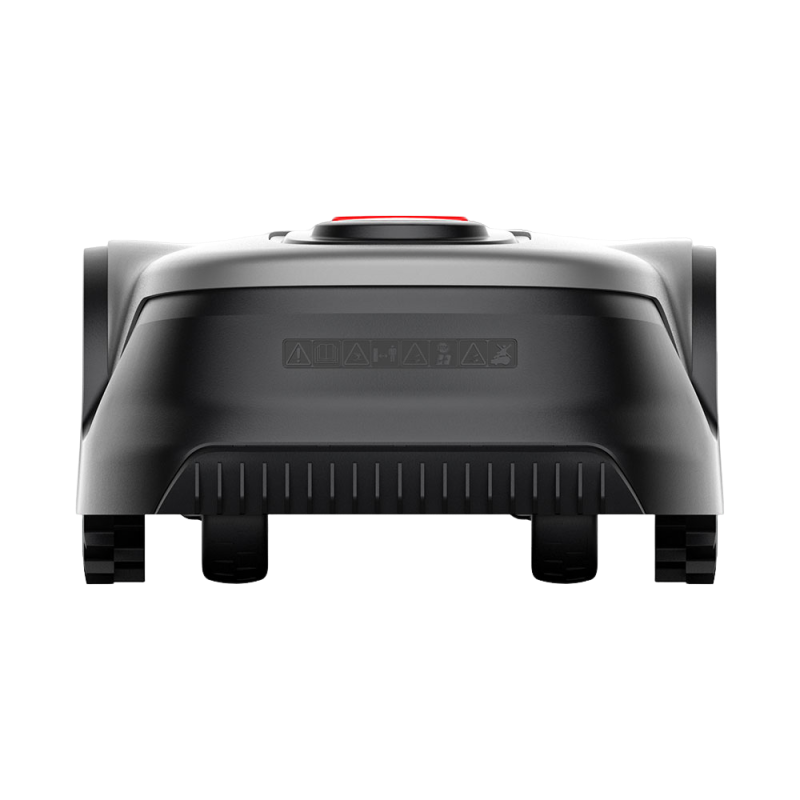
High-efficiency, autonomous outdoor maintenance system ensuring clean, debris-free parameters around precision manufacturing facilities.

A smart conversational interface designed to guide cleanroom operators through multi-step micro-assembly and calibration sequences.
In the rapidly evolving landscape of smart manufacturing, the integration of Artificial Intelligence (AI) has moved far beyond basic machine vision and robotic arms. Today, the vanguard of industrial automation is defined by the emergence of the AI Talking Robot for Precision Electronics Manufacturing. As microprocessors, semiconductor chips, printed circuit boards (PCBs), and consumer electronic devices scale down in size while ramping up in complexity, the margin for human error shrinks to near zero. In these ultra-high-precision environments, traditional human-machine interfaces (HMIs)—such as physical touchscreens, hand-held tablets, and keyboards—introduce significant contamination risks, slow down operational cycles, and increase cognitive fatigue for technicians. AI-powered conversational robots represent a revolutionary leap forward, bridging the gap between complex industrial data and hands-free, natural language execution.
An AI talking robot is not merely a voice assistant; it is a highly integrated cognitive agent linked directly to the factory's Manufacturing Execution System (MES), Enterprise Resource Planning (ERP) platform, and localized sensor arrays. By incorporating advanced Natural Language Processing (NLP), Large Language Models (LLMs) tuned for industrial nomenclature, and Active Noise Cancellation (ANC) arrays, these robots operate as intelligent co-pilots for cleanroom technicians, quality control inspectors, and logistics coordinators. They enable real-time query resolution, hands-free machine programming, voice-guided quality logging, and immediate safety alerts, driving unprecedented gains in yield, efficiency, and operational safety.
In Class 100 (ISO 5) and Class 10 (ISO 4) cleanrooms, physical touch is the primary source of particulate contamination. By replacing physical screens and clipboards with voice-activated AI Talking Robots, electronics manufacturers can reduce contamination vectors by up to 40%, directly translating to higher silicon wafer yields and more reliable micro-assembly processes.
Currently, the market for AI in hardware manufacturing is experiencing an exponential surge. The global precision electronics manufacturing sector is facing a dual challenge: a widening skilled labor shortage and an unprecedented demand for faster throughput. Major semiconductor fabs and electronics manufacturing service (EMS) providers are investing heavily in conversational AI interfaces to streamline training and optimize workflow execution. Historically, training a technician to operate a complex Surface Mount Technology (SMT) reflow oven or a wire-bonding machine required weeks of supervised instruction. Today, an AI talking robot deployed at the workstation can guide a novice technician through setup, calibration, and troubleshooting via interactive, context-aware dialogue.
From a commercial perspective, the ROI of AI talking robots is realized through several key metrics:
As we look toward the next decade of industrial automation, several key trends are shaping the evolution of AI talking robots in precision electronics manufacturing:
Future iterations of talking robots will not rely on voice alone. They will integrate computer vision to observe what the technician is doing in real-time. For instance, if an operator is assembling a complex multi-layered PCB, the robot can watch the assembly sequence through high-resolution cameras and verbally intervene if a component is placed incorrectly. This fusion of sight and speech creates a highly intuitive feedback loop, minimizing defects before the board moves to the soldering phase.
While general-purpose LLMs excel at creative writing and general knowledge, industrial applications require extreme precision and zero hallucination. The trend is moving toward localized, domain-specific language models trained on technical manuals, electrical engineering standards, and proprietary factory logs. These models run on edge servers within the factory walls, ensuring low-latency responses (under 100 milliseconds) and absolute data privacy.
Industrial environments are inherently noisy, filled with the hum of vacuum pumps, ultrasonic cleaners, and automated conveyors. Advanced microphone arrays combined with AI-driven beamforming and noise-suppression algorithms allow modern talking robots to isolate a single operator's voice even in high-decibel environments. Future systems will automatically adjust their own speaking volume and tone based on ambient factory noise levels to ensure clear communication.
During the calibration of high-frequency RF modules or optical transceivers, technicians must handle microscopic components under microscopes using specialized tools. Taking their hands off the tools to check a manual or log a calibration value disrupts focus and introduces micro-vibrations that can ruin the component. An AI talking robot acts as a verbal guide. The technician says, "Robot, initiate calibration sequence for RF module B-12." The robot verbally reads out the target impedance values and asks the technician to confirm the readings. The technician replies, "Value confirmed at 50.2 Ohms," and the robot logs it directly to the system. The technician's eyes never leave the microscope, and their hands never leave the tools.
In high-density interconnect (HDI) PCB inspection, automated optical inspection (AOI) machines flag potential defects, which are then verified by human inspectors. When an inspector identifies a hairline crack or a cold solder joint, they can verbally report the defect to the AI robot: "Flagging minor bridge on component U14, pin 3." The robot instantly captures the voice log, tags the coordinate data from the AOI machine, generates a rework ticket, and routes the board to the repair station. This seamless verbal logging eliminates the time spent typing on keyboards and ensures 100% traceability of defects.
Precision electronics manufacturing relies on highly sensitive equipment like pick-and-place machines, which place tens of thousands of components per hour. When a nozzle wear error or a mechanical misalignment occurs, the machine communicates with the AI talking robot. The robot immediately alerts the nearby maintenance technician verbally: "Alert: Pick-and-place line 3 nozzle vacuum pressure dropping. Suggest replacing nozzle 4 within the next 200 cycles to prevent component misalignment." The technician can verbally ask the robot, "Is the replacement nozzle in stock?" to which the robot queries the inventory database and responds, "Yes, 12 units of nozzle type A-4 are available in bin 4B." This transforms reactive maintenance into proactive, conversational troubleshooting.
A leading semiconductor packaging facility integrated voice-guided AI talking robots at their die-attach and wire-bonding stations. By allowing operators to query machine parameters and log microscopic defects verbally, the facility saw a 12% reduction in cycle times and a 1.8% increase in overall package yield, saving millions of dollars annually in scrapped materials.
Implementing conversational AI in an industrial electronics setting is not without hurdles. The first challenge is the acoustic environment. Precision manufacturing plants utilize complex HVAC systems to maintain cleanroom air quality, creating a constant high-frequency background noise. To combat this, AI talking robots utilize multi-channel acoustic echo cancellation and directional voice-capture arrays. The second challenge is technical jargon. The robot must understand highly specific terminology, abbreviations, and code numbers (e.g., "SMT," "BGA," "ESD," "0201 packages"). This is addressed by training the AI's speech-to-text engine using custom industrial acoustic and language models. Finally, data security is paramount. Since these robots handle proprietary manufacturing data and yield metrics, they are deployed on secure local networks (On-Premise) or private clouds with end-to-end encryption, ensuring that sensitive IP never leaves the facility.
The integration of the AI Talking Robot for Precision Electronics Manufacturing represents a core pillar of the Industry 4.0 revolution. By turning complex data streams into natural, fluid conversations, these robots empower human workers to achieve unprecedented levels of precision, speed, and safety. As technology continues to advance, the boundary between human intent and machine execution will continue to blur, paving the way for a more productive, efficient, and error-free manufacturing ecosystem. Embracing conversational AI is no longer just an option for forward-thinking manufacturers; it is a critical competitive necessity in the high-stakes world of precision electronics.
Located at Yineng Science and Technology Park, No. 69 Weixin Road, Suzhou City, Jiangsu Province, we are a comprehensive high-tech enterprise integrating R&D, production, and foreign trade export of intelligent robots. Deeply engaged in the field of intelligent robots, we focus on providing efficient, intelligent, and reliable robot products and one-stop solutions for global customers.
Our products are exported to many core markets such as Europe, America, Southeast Asia, and the Middle East. With excellent product quality and perfect full-process services, we have won wide recognition and long-term trust from global partners.
Learn MoreDelivering end-to-end support, from high-precision CNC manufacturing to global compliance certifications and 24/7 technical assistance.

Our production base is equipped with high-precision CNC machining centers, AI algorithm debugging workstations, and environmental simulation test chambers, dedicated to the manufacturing of smart robots (including cleaning, mowing, and delivery models). The automated assembly lines ensure consistent product quality, while the R&D testing equipment verifies navigation accuracy, battery life, and environmental adaptability for each robot model.

Our facility has obtained ISO 9001 quality management system certification, CE, and FCC certifications for global market compliance. We also hold intellectual property patents for core technologies of smart robots, and our production processes strictly adhere to IEC standards, ensuring that every robot meets international safety and performance requirements.

We provide a full-cycle service system for smart robots, including pre-sales customization, on-site installation, and after-sales technical support. Our team offers remote debugging, firmware upgrades, and 24/7 emergency response to ensure stable operation. For bulk orders, we also provide tailored training programs for your technical and operational teams.
AGV: Unmanned and automated material transfer, covering multiple fields such as industrial production, warehousing logistics, and commercial services.
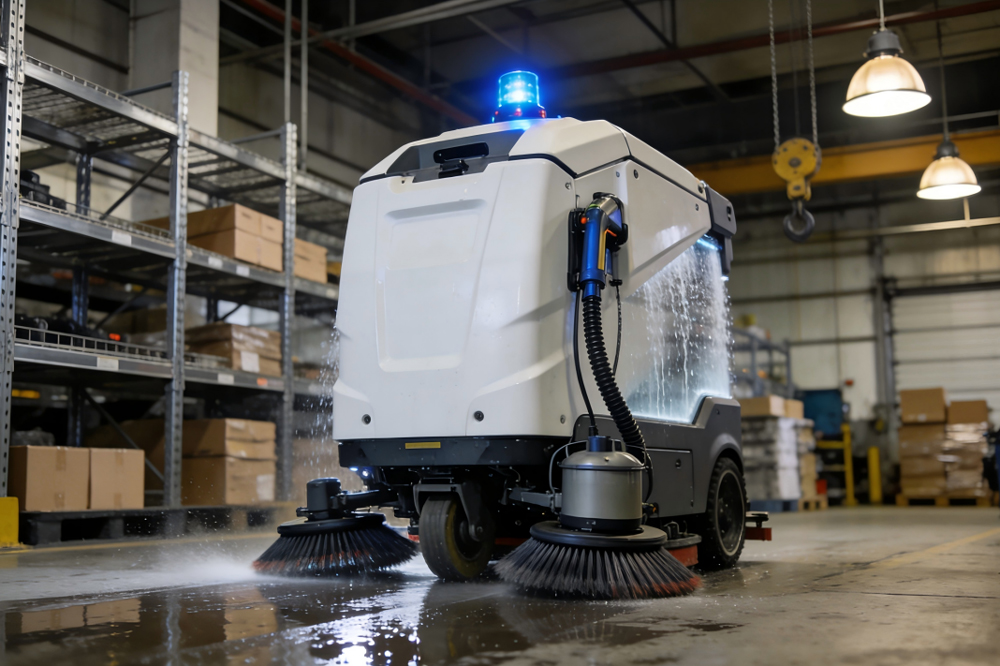
In the field of industrial manufacturing, intelligent robots are the core equipment for production automation. AGVs and collaborative robots boost the efficient operation of production and logistics. Large intelligent cleaning robots can independently finish cleaning work across the whole factory including workshops and warehouse areas, featuring unmanned operation and high adaptability to industrial scenarios. They cut costs, enhance efficiency, ensure the production environment, and fully drive the intelligent upgrading of factories.
Learn MoreStay informed with the latest trends and technological innovations in the field of intelligent commercial and industrial robotics.
As labor costs rise and efficiency demands increase, commercial cleaning robots are shifting from basic automation to AI-driven floor management...
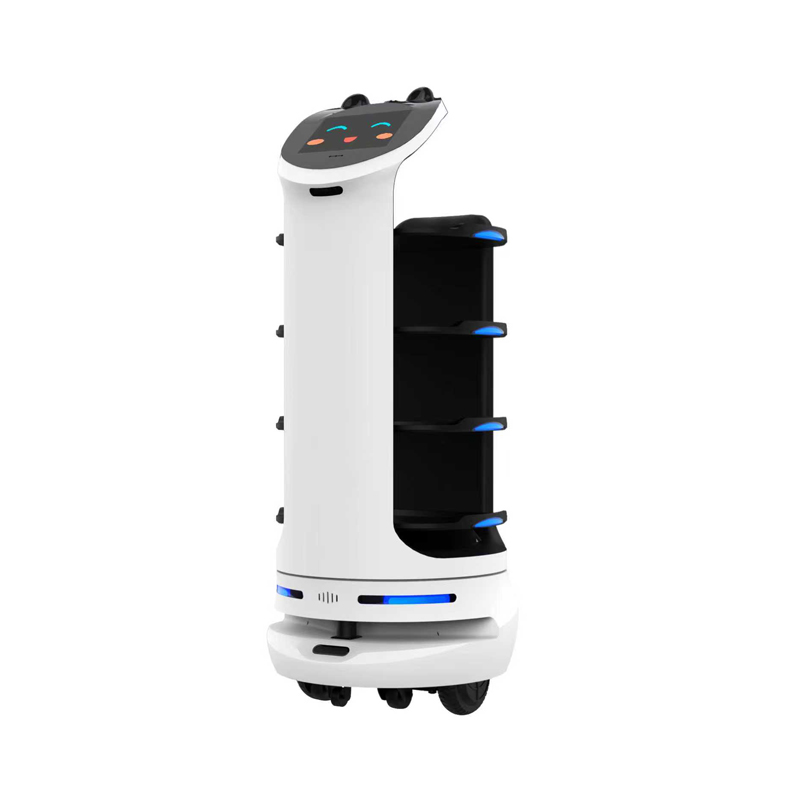
As the global hospitality industry continues its digital transformation, guest service delivery robots streamline room service and guest satisfaction...

The body of a robotic vacuum cleaner is a wireless device, mainly disc-shaped. It operates on a smart programming matrix for complex pathways...
For inquiries about our products or pricelist please leave to us and we will be in touch with in 24 hours.
Discover our complete line of intelligent companion and service robots tailored for smart homes, retail, and precision industrial facilities.