- Home
- About Us
- Products
- Application
- FAQ
- News
- Contact Us
inquiry
Leave Your Message
Industry-leading autonomous guided vehicles designed for safe, efficient transport of hazardous materials
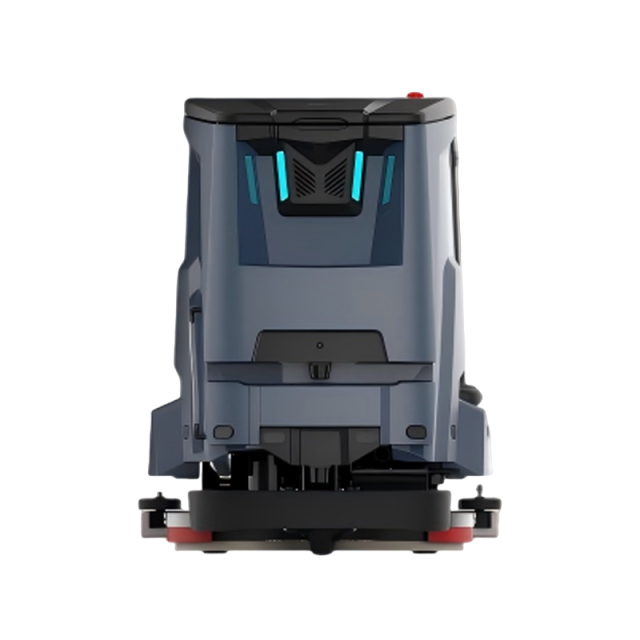
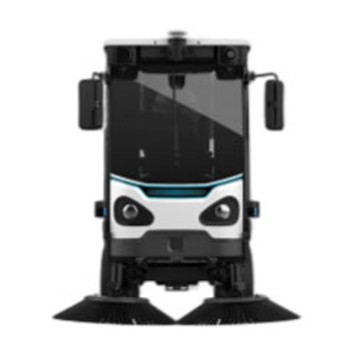
Intelligent AGV designed for cleaning operations in hazardous zones with large-area hard floors.
View More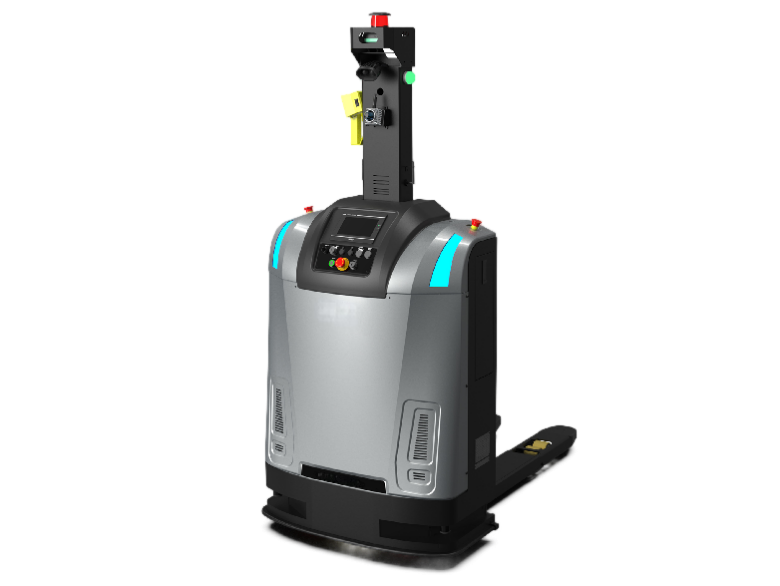
Next-generation autonomous forklift engineered for hazardous material handling in industrial facilities.
View More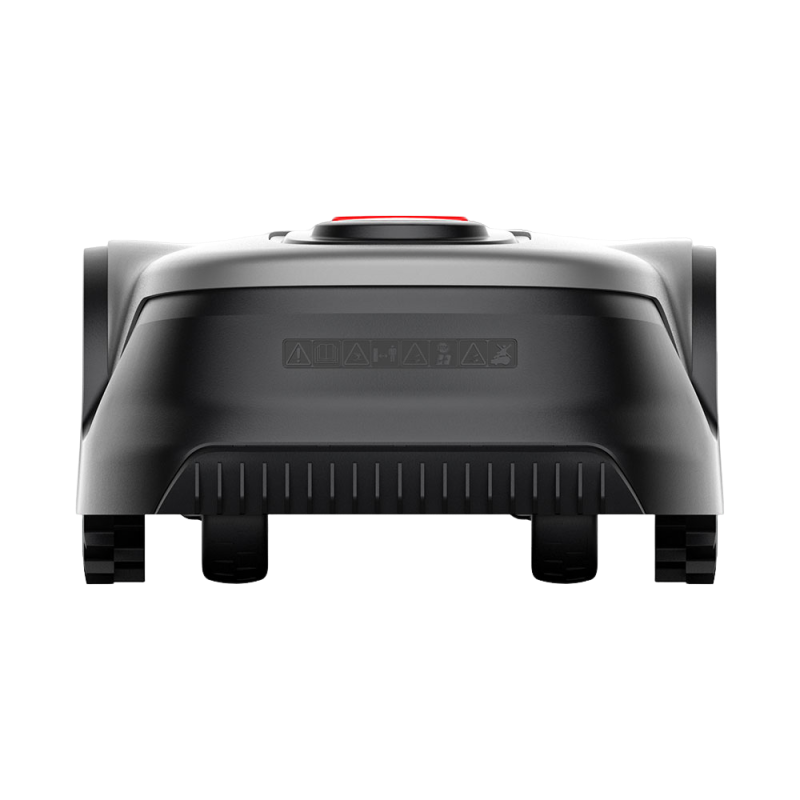
Autonomous robot optimized for unmanned maintenance tasks in chemically sensitive outdoor environments.
View More
Intelligent companion AGV for continuous environmental monitoring and alert in hazardous material zones.
View MoreDeep-dive: technology, safety, industry trends and real-world applications
An Auto Guided Vehicle (AGV) for hazardous material transportation is a specialized autonomous mobile robot system engineered to safely handle, transport, and manage dangerous goods—including toxic chemicals, flammable substances, radioactive materials, and biological hazards—within industrial, commercial, and governmental facilities. Unlike conventional material handling equipment, these AGVs integrate explosion-proof hardware, advanced AI navigation, real-time hazard detection, and regulatory-compliant containment mechanisms to eliminate human exposure to life-threatening environments.
As global industries accelerate automation, AGVs deployed for hazmat transport represent one of the fastest-growing intersections of robotics, safety technology, and industrial logistics. Their adoption is driven by tightening occupational safety regulations, escalating labor costs, and the proven reduction in workplace accidents across sectors such as chemical manufacturing, nuclear energy, oil and gas, pharmaceutical production, and waste management.
The global AGV market was valued at over USD 3.1 billion in 2023 and is projected to exceed USD 9.8 billion by 2032, with hazardous material handling segments representing a disproportionate share of growth. Several powerful commercial and regulatory forces are reshaping this market:
Facilities handling corrosive acids, reactive gases, or controlled pharmaceutical substances are rapidly deploying hazmat AGVs to automate intra-facility logistics, reduce spill risks, and maintain GMP compliance.
In nuclear power plants and research facilities, AGVs rated for radiation-heavy environments are replacing human operators in fuel rod transport, waste drum movement, and decontamination zone logistics.
AGVs equipped with ATEX/IECEx explosion-proof certifications are essential in refineries, LNG terminals, and offshore platforms where flammable vapors and pressurized chemicals demand zero-spark material handling.
Industrial waste facilities utilize AGVs to sort, transport, and containerize hazardous waste streams—including electronic waste with heavy metals and medical waste requiring thermal treatment—without human contact.
BSL-3 and BSL-4 laboratories depend on autonomous guided vehicles for pathogen sample transport, reagent delivery, and sterilization workflows, dramatically reducing biosafety incident rates.
Ports handling UN-classified dangerous goods containers use hazmat AGVs integrated with yard management systems to ensure compliant, trackable, and damage-free cargo positioning 24/7.
Modern AGVs for hazardous material transportation are not simple automated carts. They are sophisticated robotic platforms integrating multiple cutting-edge technologies:
The transition from traditional wire-guided or magnetic-tape AGVs to fully autonomous mobile robots (AMRs) using SLAM (Simultaneous Localization and Mapping) is enabling deployment in previously inaccessible hazardous environments without costly infrastructure changes.
Leading manufacturers are embedding digital twin technology to virtually simulate AGV operations in hazardous plant layouts, optimizing route planning, predicting maintenance needs, and pre-validating safety protocols before physical deployment—reducing commissioning time by up to 60%.
To eliminate thermal runaway risks in explosive environments, next-generation hazmat AGVs are transitioning to solid-state lithium batteries and hydrogen fuel cell powertrains, offering higher energy density, zero combustion risk, and faster refueling times.
Ultra-low-latency 5G connectivity combined with edge computing nodes deployed within hazardous zones enables real-time multi-AGV coordination, sub-10ms emergency response, and seamless integration with plant-wide IoT sensor networks for dynamic hazard mapping.
The fusion of mobile AGV platforms with collaborative robotic arms (cobots) creates mobile manipulation systems capable of picking, placing, and securing hazardous containers with sub-millimeter precision—performing complex docking, valve operations, and container coupling without human hands.
With the EU's Machinery Regulation, US OSHA standards, and China's GB standards converging around autonomous hazmat handling requirements, manufacturers are designing single-platform AGV systems meeting multi-jurisdictional compliance—unlocking global commercial deployment opportunities.
In facilities producing sulfuric acid, chlorine, or ammonia, hazmat AGVs transport full and empty IBC totes, drum containers, and isotainer units between storage, production, and loading dock areas. They are programmed with route exclusion zones updated dynamically from plant DCS (Distributed Control Systems), automatically rerouting around active hazard areas. Integration with ERP systems ensures that every movement is tracked, labeled, and documented for regulatory audit purposes.
In pressurized water reactor facilities, hazmat AGVs—often constructed with radiation-hardened electronics and remote override capabilities—perform spent fuel assembly transport, radioactive waste drum relocation, and contaminated equipment transport from reactor halls to storage areas. Operating in environments where human exposure is limited to minutes per shift, these AGVs can run continuously, dramatically accelerating fuel cycle operations.
Cytotoxic drug manufacturing facilities utilize temperature-controlled hazmat AGVs to transport active pharmaceutical ingredients (APIs) with acute toxicity classifications. These systems maintain closed containment throughout transit, feature HEPA-filtered exhaust venting, and log all temperature and humidity data in compliance with FDA 21 CFR Part 11 electronic records requirements.
Specialized hazmat AGVs are deployed at military ammunition depots and commercial airport explosive ordnance disposal (EOD) areas to transport munitions, pyrotechnics, and signal flares between armories, inspection stations, and disposal areas—entirely removing personnel from blast risk zones.
With the explosive growth of EV battery production, factories handling raw lithium, electrolyte solvents, and charged cell assemblies—all classified as dangerous goods under UN 3480/3481—are deploying hazmat AGVs for inter-process transport in climate-controlled dry rooms where humidity control is critical and human presence is minimized.
Beyond safety compliance, the economic case for AGV adoption in hazardous material handling is compelling. Facilities report:
The company is deeply engaged in the robot field, with product lines covering multiple application scenarios including commercial, industrial and household use:
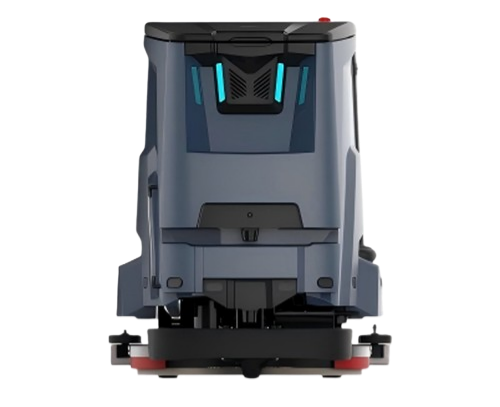 01 Industrial Cleaning Robots
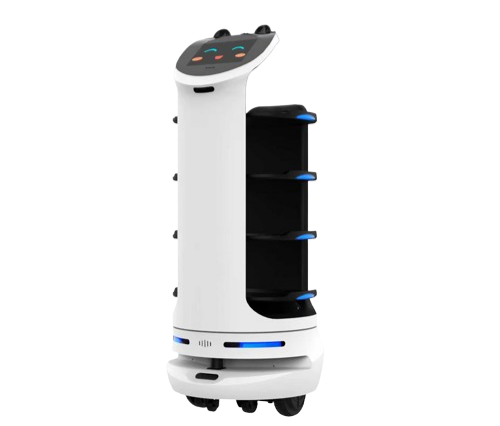 02 Commercial Robots
03 Companion Robot
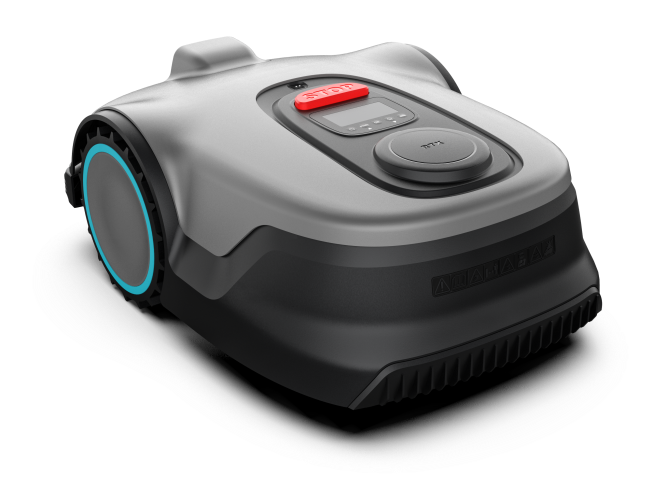 04 Lawn and Garden Robots
Cleaning Robot is an intelligent robot suitable for indoor scenarios with large-area hard floors. Equipped with AI-powered navigation and autonomous obstacle avoidance, it delivers consistent cleaning performance across industrial facilities, commercial spaces, and hazardous zone perimeters.
The drive wheels are equipped with an independent suspension structure, which greatly enhances the robot's stability during movement. Ideal for service delivery, information assistance, and autonomous patrol in commercial and hazardous access-controlled environments.
This robot adheres to the core design philosophy of Growth Companion & Enlightenment, specially developed for children aged 3 to 8. A safe, interactive companion supporting learning, play, and family connectivity.
This intelligent robotic lawn mower is designed for efficient, autonomous lawn maintenance. Perfect for residential estates, commercial campuses, and restricted perimeter zones requiring unmanned vegetation management.
Our most trusted AGV and intelligent robot solutions for hazardous and industrial environments
Cleaning Robot is an intelligent robot suitable for indoor scenarios with large-area hard floor...
This intelligent handling forklift is a next-generation autonomous material handling solution d...
This intelligent robotic lawn mower is designed for efficient, autonomous lawn maintenance. It ...
This robot adheres to the core design philosophy of Growth Companion & Enlightenment, speci...
Located at Yineng Science and Technology Park, No. 69 Weixin Road, Suzhou City, Jiangsu Province, it is a comprehensive high-tech enterprise integrating R&D, production and foreign trade export of intelligent robots. Deeply engaged in the field of intelligent robots, it focuses on providing efficient, intelligent and reliable robot products and one-stop solutions for global customers. Its products are exported to many core markets such as Europe, America, Southeast Asia and the Middle East. With excellent product quality and perfect full-process services, it has won wide recognition and long-term trust from global partners.
Full-cycle support from production excellence to global after-sales service

Our production base is equipped with high-precision CNC machining centers, AI algorithm debugging workstations, and environmental simulation test chambers, dedicated to the manufacturing of smart robots (including cleaning, mowing, and delivery models). The automated assembly lines ensure consistent product quality, while the R&D testing equipment verifies navigation accuracy, battery life, and environmental adaptability for each robot model.

Our facility has obtained ISO 9001 quality management system certification, CE, and FCC certifications for global market compliance. We also hold intellectual property patents for core technologies of smart robots, and our production processes strictly adhere to IEC standards, ensuring that every robot meets international safety and performance requirements.

We provide a full-cycle service system for smart robots, including pre-sales customization, on-site installation, and after-sales technical support. Our team offers remote debugging, firmware upgrades, and 24/7 emergency response to ensure stable operation. For bulk orders, we also provide tailored training programs for your technical and operational teams.
AGV: Unmanned and automated material transfer, covering multiple fields such as industrial production, warehousing logistics, and commercial services
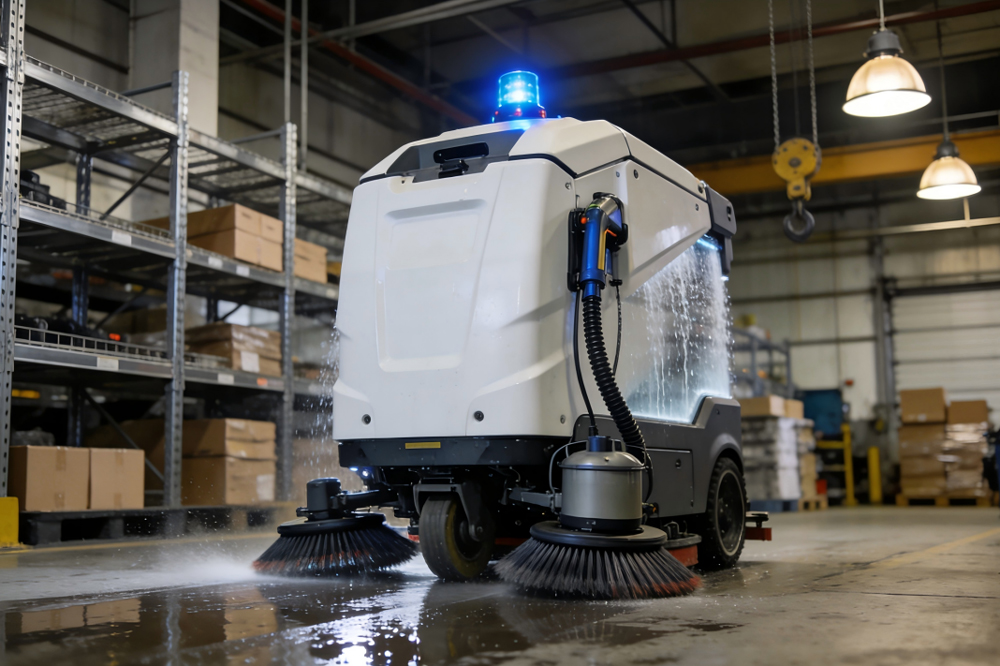
In the field of industrial manufacturing, intelligent robots are the core equipment for production automation. AGVs and collaborative robots boost the efficient operation of production and logistics. Large intelligent cleaning robots can independently finish cleaning work across the whole factory including workshops and warehouse areas, featuring unmanned operation and high adaptability to industrial scenarios. They cut costs, enhance efficiency, ensure the production environment, and fully drive the intelligent upgrading of factories.
Learn More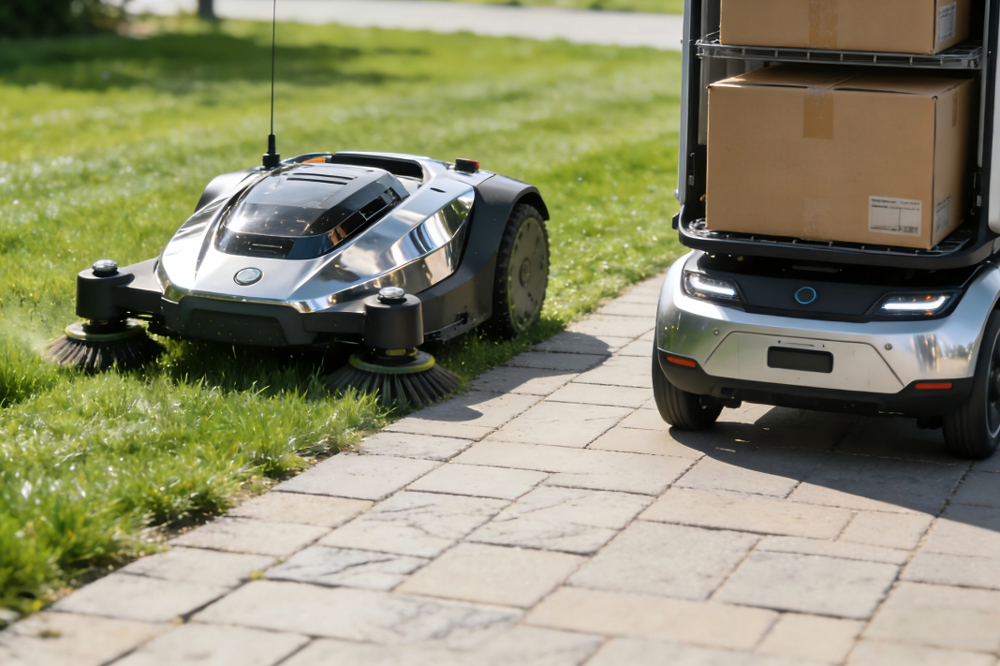
In commercial environments such as hotels, hospitals, shopping centers, and airports, AGVs provide seamless delivery, patrol, and service assistance. Their ability to navigate crowded spaces autonomously while safely carrying payloads makes them indispensable for modern smart commercial operations.
Learn More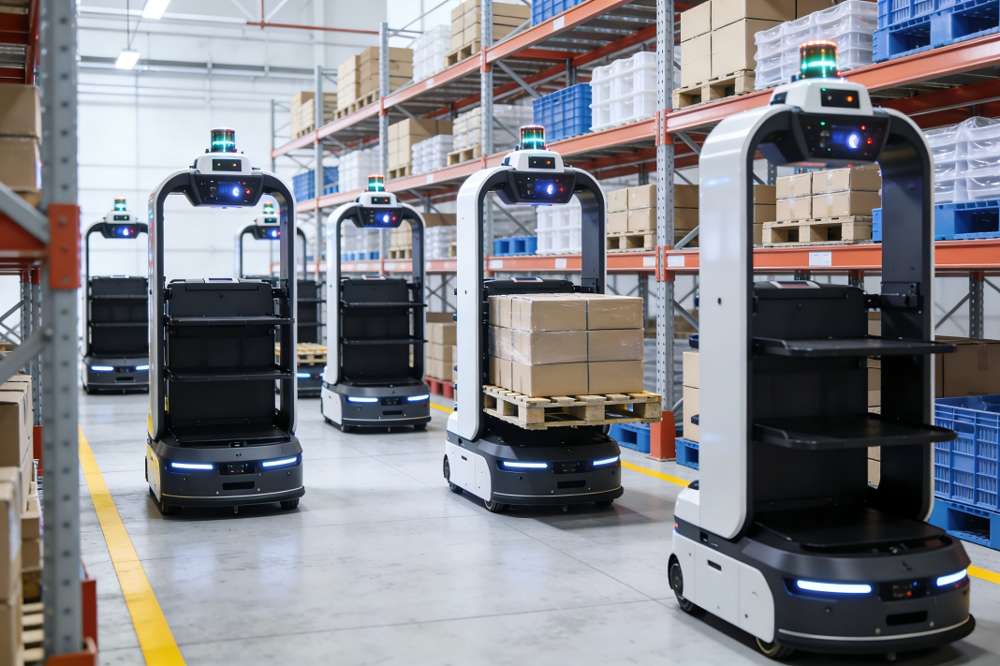
In modern logistics centers and warehouses, AGVs automate goods receiving, sorting, storage, and dispatch with unmatched speed and accuracy. Integrated with WMS platforms, they provide real-time inventory visibility and eliminate manual picking errors—critical for hazardous goods compliance.
Learn MoreFor inquiries about our products or pricelist please leave to us and we will be in touch within 24 hours.
As labor costs rise and efficiency demands increase, commercial cleaning robots are shifting from novelty to necessity across global industries...
April 28, 2026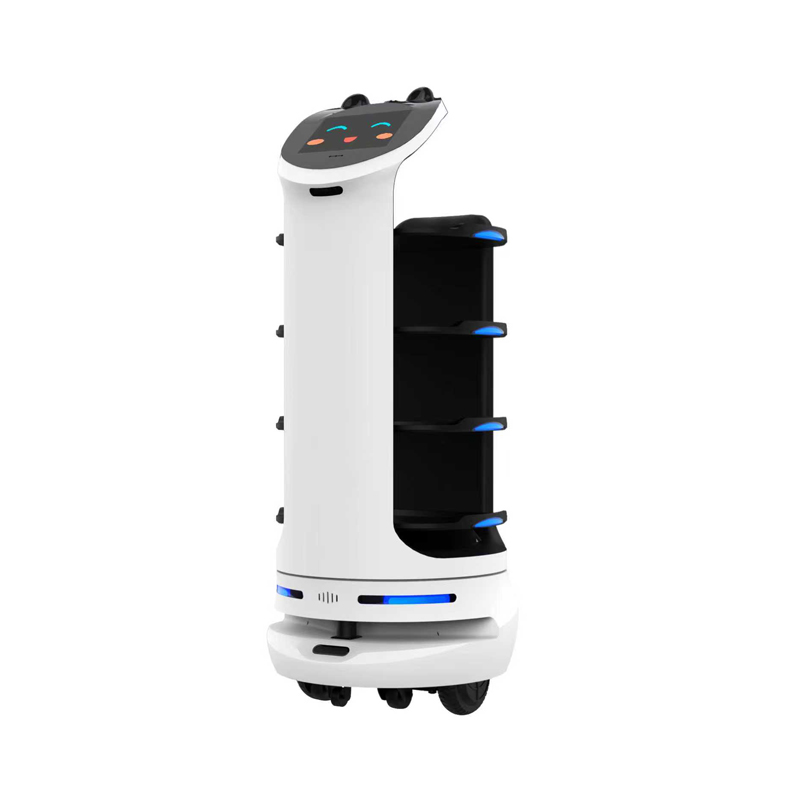
As the global hospitality industry continues its digital transformation, guest service delivery robots are redefining the hotel experience...
April 27, 2026
The body of a robotic vacuum cleaner is a wireless device, mainly disc-shaped. It operates on a rechargeable battery and uses sensors to navigate...
February 2026Explore our full range of intelligent autonomous vehicle solutions for hazardous environments