
- Home
- About Us
- Products
- Application
- FAQ
- News
- Contact Us
inquiry
Leave Your Message
Explore our flagship autonomous platforms engineered to optimize cleaning cycles, streamline waste logistics, and reduce environmental footprints.
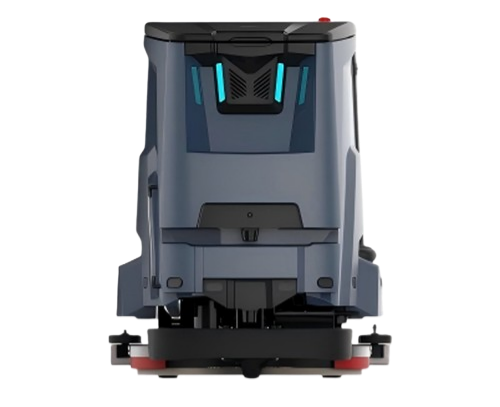
An intelligent robot designed for indoor environments with large-area hard floors, optimizing waste collection and sanitization.
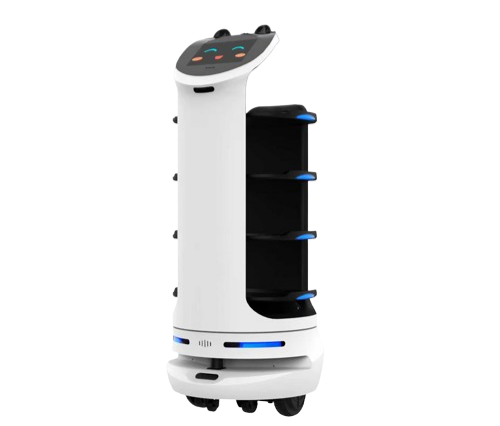
Equipped with independent suspension structures, enhancing movement stability across complex commercial spaces.

Specially developed growth companion and enlightenment robot designed for modern smart home ecosystems.
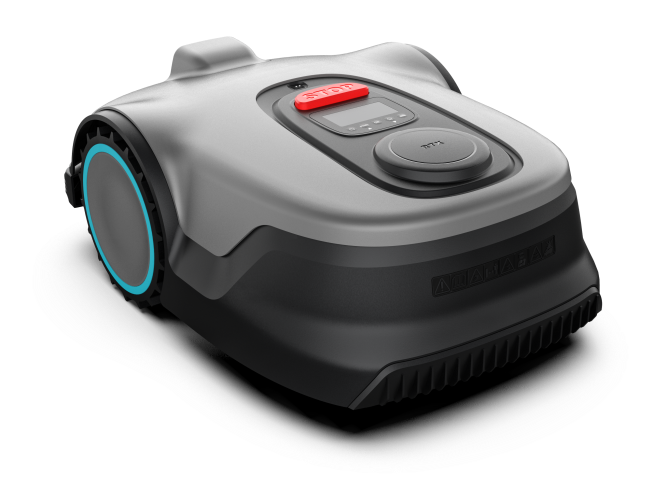
Engineered for efficient, autonomous green space maintenance and biomass management in commercial estates.
Modern urbanization and industrial expansion have triggered an exponential rise in waste production, placing immense pressure on traditional municipal and industrial waste management systems. Traditional methods of manual collecting, sorting, and transporting waste are increasingly plagued by high operational costs, labor shortages, and significant carbon emissions. To address these challenges, the integration of Auto Guided Vehicles (AGVs) and autonomous sanitation systems has emerged as a transformative solution, paving the way for highly sustainable, efficient, and circular waste management ecosystems.
The global market for autonomous waste management and industrial cleaning robots is witnessing unprecedented growth. Driven by stringent environmental regulations, corporate ESG (Environmental, Social, and Governance) targets, and the rise of Smart City initiatives, industries are rapidly replacing manual labor with intelligent, electric-powered AGVs. From massive manufacturing plants and logistics centers to commercial shopping complexes and urban centers, autonomous vehicles are handling material recovery, street sweeping, and industrial cleaning with zero direct emissions. This transition not only reduces energy consumption but also mitigates the health and safety risks associated with handling hazardous or unsanitary waste materials.
To truly understand the impact of Auto Guided Vehicles, it is essential to analyze their deployment across diverse operational environments. These systems are not merely cleaners; they are mobile data hubs and material transporters designed to integrate seamlessly with existing logistics and urban infrastructures.
In heavy industrial settings, manufacturing byproducts and hazardous waste must be handled with extreme caution. Heavy-duty autonomous forklifts and custom AGVs are deployed to transport bulk metal shavings, chemical residues, and manufacturing waste from the production line to containment areas. By automating this process, factories eliminate human exposure to toxic substances, prevent accidental spills through precision pathing, and ensure that waste disposal processes strictly adhere to environmental compliance guidelines.
Municipalities are deploying articulated, electric autonomous street sweepers to manage public waste. These vehicles navigate complex urban environments, avoiding pedestrians, cyclists, and parked cars while collecting litter, dust, and organic debris. Equipped with high-capacity vacuum systems and smart sorting bins, they keep public spaces clean while feeding urban cleanliness data back to municipal control rooms, allowing for predictive maintenance of public spaces.
Indoor commercial hubs experience heavy foot traffic, resulting in continuous waste generation. Commercial cleaning robots and multi-form service AGVs operate quietly in the background, collecting trash, sanitizing floors, and guiding visitors. Their independent suspension systems allow them to navigate transitions between carpets, tiles, and ramps smoothly, maintaining a clean and safe environment without interrupting public activities.
Large-scale commercial properties, parks, and golf courses require continuous landscaping, which generates significant organic waste. Autonomous robotic mowers manage grass clipping and biomass collection. By maintaining turf heights precisely, they promote healthier lawns, reduce water runoff, and systematically collect grass clippings for composting or biofuel generation, contributing directly to localized circular economies.
Pioneering the future of autonomous robotics and smart environmental solutions from the heart of Suzhou's technology corridor.
From state-of-the-art manufacturing plants to comprehensive global support networks, we ensure operational excellence for every deployment.

Our production base is equipped with high-precision CNC machining centers, AI algorithm debugging workstations, and environmental simulation test chambers, dedicated to the manufacturing of smart robots (including cleaning, mowing, and delivery models). The automated assembly lines ensure consistent product quality, while the R&D testing equipment verifies navigation accuracy, battery life, and environmental adaptability for each robot model.

Our facility has obtained ISO 9001 quality management system certification, CE, and FCC certifications for global market compliance. We also hold intellectual property patents for core technologies of smart robots, and our production processes strictly adhere to IEC standards, ensuring that every robot meets international safety and performance requirements.

We provide a full-cycle service system for smart robots, including pre-sales customization, on-site installation, and after-sales technical support. Our team offers remote debugging, firmware upgrades, and 24/7 emergency response to ensure stable operation. For bulk orders, we also provide tailored training programs for your technical and operational teams.
AGV: Unmanned and automated material transfer, covering multiple fields such as industrial production, warehousing logistics, and commercial services.
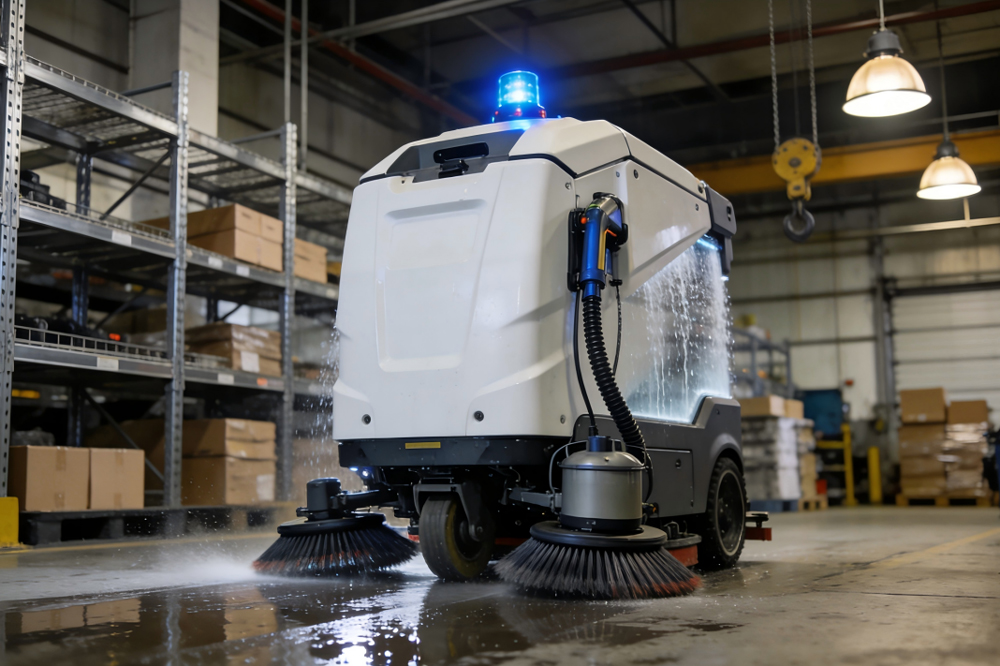
In the field of industrial manufacturing, intelligent robots are the core equipment for production automation. AGVs and collaborative robots boost the efficient operation of production and logistics. Large intelligent cleaning robots can independently finish cleaning work across the whole factory including workshops and warehouse areas, featuring unmanned operation and high adaptability to industrial scenarios. They cut costs, enhance efficiency, ensure the production environment, and fully drive the intelligent upgrading of factories.
Learn More About ApplicationsThe convergence of artificial intelligence, high-speed 5G communications, and next-generation energy storage is reshaping the capabilities of AGVs in sustainable waste systems. As we look to the future, several key trends are set to define the next generation of autonomous sanitation:
Modern AGVs utilize a combination of LiDAR, ultrasonic sensors, and high-definition cameras processed by advanced AI algorithms. This sensor fusion allows the vehicle to map complex environments dynamically, distinguish between different types of waste, and adjust cleaning patterns based on real-time foot traffic or debris density. Future iterations will integrate machine learning models capable of predicting waste accumulation patterns, optimizing routing before waste bins even reach capacity.
To maximize sustainability, AGVs are increasingly integrated into smart microgrids. They are programmed to recharge during periods of high renewable energy generation (such as peak solar hours) or off-peak utility pricing. This ensures that the energy driving the sanitation process is as clean as the vehicles themselves.
Instead of operating in isolation, future AGV fleets will leverage swarm intelligence. By sharing mapping and operational data in real-time via local network protocols, multiple robots can coordinate their paths to clean large areas, such as airports or industrial parks, in a fraction of the time, avoiding redundancy and conserving battery life.
The ultimate goal of sustainable waste management is to eliminate waste entirely by feeding materials back into the production cycle. Future AGVs will not just collect waste; they will play an active role in sorting and classifying recyclable materials at the point of collection. Using multispectral cameras and robotic sorters, these vehicles will separate plastics, metals, paper, and organic waste on-the-go, drastically improving recovery rates and reducing contamination in recycling streams.
Read our latest articles and updates regarding smart robotics, commercial cleaning innovations, and sustainable industrial solutions.
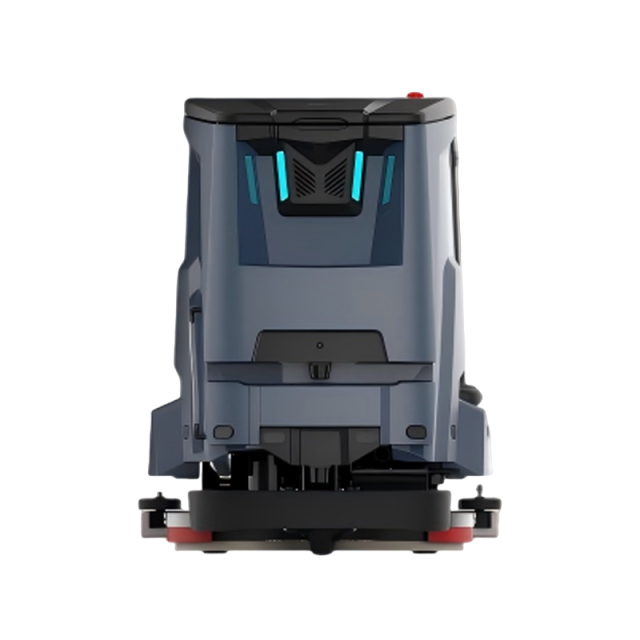
As labor costs rise and efficiency demands increase, commercial cleaning robots are shifting from basic automated sweepers to highly intelligent, multi-functional platforms.
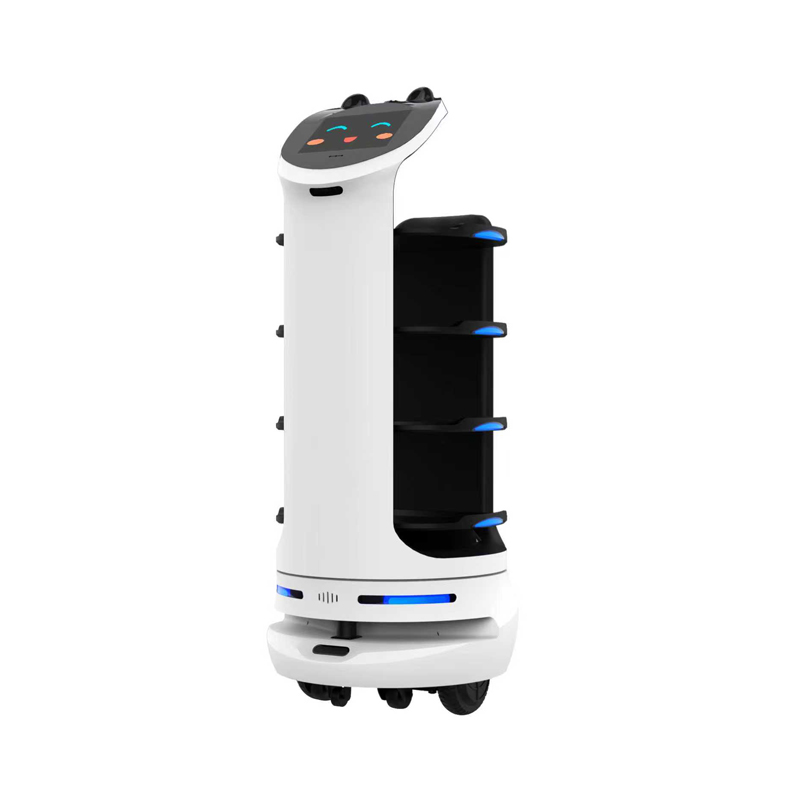
As the global hospitality industry continues its digital transformation, guest service delivery robots are optimizing guest experiences and boosting staff productivity.

The body of a robotic vacuum cleaner is a wireless device, mainly disc-shaped. It operates on autonomous navigation systems to clean residential and commercial environments.
For inquiries about our products or pricelist, please leave your message and we will be in touch within 24 hours.
Select from our comprehensive range of intelligent cleaning and waste management vehicles to transform your ecological operations.
Designed for heavy-duty urban sweeping and public waste management operations.
View Product
Articulated autonomous electric sanitation vehicle engineered for modern smart cities.
View Product
Intelligent cleaning vehicle manufactured by a leading Chinese autonomous vehicle factory.
View Product
Autonomous electric sanitation vehicle designed for deep urban cleaning and waste collection.
View Product
High-efficiency electric platform for sustainable commercial and municipal waste management.
View Product
Intelligent urban cleaning vehicle optimized for high-performance municipal sanitation.
View Product
Autonomous street sweeper with advanced obstacle avoidance and smart path planning features.
View Product
Direct from leading factory, engineered for sustainable urban waste recovery and transport.
View Product