- Home
- About Us
- Products
- Application
- FAQ
- News
- Contact Us
inquiry
Leave Your Message
Explore our cutting-edge robotic solutions designed to support and optimize high-speed assembly line workflows.
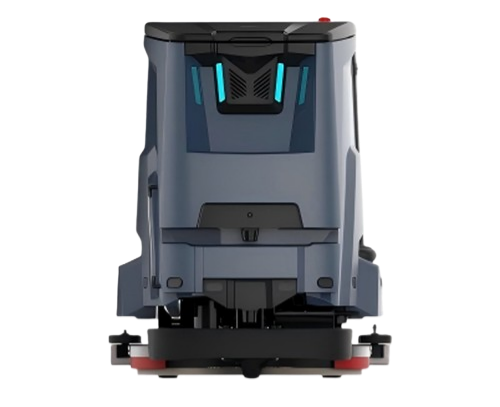
An intelligent robot engineered to maintain pristine, dust-free floors in high-speed assembly line zones, ensuring optical sensors and forklifts operate without disruption.
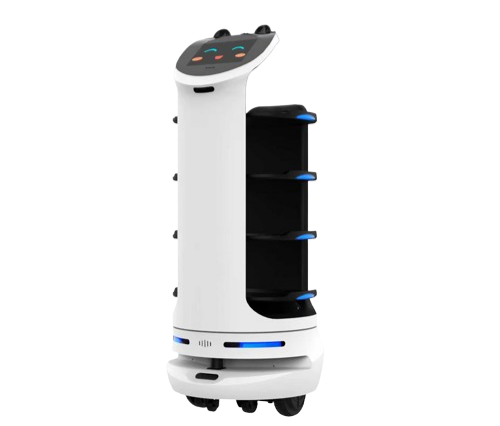
Equipped with an independent suspension structure, this multi-form robot ensures stable, vibration-free delivery of delicate electronics and tools directly to assembly stations.

Designed with a growth-oriented interactive interface to guide assembly line operators through complex task sequences and safety protocols in real-time.
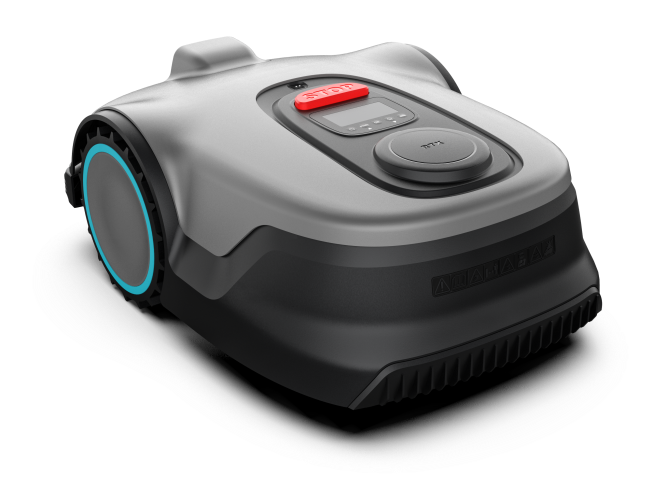
An autonomous lawn and garden maintenance robot designed to keep the external grounds of smart manufacturing plants clean and professionally landscaped.
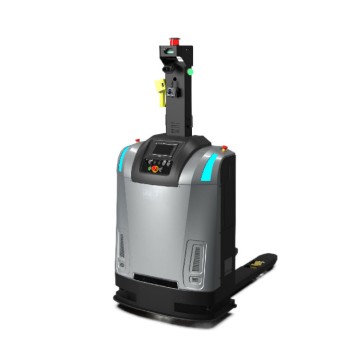
In the era of Industry 4.0, manufacturing efficiency is no longer just about how fast a machine can assemble a product. Instead, it is heavily dictated by the synchronization of internal logistics. The integration of an automated forklift for high-speed assembly line feeding has emerged as a critical driver for factories aiming to eliminate bottlenecks, reduce overhead, and maintain continuous production cycles.
Traditionally, assembly line feeding relied on manual forklift operators or tugger trains. While effective in low-throughput settings, these manual methods introduce substantial variability, safety hazards, and labor costs into modern high-speed operations. Today's automotive, aerospace, and electronics assembly lines operate on razor-thin margins and demanding schedules. A delay of just a few minutes in material delivery can result in thousands of dollars in lost production time.
Automated Guided Vehicles (AGVs) and Autonomous Mobile Robots (AMRs) configured as heavy-duty forklifts are stepping in to solve these challenges. According to recent market analysis, the global demand for automated forklifts in manufacturing is projected to grow at a compound annual growth rate (CAGR) of over 15% through the next decade. This surge is driven by the urgent need for predictable, repeatable, and safe material flow that aligns perfectly with real-time production demands.
"The optimization of assembly line feeding through automated forklifts reduces material handling errors by up to 98% and increases overall equipment effectiveness (OEE) by stabilizing the supply of raw components to the line side."
Feeding a high-speed assembly line is vastly different from moving pallets in a standard distribution warehouse. The environment is characterized by:
Pioneering Smart Robotic Solutions for Global Industries
To operate seamlessly in high-speed environments, automated forklifts utilize a combination of advanced hardware and software systems. Modern autonomous forklifts are no longer pre-programmed machines following magnetic tape on the floor. Instead, they rely on Natural Feature Navigation (often using LiDAR and SLAM technologies) to map the factory environment in real-time.
Here is how the system achieves sub-centimeter accuracy during assembly line feeding:
In high-speed automotive assembly, parts must arrive not only on time but also in a specific sequence (e.g., matching the color or trim level of the car currently moving down the line). An automated forklift optimized for high-speed feeding is capable of executing JIS sequences with zero human intervention. The forklift retrieves the sequenced rack from the kitting area and delivers it to the line-side station, returning with an empty rack to complete the closed-loop cycle. This eliminates inventory buildup at the line side, freeing up valuable manufacturing floor space.
Our comprehensive manufacturing infrastructure and strict quality control guarantee world-class robotic solutions.

Our production base is equipped with high-precision CNC machining centers, AI algorithm debugging workstations, and environmental simulation test chambers, dedicated to the manufacturing of smart robots (including cleaning, mowing, and delivery models). The automated assembly lines ensure consistent product quality, while the R&D testing equipment verifies navigation accuracy, battery life, and environmental adaptability for each robot model.

Our facility has obtained ISO 9001 quality management system certification, CE, and FCC certifications for global market compliance. We also hold intellectual property patents for core technologies of smart robots, and our production processes strictly adhere to IEC standards, ensuring that every robot meets international safety and performance requirements.

We provide a full-cycle service system for smart robots, including pre-sales customization, on-site installation, and after-sales technical support. Our team offers remote debugging, firmware upgrades, and 24/7 emergency response to ensure stable operation. For bulk orders, we also provide tailored training programs for your technical and operational teams.
As technology marches forward, several key trends are shaping the future of automated forklifts in manufacturing plants:
For factory managers, the decision to implement automated forklifts comes down to return on investment (ROI). While the initial capital expenditure is higher than purchasing manual forklifts, the long-term savings are compelling:
Our AGV and robotic solutions provide unmanned, automated material transfer across diverse industrial landscapes.
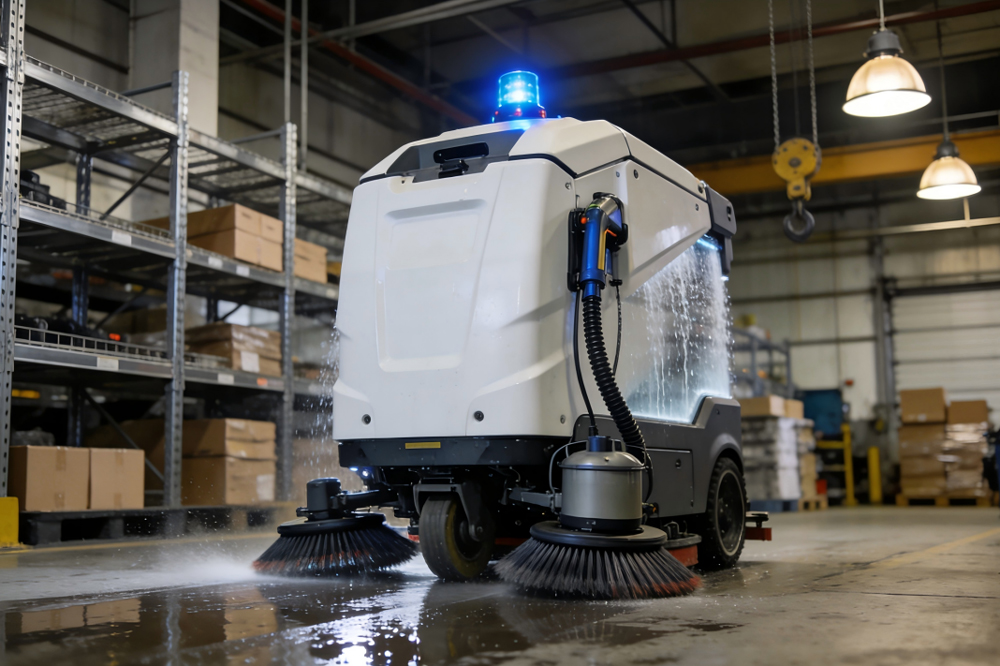
In the field of industrial manufacturing, intelligent robots are the core equipment for production automation. AGVs and collaborative robots boost the efficient operation of production and logistics. Large intelligent cleaning robots can independently finish cleaning work across the whole factory including workshops and warehouse areas, featuring unmanned operation and high adaptability to industrial scenarios. They cut costs, enhance efficiency, ensure the production environment, and fully drive the intelligent upgrading of factories.
Explore More ApplicationsFor inquiries about our automated forklifts or custom line-feeding solutions, please leave your details below and we will contact you within 24 hours.
Stay updated with the latest technological breakthroughs, industry trends, and product updates.
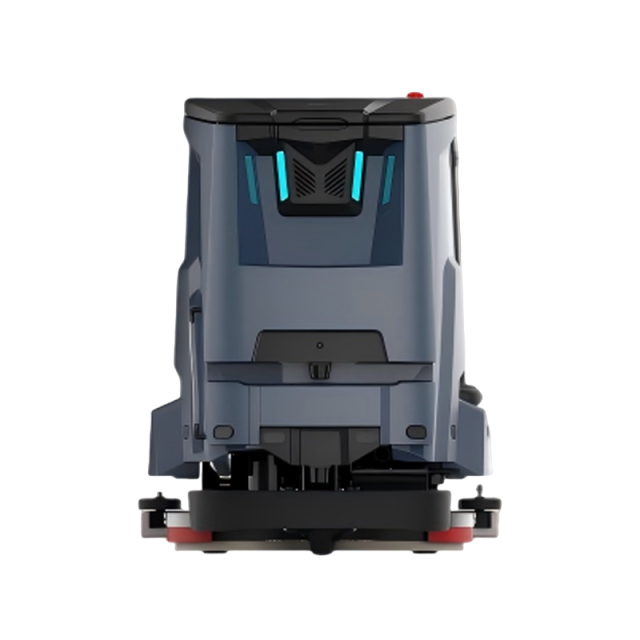
As labor costs rise and efficiency demands increase, commercial cleaning robots are shifting from simple automation to highly intelligent, self-learning platforms.
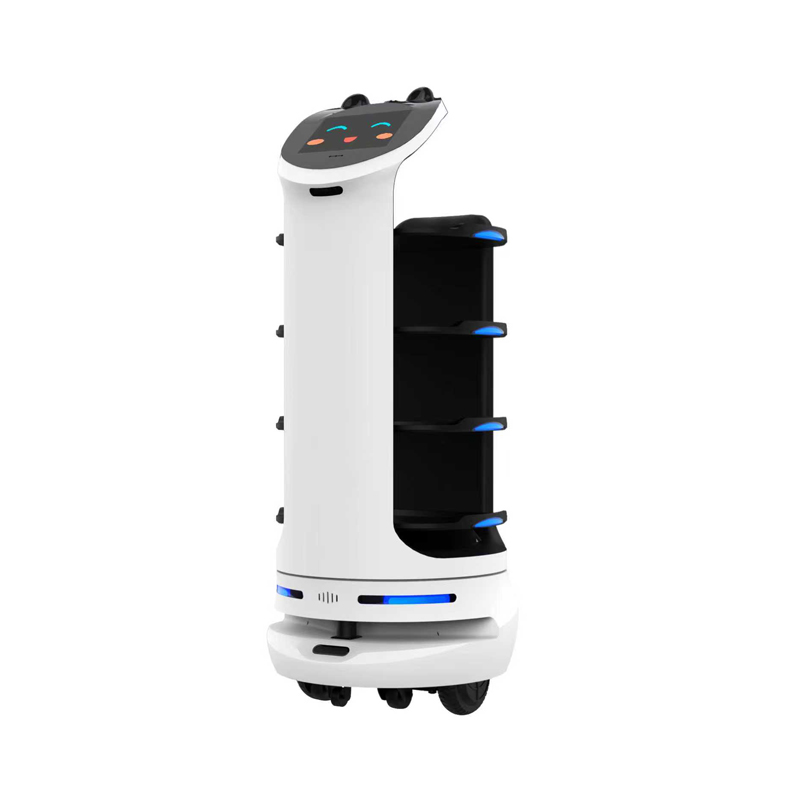
As the global hospitality industry continues its digital transformation, guest service delivery robots are redefining the guest experience and reducing front-desk workloads.

An overview of the body designs, navigation systems, and functional categories of modern wireless robotic vacuum cleaners used in commercial and residential settings.
Browse our core line of heavy-duty autonomous forklifts engineered specifically for industrial environments and assembly line feeding operations.