inquiry
Leave Your Message
0%

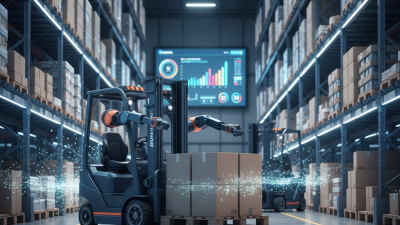
Hey, you know, the logistics world is really going through a big change right now, thanks to automation tech—especially with things like Robot Forklifts. I came across some recent studies from the International Federation of Robotics, and they’re saying that the market for these autonomous material handling solutions is expected to grow pretty steadily—around 13% every year until 2025. That just shows how more and more companies are starting to trust and adopt Robot Forklift systems around the globe.

These robots aren’t just flashy gadgets—they bring real benefits, like cutting down labor costs and making warehouses way safer. Big players like Amazon and Walmart are already jumping on this bandwagon, and they’re seeing some pretty impressive results. For example, a report from the Warehouse Automation Association mentioned that companies using Robot Forklifts have boosted their order fulfillment by as much as 25%. But, of course, switching over to full automation isn’t all smooth sailing. Businesses often struggle with fitting the new tech into their existing systems, not to mention the hefty upfront costs.

As everyone’s weighing the pros and cons and trying to figure out if it’s worth it, having solid data becomes super important. Understanding both the upsides and the limitations of Robot Forklifts can really help businesses make smarter decisions. It’s also a hot topic—finding that sweet spot between utilizing automation and keeping humans in the loop. Honestly, the journey toward full automation is pretty complicated, but it’s definitely full of potential—and that’s what makes it exciting.
Top 10 Benefits of Robot Forklifts for Global Buyers?

Benefits of Increased Efficiency and Productivity with Robot Forklifts

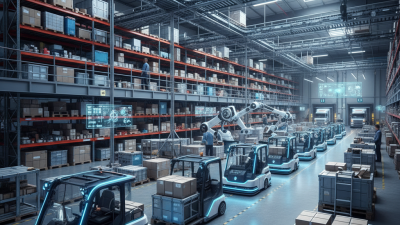
The rise of Automated Forklift Robots is transforming warehouse operations worldwide. These machines boost efficiency by handling repetitive tasks, allowing human workers to focus on more complex jobs. The precise navigation and operation of robot forklifts reduce downtime, thus enhancing overall productivity.

Implementing automated solutions can lead to impressive time savings. For instance, robot forklifts can quickly move heavy materials without interruption. However, it's essential to monitor their performance. Regular assessments can reveal areas for improvement, ensuring that operations remain smooth and efficient.

Incorporating these robots into your logistics processes requires careful planning. Assess your facility layout before deployment. Consistent training for staff will also help in optimizing their collaboration with Automated Forklift Robots. Remember, automation is not a magic fix; it needs adjustments and reflections on effectiveness regularly.

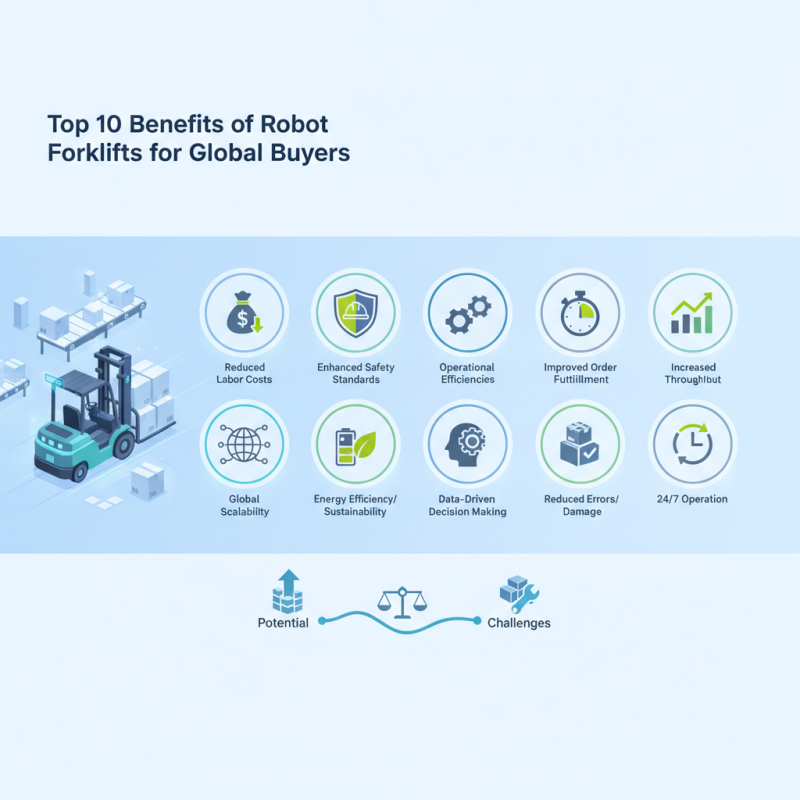
Top 10 Benefits of Robot Forklifts for Global Buyers

Benefit Description Impact on Efficiency
Increased Productivity Robot forklifts operate continuously without breaks, reducing downtime. +30%
Cost Savings Lower labor costs and reduced operational expenses. +20%
Space Utilization Compact design allows for more efficient use of warehouse space. +15%
Improved Safety Reduction in workplace accidents and injuries. -40% accident rate
Flexibility Easily adaptable to changing warehouse layouts. +25%
24/7 Operation Can operate around the clock without fatigue. +50%
Data Collection Provides real-time data for inventory tracking and management. +35%
Lower Maintenance Costs Fewer mechanical failures and reduced maintenance requirements. -25%
Enhanced Accuracy Minimizes human errors in load handling. +40%
Seamless Integration Easily integrates with existing warehouse systems. +10%

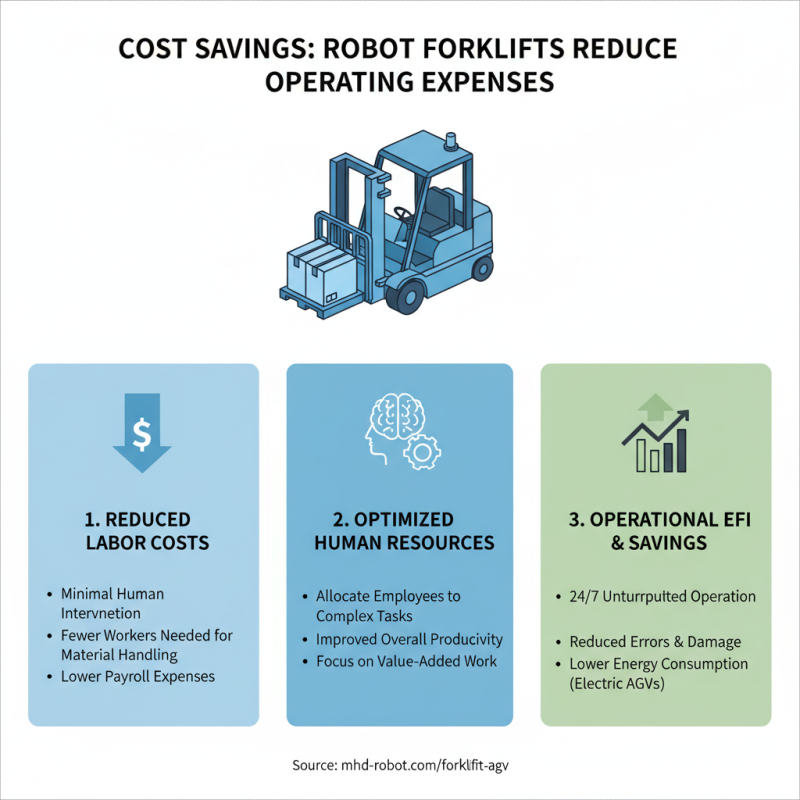
Cost Savings: How Robot Forklifts Reduce Operating Expenses

Top 10 Benefits of Robot Forklifts for Global Buyers?

Robot forklifts, or Forklift Agvs, offer significant cost savings for companies embracing automation. These machines operate with minimal human intervention, which reduces labor costs. Businesses can allocate human resources to more complex tasks, improving overall productivity. With fewer workers needed for material handling, companies see lower payroll expenses.

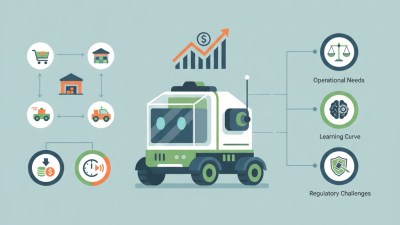
Maintenance costs also drop significantly with robot forklifts. These machines require less upkeep compared to traditional forklifts, which often have higher wear and tear. The technology behind forklift AGVs is designed for durability and efficiency. However, companies must acknowledge the learning curve involved in integrating this technology. Initial implementation can be challenging, and training is essential for operators to maximize the benefits.

Moreover, energy efficiency plays a crucial role in reducing operating expenses. Many robot forklifts utilize smart technology to optimize energy consumption. This leads to decreased electricity costs and a smaller carbon footprint. Nonetheless, companies should conduct regular assessments to ensure that these machines operate effectively. Continuous improvement in automation processes is vital for sustaining cost benefits.

Enhanced Safety Standards: Minimizing Workplace Accidents with Automation

Robot forklifts enhance safety standards in workplaces significantly. These automated machines reduce human error and free workers from dangerous tasks. As a result, this minimizes workplace accidents substantially. The use of sensors and cameras helps robot forklifts navigate complex environments. This technology allows them to detect obstacles quickly, preventing collisions. Workers can focus on higher-value tasks, reducing physical strain.

Despite these advantages, challenges still exist. Some operators may require extensive training to manage these systems effectively. As the technology evolves, keeping pace with these changes can be daunting. Additionally, initial costs of implementing robot forklifts can be substantial. Companies must weigh these factors against potential safety improvements.

Maintaining equipment is another vital consideration. Routine check-ups are essential to ensure optimal performance. Any malfunction could lead to accidents, undermining safety gains. Therefore, ongoing assessments are necessary. While robot forklifts offer great promise, careful planning and implementation are key to maximizing their benefits.

Flexibility and Adaptability: The Versatility of Robot Forklifts in Various Industries

Robot forklifts are revolutionizing the way industries handle materials. They offer remarkable flexibility and adaptability, making them suitable for various sectors. From warehouses to manufacturing plants, these machines can navigate diverse environments with ease. This versatility allows companies to optimize their operations and meet specific demands more effectively.

For businesses exploring automation, consider integrating robot forklifts into your logistics systems. They can function in tight spaces and adjust to changing layouts. A weak spot might be their initial setup complexity, which requires training and adjustment. Nonetheless, the long-term efficiency gains often outweigh these challenges.

As you implement robot forklifts, monitor their performance regularly. This step is crucial for identifying any operational hiccups. Employee feedback can help fine-tune their roles. Encourage your team to share insights on their interactions with the robots. This information can enhance the collaboration between human workers and machines, ensuring a smoother workflow.

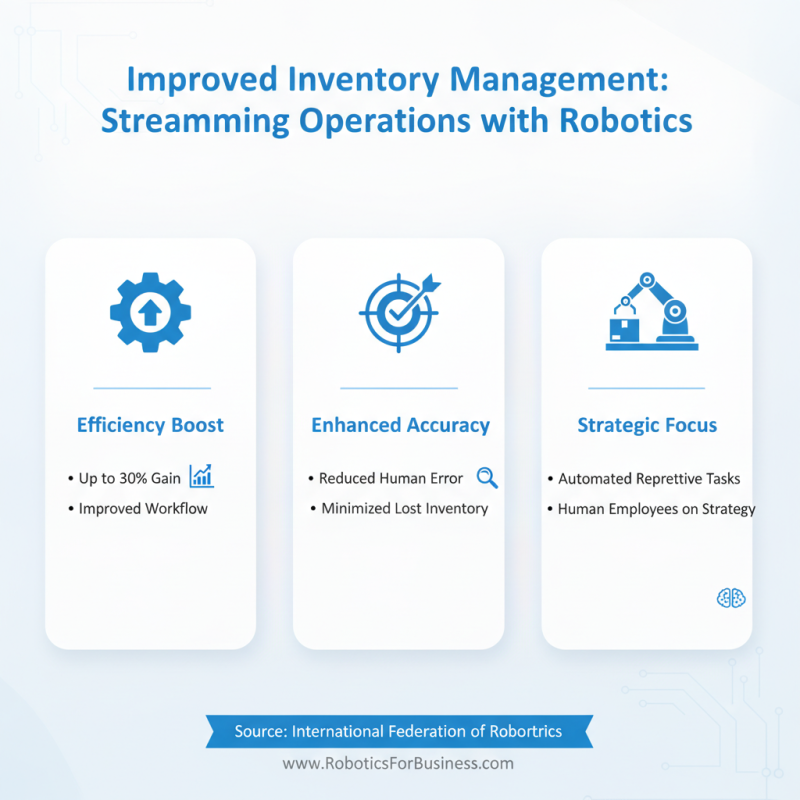
Improved Inventory Management: Streamlining Operations with Robotics

Top 10 Benefits of Robot Forklifts for Global Buyers?

Robotic forklifts have transformed inventory management, offering notable efficiency and accuracy benefits. According to the International Federation of Robotics, companies adopting robotics can see efficiency gains of up to 30%. This increase often results from improved workflow and reduced human error. These automated systems navigate warehouses with precision, minimizing lost inventory. They can handle repetitive tasks, allowing human employees to focus on strategic operations.

Moreover, the integration of robotic forklifts enables real-time data collection. A study from the Warehouse Robotics Research Institute revealed that businesses utilizing robotic solutions have improved visibility of their inventory levels by 40%. This visibility helps in forecasting demand better and reduces stockouts or overstock situations. However, not all companies experience seamless integration. Some face challenges like high upfront costs and the need for system compatibility.

Investing in robotic forklifts is not without risks. Companies must weigh the long-term benefits against initial investment hurdles. Without proper training, staff may struggle to adapt, leading to potential errors in operations. Over time, however, those that fully embrace robotics find it easier to scale and adapt to market changes. The landscape of inventory management is evolving rapidly, and those slow to adapt may find themselves at a disadvantage.

Lower Maintenance Requirements: The Reliability of Robot Forklifts

Robot forklifts have revolutionized warehouse operations. One of the key advantages is their lower maintenance requirements. These Unmanned Forklifts typically feature fewer moving parts compared to traditional equipment. This design enhancement can lead to extended periods between service needs. Many users find that they spend less time dealing with repairs and more time on productivity.

Reliability is another crucial factor. Unmanned forklifts are equipped with advanced sensors and software. These technologies help detect issues before they lead to breakdowns. As a result, businesses can avoid unexpected downtime. It's important to note that while these devices are reliable, they are not infallible. Regular updates and routine checks are still essential to ensure smooth operation.

Moreover, the data collected by these forklifts can provide insights into performance trends. Analyzing this information helps users make informed decisions about maintenance schedules. Embracing this technology does require a shift in mindset. Some operators may need time to trust the system fully. Yet, the benefits of reduced maintenance and enhanced reliability are hard to overlook. Investing in unmanned forklifts can yield significant returns for businesses seeking efficiency.

Real-Time Data Analytics: Optimizing Performance with Smart Technology

Real-time data analytics plays a crucial role in optimizing performance with smart technology. Automated Forklifts excel in this area by collecting and analyzing data instantly. This data reveals insights into operational efficiency, highlighting areas for improvement. For instance, tracking time spent on various tasks can uncover inefficiencies. Warehouse managers can then adjust workflows based on this real-time information.

These forklifts provide updates on battery life, load weight, and operational hours. These metrics guide maintenance schedules, reducing downtime. However, while the data is valuable, it can be overwhelming. Users may struggle to interpret complex analytics. A simpler interface could lead to better insights and more effective decision-making.

Also, the reliance on data may create challenges. Not every anomaly has a clear data point. Human intuition and experience still play significant roles in troubleshooting. Automated forklifts can't replace critical thinking or adaptability. Balancing data-driven decisions with human experience could yield the best outcomes.

Exploring the Impact of Multi-form Intelligent Service Robots on Service Industries: Insights from Recent Market Research and Trends

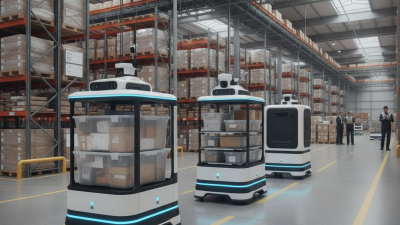
The integration of multi-form intelligent service robots in service industries is revolutionizing customer interaction and operational efficiency. Recent market research highlights their adaptability and impressive performance in various scenarios. For instance, these robots are designed with a universal chassis system that allows them to seamlessly navigate complex environments, whether it’s crossing thresholds or maneuvering through narrow passages. This versatility not only enhances their service capabilities but also ensures they can respond effectively to diverse operational challenges.

Equipped with advanced sensors, these intelligent robots are capable of collecting a wide array of data, including environmental conditions and service metrics. This data collection is crucial for big data analysis, enabling businesses to optimize their services and tailor customer experiences based on real-time insights. Moreover, the robots' ability to perform tasks such as food delivery emphasizes their practical application in the hospitality and food service sectors. With a robust battery that supports up to 15 hours of continuous operation, these robots are well-equipped to meet the demands of busy service environments, ensuring that they can maintain efficiency throughout the day.

FAQS

: What are robot forklifts designed to improve?

: Robot forklifts are designed to improve efficiency in warehouse operations. They handle repetitive tasks effectively, enhancing productivity.

How do robot forklifts save time?

They quickly move heavy materials without interruption. This leads to significant time savings in material handling.

What should companies do before implementing robot forklifts?

Companies should assess their facility layout before deployment. Careful planning is crucial for successful integration.

What training is required for staff using robot forklifts?

Consistent training for staff is necessary. It helps optimize collaboration with robot forklifts and ensures smooth operations.

How do robot forklifts contribute to cost savings?

They reduce labor costs by requiring minimal human intervention. This allows companies to allocate resources more efficiently.

What role does energy efficiency play in using robot forklifts?

Smart technology in robot forklifts optimizes energy consumption. This leads to lower electricity costs and less environmental impact.

How do robot forklifts enhance workplace safety?

They minimize human error and free workers from dangerous tasks. This significantly reduces the risk of workplace accidents.

What challenges exist with implementing robot forklifts?

Some operators may need extensive training for effective management. Initial implementation costs may also be high.

Why is maintenance important for robot forklifts?

Routine check-ups ensure optimal performance and help prevent malfunctions. Neglecting this can undermine safety improvements.

What is necessary for continuous improvement in automation?

Regular assessments of robot forklift performance are necessary. Continuous improvement is essential for sustaining benefits.

Conclusion

Robot forklifts are revolutionizing material handling across various industries by significantly enhancing efficiency and productivity. With their ability to operate autonomously, these machines help reduce operating expenses through lower labor costs and optimized workflows. Additionally, the implementation of robot forklifts minimizes the risk of workplace accidents, leading to improved safety standards.

Furthermore, the versatility of robot forklifts allows them to adapt to different environments and tasks, making them ideal for diverse applications. They streamline inventory management processes, ensuring accurate tracking and efficient movement of goods. With lower maintenance requirements and the integration of real-time data analytics, robot forklifts enhance overall operational performance, providing businesses with reliable and smart solutions for their material handling needs.
Ethan

Ethan

Ethan is a seasoned marketing professional at a leading high-tech enterprise specializing in intelligent robots. With a deep understanding of the company's innovative products and their applications, he plays a pivotal role in communicating the core strengths and advantages of the business. Ethan......
Previous Top 10 China Wholesale Package Delivery Robots Revolutionizing Logistics Systems?