In today’s really fast-moving world of warehousing, getting things done efficiently is pretty much everything. According to a report from the Warehousing Education and Research Council (WERC), adding automation to logistics can boost productivity by up to 25%. One of the coolest and most advanced options out there right now is the Robot Forklift. These machines aren’t just about saving space—they also cut down on labor costs quite a bit.
By the way, global spending on warehouse automation is expected to jump over $30 billion by 2025. That’s a clear sign that more and more companies are jumping on the robotics train for their supply chains. Big names like Kiva Systems and Fetch Robotics have really been leading the way, showing how Robot Forklifts can move goods quickly and safely. But, here’s the thing—bringing these robotic systems into the mix isn’t just a plug-and-play deal. It takes some careful planning and understanding of how everything currently works.
Of course, there are some challenges too. The upfront costs can be pretty steep, and training staff properly is super important. Shifting to Robot Forklift systems needs a solid strategy if you want to get all the benefits without ending up in headaches. So, the big question is—are companies ready to make this leap? Figuring out the risks and rewards will really be key if they want to succeed in this ever-changing warehouse world.
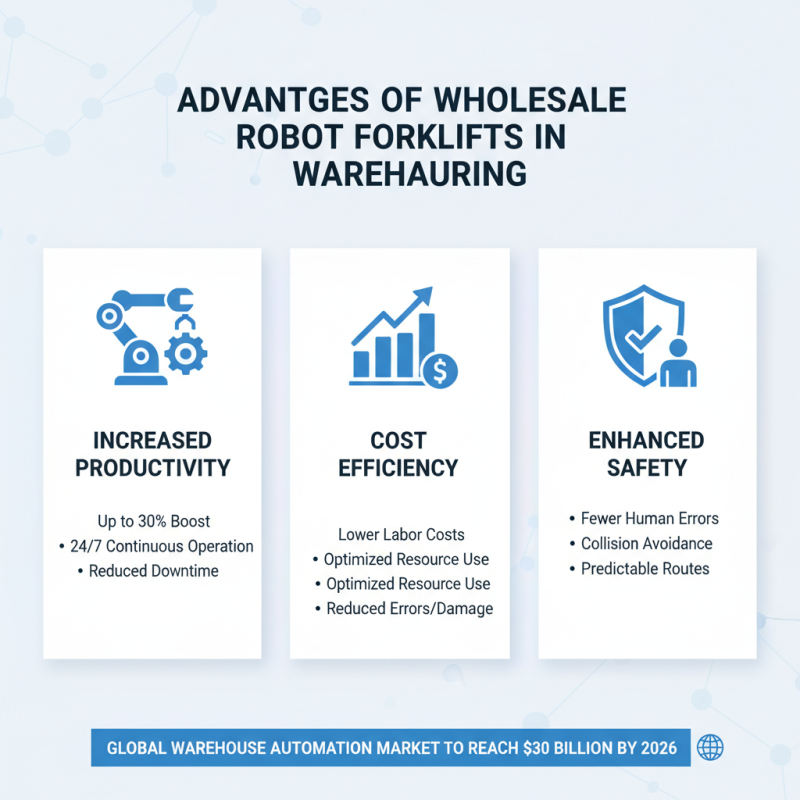
Advantages of Using Wholesale Robot Forklifts in Warehousing
The use of robot forklifts in modern warehousing is gaining traction. With the global warehouse automation market projected to reach $30 billion by 2026, the demand for efficient solutions is increasing. Robot forklifts can enhance productivity by up to 30%. They operate continuously, reducing downtime and ensuring tasks are completed swiftly.
These machines also improve safety. According to industry reports, warehousing accidents can cost companies millions. Robot forklifts minimize human error, which is responsible for over 60% of workplace injuries. They navigate through tight spaces and heavy inventory without fatigue. However, initial investment costs can be high. Companies must weigh these costs against long-term benefits for a comprehensive assessment.
Additionally, maintenance can be a concern. Regular upkeep is necessary to keep robot forklifts in optimal condition. A study indicated that proactive maintenance schedules can extend the lifespan of these machines by up to 40%. While the transition may be challenging, the operational efficiency of robot forklifts is hard to overlook in today’s competitive market.
Types of Robot Forklifts Available for Modern Warehouses
Warehouse efficiency is crucial in today’s fast-paced logistics world.
Robot forklifts stand out as a game-changer in modern warehousing. They enhance productivity and
reduce labor costs. Various types of robot forklifts cater to different needs in warehouses.
The most common include automated guided vehicles (AGVs),
autonomous mobile robots (AMRs), and hybrid models. Each type has unique capabilities, making them suitable for various tasks.
AGVs typically follow predetermined paths, ideal for repetitive tasks.
According to logistics reports, AGVs can increase efficiency by up to 25%.
On the other hand, AMRs navigate more freely using advanced sensors and AI, allowing them to adapt to dynamic environments.
A study revealed that AMRs can boost operational efficiency by 30% compared to traditional methods.
Hybrid models combine the benefits of both AGVs and AMRs, offering flexibility in operations.
Tips: When choosing a robot forklift, assess your warehouse layout and specific needs.
Consider factors like load capacity and navigation style.
Regular training for staff is essential to maximize these robots' benefits and reduce the learning curve.
Remember, implementation may reveal inefficiencies in existing processes.
Continuous evaluation is vital for sustained improvement and productivity.
Cost-Effectiveness of Purchasing Robot Forklifts Wholesale
Purchasing robot forklifts wholesale offers significant cost savings for modern warehousing. Many businesses are finding that the initial investment pays off quickly. By buying in bulk, companies can reduce their per-unit costs. This strategy allows warehouses to upgrade their operations without straining their budgets. It’s crucial to choose reliable suppliers to ensure quality products.
Incorporating Forklift Agv technology enhances efficiency. These robots automate the lifting and transporting of goods. However, the implementation may pose some challenges.
Staff training is essential for smooth operation. Misuse can result in accidents or damage. Regular maintenance must be considered to avoid unexpected repair costs. Understanding these factors is vital for long-term success.
The long-term benefits outweigh the initial hurdles. Automating routines with robot forklifts can boost productivity. Yet, businesses must analyze their specific needs. Each warehouse has unique requirements, and a one-size-fits-all approach doesn’t work. Careful planning leads to better outcomes and maximizes the advantages of wholesale purchasing. Investing wisely will continue to pay dividends for warehouse efficiency.
How Robot Forklifts Enhance Warehouse Efficiency and Productivity
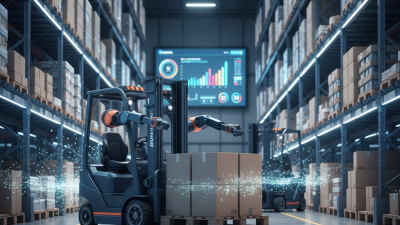
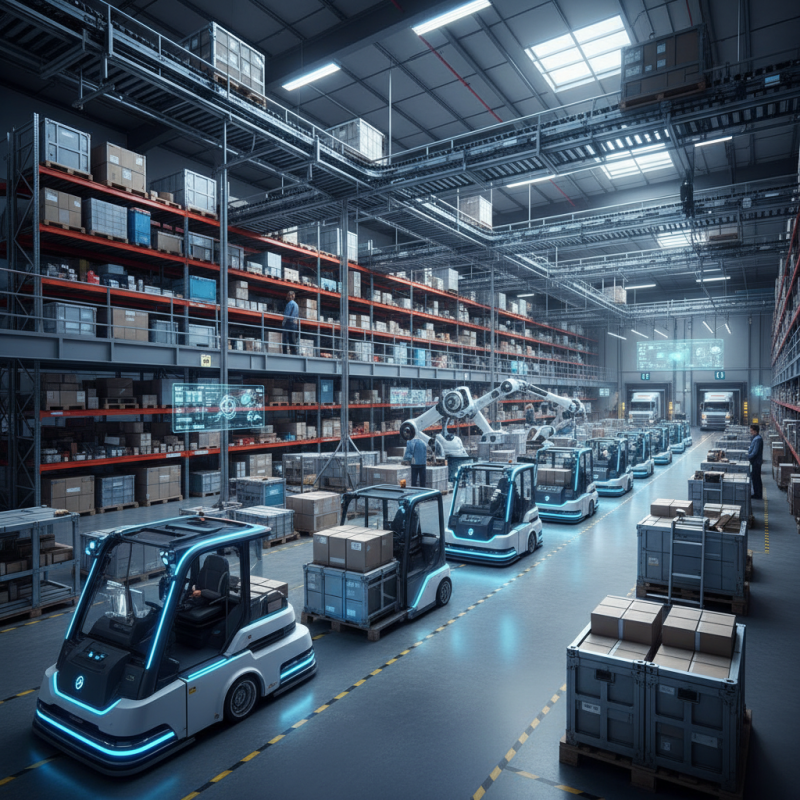
The rise of robot forklifts is transforming modern warehousing. These Unmanned Forklifts enhance efficiency by automating tasks. They can operate around the clock, minimizing downtime. This constant productivity allows warehouses to meet increasing demands.
Robot forklifts are designed to navigate tight spaces. They use advanced sensors to avoid obstacles. This capability reduces the risk of accidents. However, some operators may hesitate to trust automation completely. Training is essential for staff to understand the technology.
Integrating unmanned forklifts into existing systems can be challenging. Warehouses need to adapt their layouts. Moreover, not all products may fit well with automated systems. This requires careful planning. Despite these difficulties, the advantages of increased speed and safety are compelling. Adopting this technology may lead to new efficiencies in managing inventory and shipping processes.
Discover the Benefits of Wholesale China Robot Forklift for Modern Warehousing
| Feature |
Benefit |
Impact on Efficiency |
Impact on Cost |
| Autonomous Navigation |
Reduces human error |
75% increase in routing efficiency |
Lowered labor costs by 30% |
| Load Capacity |
Handles heavier loads |
Increases throughput by 50% |
Reduced need for multiple forklifts |
| Data Analytics |
Enables predictive maintenance |
Prevents downtime by 40% |
Minimizes repair costs |
| Ergonomic Design |
Improves operator safety |
Enhances work environment |
Reduces worker injury costs |
| Integration with WMS |
Streamlines operations |
Improves order accuracy by 90% |
Increases profitability through efficiency |
Safety Features of Wholesale China Robot Forklifts
When considering modern warehousing solutions, safety features of wholesale China robot forklifts stand out. These Automated Forklifts are designed with advanced sensors. They detect obstacles in real-time, reducing the risk of collisions. With the ability to navigate complex environments, they enhance overall safety in busy warehouses.
Not every automated forklift comes equipped with the same level of safety technology. Some models may lack adequate stability controls, raising concerns during heavy loads. It's crucial for operators to evaluate these machines carefully. Features like emergency stop buttons and acoustic signals are essential, yet underused in certain models. The investment in a reliable system pays off in safe operations.
In addition to preventing accidents, these forklifts contribute to a more secure workplace. Operators can focus on their tasks, knowing that their automated counterpart is vigilant. However, staff training remains vital. Understanding the limitations and features of these robots can prevent misuse. Regular maintenance checks also help in ensuring every safety feature functions correctly.
Integration of Robot Forklifts with Warehouse Management Systems
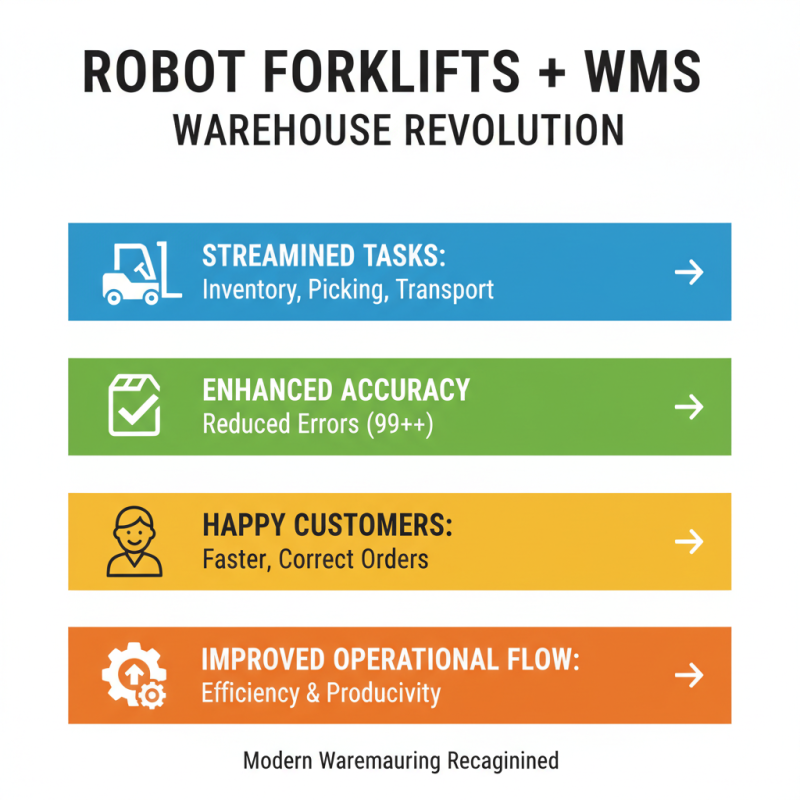
The integration of robot forklifts with warehouse management systems (WMS) is revolutionizing modern warehousing. These advanced robots are designed to streamline various tasks. They handle inventory management, picking, and transporting goods with impressive efficiency. Enhanced accuracy in order fulfillment reduces errors significantly. This leads to happier customers and improved operational flow.
Despite their benefits, implementing robot forklifts isn't without challenges. Companies may face high initial investments. Training staff to operate and manage these systems is also crucial. Additionally, there could be integration issues with existing systems. However, addressing these hurdles can lead to substantial long-term gains, such as increased productivity and lower labor costs.
Robot forklifts are not a one-size-fits-all solution. Each warehouse has unique needs. Regular assessments are necessary to maximize efficiency and effectiveness. Feedback from the workforce can provide valuable insights for improvement. Balancing technology with human oversight remains essential. Embracing these advancements is key to staying competitive in the rapidly evolving warehousing landscape.
Future Trends in Warehouse Automation and Robot Forklift Technology
Warehouse automation is transforming the logistics landscape, with robot forklifts leading the way. These advanced machines enhance efficiency in various operations. The integration of Mow Robot technology allows for streamlined processes, reducing manual labor. Companies are adopting these innovations to meet rising demands and improve accuracy in inventory management.
In the coming years, the trend toward automation will accelerate. The development of smart robotics will incorporate AI and machine learning. Facilities will become more adaptive and responsive. Managers must consider how these changes will impact their workforce. Balancing technology with human roles is crucial.
Tips for successful implementation: Start with a pilot program to assess the effectiveness of Mow Robot solutions. Ensure staff training focuses on technology usage and maintenance. Collect feedback regularly to identify any areas needing improvement. Continuous evaluation will help businesses remain competitive and efficient.
Discover the Benefits of Wholesale China Robot Forklift for Modern Warehousing
This chart illustrates the growth trends and benefits of robot forklifts in warehouse automation over recent years, highlighting key factors such as efficiency, cost savings, and accuracy. The data reflects the increasing adoption of this technology in modern warehousing.
Innovative Smart Home AI Robot: Your Emotional Companion for Enhancing Health and Education Benefits
The innovative wheel-legged home AI robot is transforming the way we interact with technology in our daily lives. This unique machine is not just a gadget; it is designed to be an emotional companion, bridging the gap between traditional learning methods and modern health monitoring. With its charming alien-pet appearance, it is built to resonate with users of all ages, fostering meaningful social interactions that enhance emotional well-being.
What sets this AI robot apart is its ability to understand and respond to emotions, creating a nurturing environment for learning and personal growth. As it assists users with educational tasks, it can also keep track of their health, providing reminders and suggestions that promote a healthier lifestyle. The robot's cutting-edge technology and high-quality craftsmanship ensure that it will be a reliable companion, bringing joy and support to families and individuals alike. Embrace the future of companionship and education with this exceptional AI robot, which not only enriches daily life but also encourages a supportive and interactive atmosphere at home.
FAQS
: Robot forklifts can boost productivity by up to 30%. They operate continuously and reduce downtime significantly.
These forklifts reduce human error. Over 60% of workplace injuries are due to these mistakes.
Yes, the initial investment can be substantial. Companies need to consider long-term benefits versus initial expenses.
Regular maintenance is crucial for optimal performance. Proper schedules can extend their lifespan by nearly 40%.
Automation will accelerate with smart robotics, AI, and machine learning becoming more prevalent.
Start with a pilot program. Focus on staff training and collect regular feedback for improvement.
The transition can be complex. Balancing technology’s role with human job functions is essential.
Yes, they are designed to maneuver through narrow areas and manage heavy inventory efficiently.
Managers must think about how automation will affect workforce dynamics and job roles.
Absolutely. Continuous evaluation helps identify areas for improvement and ensures competitiveness.
Conclusion
The article explores the numerous advantages of using wholesale China robot forklifts in modern warehousing. It highlights how these advanced tools contribute to enhanced efficiency and productivity by automating various lifting and transporting tasks. The types of robot forklifts available in the market are discussed, along with their cost-effectiveness when purchased wholesale, making them an appealing option for warehouse operators looking to optimize their operations.
Additionally, the safety features of robot forklifts are emphasized, ensuring they meet the necessary standards for safe operation in busy environments. The integration of these forklifts with warehouse management systems is also a key point, as it facilitates smoother operations and data tracking. Lastly, the article touches on future trends in warehouse automation, indicating that robot forklift technology is poised for significant advancements, which will further transform the logistics and warehousing landscape.