You know, the rapid growth of AI has really sparked some pretty amazing innovations in robot tech lately. One standout among these is the Talking Ai Robot. It’s honestly a game-changer. Big names like Alibaba and JD.com are leading the charge here, pushing forward with these cool creations that not only engage customers but also help out with transactions and make user experiences way more seamless.
And here’s the crazy part— interactions with these robots often feel shockingly natural. People actually chat with them like they’re talking to a real person. But, of course, this kind of tech brings up some questions about trust and whether we can really count on these programmed bots to understand the more complicated stuff—like human emotions.
That said, it’s not all perfect. Sometimes these Talking AI Robots misunderstand what you’re saying or don’t quite get the context, which can be a bit frustrating. It just goes to show there’s still a lot of room for improvement. Companies need to keep working on the algorithms to make these interactions even smoother and more human-like. Overall, looking at these trends, the future of AI robotics in China looks super promising but definitely comes with its fair share of challenges too.
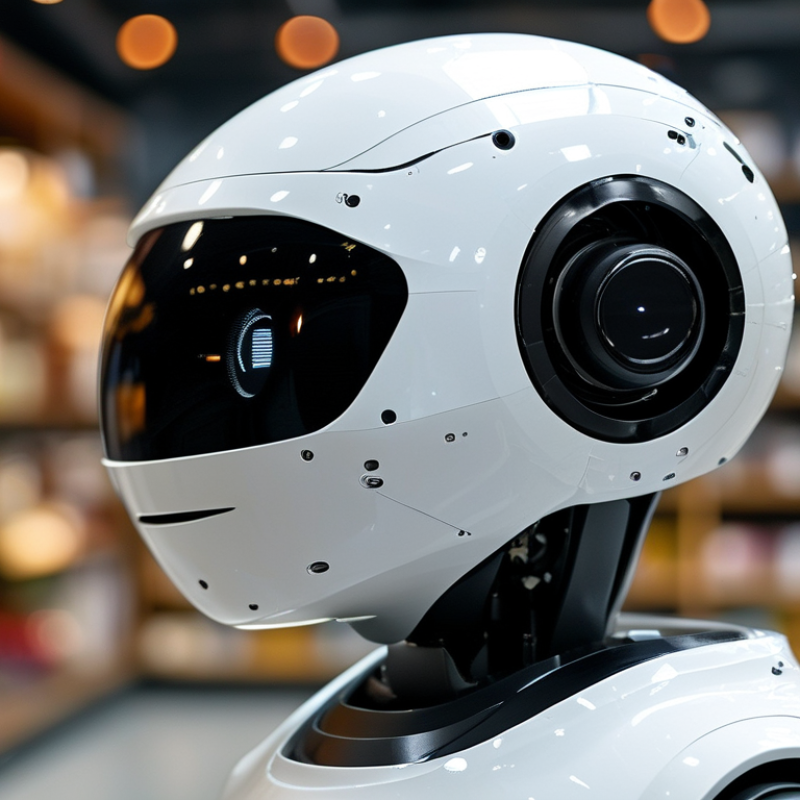
Overview of AI Talking Robots in China’s Wholesale Market
In recent years, AI talking robots have transformed China's wholesale market. These robots are designed to enhance customer engagement and streamline operations. A report from the China Academy of Information and Communications Technology indicates that the AI robot market is projected to grow significantly, with an expected CAGR of over 25% from 2023 to 2028.
Many businesses are adopting these innovations to improve service efficiency. AI talking robots can interact with customers in real-time, answering inquiries and providing information. Their presence reduces wait times and frees up human employees for more complex tasks. However, challenges remain, especially in ensuring the robots understand diverse regional dialects and cultural nuances.
The integration of AI talking robots raises questions about reliability and user trust. A survey by the China Internet Network Information Center revealed that 40% of users still prefer human interaction over automated responses. This highlights the need for continuous improvement in AI language processing and emotional intelligence. Addressing these shortcomings can lead to better acceptance and greater market penetration for AI talking robots in the wholesale sector.
Exploring China Wholesale AI Talking Robot Innovations and Trends
| Feature |
Description |
Market Demand (%) |
Price Range (USD) |
Main Application Areas |
| Voice Recognition |
Ability to understand and process natural language |
65% |
150 - 600 |
Customer Service, Education |
| Emotion Recognition |
Detecting user emotions through speech tone and facial expressions |
50% |
300 - 800 |
Healthcare, Entertainment |
| Multi-Language Support |
Ability to converse in various languages |
70% |
200 - 700 |
Tourism, Educational Facilities |
| Interactive Learning |
Engaging users through interactive storytelling and quizzes |
60% |
180 - 650 |
Educational Institutions, Home Learning |
| Robotic Companionship |
Providing companionship and support |
55% |
250 - 900 |
Elderly Care, Social Interaction |
Key Innovations in China’s AI Talking Robot Technology
China has emerged as a hub for AI talking robots. The rapid advancements in this field are noteworthy. These robots are not just technological marvels; they are becoming integral to daily life. Features like natural language processing and facial recognition are common. They enhance human-robot interaction significantly. Companies explore various applications, from education to customer service.
One key innovation is the emotional intelligence of these AI robots. They can recognize human emotions and respond appropriately. This capability makes them valuable in fields such as therapy and companionship. However, challenges remain. The understanding of context is still limited, which can lead to misunderstandings. Users often expect too much from these technologies.
Another trend is the customization of AI talking robots. Businesses can tailor these robots to meet specific needs. This adaptability could improve user satisfaction. Yet, concerns about privacy and data security emerge. How do we ensure that user information is protected? The landscape is evolving rapidly, prompting ongoing discussions about ethical implications.
Market Trends Influencing AI Talking Robots in Wholesale Distribution
The market for AI talking robots in wholesale distribution is expanding rapidly. According to a recent report by MarketsandMarkets, the AI robot market is projected to reach $12 billion by 2026. This growth is driven by increased automation and the need for efficient customer interaction in a fast-paced retail environment. Companies are recognizing the advantages of these innovations, particularly in reducing labor costs and enhancing customer experience.
One significant trend is the integration of AI technology with existing systems. For instance, robots equipped with natural language processing capabilities can interact with customers in real-time. This feature helps in answering queries instantly, improving overall service efficiency. However, innovation also brings challenges. Companies must address the balance between automation and human touch. Over-reliance on robots can lead to a cold customer experience, which is detrimental in retail.
Tips: When considering AI talking robots, evaluate the potential impact on your workforce. Training employees to work alongside robots ensures a smooth transition. Regularly assess the performance of these robots. Collect feedback from customers to ensure their needs are met. This can help in refining the technology while maintaining personal interaction. Balancing tech and human presence is key for success in wholesale distribution.
Applications of AI Talking Robots Across Different Industries
AI talking robots are rapidly transforming various industries in China. Their applications extend from retail to healthcare, significantly enhancing customer interaction and operational efficiency. A report from a leading market research firm indicates that the AI robotics market is projected to grow by 30% annually, showcasing robust demand for intelligent automation solutions.
In retail, AI talking robots assist customers with product inquiries. They provide personalized shopping experiences, boosting customer satisfaction. In healthcare, these robots support patient engagement and respond to basic medical queries. According to industry data, 45% of healthcare institutions plan to integrate AI solutions in the next three years. However, some challenges remain, such as data privacy concerns and the need for regulatory frameworks.
Tips: It’s crucial to balance technology with human interaction. Not every customer prefers talking to a robot. Always provide options for human assistance. Training and maintaining the data integrity of these robots also requires ongoing efforts. Regular updates can prevent misinformation, ensuring reliability and trust.
As these trends grow, industries must adapt. Businesses should consider user feedback on AI interactions. Learning from customer experiences can guide improvements. Ultimately, successful integration of AI talking robots relies on mindful implementation and continuous evaluation.
Applications of AI Talking Robots Across Different Industries
Challenges Faced by AI Talking Robot Manufacturers in China
The Ai Talking Robot market in China is growing rapidly, but manufacturers face several challenges. One major issue is the integration of advanced technology into affordable products. Many companies struggle to balance innovation with cost-effectiveness. This often results in robots that lack advanced features or reliability.
Moreover, there's a strong competition among domestic and international players. New entrants may lack the expertise needed for high-quality production. Existing manufacturers must continuously innovate to keep their products relevant. This creates pressure not only in terms of technology but also in understanding consumer demands.
Tips: To succeed, companies should invest in research and development. Collaborations with tech experts can bridge the knowledge gap. Focus groups can help gain insights into customer preferences. Continuous feedback loops can streamline updates and enhancements.
Maintaining quality control is critical for AI talking robots. Manufacturers may face difficulties in scaling production without compromising standards. Developing effective quality assurance processes can lead to more robust products. Emphasis on user experience is vital for ensuring customer satisfaction.
Future Prospects for AI Talking Robots in Wholesale Trade
The wholesale trade sector is rapidly evolving, thanks to AI talking robots. These robots can improve efficiency and customer engagement. Industry reports predict that the AI robotics market in wholesale could reach $25 billion by 2025, driven by increased demand for automation.
Mow Robot offer unique features for businesses. Customers can interact with these robots for information and support. This not only boosts customer satisfaction but also lightens the workload of human employees. However, there are challenges in integration, such as the need for ongoing maintenance and updates.
Tips: Ensure that your business has the infrastructure to support AI technology. Invest in training for your staff to work alongside Mow Robots. Address the potential skepticism from customers regarding AI interactions, as adapting to new technology can take time. AI talking robots should enhance, not replace, the human touch in customer service.
Comparative Analysis of Global AI Talking Robot Innovations
The rise of AI talking robots is a fascinating trend in technology. Across different regions, countries are developing unique approaches to this innovation. A comparative analysis reveals varied strategies that reflect distinct cultural and economic contexts. In China, a strong focus is placed on integrating AI into daily life. This includes not just communication but also practical applications like the Agv Robot in logistics.
While China's fast-paced development is impressive, many observers note potential pitfalls. The rapid evolution of these technologies sometimes overshadows ethical considerations. Issues such as data security and privacy are often neglected in the rush to commercialize. This stark reality raises questions about long-term implications for users and society.
In contrast, European countries emphasize regulations that prioritize user safety. The innovations here may be more deliberate and thoughtful. However, the pace of development may lag behind China's ambitions. Balancing innovation with caution seems to be a struggle for many regions. As global competition intensifies, these differences will shape the future landscape of AI talking robots.
The Emerging Role of China Family Care Companion Robots in Child Development: Insights from Industry Reports and Market Trends
The emergence of family care companion robots in China marks a significant shift in how technology interacts with child development. Recent industry reports indicate that the global market for educational robots is projected to reach unprecedented levels, driven by advancements in artificial intelligence and multimodal interaction. Specifically tailored for children aged 3 and up, these innovative robots are designed with the core philosophy of Growth Companion & Enlightenment, reflecting an understanding of early childhood developmental needs.
One standout feature of these robots is their ability to track growth and foster academic engagement. Leveraging advanced perception technologies, they can interact dynamically with children, employing role-playing games that stimulate creativity and learning. They also assist in habit formation, creating a structured yet fun environment for children to thrive. This multifaceted approach is essential, as studies show that early interactions with technology can significantly influence cognitive and social skills development.
Moreover, these robots serve not only as companions for children but also as valuable tools for parents, enhancing their ability to engage in efficient smart parenting. As families increasingly seek solutions that support educational growth while balancing busy lifestyles, the role of these robots becomes even more critical. By integrating innovative features that align with modern parenting needs, these family care companion robots present an exciting opportunity for the healthy development of the next generation.
FAQS
They provide personalized shopping experiences and respond to customer inquiries, boosting satisfaction.
Challenges include data privacy concerns and the need for regulatory frameworks.
Regular updates and maintenance are crucial to prevent misinformation and ensure trust.
No, not every customer prefers robots; it’s essential to offer human assistance options.
Collect user feedback and learn from customer experiences to guide enhancements.
Staff training is vital for successful collaboration and to address potential customer skepticism.
The market is expected to grow by 30% annually, driven by rising demand for automation.
They engage patients and answer basic medical queries, enhancing patient interaction.
Technology must enhance human interaction, not replace it, for optimal customer service.
Conclusion
The article "Exploring China Wholesale Ai Talking Robot Innovations and Trends" delves into the evolving landscape of AI Talking Robots in China’s wholesale market. It provides an overview of the current state of these innovative technologies and highlights key advancements that are shaping their development. The discussion includes market trends that impact the distribution of AI Talking Robots, as well as various applications across industries such as retail, hospitality, and healthcare.
Additionally, the article addresses challenges faced by manufacturers in this burgeoning field, including technological limitations and market competition. Looking ahead, it offers insights into the future prospects of AI Talking Robots in wholesale trade, emphasizing their potential to enhance efficiency and communication. A comparative analysis of global innovations also underscores China’s role as a significant player in the AI Talking Robot sector.