Hey, have you noticed how much the logistics world has changed recently? One of the biggest game-changers has definitely been the rise of Robot Forklifts. These things are pretty awesome — they’re really transforming how supply chains operate, making everything way more efficient and precise. Companies like JBT Corporation and KION Group are really leading the way, using these robots all over the place in warehouses around the globe.
What’s cool about Robot Forklifts is that they cut down on human error and boost productivity big time. They’re super nimble in tight spots and can handle heavy loads without getting tired — perfect for fast-paced warehouses. But, of course, it’s not all smooth sailing. The upfront costs to get these robots up and running can be pretty steep, and it’s also essential to train folks properly so they can work alongside these machines effectively. As more companies bring Robot Forklifts into the fold, they’ve gotta tackle these hurdles to make the switch as seamless as possible.
And it’s not just about doing things faster and better. These robots have built-in features that let them gather and analyze data in real time, which is a huge help for making smarter decisions about inventory and operations. The logistics scene is definitely changing, and staying ahead of the curve means embracing this kind of tech. Honestly, in today’s market, using Robot Forklifts isn’t really optional anymore — it’s essential if you want to keep up and stay competitive.
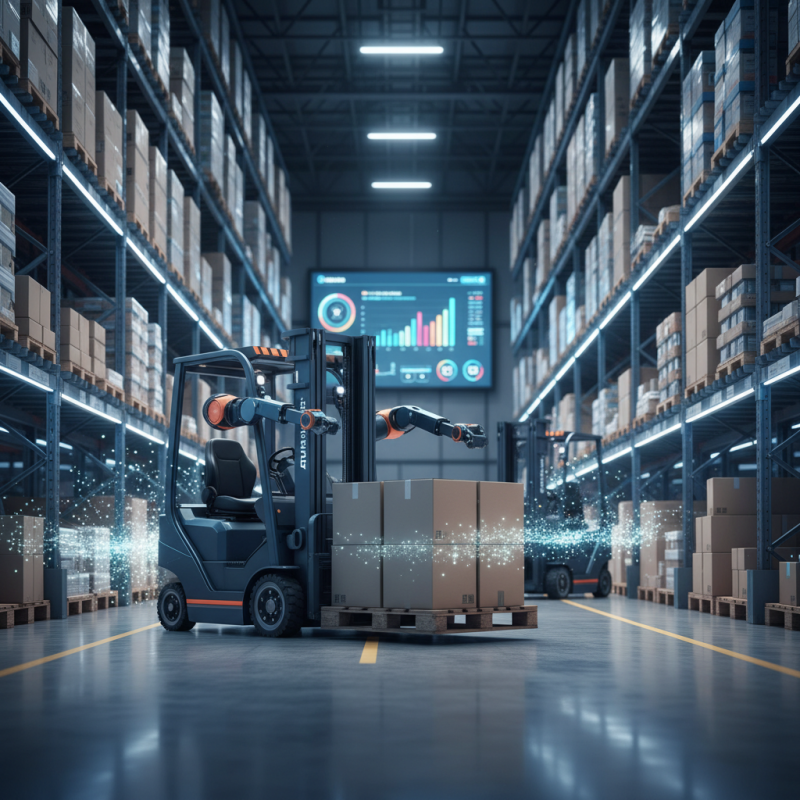
What is a Robot Forklift?
Robot forklifts are an innovative solution transforming logistics. These automated machines handle heavy loads more efficiently than traditional forklifts. They navigate through warehouses, optimizing space and improving workflow. The sensors and cameras on these forklifts allow them to interact with their environment safely. Operators can monitor their performance remotely, enhancing oversight.
Unlike human workers, robot forklifts can operate continuously. They do not require breaks, making them more productive in busy environments. However, reliability is a key consideration. Maintenance is crucial to ensure they function effectively. Regular checks can prevent mishaps and errors. Investing in training for staff to work alongside these robots can improve operations. Exposure to technology is vital, as it may pose challenges for some employees.
Adaptation is crucial in this evolving landscape. Some facilities may struggle to integrate these systems. The initial cost of installation can be daunting. However, the long-term benefits often outweigh upfront investments. Monitoring performance and optimizing usage is essential. Challenges remain, but the potential for efficiency is significant. Continued reflection on processes can lead to better outcomes.
Overview of China’s Wholesale Robot Forklift Market
China's wholesale robot forklift market is rapidly evolving, driven by the need for
efficiency and automation in logistics.
According to industry reports, the market is projected to reach USD 4.5 billion by 2025,
expanding at a compound annual growth rate (CAGR) of 20%. The growing demand for automation in warehouses is
a significant driver behind this trend.
Forklift Agv
systems are at the forefront of this transformation, replacing manual forklifts and improving operational efficiency.
Innovation is a key feature of this market. Advanced sensors and AI algorithms allow these forklifts to navigate
complex environments with minimal human intervention. However, there are challenges. Many companies struggle to
integrate these automated systems into existing workflows. Training staff and managing maintenance can be complex
and resource-intensive. Additionally, some companies experience downtime during the transition phase, revealing
a need for careful planning.
Despite these hurdles, the benefits of adopting robot forklifts are clear. They can operate 24/7,
reducing labor costs significantly. Furthermore, they
improve safety by minimizing human error and accidents. Reports indicate a 30% reduction
in operational costs for logistics companies that implement Forklift AGV solutions. As businesses look to enhance their
supply chains, the wholesale robot forklift market in China is poised for
sustained growth, reflecting a shift towards smarter,
more automated operations.
Key Features of Robot Forklifts in Logistics
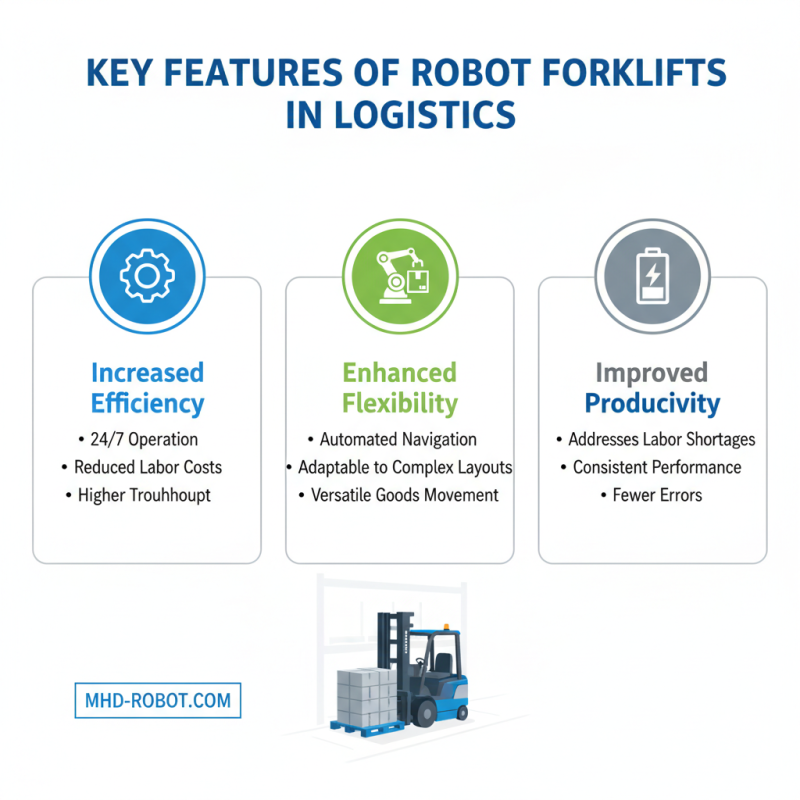
Robot forklifts are revolutionizing logistics by offering remarkable efficiency and flexibility. These Unmanned Forklifts can work tirelessly, operating around the clock without breaks. This capability addresses labor shortages and enhances productivity in warehouses. Their ability to navigate complex environments makes them a versatile solution for moving goods.
Key features of robot forklifts include advanced sensors and AI-driven navigation. These elements enable precise movement and obstacle avoidance, reducing the risk of accidents. Their design allows for seamless integration into existing warehouse systems. However, implementing these systems requires significant upfront investment and staff training. Companies often struggle with the transition period, as employees may resist new technology.
Moreover, robot forklifts contribute to cost savings over time. They reduce human error and streamline operations. Yet, businesses must still evaluate how to balance automation with the human touch. There’s a gap in trust, as some fear machines may replace jobs. This feedback highlights the importance of transparency during implementation. Understanding the nuances of automation will help logistics companies adapt and thrive in a fast-evolving market.
Benefits of Implementing Robot Forklifts in Warehousing
The implementation of robot forklifts in logistics has shown remarkable benefits for warehousing operations. A study from Logistics Management revealed that Automated Forklifts can enhance operational efficiency by up to 30%. These machines are particularly adept at handling repetitive tasks, such as picking and stacking goods. Their precision and speed significantly reduce labor costs, often decreasing the need for human oversight.
Moreover, robot forklifts contribute to improved safety in warehouses. According to the National Institute for Occupational Safety and Health, work-related injuries often stem from manual lifting and repetitive strain. By using an automated forklift, organizations can minimize such risks, protecting their workforce. However, transitioning to robotics requires proper training and integration. Companies sometimes underestimate the time needed to adapt to this technology. Potential disruptions during the implementation phase can lead to temporary inefficiencies.
Despite the initial investment cost, the ROI in a few years becomes clear. Reports suggest that businesses can recoup costs within 2 to 4 years. Efficiency improvements and increased throughput translate into higher profits. However, organizations must continuously assess performance data and adapt strategies accordingly. The reliance on automated forklifts can lead to overconfidence. Regular evaluations are essential to ensure that technology meets evolving business needs.
Impact of Robot Forklifts on Labor Costs and Efficiency
The rise of robot forklifts in China showcases a new era for logistics. These machines are redefining efficiency within warehouses. They operate with precision, which streamlines the handling of goods. Labor costs significantly decrease as fewer workers are needed for repetitive tasks. This technology enables companies to allocate their workforce to more complex roles.
Implementing robot forklifts does come with challenges. Workers may feel displaced and fear job losses. Organizations should focus on upskilling their employees. Emphasizing training programs can help workers adapt to new technologies. Communication is key in easing concerns. Providing clear information about the changes can foster a more cooperative environment.
Tips: Consider integrating robot forklifts gradually. Monitor their impact on your workforce and productivity levels. Solicit feedback from employees on their experiences with the new technology. This can guide necessary adjustments and build a positive workplace atmosphere.
Impact of Robot Forklifts on Labor Costs and Efficiency
Challenges and Limitations in Adopting Robot Forklifts
The adoption of robot forklifts in logistics presents significant challenges. One major hurdle is the initial investment cost. Many companies hesitate to allocate funds for new technology without guaranteed ROI. This reluctance can slow down the integration of these advanced systems, despite their potential.
Training staff to operate robot forklifts adds another layer of complexity. Employees may feel uncertain or intimidated by this new technology. Without proper training, safety risks can rise. Companies must invest time and resources to ensure their workforce is equipped to handle these machines.
Furthermore, unforeseen technical issues can arise. Robot forklifts require regular maintenance and software updates. Delays in these services can cripple warehouse operations. Logistics managers must develop contingency plans to address potential downtime. This level of preparedness is essential for smooth transitions when adopting robotic systems. Each of these factors highlights the complexity of integrating new technology within established logistics frameworks.
Future Trends in Robot Forklift Technology and Logistics
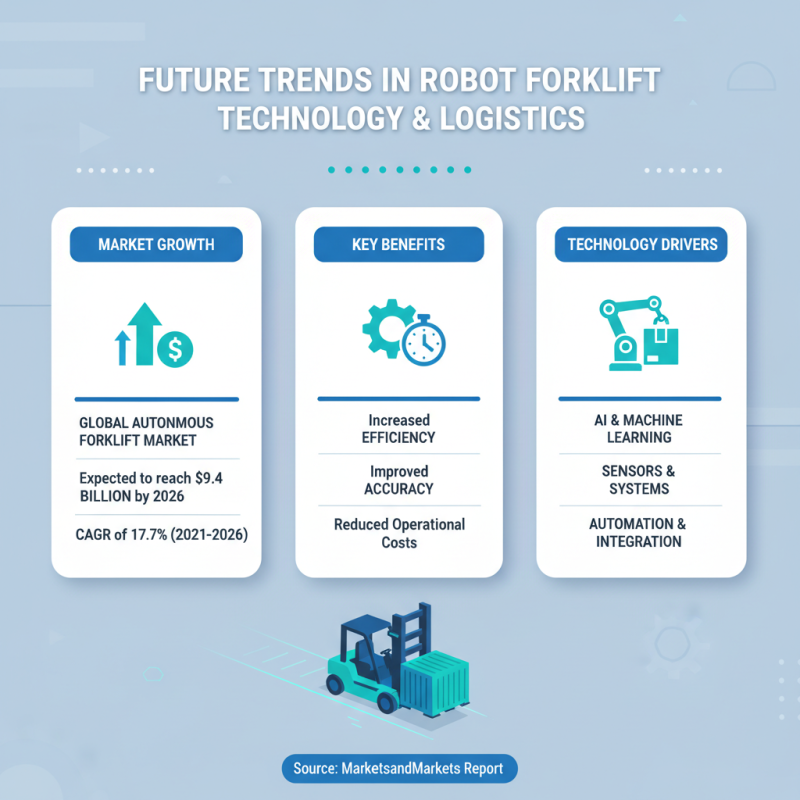
The logistics industry is experiencing a significant transformation due to advancements in robot forklift technology. According to a report by MarketsandMarkets, the global market for autonomous forklifts is expected to reach $9.4 billion by 2026, growing at a compound annual growth rate (CAGR) of 17.7%. This growth highlights the increasing efficiency and accuracy that these machines bring to warehouses.
Robot forklifts enhance productivity by optimizing inventory management. They use advanced AI and machine learning algorithms to navigate warehouses seamlessly. This leads to fewer human errors and faster operations. However, there are challenges. Integration into existing systems can be complex and may require significant upfront investment.
**Tip:** Start with small-scale pilots to test robot forklift integration. Assess compatibility with current logistics processes.
Future trends show robots will increasingly cooperate with human workers. As technology improves, we anticipate more collaborative robots, or cobots, in logistics. These machines will assist in heavy lifting while ensuring safety and efficiency. Yet, the industry must address workforce training and safety regulations to maximize the benefits of this technology.
**Tip:** Focus on training programs for staff to interact safely with Mow Robot systems. Engaging employees will enhance acceptance and efficiency.
With these advancements, logistics stands on the brink of a new era. Embracing these changes requires careful planning and strategic implementation.
Innovative Automation: Leveraging Multi-Functional Intelligent Service Robots to Optimize Industry 4.0 Efficiency and Reduce Costs
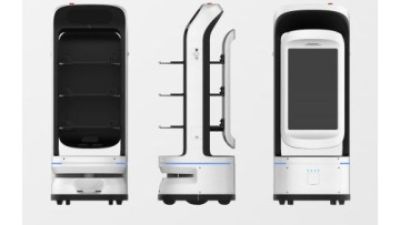
As industries transition toward Industry 4.0, the integration of multi-functional intelligent service robots is proving to be a game-changer for optimizing efficiency and reducing operational costs. The latest advancements in robotics technology, such as universal chassis systems, are designed to perform exceptionally in dynamic environments. These robots are adept at overcoming challenges like crossing thresholds and navigating complex pathways, which significantly enhances their applicability across various sectors, including logistics, hospitality, and healthcare.
According to industry reports, the global service robotics market is expected to grow at a compound annual growth rate (CAGR) of over 20% between 2021 and 2027, driven by innovations in automation and the increasing need for improved operational efficiency. Our cutting-edge robots come equipped with sophisticated sensor technology that collects critical data, such as environmental conditions and service metrics. This data becomes invaluable for businesses looking to optimize their operations through big data analytics, ultimately leading to cost reductions and enhanced service delivery.
Furthermore, the robots feature a powerful 35Ah battery, allowing for up to 15 hours of uninterrupted operation. This extended operational capability ensures that tasks such as food delivery and maintenance services can be performed continuously, thus maximizing productivity without downtime. As industries embrace these intelligent solutions, the potential for enhanced efficiency and reduced costs becomes more tangible, heralding a new era of automated service delivery and operational excellence.
FAQS
: Robot forklifts are automated machines designed to handle heavy loads in logistics.
They navigate warehouses, optimizing space and streamlining workflow without the need for breaks.
They reduce work-related injuries from manual lifting, protecting the workforce from strain.
Yes, companies may face integration difficulties and must adapt to this new technology.
Absolutely. Proper training helps staff adapt and work effectively alongside automated systems.
Businesses often recoup initial costs within 2 to 4 years through improved efficiency.
Yes, regular maintenance is vital for effective operation and avoiding errors.
Yes, reliance on technology may create overconfidence, making regular evaluations important.
Some facilities struggle with implementation timing, which can cause temporary inefficiencies.
Adaptation is essential. Exposure to new technology may pose challenges for some workers.
Conclusion
The article examines the transformative role of Robot Forklifts in the logistics industry, particularly focusing on China's wholesale market. A Robot Forklift is an advanced automated solution designed to enhance material handling efficiency in warehouses. The growth of this technology in China reflects a broader trend towards automation in logistics, driven by the need for greater efficiency and cost reduction.
Robot Forklifts boast key features such as enhanced precision, scalability, and the ability to work in various environments, leading to significant benefits in warehousing operations. They help lower labor costs while increasing productivity and operational efficiency. However, challenges such as initial investment costs and the need for skilled personnel to manage robotic systems may hinder widespread adoption. Looking forward, advancements in Robot Forklift technology promise to further revolutionize logistics, making it an essential component of modern supply chain management.