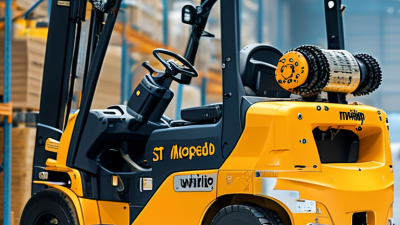
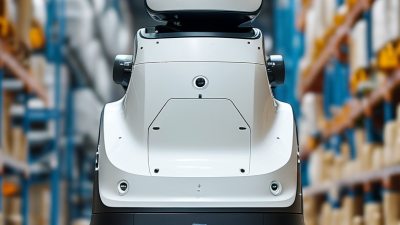
Picking the right Automated Forklift for your business is pretty important. Industry folks like John Smith from LiftTech Solutions often remind us, “Not every Automated Forklift fits all needs.” His point hits home—it's crucial to really think about what your specific requirements are before jumping into a purchase.
Automated Forklifts come in all sorts of models, each with its own features and capabilities. So, you’ve gotta evaluate what your operation really needs. Are you after high speed? Heavy lifting power? Or maybe precise navigation? Figuring out these details will really help you narrow down your options.
That said, not every forklift is perfect. Some might have limitations that could affect how smoothly things run. It's a good idea to weigh the pros and cons and get some input from others who've used similar equipment. Making an informed choice means picking a forklift that actually fits your business goals—and helps you get things done without surprises.
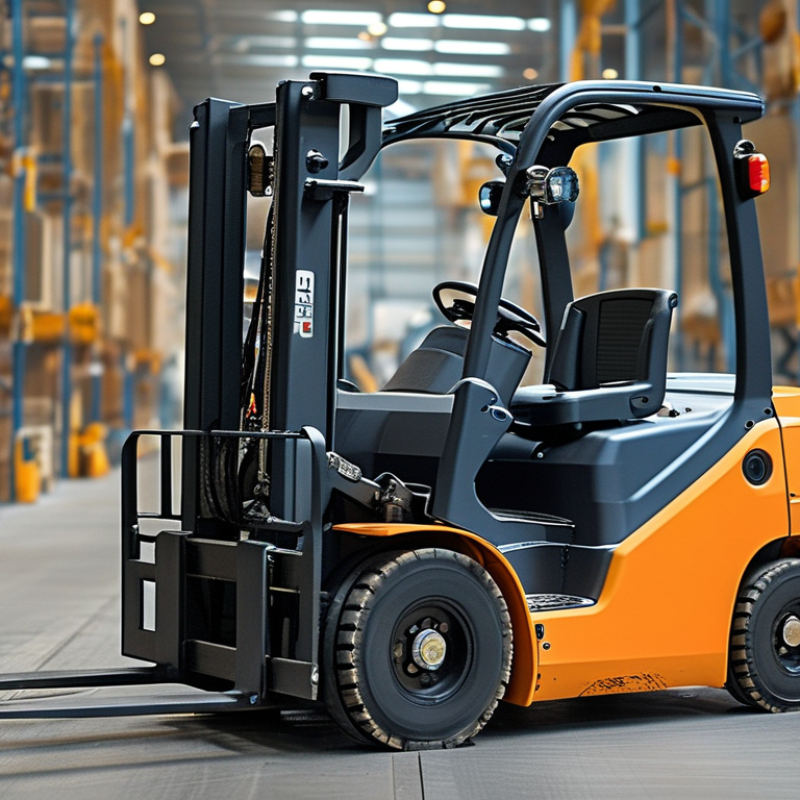
Understanding the Different Types of Automated Forklifts Available
Understanding the different types of automated forklifts is crucial for optimizing warehouse operations. There are several categories, each designed for specific tasks. For instance, guided automated forklifts follow predefined paths, making them ideal for repetitive transport tasks. Data from the Association for Advancing Automation indicates that these forklifts can improve efficiency by up to 30%.
On the other hand, autonomous mobile robots (AMRs) possess advanced sensors and algorithms. They can navigate complex environments without fixed paths. According to a report by MarketsandMarkets, the AMR market is projected to reach $10 billion by 2025, indicating a significant shift towards these flexible solutions. However, businesses must evaluate their facilities before implementation. The complexity of some operation areas may hinder AMRs' effectiveness.
Additionally, hybrid models combine features of both guided and autonomous forklifts. They offer versatility but require careful planning to maximize their potential. An estimated 25% of companies currently face challenges in integrating automation seamlessly. This reveals the need for thoughtful implementation strategies that take into account unique operational requirements.
Types of Automated Forklifts and Their Popularity
Assessing Your Business Needs for Automated Forklift Solutions
Assessing your business needs is crucial when selecting an Automated Forklift Robot. Start by analyzing your operational requirements. Look at the types of goods you handle. Are they bulky or lightweight? Evaluate the dimensions of your warehouse. A compact space might require specialized models designed for tight maneuvering. Consider the volume of goods you've been processing. Higher volumes may need more robust systems, while lower volumes might benefit from more straightforward alternatives.
Next, think about the flexibility required. An Automated Forklift Robot should adapt to varying tasks. Can it switch between different loads quickly? What about seasonal fluctuations in demand? Don't overlook the need for safety features. You want a system that enhances productivity without compromising employee safety. It’s beneficial to consult industry experts. Their insights can guide you in identifying the most fitting solutions for your needs.
Budgeting plays a significant role in your decision. You might face challenges in balancing cost with capability. Sometimes, opting for the cheapest solution may lead to greater long-term expenses due to maintenance and inefficiency. Test different models before making a purchase to gauge performance. Real-world usage often reveals strengths and weaknesses not visible in product specifications. Reflecting on these aspects will tailor your choice, ensuring the Automated Forklift Robot aligns with your business vision.
Evaluating the Key Features of Automated Forklifts
When evaluating the key features of automated forklifts, start by examining their lifting capacity. The right choice depends on the weight requirements of your operations. If your inventory is heavy, you’ll need a robust model. Consider the height and reach as well. Automated Forklift Trucks come in various designs. Some excel in narrow aisles, while others are better for larger spaces. Assess your warehouse layout to find a suitable match.
Another critical aspect is navigation technology. Many Automated Forklift Trucks use laser guidance or RFID systems. These technologies improve efficiency but may not work perfectly in all environments. It’s essential to ensure that the models you consider can adapt to your settings. Test their responsiveness and ease of use. Advanced systems can be complex, leading to potential training challenges.
Battery life and charging efficiency also affect performance. Long shifts require reliable energy sources. Evaluate battery types and their replacement frequency. Automated Forklift Trucks vary in maintenance needs too. Understanding the upkeep required can help in making a long-term decision. Balancing these elements will lead you closer to the best choice for your business.
Comparing Costs and ROI of Automated Forklift Investments
Investing in Automated Guided Forklifts (AGFs) can significantly impact your business's efficiency and profitability. According to the latest industry report from the Association for Advancing Automation, companies often see a 20-30% increase in productivity after integrating AGFs. However, the initial investment can be daunting. Costs for AGFs can range from $50,000 to over $150,000, depending on the model and technology. It is crucial to evaluate your current warehouse operations and projected growth before making this decision.
When analyzing the return on investment (ROI), factor in the operational cost savings. AGFs can reduce labor costs by automating repetitive tasks. Research shows businesses report an average ROI within 18 to 24 months of deployment. Consider the potential for reduced workplace injuries, which can lower insurance premiums and improve employee morale. However, not every facility may benefit equally from AGFs. Facilities with complex layouts and high variability may face challenges.
Evaluating the right AGF for your needs requires careful consideration. Reassess your operational workflows and identify specific areas for enhancement. Be open to adjustments in technology and processes. AGFs require maintenance and updating, and costs can accumulate. Ensure your investment aligns with long-term operational goals and be prepared for a learning curve.
Researching Leading Automated Forklift Manufacturers and Brands
When researching leading manufacturers of Automated Guided Vehicle Forklifts, start by considering their industry reputation. Look for companies that have established themselves as reliable players in the automated logistics sector. Their track record can reveal their commitment to quality and safety. Reviews from current users may highlight issues not immediately visible in marketing materials. Keep an eye out for common problems that operators face after installation.
Examine the various features they offer. Some Automated Guided Vehicle Forklifts come with advanced navigation systems, increasing their efficiency. However, others may lack necessary stability or speed. Assess the technology used. Some manufacturers might rely on outdated systems, which could lead to higher maintenance costs. This aspect often goes unnoticed until after the purchase.
Price is always a factor. However, the cheapest option doesn't always serve long-term interests. A poorly functioning forklift could cost more down the line. Explore warranty options as well. Manufacturers willing to stand behind their products often offer stronger support. Evaluating these elements can make the decision process less daunting and ultimately more informed.
Examining Safety Standards and Compliance for Automated Forklifts
When selecting an automated forklift, safety standards are paramount. According to a 2022 report from the Industrial Truck Association, accidents involving forklifts can lead to significant injuries or fatalities. Ensuring compliance with safety regulations can reduce these risks dramatically. Automated forklifts should meet ANSI/ITSDF B56.5 standards, which govern safety requirements. These standards include features like automatic braking systems and obstacle detection.
Understanding the compliance requirements is crucial. Automated forklifts must undergo rigorous testing. The results must prove they can operate without posing risks to operators or other workers. Safety compliance not only protects employees but also can enhance productivity. A study from the National Safety Council indicates companies with safer operations see a 20% increase in efficiency.
Moreover, businesses should factor in the ergonomic aspects of automated forklifts. Even with advanced technology, operator fatigue can occur. Features that minimize physical strain are essential. Some models include adjustable controls and better visibility. Choosing the right forklift involves evaluating how these safety features align with your specific operational needs. There are no one-size-fits-all solutions, and organizations should reflect on the unique challenges they face in their environments.
Reviewing Maintenance and Support Options for Automated Forklifts
When selecting an automated forklift, maintenance and support options are crucial. Regular maintenance ensures longevity and reduces downtime. According to a report by the Material Handling Industry, downtime can cost a business up to $260,000 annually. Automated forklifts require specialized care. Understanding the level of support available can make a difference.
Many companies offer tiered service levels. Basic support might include troubleshooting via phone or chat. Higher tiers could provide on-site assistance. The average response time for on-site support is often around 24 hours. However, some companies struggle to meet these expectations. Ensure you evaluate response times and support effectiveness before making a decision.
Investing in training for maintenance staff is essential. Not all teams are equipped to handle automated systems. Engaging with experts during the implementation phase can help bridge this gap. Without proper training, unexpected issues can arise. These delays further affect productivity. When choosing your automated forklift, critical evaluation of maintenance and support options will facilitate smoother operations and safeguard your investment.
Exploring the Advantages of Autonomous Heavy-Duty Forklifts: Top Chinese Suppliers and Efficient Material Handling Solutions
The advent of autonomous heavy-duty forklifts is revolutionizing material handling in modern industrial and warehouse environments. These next-generation intelligent handling forklifts are expertly designed to enhance logistical efficiency, combining advanced robotics with sophisticated AI algorithms. This fusion ensures that the forklifts operate with remarkable precision, safety, and reliability, making them indispensable tools in high-density warehouses and production lines.
With a payload capacity of up to 2 tons and a slender body width of just 960mm, these forklifts excel in navigating narrow aisles and confined spaces, a common challenge in bustling warehouses. Their compact design does not undermine their performance; rather, it allows for flexibility and adaptability in diverse operational settings. Sourced from reputable suppliers in China, these forklifts are manufactured using cutting-edge technology in state-of-the-art facilities, ensuring they meet the highest standards of quality and performance in material handling solutions.
The implementation of these autonomous forklifts significantly streamlines workflows, reduces labor costs, and minimizes the potential for human error, thereby enhancing overall productivity. As businesses continuously seek innovative ways to optimize their logistics, investing in such intelligent handling solutions becomes essential for maintaining a competitive edge in today’s fast-paced market.
FAQS
: Guided automated forklifts are ideal for repetitive transport tasks. They follow predefined paths to improve efficiency.
AMRs navigate without fixed paths using sensors and algorithms. They adapt to complex environments effectively.
Evaluate the complexity of operation areas. Some environments may hinder AMRs' effectiveness, limiting their potential.
Hybrid models combine guided and autonomous features. They provide versatility but require careful planning for success.
Assess the types of goods, warehouse dimensions, and processing volumes. These factors shape the best forklift choice.
Safety compliance is crucial. Forklifts must meet standards to reduce the risks of accidents and injuries on-site.
Features like adjustable controls and improved visibility help reduce operator fatigue. They enhance overall comfort during use.
Balancing cost and capability is challenging. Cheaper options may lead to higher maintenance expenses long-term.
Experts offer valuable insights, helping tailor forklift choices to specific business needs and operational challenges.
Conclusion
Choosing the best automated forklift for your business involves understanding the various types available and assessing your specific needs. It’s essential to evaluate the key features that automated forklifts offer, such as load capacity, navigation technology, and battery life. Additionally, comparing costs and potential ROI can help determine the financial impact of integrating automated solutions into your operations.
Researching leading manufacturers and examining safety standards are crucial steps to ensure compliance and reliability. Finally, reviewing maintenance and support options is vital for the long-term efficiency of your automated forklift investment. By carefully considering these factors, you can make an informed decision that aligns with your business objectives and enhances your operational efficiency.