Picking out the right Auto Guided Vehicle (or AGV) for your business can honestly feel a bit daunting. There are so many options out there, with different models and features, it can get kinda overwhelming. That’s why understanding what you really need is super important. An AGV can do a lot—like streamlining your operations, cutting down on labor costs, and boosting overall efficiency.
Think about the types of materials you handle daily. Different AGVs are built for different tasks—so, do you need something to haul heavy loads, or maybe something for sorting and organizing products? Making a quick list of your specific needs can be a game changer. It might also help to chat with experts from companies like Kiva Systems or Toyota Industries—they can offer some solid advice based on their experience.
A quick heads-up: not all AGVs are created equal. Some might look really tempting but could lack reliability once you get them up and running. It’s a good idea to check out their track records, read case studies, and customer reviews to see how they perform in real-world situations. Thinking back on what’s worked and what didn’t in past projects can also give you a real edge. The right AGV can seriously make or break your operations, so take your time and weigh all your options before making a final call.
Understanding Auto Guided Vehicles and Their Applications
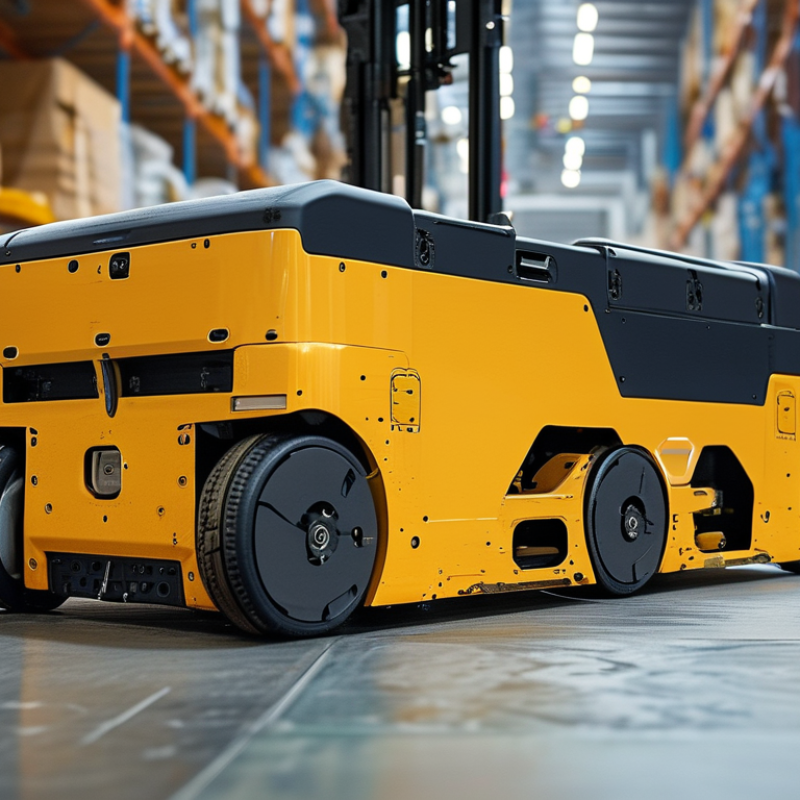
Auto Guided Vehicles (AGVs) revolutionize material handling. They are programmed to transport goods in various settings, from warehouses to manufacturing plants. These vehicles navigate autonomously, often using lasers or magnetic strips for guidance. Their design can vary significantly, catering to different environments and tasks.
In manufacturing, AGVs assist in streamlining production processes. They can deliver raw materials to assembly lines, reducing downtime. In warehouses, these vehicles help in inventory management, moving products from storage to shipping areas efficiently. Despite their advantages, businesses must consider their specific needs. An AGV suitable for one operation may not suit another.
Choosing the right AGV is not as straightforward as it seems. Each business has unique workflows and space considerations. Reflecting on existing operational pain points can help identify the best solutions. It's crucial to assess the integration process as well. Sometimes, the technology may have limitations. Understanding these aspects allows for a more informed decision.
Evaluating Your Business Needs and Workflow Requirements
Evaluating your business needs for an
Autonomous Guided Vehicle
(AGV) starts with understanding your workflow. Identify specific tasks that require automation. For instance, a
manufacturing facility may benefit from AGVs for
material handling.
Statistics show that facilities integrating AGVs can improve efficiency by up to 30%. However, this depends greatly on the type of workflow.
Consider the layout of your workspace. An AGV needs clear pathways to operate effectively. Sometimes, organizations overlook this and face setbacks.
A study indicated that 25% of businesses reported workflow disruptions after AGV implementation due to poor route planning.
Analyze your floor space and existing equipment to ensure compatibility with autonomous systems.
Evaluate the types of goods needing transport. Heavy items may require different AGV specifications than lighter ones.
Research shows that tailored AGV solutions can increase productivity by 15% in logistics. Nonetheless, there is a risk if the specifications do not match the operational demands.
Regularly reassessing your workflow can highlight evolving needs and required adjustments. Understanding these facets is crucial for a successful AGV integration.
Identifying Different Types of Auto Guided Vehicles Available
When selecting the right Auto Guided Vehicle (AGV) for your business, understanding the types available is essential. There are various AGVs designed for different functions. Some are automated forklifts, while others can transport materials across a facility. Understanding these differences helps tailor solutions to your operational needs.
Electric AGVs are efficient for indoor use. They navigate through predetermined paths using sensors and software. These vehicles are ideal for warehouses or manufacturing plants. In contrast, laser-guided AGVs utilize laser scanners to map surroundings. They offer flexibility but may require a more complex setup.
Tips: Assess your space before choosing. Consider vehicle size and load capacity. Explore options like tugger AGVs for transporting heavy loads. Also, think about battery life and charging needs. Make sure to evaluate maintenance costs. Regular servicing is key to efficient operations. Reflect on your long-term needs as well; flexibility could save money down the line.
Assessing Load Capacity and Size Considerations
When selecting an auto guided vehicle (AGV) for your business, assessing load capacity and size is crucial. Understanding the weights and dimensions of the goods you need to transport will dictate the type of AGV that fits best. Each vehicle comes with specific load limits, usually indicated by the manufacturer. Make sure to analyze your operations' demands carefully. A vehicle that can’t support your load may lead to failed deliveries and increased downtime.
Size is another vital factor. Look at the space within your facility. An AGV that is too large may struggle to navigate tight corners or narrow aisles. Conversely, a smaller vehicle might not carry enough load. Evaluate the layout of your workspace. Are there obstacles that could hinder movement? Identifying these elements will help you avoid operational inefficiencies. Consider the need for expansion as your business grows. Ultimately, the right balance of load capacity and size can enhance productivity and reduce errors in logistics.
Exploring Technology and Navigation Systems in AGVs
When selecting an Auto Guided Vehicle (AGV) for your business, navigating through technology and various systems can be daunting. A recent study by the Logistics Management Association highlighted that 75% of companies are adopting AGVs to enhance productivity. Understanding the navigation systems in AGVs is crucial. Common types include laser-based, magnetic, and vision-guided systems. Each offers distinct advantages in terms of precision and flexibility.
Laser-guided AGVs use advanced sensors to navigate and can adjust their paths in dynamic environments. This flexibility can significantly reduce downtime. Magnetic AGVs, on the other hand, rely on predefined paths and can be less adaptable. However, they are generally more reliable for repetitive tasks. Vision-guided systems incorporate cameras and artificial intelligence, making them suitable for complex warehouse layouts. Their ability to learn and adapt is becoming increasingly appealing.
Tip: Consider pilots with different AGV technologies before making a full commitment to one system. It's essential to assess how each Agv Automated Guided Vehicle fits into your current workflows. Another point of reflection is the importance of regular software updates for your AGVs. These updates ensure that the navigation systems maintain optimal performance in ever-changing operational landscapes. Always benchmark against industry standards to stay competitive.
Evaluating Safety Features and Operational Efficiency
When selecting an auto guided vehicle (AGV), evaluating safety features is paramount. A report from the Material Handling Industry highlights that nearly 30% of workplace accidents involve vehicles. Prioritizing safety can prevent costly incidents. Look for AGVs equipped with advanced safety sensors. These systems help detect obstacles in real-time, reducing potential collisions.
Operational efficiency is another critical factor. According to a study from the Association for Advancing Automation, businesses can achieve a 15-30% increase in productivity by using AGVs. Efficient routing software can optimize paths, minimizing travel time. However, some AGVs struggle with complex environments. Test the vehicle’s navigation in your specific setting before committing.
Budget considerations also play a role. A cost-benefit analysis should include safety and efficiency metrics. An AGV may have a higher initial cost but can lead to long-term savings. Evaluating maintenance schedules and technical support is essential. Flaws in these areas can lead to operational downtime. Regular assessments ensure the vehicle meets evolving needs while maintaining quality and reliability.
Budgeting and Cost Considerations for AGV Implementation
When considering the implementation of an
Automated Guided Vehicle Forklift,
budgeting is critical. It's not just about the initial purchase.
Ongoing maintenance costs, software licenses, and training for staff must be factored in.
This comprehensive approach helps avoid unexpected expenses down the line.
Tips: Look for hidden costs. Sometimes, vendors do not disclose full pricing upfront.
Always request a detailed quote, breaking down all charges, including potential upgrades or modifications.
The upfront investment in an Automated Guided Vehicle Forklift can be substantial.
However, assessing your return on investment (ROI) is vital.
Calculate how much labor you can save or how much production efficiency can increase.
This analysis can help justify the expenses to stakeholders.
Tips: Engage with finance teams early in the process.
Their insights can pinpoint financial strengths and weaknesses that may influence your budgeting.
Don't rush when making a decision. Take time to compare different options.
Each solution may have unique advantages and limitations.
Weighing these factors can lead to a more informed choice.
Revolutionizing Urban Cleanliness: The AI-Powered Intelligent Street Sweeper from China's Leading Electric Vehicle Manufacturers
Urban cleanliness is a pressing concern as cities expand and populations grow. The AI-powered intelligent street sweeper represents a groundbreaking solution designed to tackle this challenge effectively. This autonomous electric sanitation vehicle is engineered with state-of-the-art technology that enhances waste management capabilities, ensuring that urban environments remain pristine. It not only features advanced sweeping and vacuuming systems but also integrates innovative sewage recycling technology, making it an environmentally friendly option for cities striving for sustainability.
The intelligent street sweeper operates with exceptional precision, capable of performing centimeter-level edge cleaning and adapting to various cleaning modes. This flexibility allows it to operate seamlessly within different urban settings, from bustling commercial districts to serene public parks. Its high-level self-dumping capabilities and intelligent waste inspection routines ensure that sanitation processes are both efficient and thorough. As cities look to modernize their cleaning infrastructure, this highly efficient street sweeper stands out as a reliable solution, fostering cleanliness and hygiene in essential public spaces.
Manufactured with advanced engineering techniques, these vehicles are built to withstand the rigors of urban environments while providing top-quality performance. As cities invest in smarter sanitation technology, the AI-powered intelligent street sweeper is not just a vehicle; it is a transformative tool that enhances the quality of urban life.
FAQS
uto Guided Vehicles (AGVs)?
They navigate autonomously using lasers or magnetic strips for guidance, allowing efficient material transport.
AGVs streamline production by delivering raw materials to assembly lines, which reduces downtime.
Businesses need to consider their specific workflows, space, and existing operational pain points before selecting an AGV.
Each vehicle has a load capacity limit. Using an inadequate vehicle can lead to failed deliveries and increased downtime.
An AGV that is too large may struggle in tight spaces, while a smaller one might not handle the required loads.
Evaluate the layout and identify obstacles to avoid inefficiencies in movement and transport processes.
Yes, the technology may have limitations, and understanding these can lead to more informed selections.
If it can’t support the load, it may lead to operational failures and disruption in logistics.
Consider potential expansion. Choosing the right size and load can help meet future operational demands.
Conclusion
When selecting the best Auto Guided Vehicle (AGV) for your business, it's essential to first understand their applications and how they can enhance your operations. Begin by evaluating your specific business needs and workflow requirements, which will help you determine the most suitable type of AGV. There are various models available, each designed for different tasks and environments. Assessing load capacity and size considerations is crucial, as these factors directly impact the efficiency of the vehicle in your workspace.
Additionally, exploring the technology and navigation systems employed by different AGVs is vital for ensuring operational efficiency. Safety features must also be meticulously evaluated to protect both employees and assets. Finally, budgeting and cost considerations are fundamental when planning for AGV implementation, as initial investments and long-term operational costs will significantly influence your decision. A well-informed choice will ultimately contribute to streamlined operations and increased productivity within your organization.