Picking out the right Garden Mower is a pretty big deal if you want a lush, healthy lawn. I mean, did you know the Outdoor Power Equipment Institute says they sell over 12 million lawn mowers every year just in the U.S.? That’s pretty wild and shows how much folks care about their yards. But here’s the thing— not all mowers are the same. From push mowers to riding ones, there's a bunch of options, so taking the time to figure out what’s best for your lawn is totally worth it.
One thing to think about is the features of the mower. A more powerful engine can make cutting grass way easier, but then again, it might guzzle more fuel. And don’t forget about noise—sometimes that’s an overlooked aspect. The American National Standards Institute mentions that quieter mowers not only make your life easier but are also less of a bother to your neighbors. Switching to an electric, eco-friendly Garden Mower might be a good call if you’re into being greener and avoiding the noise pollution.
Of course, personal preference is a big deal, too. Some people want something lightweight and easy to handle, while others might prioritize toughness and performance. It’s tempting to get swayed by brands or fancy features, but honestly, thinking about your lawn size and what you really need makes all the difference. Checking out expert reviews or what other users say can help steer you in the right direction. In the end, the right Garden Mower can save you time, effort, and even keep your yard looking great without all the hassle.
Understanding Different Types of Garden Mowers: Features and Benefits
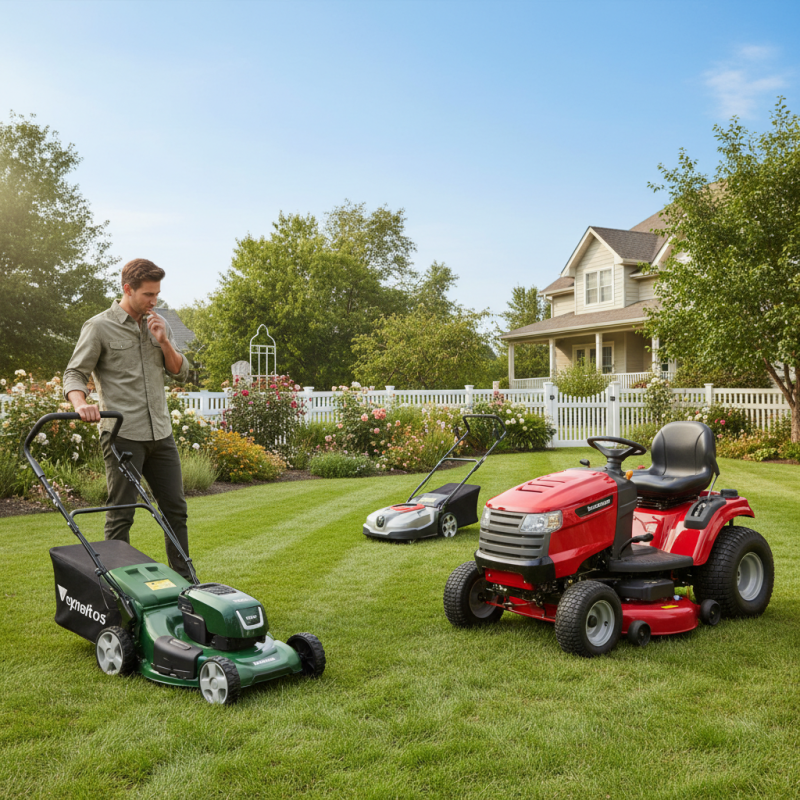
When selecting a garden mower, understanding the different types available is crucial. Reel mowers are classic, eco-friendly options. They require no fuel or electricity and provide a close cut. However, they can be labor-intensive. For larger yards, a rotary mower may be a better fit. These mowers are powered by gas or electricity, allowing for easier operation across vast lawns.
Self-propelled mowers offer an excellent balance of efficiency and ease. They move forward on their own, reducing physical effort. However, they can be heavier and more complex to maneuver. Lawn tractors provide the best solution for extensive gardens. They have large cutting decks and can handle various terrains. Still, they take up significant storage space and require maintenance.
Each mower type has its unique benefits and downsides. Choosing one requires considering your garden size, terrain, and personal comfort with machinery. Reflect on these factors. If you have a small yard, a reel mower might suffice. Yet, if you face larger areas, a self-propelled or riding mower could save time and energy.
Assessing Your Lawn Size and Terrain for Optimal Mower Selection
When choosing a garden mower, it's crucial to consider your lawn size and terrain. A small, flat lawn can be efficiently maintained with a lightweight push mower. However, for larger areas or uneven ground, a more powerful model may be necessary. These mowers can handle various terrains, offering increased versatility. But this choice can lead to overcomplicating maintenance for simpler lawns.
Assessing your lawn’s characteristics can be tricky. Not every mower suits every yard. If your lawn has slopes, a self-propelled or riding mower could be more effective. They require less effort while ensuring a clean cut. It's important to acknowledge that not all terrains are easily mowed. Stone or heavily wooded areas may present challenges, necessitating different tools or equipment.
Reflect on your own experience. Maybe your last choice was not ideal. The process of selecting a mower should match your lifestyle and yard needs. A detailed evaluation can save time and effort, preventing future frustrations. Engaging with local gardening experts can provide valuable insights, ensuring you make an informed decision for your mowing needs.
Key Engine Specifications: Power and Efficiency Ratings Explained
When selecting a garden mower, engine specifications are crucial. Power and efficiency ratings drastically impact performance. For instance, a mower with a 160cc engine can yield up to 3.0 ft-lbs of torque, providing sufficient power for thick turf. Conversely, a 100cc mower may struggle in dense grass.
Efficiency is equally vital. Manufacturers often report fuel consumption metrics, with some advanced models achieving up to 25% more efficiency, saving gas and reducing emissions.
Additionally, engine types vary. Gasoline engines usually deliver robust power but require more maintenance. Electric models are quieter and more environmentally friendly, yet battery life can pose a challenge. Studies by industry experts reveal that over 40% of homeowners express dissatisfaction with battery longevity in electric Garden Lawn Mowers. Understanding these specifications ensures you choose a mower that fits your needs and maintains the health of your lawn.
The choice of engine type also brings nuances. Two-stroke engines often have higher power-to-weight ratios but emit more pollutants. On the other hand, four-stroke engines are cleaner and more efficient. However, they may cost more upfront. While efficiency numbers provide essential insights, they may not account for real-world conditions. Grass type, moisture, and terrain impact performance. This inconsistency can lead to mismatched expectations for users choosing their garden lawn mower.
Cutting Deck Width: How It Affects Mowing Time and Quality
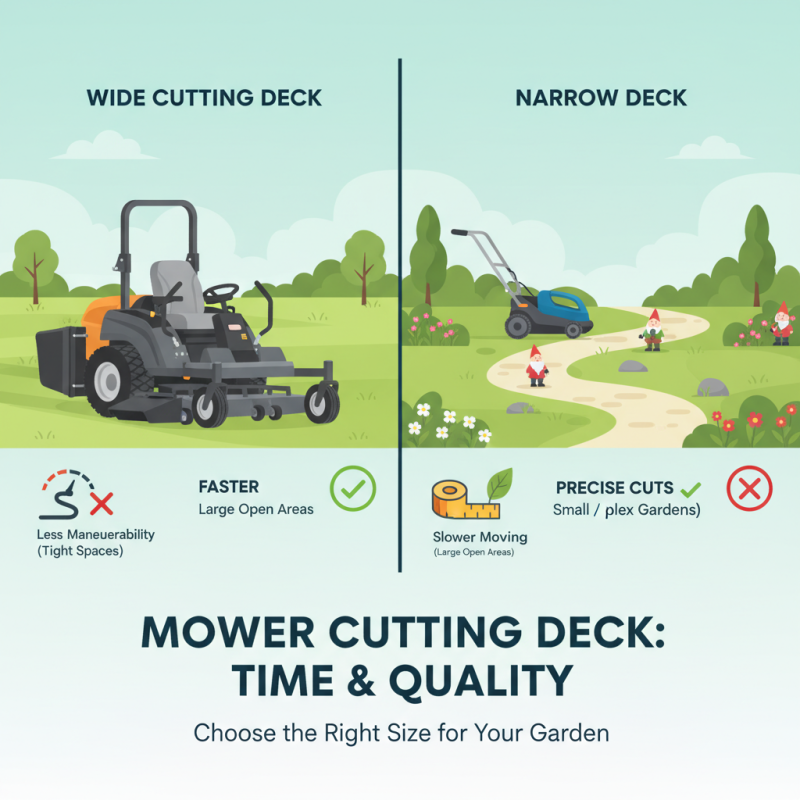
When choosing a garden mower, the cutting deck width is a crucial factor. A wider deck may seem beneficial, promising faster mowing times. However, it’s not always the best fit for every space. For instance, a Small Garden Mower with a narrower deck can navigate tight corners more effectively. This allows for precise cuts around flower beds and pathways, enhancing the overall aesthetic of the garden.
Research shows that mowers with a cutting deck width of 20-22 inches can reduce mowing time by up to 30% in larger areas. Yet, this efficiency diminishes in smaller, intricate gardens where a 16-inch deck might be more suitable. The versatility of small garden mowers often leads to improved quality, as they can tackle uneven terrain more easily. A 2019 industry report indicated that users often complain about the inability of wider mowers to perform effectively in confined spaces.
Using the right mower size not only improves quality but can also prevent maintenance issues. Oversized mowers can cause scalping and unevenness in lawns. This effect can lead to long-term damage and increased upkeep costs. Smaller cutting decks reduce this risk, encouraging healthier growth in lawns, while ensuring each mowing session is productive. Make your choice carefully, considering both your garden’s size and layout for optimal results.
The Importance of Blade Type: Choosing Between Rotary and Reel Mowers
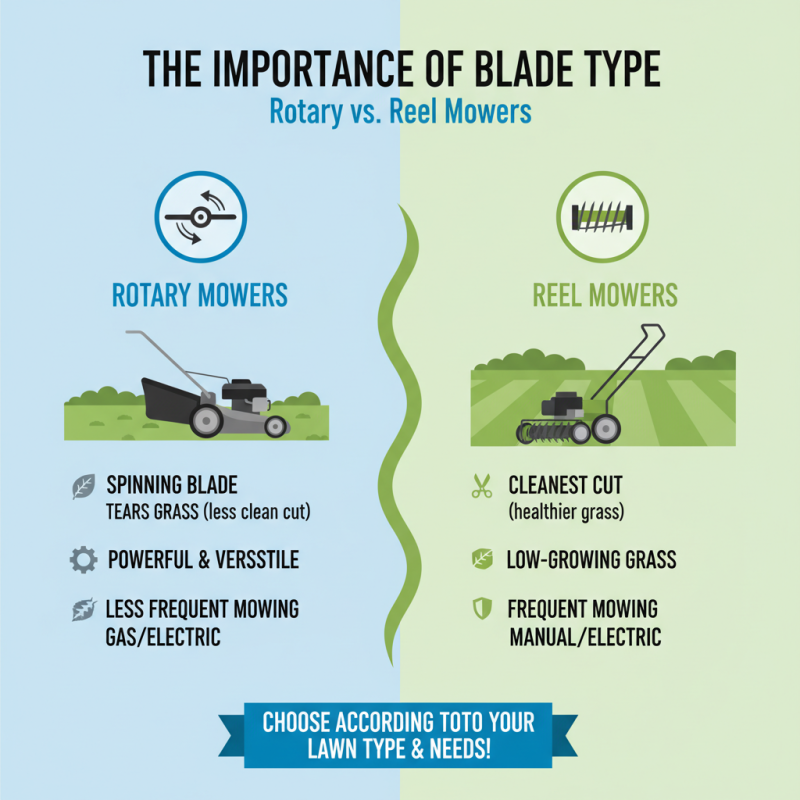
When selecting a garden mower, blade type is crucial. There are two primary options: rotary and reel mowers. Each has its strengths and weaknesses, making them ideal for different needs.
Rotary mowers feature a single rotating blade. They are effective for taller grass and rough terrains. Their versatility makes them popular for larger lawns. However, they can tear grass blades, which may lead to a less healthy lawn. On the other hand, reel mowers provide a cleaner cut. They work best on short grass and are quieter. This type is perfect for smaller, well-maintained lawns.
For those considering efficiency, a Robot Garden Mower can combine the advantages of both types. These automated mowers offer convenience and precision, cutting grass evenly without much effort. Yet, they may struggle with obstacles or uneven surfaces. A thorough evaluation of your lawn size and type can aid in making a better choice. Ultimately, understanding the pros and cons of each mower type will guide you to the best option for your gardening needs.
Evaluating Ergonomics and Ease of Use for Comfortable Operation
When choosing a garden mower, ergonomics and ease of use are vital. A mower designed with comfort in mind can make your mowing experience more enjoyable. Look for adjustable handles that fit your height. This feature can help prevent strain on your back and shoulders. Consider models with vibration-reducing technologies. These designs minimize fatigue during longer mowing sessions.
Evaluate the mower's weight. A lightweight mower is easier to maneuver, especially in small or intricate gardens. Check for ease of starting the machine. Some mowers feature pull-starts that can be tough for some users. An electric start might be a useful alternative.
Don’t overlook wheel size and type. Larger wheels assist in navigating uneven terrain. However, they may increase the mower's weight. It's worth testing different models to find what feels right. Remember, comfort can affect your enjoyment of gardening. Prioritizing your physical comfort can lead to better gardening results and satisfaction.
Maintenance Considerations: Longevity and Cost of Ownership for Mowers
When selecting a mower, maintenance is crucial. A well-maintained mower not only lasts longer but also saves money in the long run. According to a report by the Outdoor Power Equipment Institute, regular maintenance can extend a mower's life by up to 30%. This includes tasks like oil changes, air filter replacements, and blade sharpening. Not many homeowners realize that neglecting these can lead to costly repairs or premature failure.
Considering the cost of ownership, a Garden Robot Mower can initially seem expensive. However, many models show a significant reduction in fuel and service costs. Research indicates that robotic mowers can reduce operating costs by 30% compared to traditional gas mowers. They require minimal maintenance since they have fewer moving parts. Yet, some users have reported issues with battery longevity. It is essential to choose models with warranties that cover battery replacement.
Longevity varies across different mower types. Gas mowers typically need more servicing, which can add to ownership costs. Electric models offer a simpler maintenance routine. Over time, these differences accumulate. It's wise to factor in these aspects when deciding on a mower. Making informed choices based on maintenance needs can lead to a more reliable and cost-effective solution. This deliberate approach can create lasting satisfaction.
Cost of Ownership for Different Types of Garden Mowers
This bar chart illustrates the average annual cost of ownership for different types of garden mowers. The costs include maintenance, fuel, and other operating expenses over a one-year period. Understanding these costs can help you make an informed decision based on your budget and mowing needs.
FAQS
: Cutting deck width affects mowing speed and quality. Wider decks can speed up mowing in larger spaces.
Not necessarily. They may not perform well in tight spaces or intricate gardens, impacting quality.
A cutting deck of 20-22 inches can reduce mowing time by up to 30% in larger areas.
For smaller, intricate gardens, a 16-inch deck is often more suitable for better navigation and precision.
Oversized mowers can cause scalping and unevenness, leading to long-term lawn damage and increased upkeep costs.
Rotary mowers are versatile and suitable for taller grass, while reel mowers provide cleaner cuts for short grass.
Rotary mowers are effective for taller grass and rough terrains, but can tear grass blades.
Robot mowers combine the benefits of both types, offering convenience and even cuts, but may struggle with obstacles.
Yes, they might not perform well on uneven surfaces or handle obstacles effectively.
Assess your lawn size and grass type carefully to choose the most suitable mower for your needs.
Conclusion
When selecting a garden mower, it’s crucial to understand the various types available, each offering distinct features and benefits tailored to different gardening needs. Assessing your lawn size and terrain is essential for optimal mower selection, ensuring you choose a model that effectively manages the area you maintain. Key engine specifications, such as power and efficiency ratings, significantly impact performance, as does the cutting deck width, which affects both mowing time and the quality of the cut.
Additionally, the blade type is an important consideration, with options like rotary and reel mowers each providing unique cutting styles. Evaluating ergonomics and ease of use can enhance your mowing experience, allowing for comfortable operation over extended periods. Finally, understanding maintenance considerations will help gauge the longevity and total cost of ownership for your garden mower, ensuring you make a wise investment in your gardening endeavors.