Have you noticed how fast the robot lawn mower market is growing? It’s pretty impressive. According to a report from ResearchAndMarkets, the global smart lawn mower industry is projected to hit around $1.34 billion by 2025, with an annual growth rate of about 16.5%. That’s a pretty clear sign that more people are seriously into these robotic gadgets, and technology is just racing ahead in the landscaping world.
More homeowners are looking for stuff that makes life easier and saves time, so it’s no wonder robot lawn mowers are becoming super popular. They help cut down on physical effort and give you back your weekends. But here’s the thing — with so many options out there, picking the right one isn’t always a walk in the park. Things like battery life, how wide the cutting deck is, and how well it handles different terrains really matter. A bad choice could mean uneven cuts or just a lot of frustration.
And let’s be honest, not all robot mowers are created equal. Some might not perform as well as you’d hope, leaving your lawn looking patchy or uneven. So, it’s really important to get a good grasp of the features and specs before buying. You want something that fits your yard’s size and terrain, no matter if you’ve got a tiny backyard or a sprawling lawn. Picking the right tech can seriously level up your lawn care game, plus save you loads of hassle and time in the long run.
Key Features to Consider in Robot Lawn Mowers
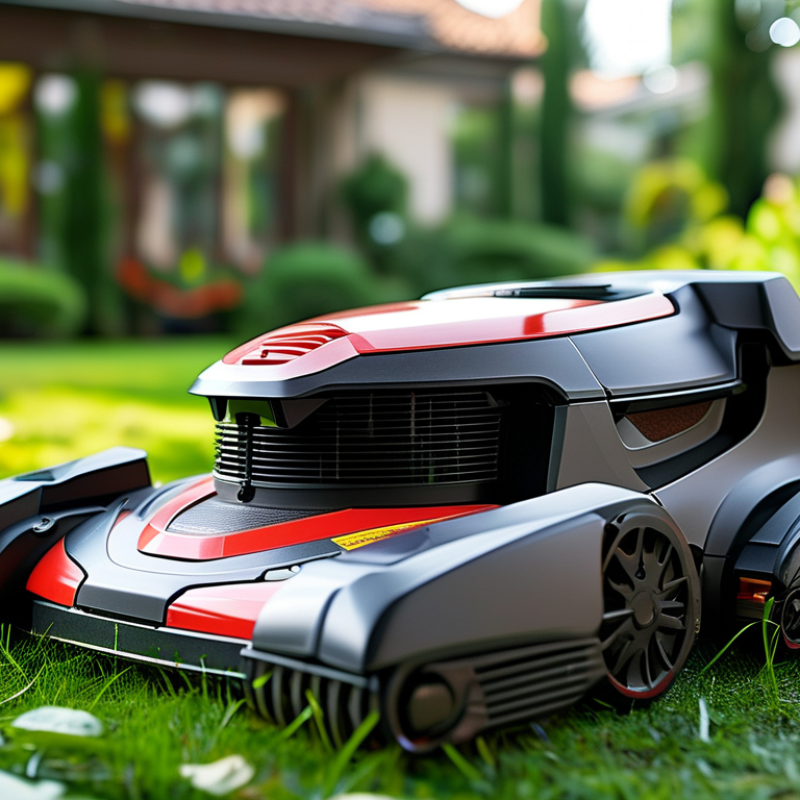
When choosing a Robot Lawn Mower, key features make all the difference. One essential aspect is cutting capacity. A mower with adjustable cutting heights allows for flexibility in grass length. Look for models with sharp blades, as they ensure a clean cut. Efficiency matters too. Some robots cover larger areas faster due to their advanced navigation systems. This can save time and energy.
Battery life is crucial. A mower that can operate for long periods without frequent recharges will serve you better. Furthermore, consider the mower's ability to handle slopes. If your yard has uneven terrain, you’ll need a model designed for stability on inclines. Noise levels can be important too. Quieter models can work without disturbing the peace.
Safety features should not be overlooked. A robot lawn mower with sensors can avoid obstacles and even stop if lifted. This is a critical functionality for family safety. Reflect on your yard's specific needs. Every garden is different, and your mower should cater to those unique challenges. Consider these elements carefully to make an informed choice that suits your lifestyle and lawn care needs.
10 Essential Tips for Choosing the Best Robot Lawn Mower - Key Features to Consider in Robot Lawn Mowers
| Feature |
Description |
Importance |
| Cutting Height Adjustment |
Ability to adjust cutting height for different grass types. |
High |
| Battery Life |
Duration the mower can operate before needing a recharge. |
High |
| Area Coverage |
Maximum area that the robot can effectively mow. |
Moderate |
| Navigation System |
Technology used for mapping and navigating the lawn. |
High |
| Weather Resistance |
Ability to operate in various weather conditions. |
Moderate |
| Safety Features |
Sensors to prevent collisions and ensure safe operation. |
High |
| Noise Level |
Volume of operation; quieter models are preferable. |
Moderate |
| Smart Connectivity |
Integration with smartphones and smart home systems. |
Moderate |
| Price Range |
Cost of the robot mower compared to features offered. |
High |
| Warranty/Support |
Duration and quality of manufacturer warranty and support. |
Moderate |
Understanding Your Lawn Size and Terrain
When selecting a robot lawn mower, understanding your lawn size and terrain is crucial. According to the American Society of Landscape Architects, nearly 60% of U.S. homeowners have lawns under 1/4 acre. This compact size makes a robot mower an appealing choice. However, larger lawns require mowers with higher battery capacities and effective navigation systems.
Consider the terrain as well. Flat lawns are easier to manage compared to those with slopes or obstacles. Research highlights that robot mowers struggle on inclines over 20 degrees. If your yard features gardens, trees, or flower beds, opt for a model with advanced obstacle detection. These mowers are not perfect; they can miss spots or get stuck in complex layouts.
The type of grass also impacts mower performance. Thick, overgrown grass may strain the mower, leading to inconsistent results. Regular maintenance affects the machine's efficiency. Regularly cleaning blades and sensors ensures longevity and optimal cutting performance. Evaluating these factors helps in choosing the right mower for your unique lawn. Understanding your space is essential to ensure a healthy, well-maintained yard.
Battery Life: Finding the Right Balance for Efficiency
When selecting a robot lawn mower, battery life is crucial for performance and efficiency. An effective mower needs a balance between runtime and charging time. Research indicates that most models have a typical runtime of 60 to 90 minutes, which may suffice for smaller lawns. However, larger yards may require devices with extended battery life or rapid charging capabilities.
For instance, a study by the International Journal of Robotics found that mowers with lithium-ion batteries offer improved longevity and quick charge times compared to older battery types. This technology enables efficient cutting and reduces downtime. When assessing your needs, think about lawn size and terrain complexity.
Tip: Consider choosing a model with a programmable schedule. This allows for optimized cutting sessions and better power management. Some models may adapt their runtime based on the lawn's growth rate, enhancing efficiency. However, keep in mind that age and maintenance can affect battery performance. Regularly checking the battery's condition can prevent surprises.
Think about your mowing frequency. If your lawn needs frequent maintenance, invest in a mower with robust power and efficiency. Ultimately, the right battery balance will ensure your mower performs well without compromising on efficiency.
Cutting Width and Height Adjustability Explained
When choosing A Robot Lawn Mower, cutting width and height adjustability are key factors. A wider cutting width means fewer passes. This efficiency can save time, especially on larger lawns. Typical widths range from 20 cm to over 28 cm. However, a larger width might not fit smaller areas well. Diligently assess your lawn's dimensions to make the right choice.
Height adjustability is equally important. Most robot mowers offer a height range between 20 mm to 60 mm. Adjusting the height may cater to different grass types and seasonal changes. For instance, you might prefer a lower cut in early spring. In contrast, during the summer, a taller grass height can provide better drought resistance. Finding a mower with these features can enhance your lawn’s health and appearance.
However, it's crucial to recognize potential challenges. Some mowers may struggle with uneven terrains or obstacles. This could leave patches uncut. Understanding your lawn's specific needs and limitations will help in selecting the best robot lawn mower. Balancing efficiency with adaptability can ensure a well-maintained lawn.
Smart Technology and Connectivity Options
When choosing a robot lawn mower, smart technology and connectivity options play a significant role. Many modern devices incorporate AI to enhance efficiency. According to industry reports, 53% of homeowners prefer mowers with smart features, such as app connectivity and scheduling.
One essential tip is to look for mowers that offer smartphone integration. This allows you to control your mower from anywhere. You can set schedules, check battery status, and even receive alerts. With proper connectivity, some mowers can adapt their mowing patterns based on your lawn’s unique layout. This feature maximizes efficiency and reduces mowing time.
Another aspect to consider is voice control. Many devices now integrate with home assistants, enabling convenient operation. However, not all models provide reliable connectivity. Research suggests that poor connectivity can lead to frustration. Ensure the mower you select is designed for consistent performance, even during busy network times. The right technology can make lawn care simpler and more effective.
Weather Resistance and Durability Standards
When selecting an Ai Robot Lawn Mower, weather resistance is a critical factor. Mowers exposed to rain, sun, or snow must withstand these conditions. Look for models with high IP ratings. An IP rating indicates protection against dust and moisture, essential for outdoor use. A mower that can endure severe weather ensures longevity and reliable performance.
Durability standards are equally important. Examine the materials used in construction. High-quality plastics and metals impact the mower's lifespan. Robust components resist wear and tear from daily use. Some mowers may initially seem more affordable. However, investing in durable models can save you money in the long run.
Pay attention to user reviews. They often highlight real-world experiences with weather-related performance. Consider how the mower holds up over time in various climates. Look for feedback regarding repairs or maintenance needs. It’s worth considering these aspects thoroughly, as they shape the mower's overall effectiveness. A smart choice ensures that your lawn stays pristine, regardless of the weather.
Budgeting: Cost vs. Features for Your Needs
When choosing a robot lawn mower, budgeting is crucial. Cost often correlates with features. A more affordable model may lack advanced capabilities. It might not have the precision or efficiency of pricier options. This balance is essential for every gardener.
Consider what you truly need from your mower. For instance, GPS features in a "Gps Robot Lawn Mower" can enhance navigation and efficiency. Without it, the mowing process might take longer. If your lawn is small, basic models may suffice. Yet, larger spaces often benefit from technological upgrades.
Be wary of overspending on unnecessary features. You might find yourself paying for options you won’t use. Reflect on your yard's size and layout. Some features, like real-time tracking and programmable schedules, can be valuable. However, if your needs are simpler, these may just inflate costs. Investing wisely begins with understanding your specific requirements.
FAQS
: The cutting capacity is essential. Models with adjustable cutting heights offer flexibility for grass length.
Longer battery life means less frequent recharging, allowing for more efficient mowing sessions.
If your yard has slopes or uneven ground, ensure the mower can handle these challenges for stability.
Smart tech features like app connectivity allow remote control and customized mowing schedules for convenience.
Quieter models help maintain peace in your environment, especially during early morning or late evening hours.
Finding a balance is key. Avoid overspending on features that may not suit your specific lawn care needs.
Look for models with obstacle sensors that stop when lifted. This enhances safety for families and pets.
No, some lack stable connectivity. Poor connections can lead to frustration and impact mow efficiency.
Conclusion
When selecting the best robot lawn mower for your needs, there are several key features to consider. Understanding your lawn size and terrain is crucial, as it influences the efficiency of the mower. Battery life plays a significant role, where you'll want to find a balance between long-lasting operation and quick recharging times. Additionally, consider the cutting width and height adjustability to ensure that the mower can effectively meet your lawn care requirements.
Smart technology and connectivity options, such as mobile app integration, can enhance the user experience and provide more control over the mowing process. It's also essential to look into the mower's weather resistance and durability standards, ensuring that it can withstand various outdoor conditions. Lastly, budgeting is important; weigh the cost versus the features that will best suit your gardening needs to make an informed decision when investing in a robot lawn mower.