In today’s fast-moving world of logistics, staying efficient is more important than ever. One tool that can really make a difference is a Pallet Robot. These robots can seriously boost your warehouse operations—they help streamline the workflow, cut down on labor costs, and minimize human mistakes. But, let's be real, bringing a Pallet Robot into the mix isn't just plug-and-play; there are some hurdles to keep in mind.
Getting familiar with best practices is a must if you want things to go smoothly. It's a good idea to analyze how your current process works and figure out where a robot can help the most. A little strategic planning can go a long way—spotting potential problems early on and coming up with solutions. For example, making sure your team gets proper training on operating the robot is super important. It not only reduces risks but also keeps everyone safe.
Picking the right Pallet Robot and making sure it plays nicely with your existing setup is another key step. Don’t just jump at the first model you see—do some research, compare features, and find one that really suits your needs. And remember, it's a good idea to keep an eye on how the robot is performing over time. Regular checks will help you keep things running smoothly and ensure your operations stay efficient. If more companies start embracing this kind of tech, they’re likely to see some solid growth. So, following these tips can really help you get better results and make your warehouse run like a well-oiled machine.
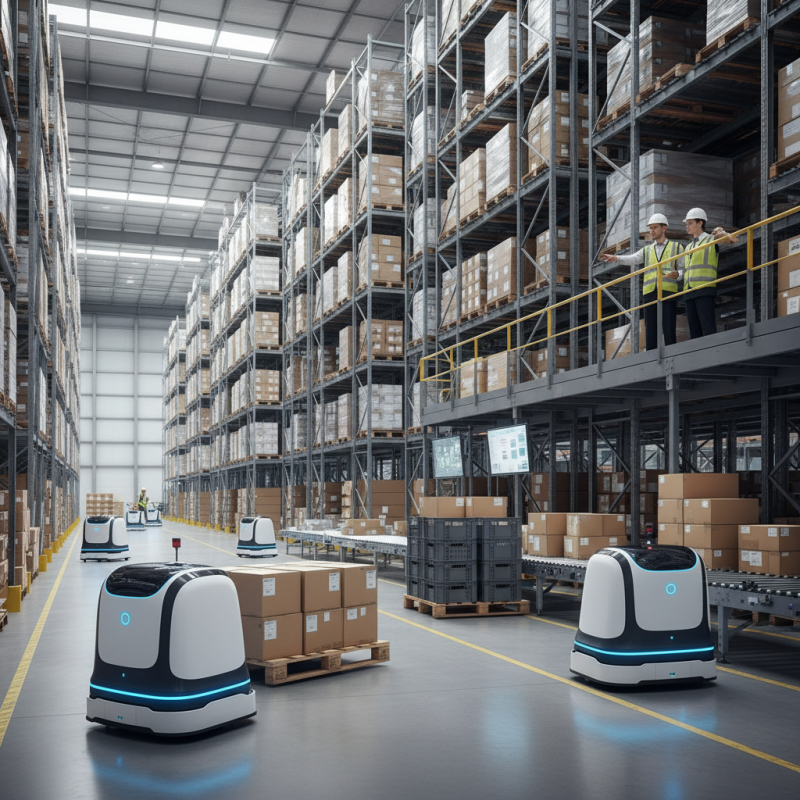
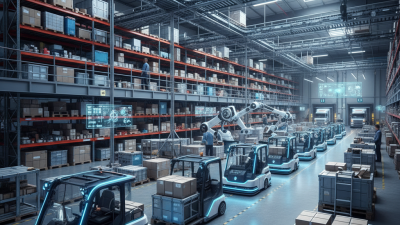
Wholesale pallet robots are becoming essential in China's logistics sector. They enhance efficiency by automating the movement of goods. According to recent industry reports, the automation market in China is expected to grow by over 10% annually. This rise signifies the increasing reliance on technologies like Pallet Mover Robots.
Understanding how these robots operate is crucial for maximizing their benefits. Pallet mover robots can streamline warehouse operations significantly. They can transport heavy loads, reducing the risk of injury to workers. In many cases, companies report a 30% increase in productivity after integrating these systems. It’s important to consider the layout of your warehouse. Some facilities may not be optimally designed for robot deployment, which can hinder efficiency.
Training staff to work alongside these machines is vital. Many employees may find it challenging to adapt to automated processes initially. Inadequate training can lead to inefficiencies and misunderstandings. Additionally, regular maintenance is necessary to keep the pallet mover robots in top condition. Failing to do so can result in costly downtime. Understanding these dynamics will enable businesses to fully leverage the advantages of wholesale pallet robots in China.
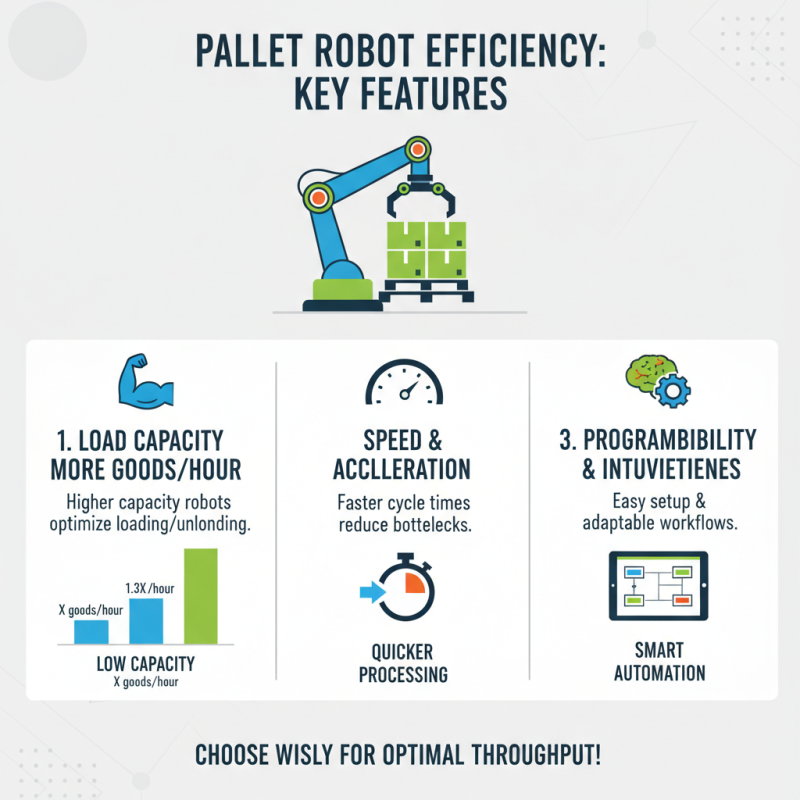
When considering a pallet robot, efficiency is paramount. Key features play a vital role in optimizing performance. One crucial aspect is load capacity. Studies show that robots with higher load capacities can handle an average of 30% more goods per hour compared to lower capacity models. This translates into significant time savings in loading and unloading processes.
Another important feature is navigation technology. Advanced robots utilize LiDAR and computer vision, allowing them to adapt to dynamic environments. According to a recent industry report, robots with these technologies achieve up to 90% accuracy in pathfinding. This can greatly reduce collision risks and errors during operation.
Additionally, consider the robot's software integration. Solutions that seamlessly connect with existing warehouse management systems can enhance operational flow. Research indicates that companies integrating robotics with their existing supply chain systems see efficiency gains of around 15% to 20%. However, implementing such technology often involves challenges. Companies must evaluate their current infrastructure and employee training needs to ensure smooth transitions.
Integrating pallet robots into business operations can streamline workflows significantly. Research indicates that automated solutions can improve warehouse productivity by up to 30%. These robots handle repetitive tasks, allowing employees to focus on more complex duties. This increase in efficiency not only enhances output but also reduces labor costs in the long run.
To ensure a seamless integration, assess your current operations first. Understand where pallet robots can provide the most benefit. It is important to measure workflow processes. Data shows that companies that perform a thorough analysis experience fewer disruptions during implementation. Start with a pilot program before a full-scale rollout. This allows you to address any issues without impacting the entire operation.
Training is crucial for maximizing the benefits of pallet robots. Employees must feel comfortable working alongside these machines. Many businesses report initial hesitance from staff. Addressing these concerns upfront is essential. Create training schedules that incorporate hands-on experience. Regular feedback sessions help improve robot performance and employee satisfaction. Remember, even advanced technology needs human insight for optimal results.
Training staff to operate pallet robots efficiently is crucial for maximizing productivity. To start, hands-on training sessions can make a significant difference. Employees who learn through practice tend to grasp concepts faster. It is essential to create scenarios that mimic real-life challenges faced by the Pallet Moving Robot. This will help staff think critically and adapt quickly.
Regular assessments can identify knowledge gaps. Short quizzes or practical evaluations ensure operators understand the equipment. Encouraging teamwork during these sessions can foster a collaborative environment. A supportive culture allows for shared learning, which is vital for problem-solving. Sometimes, mistakes happen during training. These moments should be used as learning opportunities, leading to better performance later.
Feedback is another key factor in refining skills. Schedule regular check-ins to discuss challenges faced by the team while operating the pallet moving robot. Open dialogues can increase trust and improve overall efficiency. Training is not a one-off process; ongoing resources and refresher courses can help keep knowledge fresh and actionable.
Keeping pallet robots in top condition boosts productivity in warehouses. Regular maintenance plays a crucial role in ensuring their efficiency. One key area to focus on is cleaning. Dirt and debris can hinder performance. Regularly check and clean the sensors and wheels. This simple task can prevent bigger issues down the line.
Another important aspect is battery care. Monitor the battery levels consistently. Overcharging or letting the battery drain completely can shorten its lifespan significantly. You might notice some fluctuations in performance if the battery is not well-maintained.
Lastly, pay attention to any unusual sounds during operation. These can be early signs of trouble. Skipping regular check-ups can lead to costly repairs. Creating a maintenance schedule can help address these concerns effectively. Investing time in upkeep now can save you significant effort later.
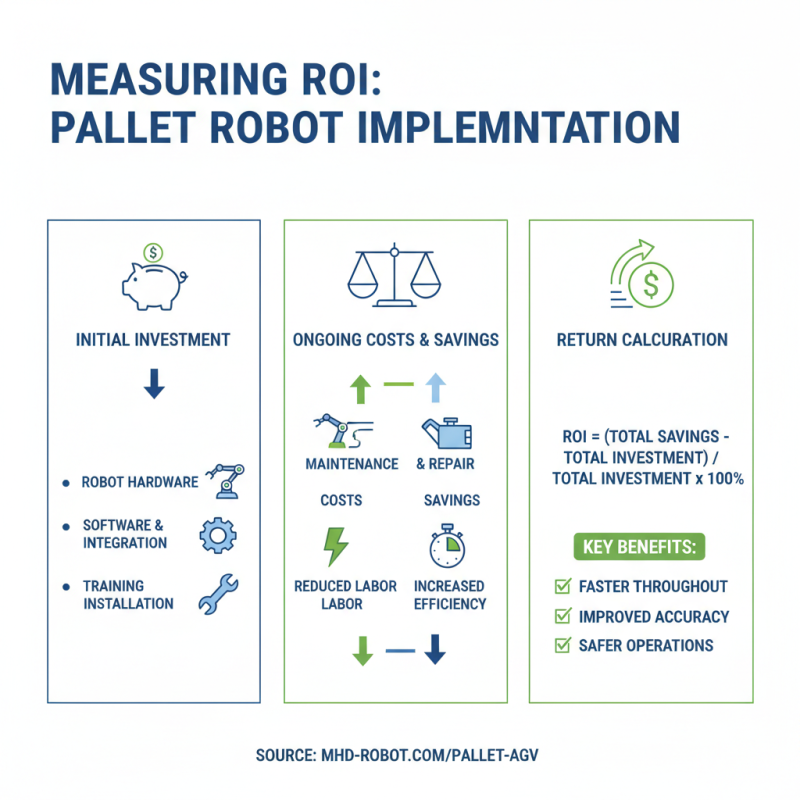
Implementing pallet robots can significantly enhance your warehouse efficiency. However, the return on investment (ROI) from pallet robot implementation requires careful calculation. It’s essential to consider initial costs, training expenses, and ongoing maintenance. An efficient Pallet Agv system can reduce labor costs over time, yet the upfront investment can be daunting. Understanding this balance is crucial.
Tracking labor hours saved and inventory accuracy is vital in measuring ROI. Data analytics can provide insights into how pallet AGV systems streamline workflows. These robots can operate continuously without fatigue. This aspect leads to increased productivity, yet companies must ensure reliability and address potential technical failures. Regular maintenance can prevent unnecessary downtime.
It’s important to evaluate the costs associated with human error in picking and packing. A pallet robot can reduce such mistakes, directly impacting profitability. However, companies should be ready for potential challenges during the transition. Not all staff may adapt quickly or embrace the technology. Training and support are essential to realizing the full benefits of pallet AGVs. Embracing both the advantages and challenges can lead to a deeper understanding of the investment value.
In recent years, the adoption of pallet robots has surged in wholesale settings. A study by Interact Analysis reveals that logistics automation, including pallet robots, can enhance productivity by up to 30%. Companies utilizing Pallet Jack Agvs have reported significant improvements in inventory handling. For instance, one wholesale distributor reduced order processing times by 40%, leading to increased customer satisfaction and repeat business.
Another case involves a beverage distributor. They integrated a pallet robot system that streamlined product rotation in their warehouse. This system managed to reduce labor costs by 25%, as fewer workers were needed for manual tasks. However, they faced challenges during the implementation phase. Employees required training to operate the new technology effectively.
Data from the Warehouse Automation Report indicates that 60% of warehouses plan to invest in automated solutions like pallet robots in the next three years. Even so, there are critical lessons to be learned. Successful adoption often hinges on ensuring seamless integration with existing systems. Overall, while the results are promising, careful consideration and strategic planning are vital for maximizing the benefits of pallet robots in wholesale operations.
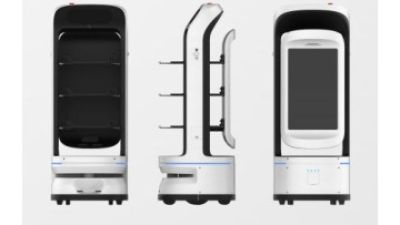
In today's fast-paced environment, selecting a high-performance multi-functional intelligent service robot is crucial for enhancing operational efficiency across various settings. Our innovative universal chassis system stands at the forefront of this technology, offering outstanding versatility. This advanced robot is designed not only to navigate tight spaces and S-shaped paths but also to effectively manage thresholds and prevent liquid spills. Its ability to execute short-distance emergency stops further ensures safety and reliability, making it an ideal choice for businesses seeking to optimize service delivery in diverse scenarios.
Equipped with a comprehensive array of sensors, the robot gathers critical data on its surroundings, dining experiences, and service metrics. This wealth of information empowers businesses through powerful big data analytics in the cloud, facilitating informed decision-making and strategic improvements in service quality. Additionally, the robust 35Ah battery enables up to 15 hours of continuous operation, ensuring that the robot remains a dependable asset throughout demanding shifts. By integrating this cutting-edge technology, organizations can significantly elevate their operational efficiency while delivering exceptional service to their customers.
: Pallet robots can improve warehouse productivity by up to 30%. They handle repetitive tasks, allowing staff to focus on complex duties.
Begin by assessing current operations to identify where pallet robots can be beneficial. A pilot program can help address potential issues.
Training ensures employees are comfortable working with robots. Initial hesitance is common, so addressing concerns is essential for smooth operations.
Consider initial costs, training expenses, and ongoing maintenance. Balance these against potential labor cost reductions over time.
Track saved labor hours and inventory accuracy. Data analytics can provide insights into productivity increases from using pallet robots.
Some employees may struggle to adapt. Ongoing training and support are essential in overcoming these hurdles for successful integration.
Reducing human error in picking and packing can directly boost profitability. It's crucial to evaluate these costs when assessing robot efficiency.
Seamless integration with existing systems and thorough strategic planning are vital. Reviewing these aspects can prevent disruptions during implementation.
They automate manual tasks, enhance output, and decrease labor costs. However, adapting to this technology may take time for some employees.
Successful cases show significant reductions in order processing times and labor costs, but challenges in employee training must be addressed.
In today’s competitive wholesale market, maximizing efficiency is essential, and the implementation of pallet robots can significantly enhance operational productivity. Understanding the basics of wholesale pallet robots is crucial for businesses looking to adopt this technology. Key features to consider include speed, load capacity, and ease of integration into existing systems.
Successful integration of pallet robots into business operations involves strategic planning and staff training to ensure efficient utilization. Best practices for training staff are essential, as they play a vital role in maximizing the effectiveness of pallet robots. Additionally, regular maintenance is necessary to extend the lifespan of these robots and ensure consistent performance. By measuring the return on investment from pallet robot implementation and studying successful case examples, businesses can fully appreciate the benefits and efficiency gains achievable through this innovative automation solution.