Hey, have you noticed how tech advancements in logistics are really changing the game? One cool thing that's popped up is the Package Delivery Robot. These robots are kind of a big deal now—they’re transforming how deliveries are done. Companies like Starship Technologies and Amazon are pretty much leading the charge here, trying to make last-mile delivery faster and more efficient.
Basically, a Package Delivery Robot uses a bunch of clever sensors and algorithms. They help it navigate through busy streets and tricky environments. The idea is to deliver packages right to your door, with minimal human help, which sounds pretty futuristic, right? But, of course, it’s not all smooth sailing—there are still some hurdles. Things like making sure they’re reliable and figuring out the best routes are still big challenges.
As these robots become more common, it got me thinking—what’s all this mean for jobs? Are they gonna take over human workers, or could they actually create new opportunities? While the future of Package Delivery Robots is full of promise, it’s super important for the folks inventing these to think about the ethical stuff too. It’s a balance between pushing for efficiency and making sure we’re doing things responsibly.
What is a Package Delivery Robot?
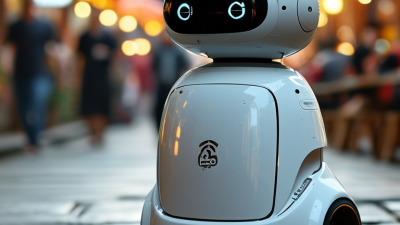
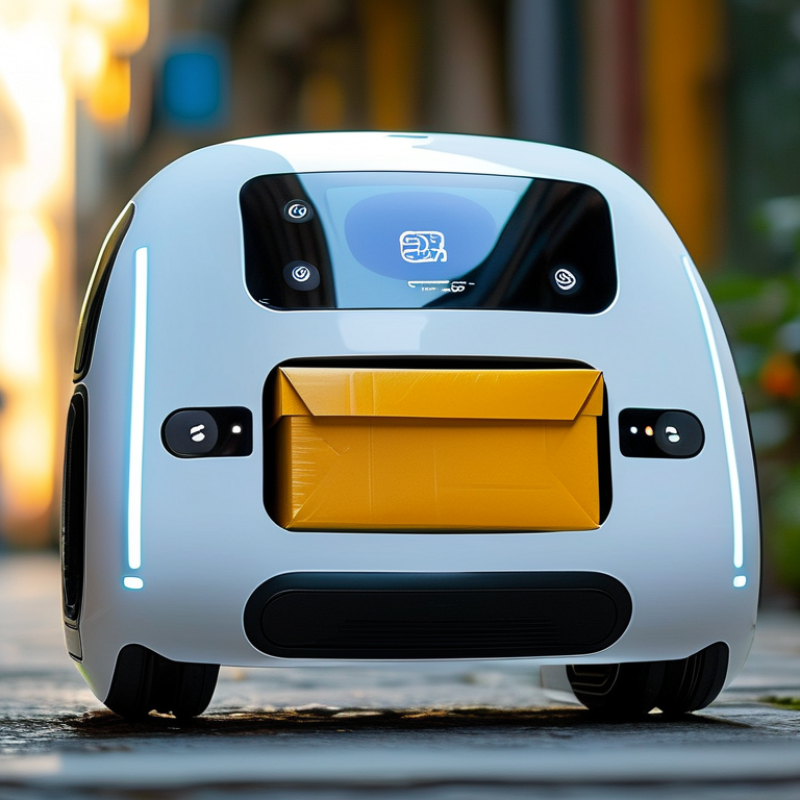
Package delivery robots are becoming more common in urban areas. These small, automated machines deliver packages to customers' doorsteps. They are equipped with an array of sensors and cameras, allowing them to navigate sidewalks and streets safely.
These robots typically use GPS for route planning. They analyze their environment using advanced algorithms. This enables them to avoid obstacles, such as pedestrians and traffic. The delivery process is usually straightforward. Once a package is loaded, the robot makes its way to the designated address. Upon arrival, it may send a notification to the recipient. Opening the delivery box often requires a code or app confirmation.
Challenges remain in implementing this technology. Weather conditions can affect their efficiency. These robots may struggle in heavy rain or snow. Additionally, their interactions with people can sometimes raise concerns. As this technology continues to evolve, reflection on these imperfections will guide future improvements.
Key Components of Package Delivery Robots
Package delivery robots are increasingly popular, transforming the logistics landscape. These robots rely on several key components to navigate and deliver packages efficiently.
One crucial element is the navigation system. Most robots use GPS for outdoor navigation and LIDAR or cameras for obstacle avoidance indoors. This combination allows them to map their environment effectively. The sensors gather real-time data, helping the robots make decisions on the fly. This technology constantly evolves, as robots must adapt to various terrains and obstacles.
Another essential component is the package storage system. Robots typically have a secure compartment to hold packages during transit. This compartment varies in size, depending on what the robot is designed to carry. Integration with weight sensors is important; if a package is too heavy, the robot must refuse it. Lastly, communication systems are vital for sending updates to both the user and the delivery service. These systems help ensure that the deliveries happen on time and issues can be addressed swiftly. However, it remains a challenge to establish reliable connections, especially in rural areas or dense buildings. This aspect of technology needs continuous improvement to meet growing demands.
How Package Delivery Robots Navigate Environments
Package Delivery Robots are changing the way we receive our goods. Navigating through complex environments, these bots employ various technologies. They often use cameras, LIDAR, and GPS to map their surroundings. By creating a 3D model of the environment, they can identify obstacles and plan optimal routes. However, their navigation systems are not infallible. They sometimes struggle with unexpected barriers like pedestrians or pets.
To effectively use a delivery robot, consider the layout of your area. Ensure sidewalks are clear and accessible. A simple act of moving objects can help the robot navigate better. Additionally, local regulations may impact delivery robot operations. Always check if your area supports them. Even the best-designed robots may encounter issues due to unforeseen circumstances.
Experience shows that understanding how delivery robots operate enhances their effectiveness. Keep your expectations realistic. Obstacles are common, and sometimes delays happen. Embracing this new technology can lead to smoother delivery experiences over time. As delivery robots become more integrated into urban settings, continuous improvement will be essential for their success.
The Technology Behind Package Delivery Robots
The technology behind package delivery robots is fascinating and rapidly evolving. These robots often utilize advanced sensors, machine learning, and GPS for navigation. According to recent industry reports, the global market for delivery robots is expected to grow significantly, reaching $9 billion by 2027. This surge highlights the increasing reliance on automation in logistics.
Key innovations include obstacle detection and real-time mapping. For instance, many robots use LiDAR systems to create 3D maps of their surroundings. This allows them to identify barriers and adapt their routes effectively. However, challenges remain. These robots can struggle with complex environments, such as crowded sidewalks or extreme weather conditions. Industry experts emphasize the need for continuous improvement in AI algorithms to enhance navigation efficiency.
Moreover, safety is a significant concern. In trials, some robots have experienced malfunctions or minor accidents. These occurrences underline the importance of rigorous testing before widespread deployment. As the technology advances, the balance between efficiency and safety remains a crucial area for development. The journey of the Ai Delivery Robot is just beginning, and overcoming these hurdles will be essential for future success.
Challenges Faced by Package Delivery Robots
Package delivery robots are increasingly popular. They aim to revolutionize last-mile delivery. However, these robots face several challenges that impact their effectiveness.
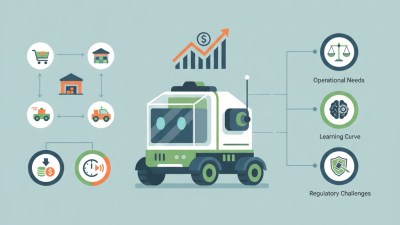
Navigating urban environments can be daunting for these robots. They must contend with pedestrians, cyclists, and various obstacles. Weather conditions pose additional hurdles. Rain or snow can affect their sensors and mobility. Moreover, uneven sidewalks can hinder their journey. These factors complicate their route planning and delivery timing.
Another concern is security. Robots are vulnerable to theft and vandalism. Preventing such incidents is crucial for their viability. Additionally, there are limitations in their design. Most robots have a limited carrying capacity. They cannot handle larger parcels. This restriction affects their usage in certain scenarios. Addressing these challenges is essential for the future of package delivery robots.
Real-World Applications of Package Delivery Robots
Package delivery robots are transforming how goods are transported. These autonomous machines navigate sidewalks and streets, carrying packages to their destinations. They rely on sensors and cameras to map their environment. The technology is advancing quickly, yet some challenges remain.
In urban areas, these robots are being tested for efficiency. They successfully deliver small packages, such as groceries and documents. Users enjoy faster service in densely populated regions. However, some residents worry about safety. When robots share space with pedestrians and cyclists, accidents can happen.
In rural areas, these robots offer new solutions. They can reach locations where traditional delivery vehicles struggle. This can reduce delivery times. Still, issues like battery life and reliability need more work. In real-world applications, the balance between innovation and practical challenges is crucial. As the technology evolves, ongoing discussions will shape its future.
Usage of Package Delivery Robots in Different Sectors
This chart illustrates the distribution of package delivery robot usage across various sectors such as Retail, Food Delivery, Healthcare, and Logistics in 2023.
The Future of Package Delivery Robotics
The future of package delivery robotics is exciting and transformative. As urban areas grow, the demand for efficient and quick delivery is increasing. Package delivery robots are designed to navigate sidewalks and crosswalks, making deliveries accessible. These robots utilize a mix of advanced sensors and artificial intelligence to move smoothly. They can detect obstacles and adapt to their environment in real-time.
Many companies are exploring autonomous routes for these robots. They aim to reduce traffic congestion and enhance customer convenience. However, there are challenges that need addressing. Limited battery life can restrict distance, and navigating busy streets can be tricky. Developing safe interaction protocols with pedestrians is crucial. The public might be hesitant to embrace these robots initially.
Tips for effectively using package delivery robots include choosing urban locations with well-maintained infrastructure. This ensures the robots can operate efficiently and safely. Understanding peak delivery times can help in planning better routes, enhancing overall delivery performance. Consider the potential of using Robot Delivery Food options for added convenience. As these technologies evolve, they could greatly streamline the logistics of everyday living. The integration of robotics in package delivery holds immense promise, yet reflection on safety and reliability is necessary.
FAQS
: Delivery robots use cameras, LIDAR, and GPS. They create a 3D model to identify obstacles and plan routes.
They struggle with pedestrians, cyclists, and weather conditions. Unexpected obstacles can complicate their navigation.
Ensure sidewalks are clear and accessible. Moving objects helps robots navigate better and prevents delays.
Yes, but they are vulnerable. Security measures are necessary to prevent theft and ensure their viability.
No, most delivery robots have a limited carrying capacity. This limits their use for larger packages.
They commonly deliver small packages like groceries and documents. Larger deliveries pose a challenge.
Rain or snow can hinder their sensors and mobility. This impacts their ability to deliver efficiently.
Yes, they perform well in urban environments and can reach rural areas. Reliability and battery life still need improvement.
Keep expectations realistic. Obstacles and delays are common, especially in busy areas.
Ongoing improvements in navigation, security, and carrying capacity will enhance their effectiveness in delivery.
Conclusion
A Package Delivery Robot is an autonomous vehicle designed to transport goods from one location to another, functioning primarily in urban environments. These robots are equipped with various key components such as sensors, cameras, and navigation systems that allow them to detect obstacles and efficiently find their way to destinations. Utilizing advanced technologies like machine learning and computer vision, Package Delivery Robots can navigate complex environments, making them increasingly capable of completing deliveries.
Despite their promising applications in logistics and local deliveries, these robots face several challenges, including navigating crowded streets, inclement weather, and regulatory hurdles. Nonetheless, the real-world applications of Package Delivery Robots are expanding, with their potential to enhance last-mile delivery services. Looking ahead, the future of Package Delivery Robotics appears bright, as advancements in technology continue to improve their reliability and efficiency, paving the way for wider adoption in the delivery industry.