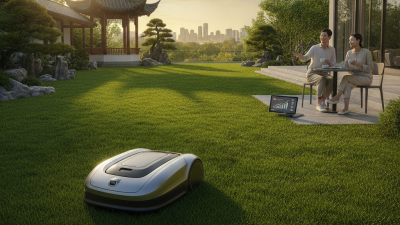
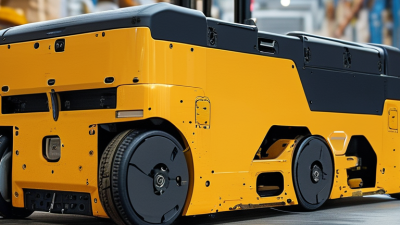
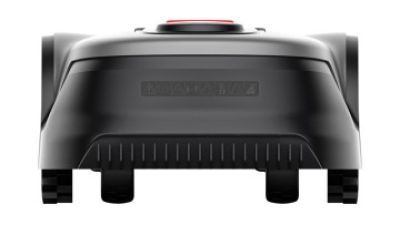
Looking ahead to 2026, it’s pretty clear that the gardening world is gearing up for some serious tech upgrades. Have you heard about remote lawn mowers? They’re really catching on with homeowners who want to make lawn care easier and more efficient. John Peterson, from GreenTech Innovations, put it nicely when he said, “Using technology in lawn maintenance could totally change how we experience outdoor spaces.”
These remote mowers come with some pretty sweet perks—saving you time, being super precise, and even handling tough spots on your yard. They really take the hassle out of mowing, especially in tricky terrain. But, of course, it’s not all sunshine. Getting used to programming these things can be kinda intimidating at first, and you’ll still need to keep up with regular maintenance to keep them running smoothly.
In this rapidly changing industry, staying in the loop is more important than ever. Looks like the market for remote mowers isn’t slowing down anytime soon, thanks to ongoing innovation and people’s growing interest. Still, I think it’s important not to forget the personal touch in lawn care. Embrace the tech, sure, but don’t forget to put some love and care into your garden too. Finding that balance between new gadgets and good old-fashioned tending is what makes a yard truly shine.
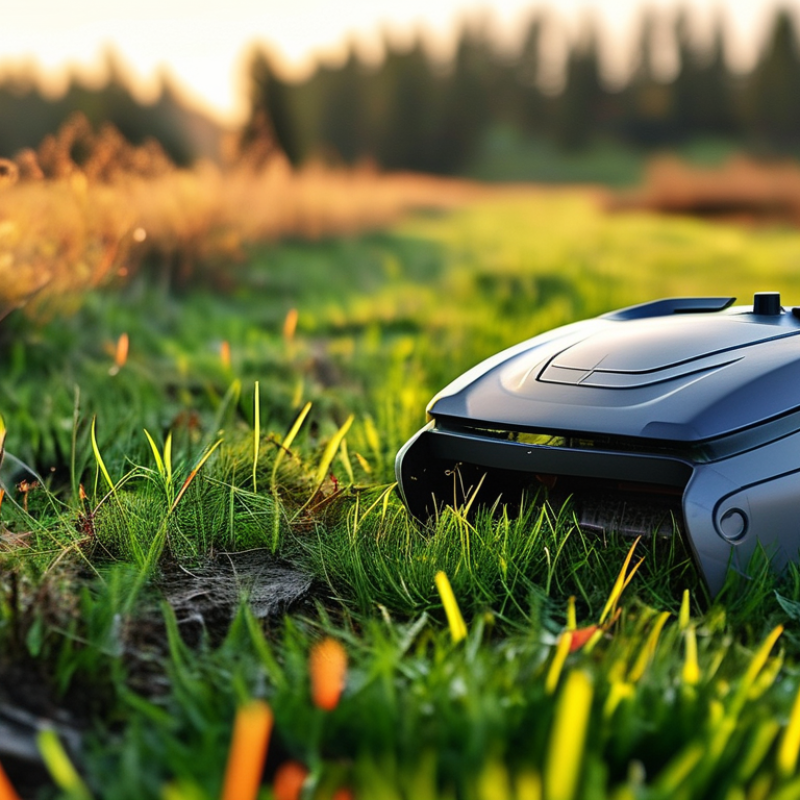
Current Trends in Remote Lawn Mowers for 2026
The landscape of lawn care is rapidly evolving with the advent of remote lawn mower technology. These devices, often referred to as
Remote Lawn Mower Robots, are gaining traction in residential and commercial gardening. According to a recent report by MarketsandMarkets, the global market for robotic lawn mowers is projected to reach $3.57 billion by 2026, growing at a CAGR of 16.5%. This surge highlights a shift towards automation and efficiency in gardening.
Current trends indicate a strong demand for smart features in these robotic mowers. Many are now equipped with GPS navigation, obstacle detection, and smartphone connectivity. This enables users to monitor their lawns in real-time and customize mowing schedules with ease. A survey from the National Gardening Association found that about 70% of homeowners showed interest in mowing solutions that require minimal intervention. However, some users have reported challenges, such as connectivity issues and the need for regular maintenance.
The integration of artificial intelligence is another game changer. AI helps in optimizing mowing patterns by analyzing grass growth and terrain. Despite these advancements, some users still question the reliability of these systems during unpredictable weather conditions. This highlights an ongoing need for innovation and improvements in the technology behind Remote Lawn Mower Robots. The journey towards efficient and intelligent lawn care is just beginning, with ample room for enhancement.
Technological Advancements Shaping Remote Lawn Mowing
Technological advancements are transforming how we maintain our lawns.
Remote lawn mowers are now equipped with smart sensors and GPS tracking. These features help in creating precise mowing paths and avoiding obstacles. Users can Control Remote Lawn Mower via smartphone apps. This level of convenience is appealing for many homeowners.
The integration of artificial intelligence is another significant trend. Smart algorithms can analyze lawn conditions and adjust mowing patterns accordingly. This ensures optimal coverage and reduces energy consumption. However, the technology is not flawless. Sometimes, sensors may malfunction, leading to unexpected results. Users must stay informed and aware of their mower's performance.
Battery life is also a critical aspect. While many mowers offer impressive run times, they can still fall short. Knowing how to control remote lawn mowers effectively can help manage these limitations. Regular maintenance and software updates are essential for peak performance. As technology evolves, staying updated will be vital for an efficient mowing experience.
Environmental Considerations and Sustainability in Lawn Care
As we move toward 2026, the integration of technology in lawn care focuses heavily on environmental considerations. The rise of remote lawn mowers is not just about ease of use but also about sustainability. These mowers are designed to reduce emissions and energy consumption. Electric models, in particular, are gaining attention due to their lower carbon footprint. They run quietly, minimizing noise pollution in residential areas.
Sustainable lawn care is more than equipment choice. It requires a shift in how we perceive lawn maintenance. Traditional practices can be wasteful, relying on excessive water and chemical fertilizers. Remote mowers make it easier to adopt eco-friendly practices. Users have the option to program precise mowing patterns. This ensures optimal grass health while reducing waste. However, the reliance on technology should be carefully considered. Can these mowers truly perform to our expectations in diverse climates?
Engaging with nature sustainably involves more than just modern gadgets. Using mulch instead of bagging clippings can enhance soil quality. It's a practice that promotes healthy growth without synthetic inputs. Innovative mowing solutions must be complemented by holistic practices that care for the entire ecosystem. Users need to reflect on their habits and seek balance with nature. The future of lawn care is promising, but our role is crucial in making it sustainable.
User Experience: Smart Features in Remote Lawn Mowers
The advancement of technology has greatly enhanced user experience in remote lawn mowers. Smart features are becoming essential for effective lawn care. One of the notable trends is the integration of GPS technology. This allows users to track and manage their mowers easily. Imagine receiving notifications about your mower's performance directly on your smartphone. This convenience provides peace of mind while maintaining the lawn.
Another significant element is the development of app-controlled functionalities. Users can schedule mowing sessions, adjust cutting heights, and even one-click start/stop functions from their devices. These features put control in the user's hands, ensuring a tailored experience. Yet, there can be challenges. Some users may find the setup process tricky or the app unintuitive. These initial hurdles can disrupt the overall user experience.
Lastly, the incorporation of AI is transforming the capabilities of Remote Control Lawn Mowers. AI can analyze lawn conditions and adapt mowing patterns accordingly. This leads to efficient management of resources. However, reliance on technology does raise questions. Are users losing touch with traditional lawn care? Balancing smart features with hands-on practices may be a necessary reflection for future garden enthusiasts.
Cost Analysis: Investment vs. Savings in Remote Lawn Care
The cost analysis of investing in
Electric Remote Lawn Mower
s reveals a complex equation of initial expense versus long-term savings. A recent industry report highlights that the average price of these mowers is around
$2,500. While this may seem steep, operational costs are significantly lower. Owners can save up to
30% on energy compared to gas mowers.
Consider maintenance costs. Traditional lawn mowers require regular gas, oil, and repairs that pile up over time. In contrast, electric remote lawn mowers have fewer moving parts. This simplicity translates into reduced repair costs.
Studies show that owners enjoy up to 50% lower maintenance expenses. However, these savings depend on user habits. For instance, improper usage can lead to increased wear and potential repair needs.
Understanding the long-term implications is essential. On average, owners recoup their investment within
three to five years due to these savings. However, not all users are maximizing the technology's benefits. Some may overlook routine maintenance or fail to optimize mowing schedules.
This reality underscores the importance of proper education around electric remote lawn mowers. Making smart choices can lead to significant cost benefits.
Market Predictions: Growth and Future Demand for Remote Mowers
The lawn mowing market is evolving rapidly. Remote lawn mowers are at the forefront, driven by technology. Future demand is expected to surge as homeowners seek convenience and efficiency. According to market studies, user-friendly features will become essential. The convenience of operating mowers via smartphones appeals to many. As homeowners embrace technology, the market for these mowers will likely grow.
Tips for selecting a remote lawn mower include considering battery life. A longer battery life ensures efficiency over larger lawns. Additionally, check for compatibility with your garden layout. Some models perform better in complex spaces. It’s essential to read user reviews for real-world feedback. Knowing others' experiences can guide your choice effectively.
The growth predictions for remote lawn mowers reflect a shift in consumer behavior. However, challenges exist. Prices can be high, and not all units promise reliability. It’s crucial to weigh the pros and cons. Investing in a remote lawn mower should depend on individual needs and circumstances. Don't rush the decision; a thoughtful choice will yield better results.
Top Remote Lawn Mower Trends for 2026
| Trend |
Description |
Expected Growth (%) |
Consumer Demand |
| Battery Innovation |
Advancements in battery life allowing longer operation on a single charge. |
25% |
High |
| AI Integration |
Use of AI for enhanced mowing patterns and efficiency. |
30% |
Increasing |
| App Connectivity |
Remote control and monitoring through mobile apps. |
20% |
Moderate |
| Sustainable Practices |
Focus on eco-friendly designs and materials. |
15% |
High |
| Robotic Mowers |
Increase in prevalence and affordability of robotic lawn mowers. |
40% |
Very High |
| Safety Features |
Enhanced safety features to prevent accidents and injuries. |
10% |
Increasing |
Consumer Preferences: What Users Look for in Remote Mowing Solutions
As remote lawn mowers gain popularity, understanding consumer preferences is crucial. Users seek efficiency and ease. They want a machine that can handle various terrains. Battery life and charging time are vital factors. Longevity impacts user satisfaction significantly. A mower that lasts and performs well builds trust.
Ease of use is another priority. Consumers prefer intuitive controls. They appreciate features like smartphone integration. Remote scheduling has become popular. Users want the ability to set mowing times easily. Safety is also a concern. Devices should have sensors to prevent accidents.
Some users express frustration about maintenance. While remote mowers are convenient, they still need regular care. Accessibility of replacement parts is essential. Concerns about support and service also arise. Consumers look for brands that offer reliable customer service. They value comprehensive guides and tutorials to enhance user experience.
The Ultimate Guide to Choosing the Best Robotic Lawn Mower for Your Garden
When looking for the ideal robotic lawn mower, it's essential to consider the advanced features that make these machines stand out. A top-tier robotic mower is equipped with intelligent navigation systems that allow it to traverse your garden efficiently. Through smart path planning, it can map out the most effective mowing routes, ensuring that every inch of your lawn is tended to without missing any spots. This level of automation means you can enjoy a consistently manicured lawn without having to lift a finger.
In addition to its navigation capabilities, obstacle avoidance technology is a crucial facet of a high-quality robotic lawn mower. This feature enables the mower to detect and navigate around objects in its path, such as garden furniture, trees, or toys left on the lawn. Coupled with long-lasting battery life, these mowers are capable of handling various lawn sizes and terrains, providing reliable performance irrespective of the weather conditions. Quiet operation adds to the convenience, allowing you to maintain your garden without disturbing the peace of your home or neighborhood. This makes robotic lawn mowers a smart, modern solution for homeowners looking to streamline their lawn care routine while achieving pristine results.
FAQS
: The market is growing, with robotic lawn mowers expected to reach $3.57 billion. There’s increased demand for smart features.
They include GPS navigation, obstacle detection, and smartphone connectivity for real-time monitoring and scheduling.
Users report issues like connectivity problems and the need for regular maintenance, which can affect performance.
AI analyzes grass growth and terrain, optimizing mowing patterns. Still, reliability during bad weather remains a concern.
While many offer good run times, they can still be insufficient. Managing battery life is crucial for effective use.
Users can schedule sessions, adjust settings, and control mowers easily. However, setup can be confusing for some users.
Yes, users might lose connection with traditional care methods. A balance between technology and manual techniques is necessary.
Regular maintenance and software updates are essential to ensure peak performance and prevent unexpected issues.
Conclusion
The article "Top Remote Lawn Mower Trends for 2026 What You Need to Know" explores the evolving landscape of remote lawn mowers and the significant trends shaping their future. Key advancements in technology are enhancing user experience through smart features, making lawn care more efficient and convenient. Additionally, environmental considerations are becoming crucial, with a growing emphasis on sustainability in lawn maintenance practices.
Cost analysis indicates that while the initial investment in remote lawn mowers may be higher, the long-term savings in time and resources are substantial. Market predictions suggest a robust growth in demand for remote mowing solutions as consumer preferences shift towards automated and environmentally-friendly options. As these trends continue to develop, remote lawn mowers are poised to play an essential role in modern lawn care.