In today’s fast-changing world of logistics, automation is becoming pretty much unstoppable. One of the coolest innovations out there right now is the Robot Forklift. These things are really changing the game when it comes to warehouses and moving stuff around. Thanks to smart sensors and AI tech, they can run on their own—navigating tricky spots and tight spaces with ease. Honestly, they save time and cut down on human mistakes, which is a win-win.
Companies like Toyota and Seegrid are already jumping on board, making their operations way more efficient. Warehouses are getting smarter, with less need for human hands on every task. But, of course, it’s not all smooth sailing—there are questions that come up. Are workers safe? What happens to jobs? Finding the right balance between new tech and job stability is definitely a challenge.
As we look into how Robot Forklifts actually work, you see both the upsides and the hurdles. Sure, they boost productivity, but they also need regular maintenance. If a business is thinking about whether to go for one, it’s important to really understand what’s involved. Embracing this tech isn’t just a plug-and-play deal—it takes some careful planning and adjustment.
Definition of a Robot Forklift and Its Key Features
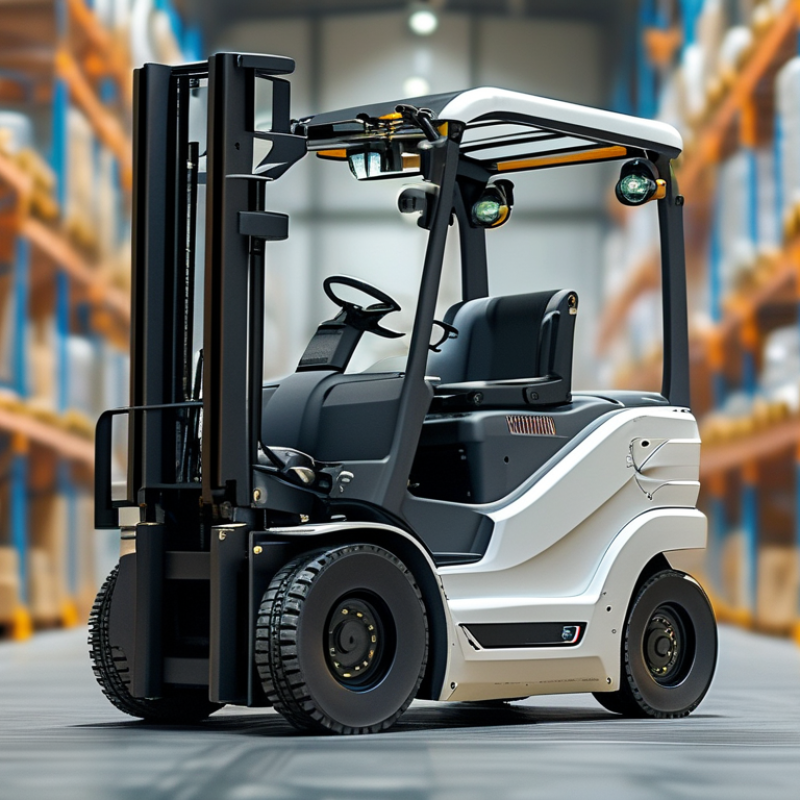
A robot forklift, also known as an Automated Forklift Robot, is revolutionizing warehouse operations. These machines are designed to automate the lifting and moving of goods. Key features include advanced sensors, wireless communication, and artificial intelligence. These elements enable real-time navigation through complex environments. A recent report shows that automated forklifts can increase efficiency by up to 30%.
The use of an Automated Forklift Robot not only reduces labor costs but also minimizes human errors. In particular, these robots can carry heavy loads while navigating tight spaces. A study indicated that these robots can operate at a lower accident rate compared to human-operated forklifts. However, the initial investment can be significant, leading some companies to hesitate in adoption.
Despite their advantages, challenges remain. Integrating these systems with existing warehouse infrastructures can be difficult. There may be a learning curve for staff who must work alongside these machines. Moreover, as technology evolves, continuous upgrades are necessary. The future of warehouse automation will likely depend on overcoming these issues to realize the full potential of the Automated Forklift Robot.
What is a Robot Forklift and How Does it Work?
| Feature |
Description |
| Autonomous Navigation |
Utilizes sensors and cameras to navigate through warehouse environments without human intervention. |
| Load Capacity |
Can typically handle loads ranging from 1,000 to 5,000 pounds based on the model. |
| Battery Type |
Typically powered by rechargeable lithium-ion or lead-acid batteries, allowing for extended operation. |
| Safety Features |
Equipped with safety sensors to prevent collisions and ensure safe operation around human workers. |
| Integration |
Can be integrated with warehouse management systems for optimal efficiency in inventory handling. |
| Maintenance |
Requires regular maintenance, including battery checks and software updates for efficient operation. |
Types of Robot Forklifts and Their Unique Applications
Robot forklifts have transformed warehouse logistics, providing efficiency and precision. Several types cater to diverse applications. Automated pallet jacks are meant for horizontal transportation. They can navigate tight spaces and lift loads up to 3,000 pounds. According to the Warehouse Equipment Manufacturing Institute, the demand for automated solutions grew by 18% in the past year, emphasizing their increasing significance.
Towards vertical storage, stacker robots are prevalent. These machines handle pallets up to 2,600 pounds, effortlessly navigating multi-level shelving. A report by Grand View Research noted the expected market growth of automated guided vehicles to 16 billion dollars by 2028. This rise highlights the versatility of stacker robots in optimizing space and increasing throughput.
Another innovation is autonomous reach trucks. They can extend their forks to reach high shelves, delivering unmatched efficiency in unloading and loading goods. However, reliance on automation raises questions about job displacement in the sector. As organizations adopt these technologies, they must consider workforce re-skilling. Balancing automation with human labor remains a critical challenge for many. The nuances of integrating robot forklifts require thoughtful approaches to potential pitfalls.
How Robot Forklifts Navigate Warehouses and Workspaces
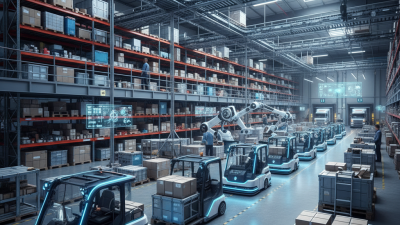
Robot forklifts have revolutionized how warehouses manage their operations. These automated machines use advanced technology to navigate through complex spaces. They rely on a combination of sensors, cameras, and computer algorithms to map their environment. This allows them to avoid obstacles and transport goods efficiently.
Navigation is key for robot forklifts. They often utilize LIDAR and ultrasonic sensors to detect nearby objects. This data helps them create a real-time map of their surroundings. In tight spaces, they can adjust their paths seamlessly. However, perfect navigation is not always guaranteed. Sometimes, they may struggle with unexpected obstacles or changes in their environment.
The integration of robotic forklifts also introduces challenges. Workers need to adapt to a new workflow. Communication between human employees and robots is crucial. Misalignments can lead to delays and confusion. Continuous testing and adjustments are necessary to improve efficiency. Overall, while robot forklifts offer substantial benefits, embracing this technology requires careful consideration and ongoing evaluation.
Essential Technologies Behind Robot Forklift Operation
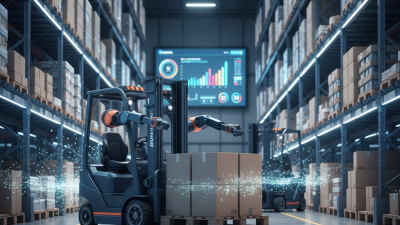
Robot forklifts have transformed warehouse operations by leveraging advanced technologies. These machines rely on sensors, cameras, and algorithms to navigate complex environments. A combination of LiDAR technology and computer vision allows for real-time obstacle detection and path planning. This ensures efficient movement within crowded spaces, reducing the risk of accidents.
One key component of robot forklifts is their autonomous navigation system. By utilizing GPS and internal mapping, they can operate without human intervention. However, these systems can sometimes struggle in rapidly changing environments. In addition, communication between robots can be inconsistent. Such challenges highlight the need for continuous monitoring and updates.
Machine learning algorithms are also essential in improving the performance of robot forklifts. These algorithms analyze historical data to identify patterns and optimize tasks. Nevertheless, there are limitations. Data quality can affect the learning process, leading to suboptimal decisions. Addressing these technical hurdles is crucial to advance the reliability of robot forklifts in modern logistics.
Robot Forklift Efficiency Comparison
This bar chart illustrates the operating efficiency of robot forklifts under different traffic conditions. As shown, they perform best in low traffic environments with an efficiency of 85%, while their performance decreases to 50% in high traffic scenarios.
Advantages of Using Robot Forklifts in Industrial Settings
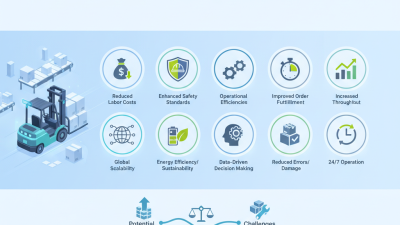
Robot forklifts are transforming industrial settings. These automated machines enhance efficiency by streamlining material handling processes. With advanced sensors and AI technology, they navigate warehouses with precision. This technology reduces human error and increases safety.
One significant advantage of robot forklifts is their ability to operate continuously. Unlike human workers, they do not need breaks. This translates into increased productivity and efficiency. Additionally, robot forklifts can lift heavier loads than traditional models. They can also reach heights and operate in confined spaces, making them versatile in various environments.
Adopting Forklift Agvs can reduce labor costs and minimize workplace injuries. However, integrating these robots poses challenges. Initial setup may require significant investment and training. Businesses must evaluate their specific needs and potential return on investment. Embracing this technology could be a game-changer for many industries, yet careful planning is essential to maximize benefits.
Challenges and Limitations of Robot Forklifts
Robot forklifts, or Unmanned Forklifts, present innovative solutions for warehouse operations. However, they come with specific challenges. One major issue is navigation in dynamic environments. Unlike traditional forklifts, these robots rely on precise sensors and software to move. They can struggle with unexpected obstacles, such as human workers or changing layouts. This can lead to collisions or delays, undermining efficiency.
Another limitation is the need for robust infrastructure. Unmanned forklifts often require clear pathways and designated zones. In cluttered warehouses, their performance may degrade. Additionally, software updates and maintenance can be technical barriers. Operators may need specialized training to manage these systems effectively.
Lastly, there are concerns about job displacement. As unmanned forklifts become more prevalent, traditional roles may diminish. Workers face uncertainty as automation increases. This raises questions about retraining and job security. Balancing technology with human workforce needs is essential for sustainable integration.
Future Trends in Robot Forklift Development and Automation
The future of robot forklifts is promising, with automation evolving rapidly. According to a report by the International Federation of Robotics, the market for Automated Forklifts is expected to grow by over 30% annually through 2025. This growth is driven by the need for increased efficiency and reduced labor costs in warehouses and distribution centers. Businesses are turning to Automated Forklifts to streamline operations and minimize human error.
As manufacturers integrate advanced technologies, such as artificial intelligence and machine learning, robot forklifts are becoming smarter. They can now navigate complex environments, adapt to changing layouts, and optimize loading processes. However, the deployment of these machines is not without challenges. Companies must invest in training for their staff to ensure a smooth transition. Additionally, careful planning is essential to integrate automated solutions into existing workflows.
Tip: When considering an Automated Forklift solution, evaluate the specific needs of your operation. Understand the potential ROI and remember that continuous support is crucial for success.
Many companies may need to reassess their infrastructure to support robotic integration. Poorly designed layouts can hinder the efficiency of Automated Forklifts. Investing in redesigning space might be necessary, leading to unexpected costs. Thus, businesses should weigh the benefits against the potential obstacles to make informed decisions.
Innovative Solutions: Unleashing the Potential of Autonomous Commercial Cleaning Robots for Large Hard Floor Areas
In the commercial cleaning industry, the adoption of autonomous cleaning robots is transforming the approach to maintaining large hard floor areas. With an increasing demand for efficient cleaning solutions, these robots are emerging as a practical alternative to traditional methods. As per a recent industry report, the market for robotic cleaning solutions is projected to grow by over 20% annually, driven by advances in artificial intelligence and automation technology. This surge is fueled by the quest for improved operational efficiency and cost-effectiveness in commercial cleaning.
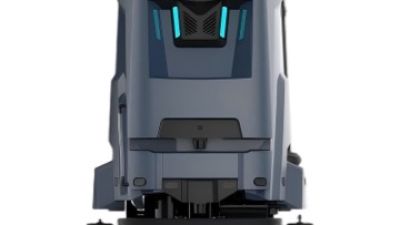
The innovative Cleaning Robot exemplifies this trend, designed specifically for expansive indoor environments with various hard floor materials such as marble, tiles, and epoxy. Equipped with multiple cleaning modes, this intelligent solution caters to diverse cleaning needs and ensures thorough maintenance. The state-of-the-art water-adding tank significantly enhances cleaning efficiency, allowing for faster turnaround times and consistent results across different surfaces. Additionally, the unit's ergonomic design and tool-free assembly features make it user-friendly and convenient for operators in bustling settings.
Furthermore, the impressive 80Ah battery ensures that the Cleaning Robot provides extended operational hours, accommodating the demands of larger facilities. Research indicates that enhanced battery technology in cleaning robots can lead to increased productivity by up to 30%, minimizing downtime and optimizing cleaning schedules. As businesses continue to seek reliable and efficient maintenance solutions, autonomous cleaning robots like this one are set to play a crucial role in elevating cleaning standards and operational performance in commercial environments.
FAQS
: Robot forklifts use sensors, cameras, and algorithms for navigation. LiDAR and computer vision help in obstacle detection.
These forklifts use GPS and internal maps to operate independently. However, they can struggle in fast-changing environments.
They analyze data to improve performance and task optimization. Data quality is vital; poor data leads to bad decisions.
Robot forklifts enhance efficiency and reduce human error. They operate continuously and can lift heavier loads.
Initial setup can be costly and requires training. Businesses must assess their needs for maximum ROI.
They need clear pathways to function effectively. Obstructions can hinder their navigation and lead to inefficiency.
Yes, increased automation may reduce traditional jobs. Workers may need retraining to adapt to new roles.
Performance can drop in dynamic settings with unexpected obstacles. Such situations can lead to errors and delays.
Regular monitoring ensures their systems stay updated. It helps address communication issues between robots.
They should prioritize careful planning and assess their specific operational needs. This will help maximize the benefits.
Conclusion
A Robot Forklift is an advanced automated vehicle designed for material handling in warehouses and industrial environments. These forklifts are equipped with key features such as sensors, cameras, and navigation systems, enabling them to operate efficiently and safely alongside human workers. Various types of Robot Forklifts serve unique applications, ranging from pallet transport to stacking and retrieval tasks, significantly enhancing operational efficiency.
The navigation of Robot Forklifts within workspaces relies on sophisticated technologies like LiDAR, computer vision, and obstacle detection. While the adoption of Robot Forklifts presents numerous advantages, including increased productivity and reduced labor costs, there are challenges and limitations to consider, such as initial investment costs and the need for ongoing maintenance. Looking ahead, the development of Robot Forklifts is poised to evolve with advancements in automation, paving the way for smarter, more integrated solutions in industrial settings.