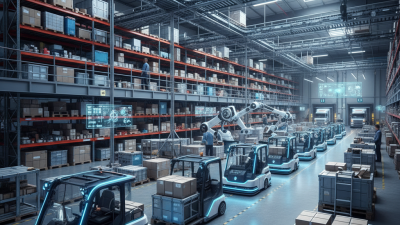
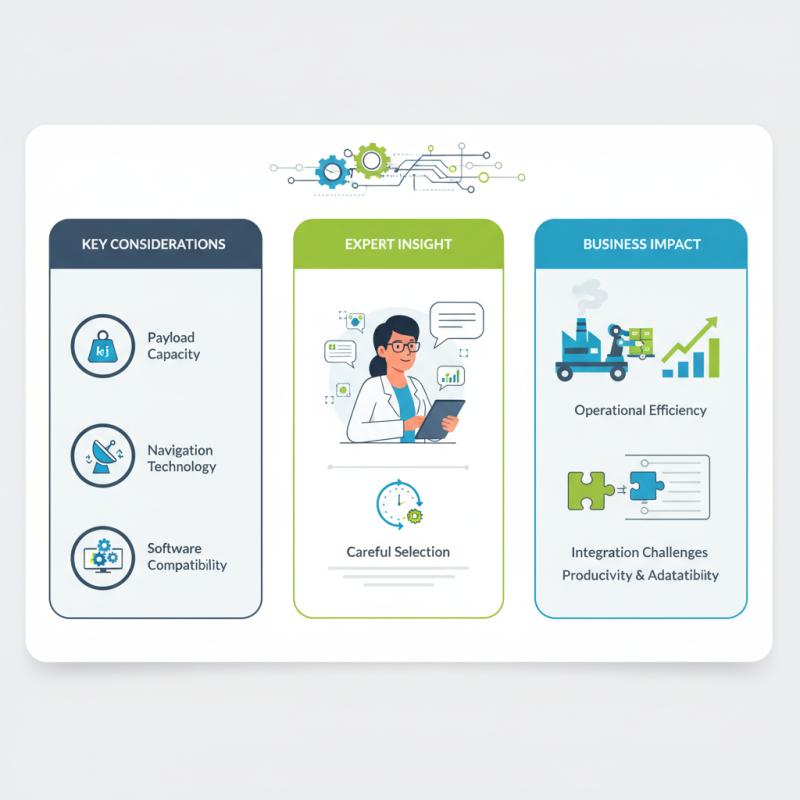
In today’s fast-changing world of automation, Industrial Mobile Robots (IMRs) are really starting to become a must-have for many businesses. I came across a quote from Dr. Emily Carter, a well-known expert in robotics, who said, 'Picking the right mobile robot can seriously boost your efficiency.' It just shows how important it is to choose carefully when it comes to these robots.
When you're looking into IMRs, there are quite a few things to keep in mind. Things like how much weight they can carry, how they navigate around, and whether their software will mesh well with your current systems. Each of these factors plays a part in whether a particular robot will work well in your setting. Keep in mind, a robot that's perfect for one industry might not perform so great in another, so doing your homework is definitely worth it.
Also, a lot of folks forget to think about how a new robot will fit into what they already have. Even small mismatches can turn into big headaches down the line. Looking back at previous installations can help you avoid making the same mistakes. When you get it right, IMRs can seriously boost your productivity and make your business more flexible, especially with everything constantly changing around us.
Key Factors in Selecting Industrial Mobile Robots for Your Operations
When selecting a Mobile Industrial Robot for your operations, consider several key factors. Begin with the robot’s payload capacity. This will determine how much weight it can transport. Matching this to your typical loads is essential for efficiency.
Think about the design of your workspace. A Mobile Industrial Robot should navigate your environment easily. It should handle tight spaces and varied terrain without issues.
Another critical factor is the robot’s safety features. Look for models equipped with sensors that detect obstacles. They should also have emergency stop functions. Safety cannot be compromised, especially in busy environments.
Analyze integration capabilities with your existing systems. A robot that works well with your warehouse management software will streamline operations.
Don’t overlook the importance of user support and training. Understanding how to operate the robot can be challenging. A comprehensive training program and available support can ease this process. Assess the long-term maintenance needs as well. Ongoing support and service should be part of your decision-making. These considerations ensure your Mobile Industrial Robot will efficiently enhance your operations.
Understanding Different Types of Industrial Mobile Robots Available Today
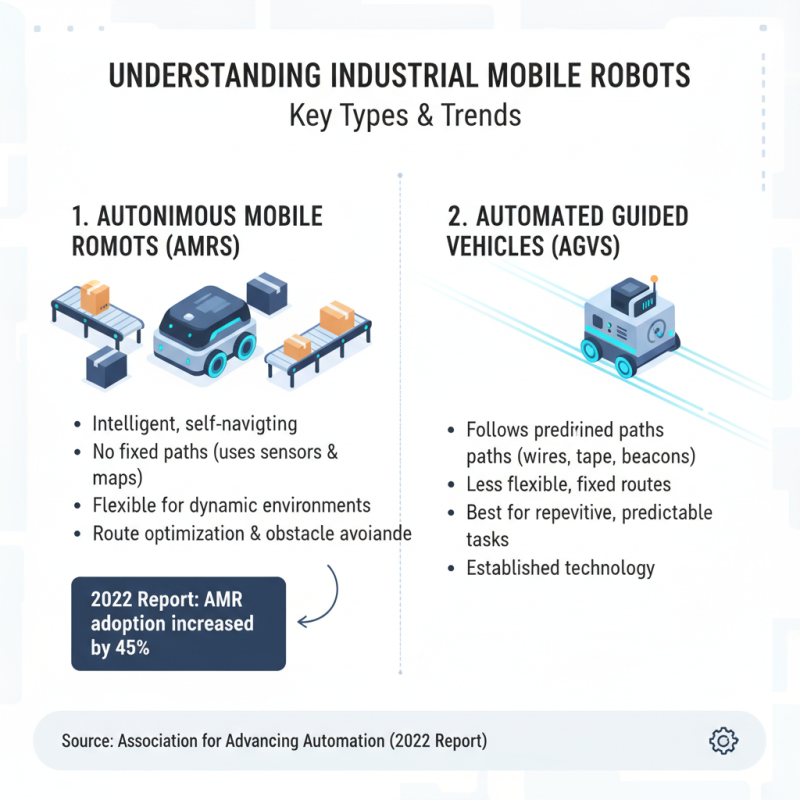
When selecting industrial mobile robots, understanding the types available is crucial. Today, many companies utilize Autonomous Mobile Robots (AMRs) for various applications. According to a 2022 report by the Association for Advancing Automation, the adoption of AMRs increased by 45% over the previous year. This surge highlights their growing importance in operational efficiency.
AMRs come in different designs tailored for specific functions. For instance, some are optimized for material transport, while others excel in inventory management. A study by Deloitte revealed that businesses using AMRs reported a 30% reduction in labor costs. However, the choice is not without challenges. Not all AMRs can seamlessly integrate into existing systems. This may lead to unexpected downtime during implementation.
Consider also the environment where the robots will operate. AMRs might perform excellently in controlled conditions but struggle in dynamic settings. Data from an industry survey indicates that about 20% of companies faced adaptation issues after acquiring AMRs. Understanding these nuances is integral to making an informed decision that aligns with your business needs.
Evaluating the ROI of Implementing Mobile Robotics in Manufacturing
When considering mobile robotics for manufacturing, it's important to evaluate the return on investment (ROI). A comprehensive analysis should include initial costs, maintenance, and potential savings. Look into how these robots can streamline operations. For instance, automated transport can reduce labor costs significantly. This could also lower the risk of workplace injuries.
Data collection can help you assess the effectiveness of mobile robots. Track metrics like time saved and product throughput. Regularly review these figures to ensure the robots meet expectations. There might be unexpected expenses, such as software updates or repairs, which could impact ROI. It's necessary to factor these elements into your financial projections.
Calculating ROI isn't straightforward. Different industries may experience varied results based on specific needs. Pilot programs can offer insight into mobile robotics’ practicality for your operations. Keep in mind, results might not always align with predictions. Engaging with stakeholders throughout this process can reveal insights and potential challenges. This holistic perspective is crucial for making informed decisions.
Assessing Load Capacity and Size Specifications for Your Needs
When choosing industrial mobile robots, it is crucial to assess load capacity and size specifications. Understanding the items you need to transport is the first step. Consider the weight and dimensions of these items. Will the robot handle heavier loads or only lightweight packages? Misjudging this can lead to operational inefficiencies.
Evaluate your workspace's size as well. Do you have narrow aisles or open spaces? Not all Industrial Robots are built the same. Some can maneuver in tight spaces, while others require more room. If a robot cannot fit your environment, it defeats its purpose.
Look into the height and width of your products as well. Robots must have enough clearance to navigate safely. An oversight here could result in product damage or pose safety risks to staff. When selecting industrial mobile robots, prioritize both load capacity and size specifications for optimal performance in your business.
Integration Capabilities with Existing Warehouse Management Systems
When selecting industrial mobile robots, one crucial aspect is their integration capabilities with existing warehouse management systems. The ability of these robots to seamlessly connect with current software systems can enhance operational efficiency. Warehouse managers should prioritize robots that support various integration protocols. This can save time during deployment, ensuring a smooth transition into the workflow.
Many companies face challenges with compatibility. Some robots may not align well with existing inventory management tools. This can lead to issues in data synchronization and operational delays. Understanding the specific software solutions used in your warehouse is essential. Choosing Agv Industrial Robots that offer customizable integration options can mitigate these risks. It fosters a more cohesive working environment, allowing for better tracking and monitoring.
Evaluating your warehouse's unique needs is vital. Conducting thorough assessments can highlight potential integration obstacles. Engage with teams to gather insights on current processes. This collaboration can pinpoint which integration features are most beneficial. It may reveal areas needing improvement, ensuring your investment in industrial mobile robots pays off.
Top Tips for Choosing Industrial Mobile Robots for Your Business - Integration Capabilities with Existing Warehouse Management Systems
| Feature |
Integration Capability |
Ease of Use |
Scalability |
Cost |
| Standard APIs |
High Compatibility |
User-Friendly Interface |
Highly Scalable |
Moderate Cost |
| Custom Integrations |
Flexible |
Steep Learning Curve |
Medium Scalability |
High Cost |
| Pre-configured Solutions |
Easy Integration |
Very User-Friendly |
Limited Scalability |
Affordable |
| Cloud-based Solutions |
Broad Compatibility |
Moderate Complexity |
Highly Scalable |
Moderate Cost |
| Machine Learning Capabilities |
Advanced Integration |
Complex |
Very Scalable |
High Cost |
Safety Standards and Compliance Measures for Industrial Mobile Robots
When selecting industrial mobile robots, adherence to safety standards is crucial. The International Organization for Standardization (ISO) provides guidelines that ensure workplace safety while integrating robotic systems. According to the 2022 AMR Safety Report, about 58% of businesses reported safety compliance as a major factor in their robot selection process.
Robotics in manufacturing must comply with various regulations. An alarming 45% of accidents involving robots occur due to improper safety measures. For instance, robots should have emergency stop functions and sensors to detect obstacles. They must follow ISO 10218 standards for industrial robots, ensuring they can operate alongside human workers without incidents. It's essential to review the risk assessment results of each model.
Integration of safety features like laser scanners or safety mats is vital. These features help in preventing collisions and injuries. Industry benchmarks suggest that companies implementing comprehensive safety standards see a 30% reduction in workplace accidents. However, a gap still exists; many organizations hesitate in updating their safety protocols as technologies advance. This gap must be addressed to fully utilize the benefits of mobile robots while maintaining high safety standards in industrial environments.
Future Trends in Industrial Mobile Robotics: Adapting to Market Demands
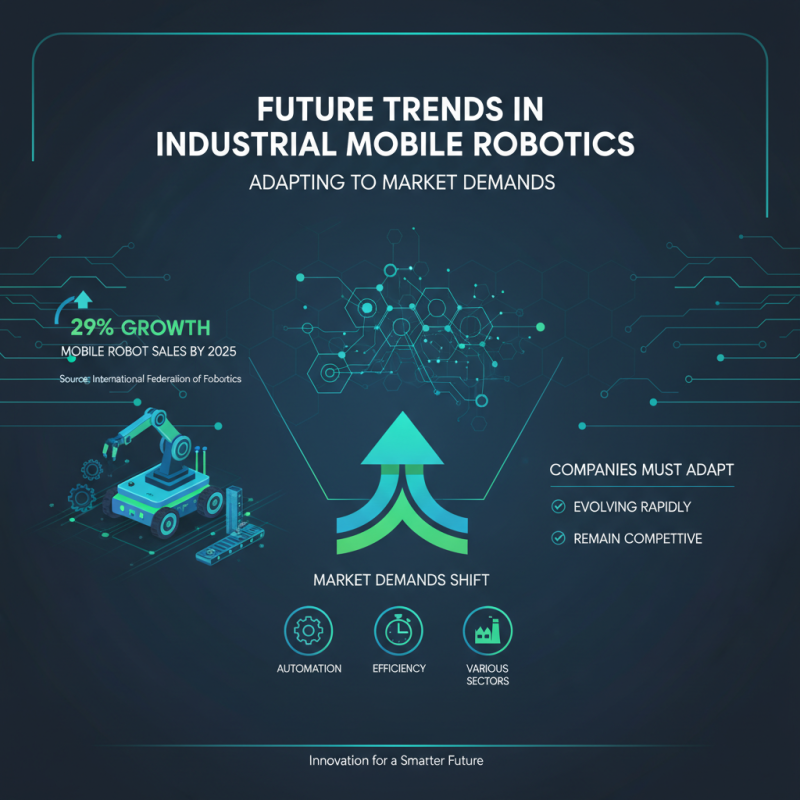
The industrial mobile robotics field is evolving rapidly. As market demands shift, companies must adapt to stay competitive. A report by the International Federation of Robotics highlights a projected growth of 29% in mobile robot sales by 2025. This growth indicates heightened interest in automation and efficiency across various sectors.
Businesses are keen on integrating robots for tasks like material transport and inventory management. However, choosing the right robot requires careful consideration. Factors like load capacity, navigation technology, and interoperability with existing systems are critical. A study from McKinsey notes that 75% of companies see robotics as a way to improve productivity, yet many face challenges during implementation.
As technology advances, trends such as AI integration and enhanced autonomy are becoming significant. However, reliance on these technologies brings uncertainty. Companies must evaluate the risks of dependence on automated systems. The balance between human oversight and robotic efficiency is delicate. Understanding these dynamics will be crucial in making informed choices for future robotics investments.
Revolutionizing Outdoor Cleaning: The Role of AI-Powered Industrial Robots from Chinese Suppliers
In recent years, the integration of artificial intelligence in outdoor cleaning has transformed the way urban environments maintain cleanliness. The advent of AI-powered industrial robots is setting a new standard, particularly in the realm of street sweeping. These advanced robotic systems, designed with deep environmental perception, are capable of making intelligent decisions while efficiently executing cleaning tasks. This innovative technology not only streamlines the cleaning process but also ensures that urban spaces remain clean and appealing to residents and visitors alike.
Designed specifically for enclosed and semi-enclosed public areas, these mobile robots offer standardized and quantifiable cleaning solutions. This level of precision in cleaning is crucial for maintaining hygiene and aesthetics in densely populated urban settings. The robots are engineered to adapt to various environments, allowing them to navigate complex street layouts and adjust their cleaning protocols accordingly. Their factory-backed technology assures municipalities of reliable performance, meeting the evolving needs of city management in an era where sustainability and efficiency are paramount.
As cities continue to embrace smart technologies, the implementation of AI-powered cleaning robots represents a significant leap forward in urban maintenance. By leveraging these cutting-edge solutions, municipalities can not only enhance cleanliness but also contribute to a greener, more sustainable future. The role of these innovative robots is pivotal, showcasing how technology can revolutionize outdoor cleaning and elevate the standards of urban living.
FAQS
: The main types include Autonomous Mobile Robots (AMRs) designed for various applications like material transport and inventory management.
A recent report indicated a 45% increase, showcasing their role in enhancing operational efficiency in various industries.
Businesses using AMRs have reported a 30% reduction in labor costs, making them more appealing for many companies.
Yes, not all AMRs integrate smoothly, which can lead to unexpected downtime during the implementation phase.
AMRs might excel in controlled conditions but may struggle in dynamic settings, leading to adaptation issues for some companies.
It's important to understand the weight and dimensions of the items being transported to avoid operational inefficiencies.
The size of your workspace matters; narrow aisles may limit robot options that require more space to maneuver effectively.
Proper clearance is crucial to ensure safe navigation and prevent damage to products or safety risks to staff.
Misjudging load capacity can lead to inefficiencies, highlighting the need for careful evaluation.
Prioritize load capacity and size specifications tailored to unique business needs for effective robot integration.
Conclusion
When selecting Industrial Mobile Robots for your business operations, several key factors must be considered to ensure optimal performance and integration. Understanding the various types of robots available is crucial for aligning their capabilities with your specific needs. You should evaluate the return on investment (ROI) they can deliver, particularly in manufacturing environments. Assessing load capacity and size specifications is also essential to ensure that the robots can handle your operational requirements effectively.
Additionally, integration capabilities with existing warehouse management systems will determine how smoothly the robots can be incorporated into your current workflow. Safety standards and compliance measures are vital to maintain a secure work environment. Lastly, keeping an eye on future trends in Industrial Mobile Robotics will help your business adapt to changing market demands, ensuring you remain competitive. By focusing on these elements, you can make informed decisions that enhance your operational efficiency through Industrial Mobile Robots.