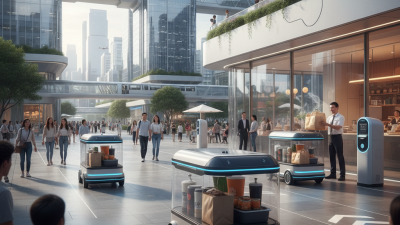
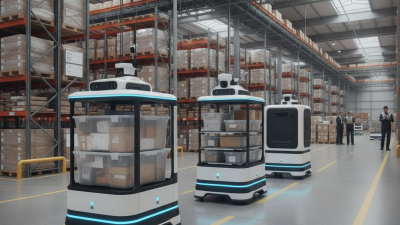
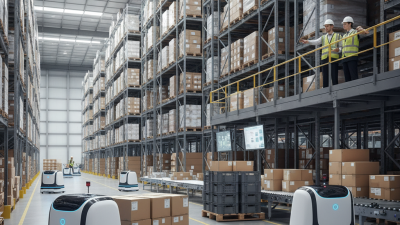
Lately, you’ve probably noticed that the logistics world has been changing pretty quickly, mostly thanks to some pretty cool tech. One of the big highlights? The Package Delivery Robots. If you haven't come across them yet, these little autonomous devices are really shaking things up—they help get packages delivered faster and cut down on some of those hefty labor costs. Companies like Starship Technologies and JD.com have been really pushing this forward, creating robots that can pretty much navigate city streets on their own, no problem.
Of course, it’s not all smooth sailing. These robots face their fair share of hurdles—things like dodging busy roads, dealing with bad weather, or even getting folks to actually trust them. And, let’s be honest, people’s reactions can depend a lot on where they’re from or their particular situation. Still, the fact that we’re seeing more and more of these robots out and about just shows how much the logistics scene is shifting toward automation. As more businesses jump on board, we’re bound to learn a lot about making these systems work even better, and figuring out how to overcome the little issues that pop up.
As we look at the top ten companies leading this charge, we’ll talk about what’s working well and where there’s still room for improvement. The future with Package Delivery Robots? It’s looking pretty exciting—more efficient and definitely more convenient for everyone involved.
Overview of the Evolution of Delivery Robots in China
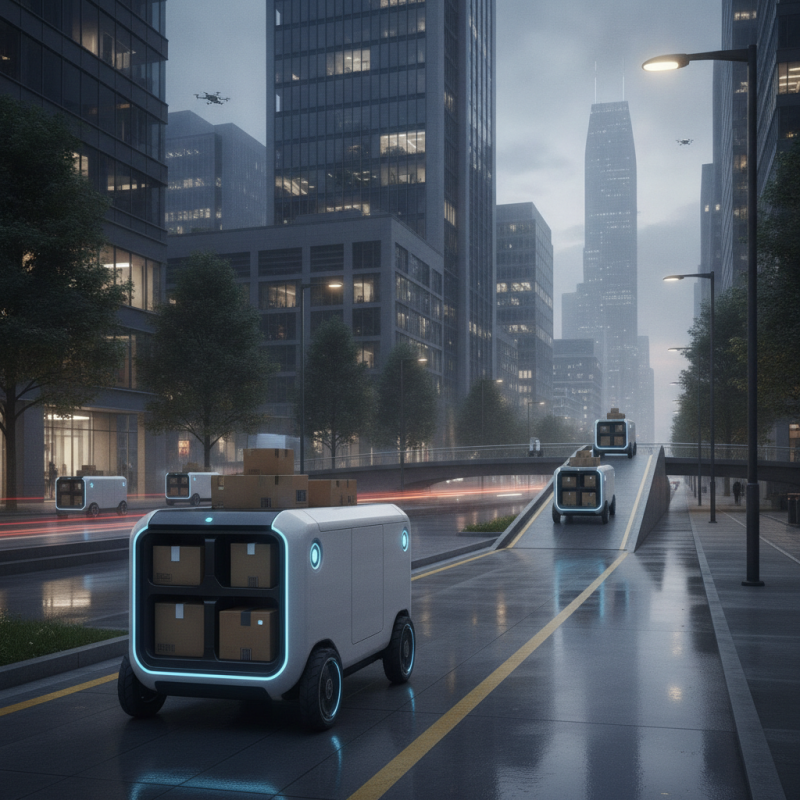
The evolution of delivery robots in China has been remarkable. Initially, these robots were simple tools used for last-mile delivery in urban areas. Their designs focused on efficiency and basic functionality. As technology advanced, robots transformed to include features like navigation and obstacle avoidance. This evolution has allowed them to operate autonomously in complex environments.
Today, delivery robots are more than just machines; they are becoming integral to logistics systems. These robots navigate sidewalks and roads with advanced sensors. They are capable of identifying pedestrians and avoiding obstacles. However, challenges remain. Weather conditions and varying terrain can impact their performance. Additionally, public acceptance varies. Some people embrace the convenience, while others express concerns about safety and privacy.
Despite these challenges, China's investment in robotics continues to grow. Researchers are exploring AI advancements to enhance the functionality of delivery robots. The focus is not solely on speed, but also on reliability in various conditions. There are still improvements needed in interaction design for better user experiences. This ongoing journey reflects the dynamic nature of technology in logistics. The future holds promise, but reflection on current limitations is essential.
Key Features of Leading Wholesale Package Delivery Robots
The rise of package delivery robots in China is reshaping logistics. These robots are addressing growing e-commerce demands. According to a report by the International Federation of Robotics, the market for logistics robots is expected to exceed $40 billion by 2025. Efficiency is a key feature of these robots, allowing for faster deliveries.
Safety features are equally important. Many of these robots are equipped with advanced sensors and machine learning capabilities. These systems help avoid obstacles in real-time. This technology reduces the risk of accidents. However, challenges remain in navigation and weather conditions.
Additionally, flexibility is a significant attribute. These robots can adapt to various delivery environments, from urban areas to crowded buildings. Operating in diverse settings requires constant updates and improvements. Reliability is critical, yet technical failures can still occur. Companies must continuously refine their technology to ensure higher performance. This ongoing evolution reflects the industry's commitment to innovation and customer satisfaction.
Top 10 China Wholesale Package Delivery Robots Revolutionizing Logistics Systems
| Robot Model |
Load Capacity (kg) |
Operating Range (km) |
Speed (km/h) |
Autonomy (hrs) |
Navigation Type |
| Model A |
60 |
15 |
10 |
8 |
Lidar |
| Model B |
50 |
20 |
12 |
10 |
Visual |
| Model C |
70 |
18 |
15 |
12 |
GPS |
| Model D |
40 |
10 |
8 |
6 |
Hybrid |
| Model E |
65 |
25 |
14 |
11 |
Lidar |
Impact of Delivery Robots on China's Logistics Industry
The rise of Delivery Robots in China is reshaping the logistics industry. These robots are becoming crucial for last-mile deliveries in urban areas. They move packages efficiently, reducing delivery times. Their use lowers operational costs for businesses and enhances customer satisfaction. However, the rapid rollout has challenges.
Some areas lack the infrastructure needed for delivery robots. Roads may be too narrow or poorly maintained. This can lead to delays and accidents. Also, the technology is evolving, which means constant updates are necessary. Companies need to invest wisely to keep up with changes.
Tips for businesses considering delivery robots: first, assess your delivery locations. Ensure they can accommodate these devices. Next, train staff on how to manage and interact with delivery robots. Lastly, gather feedback from customers to improve the service continuously. Utilizing delivery robots can lead to innovative solutions, but they require careful planning and adaptation.
Impact of Delivery Robots on China's Logistics Industry
Case Studies: Successful Implementation of Delivery Robots
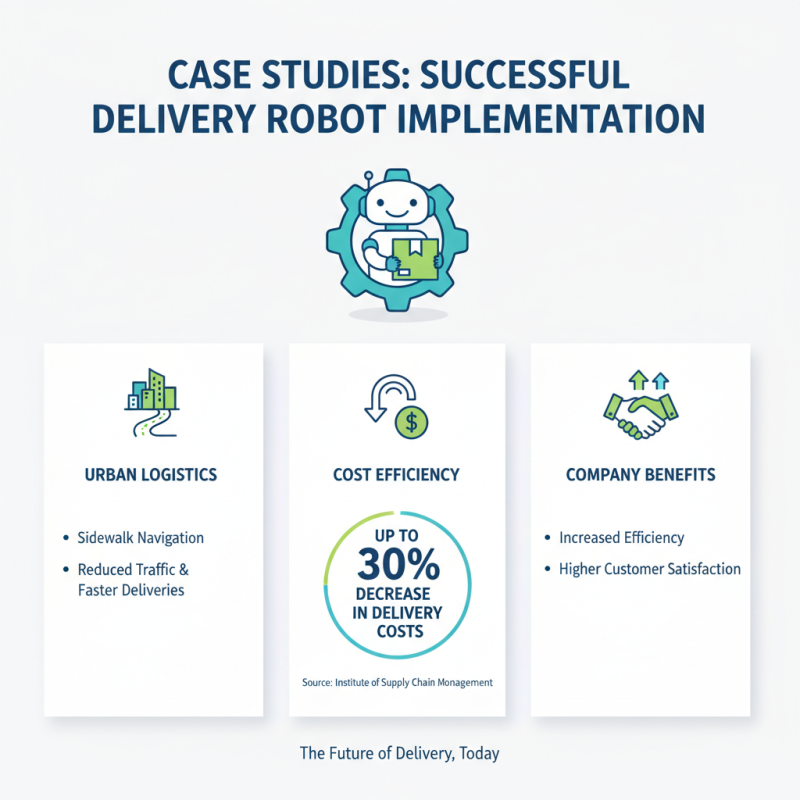
The integration of delivery robots into logistics systems has demonstrated notable success in various contexts. In densely populated urban areas, these robots navigate sidewalks, reducing traffic congestion and improving delivery times. A study from the Institute of Supply Chain Management shows that using delivery robots can decrease delivery costs by up to 30%. Companies implementing this technology report increased efficiency and customer satisfaction.
Case studies reveal that some delivery robots manage to cover a mile in under 15 minutes. This impressive speed, combined with their ability to operate 24/7, makes them a valuable asset. However, challenges remain. Obstacles such as weather conditions and pedestrian interactions can disrupt service. Adjusting to these variables is essential for optimization.
Tip: When considering robot deployment, assess your environment carefully. Analyze foot traffic patterns and potential barriers. This will maximize the robot's effectiveness and reliability. Continuous monitoring and updates are vital. Adjusting routes based on real-time data enhances performance and customer experiences. Embracing this technology requires evaluation and adaptation to succeed.
Challenges Faced by Delivery Robot Manufacturers
The rise of Ai Delivery Robots in logistics has transformed the industry. However, manufacturers face several significant challenges.
One major issue is the development of robust navigation systems. Ensuring a robot can navigate complex urban environments is not easy. Obstacles, pedestrians, and varying weather conditions pose constant threats.
Another challenge involves regulatory hurdles. Many regions lack clear guidelines for using delivery robots. This uncertainty can slow down deployment and increase costs. Ensuring compliance with local laws requires time and resources.
Additionally, manufacturers often struggle with public acceptance. Some people remain skeptical about the safety and reliability of these robots.
Moreover, technological advancements create a double-edged sword. While innovations can enhance performance, keeping up with rapid changes is tough. Those that fail to innovate risk falling behind. Manufacturers must balance cost, performance, and user satisfaction.
Addressing these challenges is essential for the successful integration of Ai Delivery Robots into logistics systems. Each hurdle presents an opportunity for growth, urging continuous development and improvement.
Future Trends in Delivery Robotics for Logistics
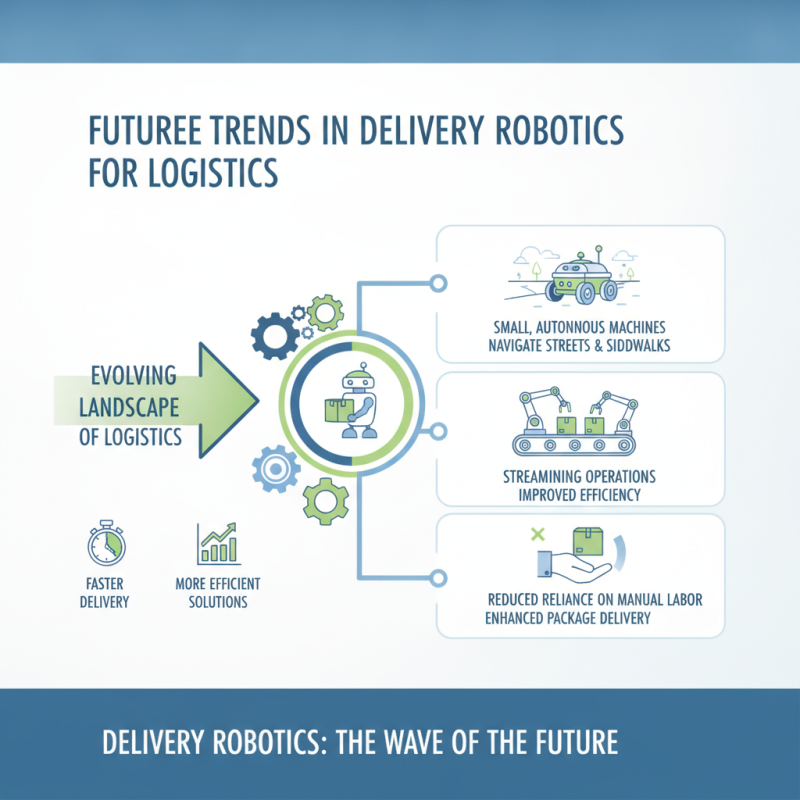
In the rapidly evolving landscape of logistics, delivery robotics is the wave of the future. Robots are becoming essential in streamlining operations and improving efficiency. These small, autonomous machines enhance package delivery systems significantly. They navigate streets and sidewalks, reducing the reliance on manual labor. The need for faster and more efficient delivery solutions drives this transformation.
Tips: Consider the environment where these robots operate. Urban settings may pose challenges, such as traffic and pedestrian movement. Understanding these factors is crucial for effective deployment.
Consumer expectations are shifting as well. People want quick deliveries, often within hours of placing an order. The emergence of the Food Delivery Robot is a testament to this demand. These robots can carry meals directly to customers' doors. However, they face obstacles like weather conditions and urban infrastructure. Addressing these issues is vital for their future success.
Tips: Companies should focus on building trust with consumers. Transparent communication about delivery times can enhance customer satisfaction. Regular updates keep customers informed and reduce frustration with delays.
Comparative Analysis of Delivery Robots Across Major Cities in China
In recent years, China has embraced the use of delivery robots. Major cities like Beijing and Shenzhen are at the forefront of this technology. These robots are changing the landscape of logistics and last-mile delivery. They are designed for efficiency, often navigating busy streets and narrow alleys. Some units can carry up to 20 kilograms of goods, making them quite versatile.
However, not all cities have adopted this technology equally. Urban infrastructure plays a key role. In more densely populated areas, obstacles can hinder the efficiency of these robots. For example, uneven sidewalks can delay deliveries. In contrast, cities with well-planned routes benefit from faster service. Moreover, public acceptance varies. Some residents appreciate the convenience of Robot Delivery Food, while others express concerns over privacy and safety.
Technological advancements continue to enhance robot capabilities. Sensors and AI help them avoid obstacles and make real-time adjustments. Yet, challenges remain. Battery life and charging stations are ongoing issues. Furthermore, the integration of delivery robots into existing systems is still under evaluation. While the future looks promising, continuous feedback and improvement are necessary for full optimization.
Conclusion
The article "Top 10 China Wholesale Package Delivery Robots Revolutionizing Logistics Systems" explores the rapid evolution of delivery robots in China's logistics landscape. It highlights the key features of leading package delivery robots, such as their advanced navigation technologies and efficiency in managing deliveries. These innovations have significantly impacted China's logistics industry by streamlining operations and reducing delivery times. Through various case studies, the article showcases successful implementations of delivery robots that demonstrate their effectiveness in real-world settings.
Despite the positive developments, the article also addresses challenges faced by manufacturers, including regulatory hurdles and technological limitations. Looking ahead, it discusses future trends in delivery robotics that may shape the logistics sector, alongside a comparative analysis of how these robots are adopted across major Chinese cities. Overall, the emergence of package delivery robots represents a transformative step in enhancing the efficiency and reliability of logistics systems in China.