Lately, there’s been a real surge in demand for Agv Robots. It’s kind of crazy to think that, by 2026, the market could be worth around $8.7 billion, according to recent reports. More and more companies are jumping on board with these automated systems to boost efficiency — especially in warehouses and factories. Big names like Amazon, Kiva Systems, and Fetch Robotics are really leading the charge and showing just how much you can benefit from integrating AGV Robots into your supply chain. It’s pretty impressive stuff.
That said, it’s not all smooth sailing. As this market grows, buyers are running into some hurdles. There’s a lot to consider — from choosing the right type of AGV Robot to figuring out how to deploy and maintain it properly. Unfortunately, reports say about 30% of implementations don’t work out — mainly because of poor planning. So, for folks looking to get into this game, it’s super important to really understand what they need and watch out for potential pitfalls.
Getting the right AGV Robot can seriously change the game for productivity. But here’s the thing — many organizations don’t realize how crucial it is to pick solutions that are custom-fit to their specific workflows. Going with a one-size-fits-all approach usually ends up causing more headaches than it’s worth. If you want your project to succeed and stay ahead in this competitive scene, taking the time to address these challenges really matters.
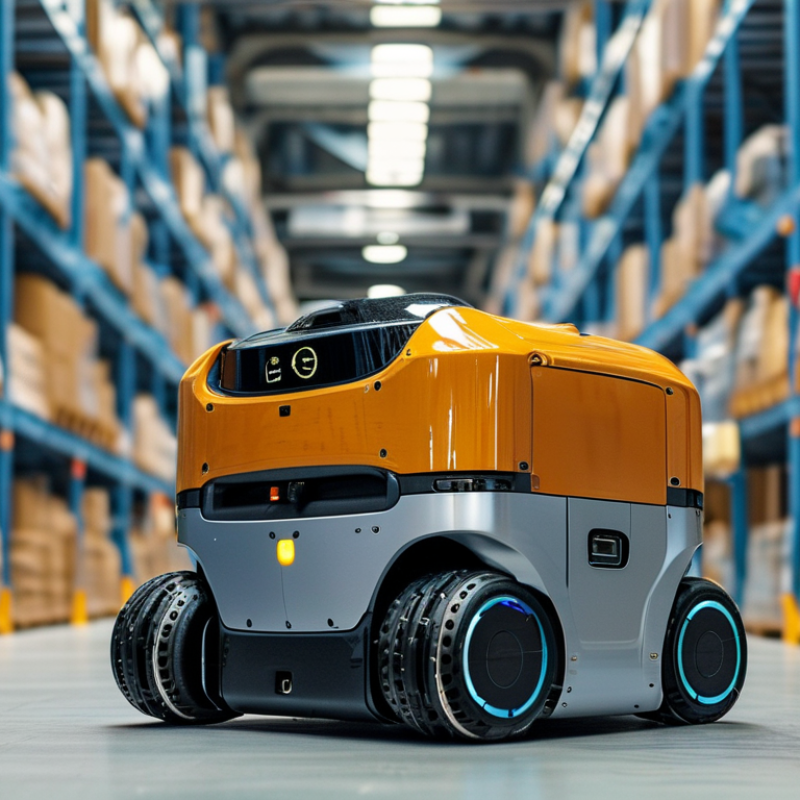
Overview of AGV Robots and Their Importance in 2026
In 2026, AGV robots are set to revolutionize logistics and supply chain management. These automated guided vehicles enhance efficiency in warehouses. According to a recent industry report, the AGV market is projected to grow at a CAGR of 16% from 2021 to 2026. This growth is driven by the increasing demand for automation and cost reduction in manufacturing processes.
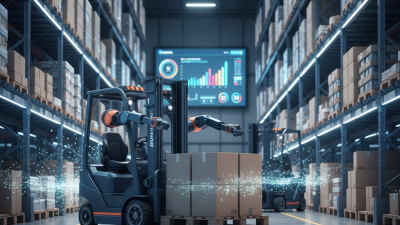
AGV robots are key in optimizing operations. Their capability to navigate complex environments helps in reducing labor costs and improving safety. In an Agv Robot Warehouse, these machines handle inventory with precision. They reduce human error significantly, which leads to increased accuracy in stock management. Yet, not all solutions are perfect. Some organizations face challenges integrating AGVs into existing systems.
Tip: When considering AGV solutions, conduct a thorough analysis of your operational needs. Assess ongoing maintenance costs to avoid unexpected expenses. Research shows that companies with clear integration strategies enjoy better outcomes. This reflects the importance of making informed choices when implementing technology in your AGV Robot Warehouse.
Key Features to Consider When Choosing AGV Robot Solutions
Choosing the right Automated Guided Vehicle (AGV) solution is crucial for businesses looking to enhance efficiency. Several key features can help global buyers make informed decisions in 2026. First, consider the navigation technology. AGVs utilize various navigation systems like laser, magnetic, or vision-based methods. According to a recent market analysis report, laser-guided AGVs are expected to dominate 50% of the market by 2026 due to their precision.
Load capacity is another critical factor. Depending on your operational needs, you'll want AGVs that can handle your specific cargo weight. Many businesses overlook this aspect, leading to underperformance. It's essential to assess potential AGVs against your material handling requirements. Maintenance and support services are also vital. Studies show that companies with robust after-sales support have 30% lower downtime.
Lastly, scalability plays a significant role. Companies must choose AGVs that can adapt to their evolving needs. The demand for flexible solutions will rise, with 70% of logistics managers prioritizing scalability in their purchasing decisions. While the AGV market offers many options, buyers must critically evaluate these features. Not every solution will fit all operational models. Taking the time to research and reflect on these aspects will ensure a healthier return on investment.
Top Industries Adopting AGV Robots in 2026
In 2026, various industries are recognizing the potential of AGV robots. These robots are becoming essential in manufacturing, logistics, and healthcare. Their ability to streamline operations enhances efficiency significantly. Companies utilize these robots to automate material handling. This minimizes human error and reduces operational costs, especially in busy warehouses.
Pallet Agvs are particularly popular in warehouses. They excel at transporting heavy loads across large facilities. These robots navigate complex layouts while ensuring safety. The integration of sensors and AI allows for real-time decision-making. However, not all companies find the transition seamless. Some face challenges with initial setup and staff training. It’s critical to address these issues to fully leverage the benefits of AGVs.
Healthcare is also adopting AGV technology, particularly for medication delivery. These robots ensure timely and accurate deliveries within hospitals. However, there are concerns regarding reliability and maintenance. Regular check-ups are crucial to prevent malfunctions. Overall, while the adoption of AGV robots presents obstacles, their diverse applications in various industries highlight their growing importance in 2026.
Leading AGV Robot Manufacturers and Their Innovations
In the evolving landscape of automated guided vehicles (AGVs), key manufacturers are pushing the boundaries with innovative solutions.
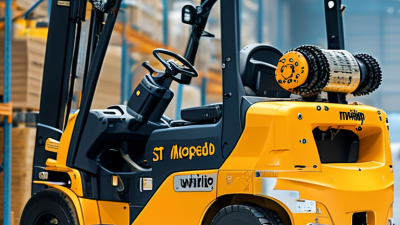
Forklift Agvs
stand out for their ability to streamline warehouse operations. They offer efficient material handling, reduced labor costs, and improved safety.
However, some limitations could slow down their widespread adoption. For instance, they may struggle in complex environments with unpredictable dynamics.
Many companies are investing time and resources into enhancing AGV technology.
Integration with AI and real-time data analytics is becoming common.
This allows for better obstacle detection and navigation. Yet, some AGVs still face challenges in adapting to real-world scenarios.
Issues with software interoperability and maintenance can arise, requiring ongoing improvements.
User-centric designs are becoming increasingly essential.
Manufacturers prioritize user feedback to enhance functionalities.
Customizable features allow users to tailor the AGV experience.
However, the market still lacks standardized solutions, which can create confusion.
This calls for a collective effort among manufacturers to create coherence and consistency in their offerings.
Comparative Analysis of AGV Robot Performance and Cost
In 2026, the demand for Autonomous Guided Vehicles (AGVs) is set to rise significantly, driven by automation needs in warehouses and manufacturing. AGVs can reduce operational costs by up to 30%, as reported by industry analysis from McKinsey & Company. This reduction is primarily due to improved efficiency and reduced labor costs. However, buyers must consider the initial investment and long-term ROI when evaluating AGV solutions.
Cost may vary widely depending on performance specifications. For example, high-capacity AGVs often come at a premium. A report from Grand View Research indicates that prices for advanced models can exceed $100,000. Despite the upfront costs, these models can achieve a 25% faster throughput, making them attractive for high-demand environments. Evidence shows that while cheaper models offer lower initial prices, they often lack necessary features, leading to higher operational costs over time.
Buyers must also evaluate reliability. Downtimes can be costly. Less expensive AGVs may face more frequent technical issues. Data from IoT analytics suggests that only 70% of lower-tier models meet reliability standards. This statistic raises concerns about their long-term viability. Thus, performance and cost must be carefully balanced to avoid hidden expenses that could negate initial savings.
Future Trends in AGV Technology and Automation
The evolution of Automated Guided Vehicles (AGVs) is reshaping industries worldwide. AGVs will integrate advanced sensors and AI, improving navigation and decision-making. These innovations will enhance efficiency, reduce downtime, and optimize resource management. Flexible routing will allow AGVs to adapt to changing environments. The result? More fluid and dynamic workflows.
However, challenges remain. Implementing AGV technology requires significant investment and training. Companies must assess their specific needs before adoption. Cybersecurity also poses threats in an increasingly connected landscape. As AGVs become more autonomous and interlinked, they could become targets for cyber attacks.
Outdated infrastructure can hinder AGV integration, creating a gap between expectations and reality. The workforce may resist change, fearing job losses. Employers should ensure that employees are involved in the transition. Creating a collaborative atmosphere is essential for successful implementation. Balancing innovation with human element will be crucial in 2026 and beyond.
Case Studies: Successful Implementation of AGV Robots Globally
The adoption of AGV robots has surged in various industries, facilitating efficient material handling. In logistics, one case study highlights a warehouse that implemented AGV technology to streamline its operations. By automating transport tasks, the facility reported a 30% increase in throughput. However, challenges arose with integration into existing systems. Staff training and adapting workflows took considerable time. This underscores the need for careful planning.
Another significant example comes from a manufacturing plant that incorporated AGV solutions for assembly line transport. The results were impressive, with a reduction in labor costs by up to 25%. Yet, reliance on technology raised concerns about maintenance and unexpected downtime. Workers found it hard to adapt to new roles, revealing gaps in transition strategies.
Industry reports, such as those from analysts at Market Research Future, predict that the AGV market will grow exponentially. By 2026, the global AGV market is expected to exceed $5 billion. However, companies must approach this trend with caution. Assessing the impact on workforce dynamics and operational reliability remains crucial. Agv Transport offers great potential, but not without its hurdles.
Revolutionizing Parenting: The Role of China Family Care Companion Robots in Supporting Children Aged 3-8
In today’s fast-paced world, parenting can be a daunting task, especially for families with young children aged 3 to 8. This is where the revolutionary concept of family care companion robots comes into play, offering invaluable support to both children and their parents. These innovative growth companion robots are specifically designed to nurture developmental milestones while providing educational assistance, making them an essential tool for the modern family.
Equipped with advanced technologies, these robots are capable of multimodal interaction, allowing them to engage children in a variety of meaningful ways. From tracking growth and development to facilitating role-playing scenarios, these devices support children in their learning journeys, making education fun and interactive. Furthermore, they offer academic support and guidance on habit formation, ensuring that children establish a solid foundation for future learning. For parents, these robots act as dedicated partners in implementing effective and scientific parenting strategies, allowing them to focus on their children's holistic growth.
By leveraging cutting-edge artificial intelligence and perceptive technologies, these companion robots empower children to explore, learn, and develop essential skills in a safe and supportive environment. As they evolve, they embody the principles of enlightenment and growth, reflecting the potential of modern technology to enhance parenting and child development in unprecedented ways.
FAQS
AGVs can reduce costs by up to 30%, improving efficiency and reducing labor expenses.
Buyers must evaluate the initial investment and long-term ROI carefully before making a purchase.
Prices can vary widely, with advanced models exceeding $100,000 due to high-capacity and features.
Only 70% of lower-tier models meet reliability standards, leading to higher operational costs over time.
Integrating AGV technology required extensive staff training and adaptation of workflows.
AGVs can lead to a reduction in labor costs by up to 25%, but reliance on them raises maintenance concerns.
Careful planning is crucial to address potential operational and workforce issues during integration.
Workers struggled to adapt, highlighting gaps in transition strategies and training programs.
Companies must assess the impact on workforce dynamics and operational reliability before proceeding.
Conclusion
As the demand for automation continues to rise, AGV robots are becoming increasingly crucial across various industries in 2026. These robots are designed to enhance efficiency and reduce labor costs, making them an essential investment for businesses aiming to stay competitive. Key features to consider when selecting AGV robot solutions include navigational capabilities, load capacity, and integration with existing systems.
In 2026, industries such as manufacturing, logistics, and healthcare are leading the adoption of AGV robots, leveraging their potential to streamline operations. A comparative analysis of performance and cost helps buyers make informed decisions, while current trends indicate a future focus on advanced AI integration and enhanced safety features. Case studies of successful AGV robot implementations globally showcase their effectiveness and the transformative impact they can have on operational workflows.