inquiry
Leave Your Message
0%

Lately, the rise of AI talking robots has really been shaking up the tech world. Thanks to all the advances in artificial intelligence, these robots can now have pretty engaging and dynamic chats. But honestly, if you're thinking about getting one, it’s super helpful to know what features to look out for—makes it easier to make a good choice.

There are tons of brands making these AI talking robots, and honestly, not all of them are created equal. Some have really fancy voice recognition, while others focus more on emotional intelligence—kind of like how well they 'get' your feelings. Different features can seriously change how you experience them. So, understanding what each robot can do helps you connect with the tech in a more meaningful way.

If you’re thinking about buying one, it’s worth considering how adaptable the robot is to your needs. Some models might not quite hit the mark or live up to your expectations. Being aware of both their strengths and quirks will help you make a smarter choice. Since this tech is evolving so fast, staying in the loop about the key features is pretty much essential. The right AI talking robot can genuinely add a lot to your daily routine—kind of like having a new buddy around.
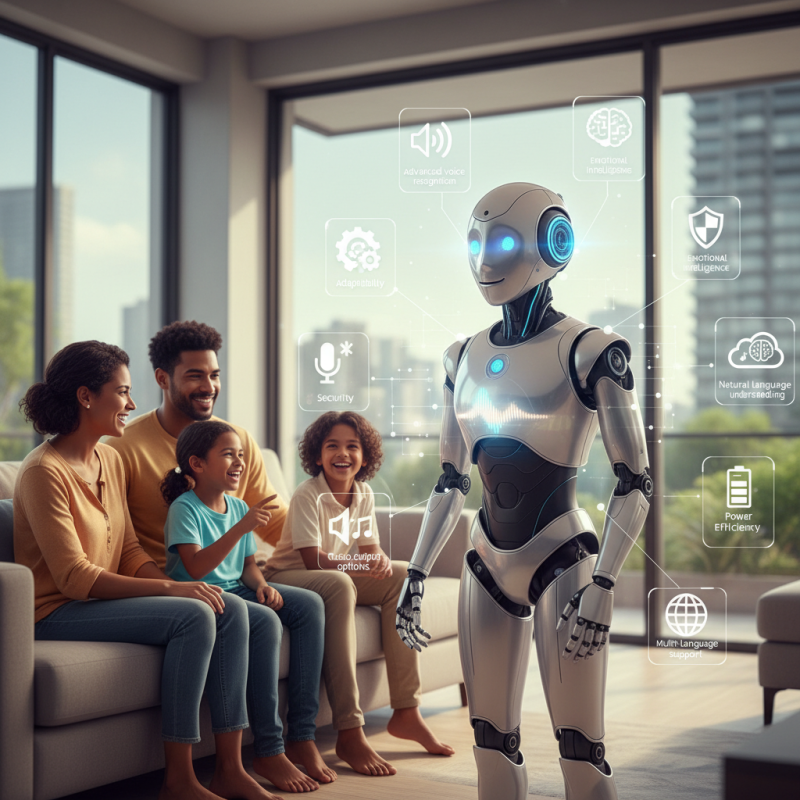
Top 10 Ai Talking Robot Features Buyers Must Know?

Key Characteristics of AI Talking Robots: An Overview

AI talking robots are transforming the way we interact with technology. One key characteristic is voice recognition. This feature allows robots to understand and respond to human speech. Accuracy is crucial here. Sometimes, these robots struggle with accents or background noise, making communication challenging. Improvements are ongoing, but it highlights the need for better algorithms.

Another essential feature is emotional intelligence. AI talking robots are designed to recognize and respond to human emotions. They can engage users in more meaningful conversations. However, their ability to accurately interpret feelings can vary. Users might find responses lack depth or are misaligned with their emotions. This inconsistency sparks discussions about the effectiveness of AI in human-like interactions.

Additionally, personalization stands out as a critical aspect. AI talking robots can learn user preferences over time. This capability enhances user experience significantly. Yet, it also raises questions about privacy and data security. Users must reflect on how much personal information to share. These characteristics shape the future of Ai Robot Talking and its place in our daily lives.

Understanding Speech Recognition Systems in AI Robots

Top 10 Ai Talking Robot Features Buyers Must Know?

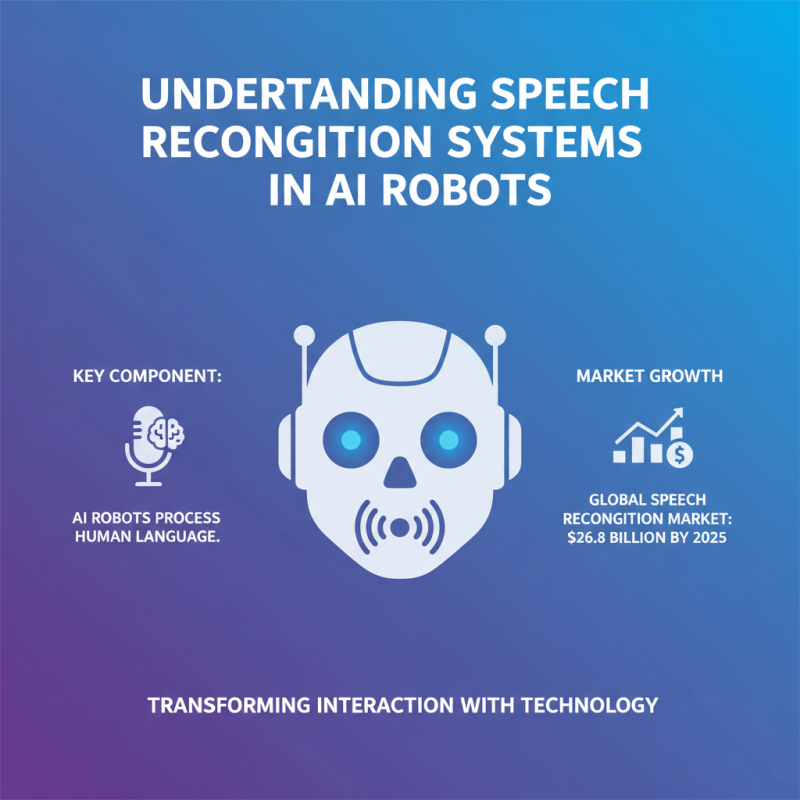
The rise of AI talking robots is transforming how we interact with technology. A crucial component of these robots is their speech recognition systems. These systems enable them to understand and process human language. Reports indicate that the global speech recognition market is expected to reach $26.8 billion by 2025, showcasing rapid growth. This growth highlights the increasing importance of speech recognition in daily life and technology.

Speech recognition systems work by converting spoken words into text. They use machine learning algorithms to improve accuracy over time. However, challenges remain. Accents, dialects, and background noise can affect performance. In 2021, a study found that only 85% of speech recognition systems achieved accurate transcriptions in noisy environments. This indicates the need for ongoing development in this area.

Moreover, user trust plays a significant role in the adoption of these technologies. Many users worry about privacy and data security. Research revealed that 48% of users are hesitant to use voice-activated devices due to concerns over personal information. These factors are critical as developers strive to create more reliable and user-friendly systems. The path forward requires addressing these challenges while enhancing accuracy and user experience.

The Role of Natural Language Processing in AI Communication

Natural Language Processing (NLP) plays a critical role in AI communication. It allows machines to understand human language. Reports indicate that around 60% of consumers prefer text-based communication with robots. This preference underscores the importance of effective NLP. Machines that grasp context, tone, and nuance perform better in user interactions.

Many talking robots rely on sophisticated algorithms to analyze language patterns. For example, research shows that 80% of AI conversations fail due to misunderstandings. This highlights the need for continuous improvements in NLP technologies. Addressing these challenges is crucial for developing reliable systems. Users often encounter robotic responses that feel out of touch. This can lead to frustration and decreased engagement.

The evolving landscape of NLP also introduces imperfections and ambiguities. Systems can misinterpret slang or idiomatic expressions. This can alienate users who expect seamless conversations. Furthermore, bias in training data can affect the output. Continuous evaluation and updating of models are necessary to build trust. Understanding these limitations fosters better communication and user experience.

Essential Features of Emotion Recognition in AI Robots

Emotion recognition is a crucial feature in Ai Talking Robots. It allows these robots to understand and respond to human emotions. This capability enhances interaction and creates a more engaging experience. Recognizing emotions can be through facial expressions, voice tone, and even body language. The technology that powers this feature is constantly evolving.

Many AI talking robots use advanced algorithms. These algorithms analyze data to identify emotional cues. However, the accuracy of emotion recognition can vary. Sometimes, robots misinterpret emotions, leading to awkward interactions. Users should be aware of these limitations while engaging with AI robots. Emotional responses can be complex, and context matters.

Real-world applications include customer service and therapy. Robots can provide companionship or support by recognizing user emotions. However, ethical concerns also arise. Misuse of this technology can lead to manipulation or privacy issues. It is essential for developers to consider these risks while enhancing AI talking robots' capabilities.

User Interaction and Engagement Capabilities of Talking Robots

Talking robots have become integral to user interactions. Their ability to engage users depends on several interactive features. One important aspect is natural language processing. This allows robots to understand and respond to human speech more effectively. The clearer their communication, the more relatable they appear to users.

Moreover, emotional intelligence plays a crucial role. Robots that can detect and react to user emotions can foster deeper connections. Such robots can initiate conversations based on a user's mood, enhancing engagement. For instance, a Mow Robot may provide personalized gardening tips. Its ability to interpret user feelings can transform simple tasks into enjoyable experiences.

Another feature worth noting is adaptability. A talking robot that learns from interactions can improve over time. This raises questions about data privacy and user comfort. Moreover, while many robots offer great interactions, they may still miss nuances in conversation. This reinforces the need for continuous improvement. User experience should always be at the forefront of design considerations in talking robots.

The Impact of Machine Learning on AI Robot Responses

Top 10 Ai Talking Robot Features Buyers Must Know?

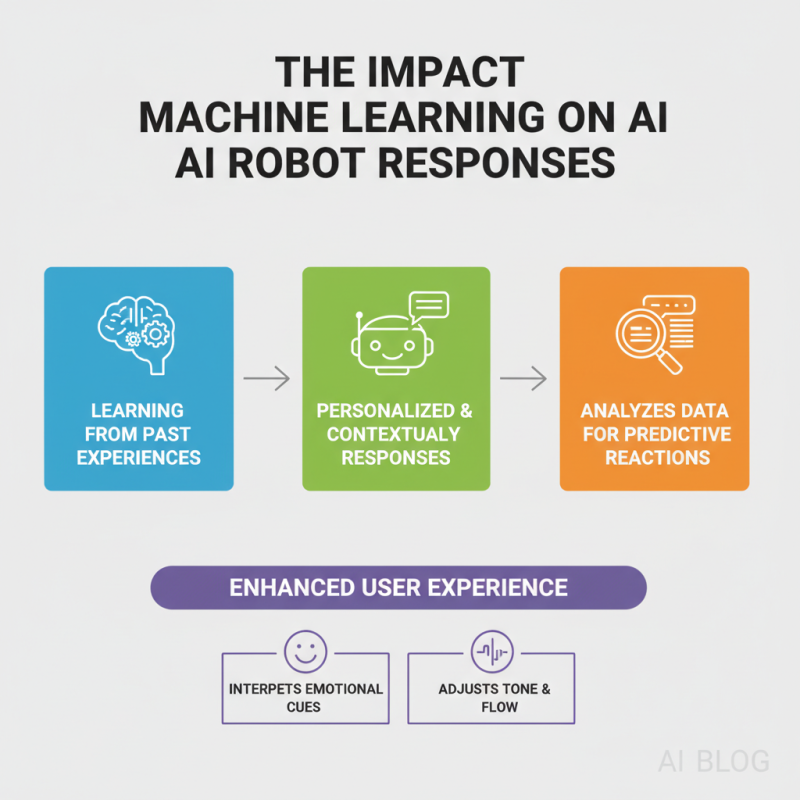
Machine learning significantly influences how AI robots respond to user interactions. This technology allows robots to learn from past experiences, making their responses more personalized and contextually relevant. The algorithms analyze vast amounts of data to predict appropriate reactions, enhancing user experience. For instance, a talking robot can better interpret emotional cues or adjust its tone based on the conversation's flow.

Despite its advantages, reliance on machine learning has drawbacks. Data bias can lead to inappropriate responses. If a robot learns from flawed data, it may reflect those errors in its replies. Additionally, not all users have the same expectations. A response that seems helpful to one person may appear irrelevant or frustrating to another. This inconsistency highlights the need for ongoing evaluation and improvement of AI robot interactions. Fine-tuning a robot's learning process is essential to ensure trustworthy communication. As technology evolves, the need for transparent learning practices becomes increasingly important to build user confidence.

Safety and Ethical Considerations in AI Talking Robots

As AI talking robots advance, safety and ethical considerations are paramount. According to a study by the International Journal of Robotics Research, over 70% of users express concerns regarding the ethical implications of AI interactions. Users desire transparency in the decision-making processes of these robots. Many want assurances that their data is handled responsibly and ethically.

Ethical guidelines must evolve alongside technology. AI talking robots should prioritize user privacy. For instance, a report from the World Economic Forum indicates that 65% of individuals fear their conversations could be recorded without consent. Furthermore, the role of AI in emotional manipulation is alarming. Users may mistakenly believe the robot understands their feelings due to its conversational abilities. This creates a potential for misuse, especially in sensitive environments like healthcare.

Additionally, safety measures must be implemented. An analysis from MIT Technology Review highlights that many robots, including Agv Robots, can malfunction. This reveals a gap in safety protocols during critical operations. Designing intuitive fail-safes should be a priority to prevent accidents. Ethical considerations around AI should also include the potential for job displacement, as automation reshapes industries. These reflections on safety and ethics in AI talking robots are vital for shaping responsible technology.

Top 10 AI Talking Robot Features Buyers Must Know

Innovative AI-Powered Street Sweeping Robots: Revolutionizing Outdoor Cleanliness with Advanced Solutions from Chinese Manufacturers

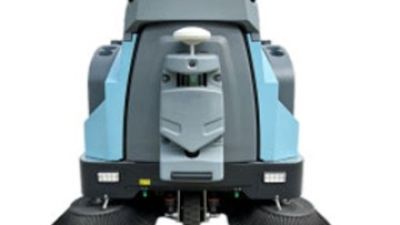
In the pursuit of maintaining cleanliness in urban environments, innovative AI-powered street sweeping robots are setting new standards for outdoor maintenance. These advanced machines are designed to operate efficiently in various public spaces, including enclosed and semi-enclosed areas, addressing the growing need for effective cleaning solutions. With a combination of deep environmental perception and intelligent decision-making capabilities, these robots can adapt to diverse conditions, ensuring that every corner is meticulously cleaned.

As a testament to the capabilities of these groundbreaking robots, their operational efficiency hinges on a mobile robotic platform that executes tasks with precision. They integrate cutting-edge technology that not only enhances cleaning performance but also promotes sustainability. By providing standardized and quantifiable cleaning solutions, these robots signify a shift toward smarter urban management. The integration of artificial intelligence allows for real-time adjustments and improvements, showcasing an advanced approach to outdoor cleanliness that is both effective and environmentally friendly.

This innovative technology represents a significant leap forward in how cities can manage public cleanliness. Embracing these AI-driven robots means experiencing a future where cleanliness is not just maintained but optimized, paving the way for healthier and more aesthetically pleasing urban spaces. The evolution of street cleaning into an intelligent, automated process marks a critical advancement in urban infrastructure, reflecting the potential of technology in enhancing everyday life.

FAQS

: What are speech recognition systems in

I robots?

How do these systems improve accuracy?

They use machine learning algorithms to adapt and enhance performance over time.

What challenges do speech recognition systems face?

Accents, dialects, and background noise can impede performance significantly.

What is the current accuracy rate of speech recognition in noisy environments?

Only 85% of systems achieved accurate transcriptions in such conditions.

Why do many users hesitate to use voice-activated devices?

Privacy and data security concerns make 48% of users reluctant to adopt these technologies.

What ethical concerns do users have about AI talking robots?

Over 70% of users are worried about the ethical implications of AI interactions.

How should AI robots handle user data?

They must prioritize user privacy and ensure ethical handling of personal information.

What potential misuse exists with AI emotional capabilities?

Users may wrongly believe robots understand their feelings, leading to manipulation risks.

What safety measures are necessary for AI robots?

Implementing intuitive fail-safes is essential to prevent accidents during operations.

What impact does automation have on jobs?

The rise of AI may lead to job displacement as industries evolve and automate tasks.

Conclusion

The article "Top 10 AI Talking Robot Features Buyers Must Know" provides an insightful overview of the essential characteristics that define AI Talking Robots. It emphasizes the significance of speech recognition systems, which enable these robots to understand and respond to human dialogues effectively. Additionally, the role of Natural Language Processing (NLP) is highlighted, showcasing how it facilitates seamless communication between users and AI Talking Robots.

Moreover, the incorporation of emotion recognition capabilities is crucial for enhancing user interaction and engagement, allowing robots to respond more empathetically. The impact of machine learning on the responsiveness of AI Talking Robots is also discussed, illustrating how they adapt and improve over time. Lastly, the article addresses the importance of safety and ethical considerations, ensuring that the development and deployment of AI Talking Robots remain responsible and respectful towards users.


Evelyn

Evelyn

Evelyn is a dedicated marketing professional at a leading high-tech enterprise specializing in the research, development, production, and export of intelligent robots. With a strong foundation in technology and marketing, she possesses an in-depth understanding of the company’s innovative products,......
Previous How to Choose the Best Garden Mower for Your Needs?