Lately, it feels like everyone’s talking about AI talking robots — and honestly, the demand has skyrocketed in recent years. This stuff is pretty revolutionary, changing the way we interact with machines and making things feel way more natural. Dr. Emily Carter, a top expert in robotics, often says, 'The only limit to what Ai Talking Robots can do is our own imagination.' That really sums up how exciting and rapidly evolving this industry is, don’t you think?
Companies worldwide are starting to see how valuable these robots can be. They’re not just cool to look at — they help improve customer service, make operations smoother, and even create more engaging experiences. For example, companies like SoftBank Robotics have rolled out robots capable of actually chatting with customers and giving personalized help. But, it’s not all smooth sailing. Some users get a bit frustrated because these robots sometimes struggle with nuanced conversations or don’t quite get the context.
The world of Ai Talking Robots is still changing fast. Businesses need to pick solutions that really fit their needs and not just jump on the latest trend. And while the tech gets smarter every day, we can’t ignore the ethical stuff — like privacy issues and data security. The future looks pretty promising for Ai Talking Robots, but we gotta be thoughtful about how we develop and use them so we stay responsible along the way.
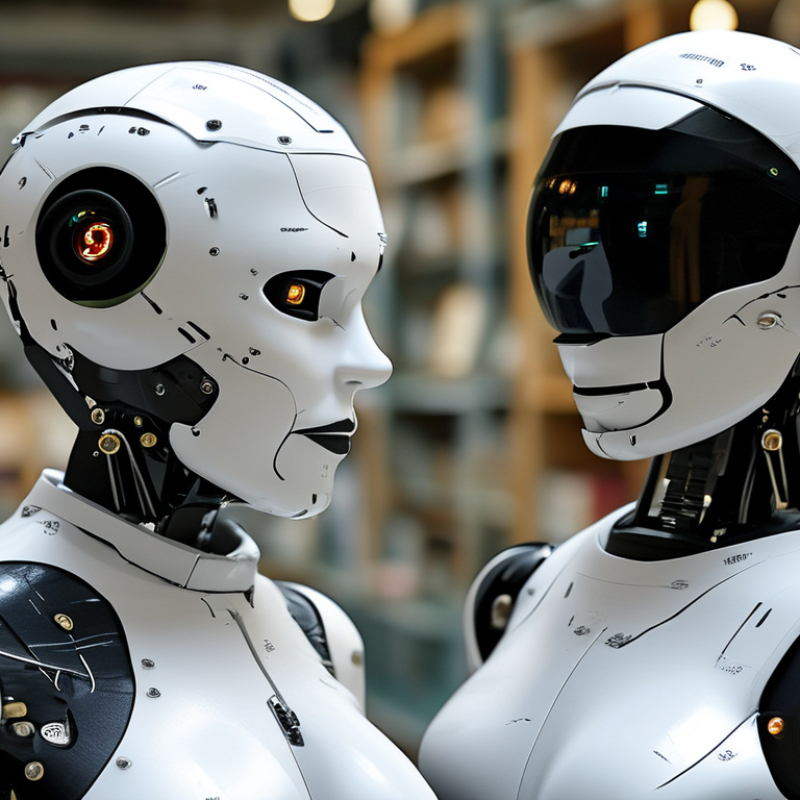
Overview of AI Talking Robots in Today's Market
Artificial Intelligence has transformed communication in recent years. AI robots talking have become a fascinating subject in various industries. These robots leverage advanced machine learning algorithms to understand and respond to human language. Their conversational abilities attract businesses seeking enhanced customer interaction.
In today's market, the demand for AI talking robots grows rapidly. They are utilized in customer service, education, and entertainment sectors. While the technology is impressive, challenges remain. For example, the emotional connection with users can sometimes be lacking. People expect empathy, but AI often struggles to provide it. As we explore this innovative landscape, it's crucial to assess the limitations and ethical implications of AI talking robots.
Moreover, the integration of AI in human communication raises important questions. How do we ensure these technologies promote positive interactions? What safeguards are necessary to prevent misuse? As we develop AI robots talking, we must prioritize responsible usage. This journey involves reflection and continuous improvement to create trustworthy, reliable solutions for global buyers.
Criteria for Evaluating AI Talking Robot Solutions
When evaluating Ai Talking Robot solutions, buyers should consider several critical factors. The accuracy of the AI's speech recognition is paramount. High accuracy enhances user engagement and satisfaction. Additionally, the robot's ability to interpret context is essential. Contextual understanding allows the AI to provide relevant responses, which boosts conversational quality.
Another important criterion is the robot's adaptability. It should learn from interactions over time. Flexibility in language and tone can improve user experience significantly. Furthermore, evaluating the integration capabilities is vital. The AI talking robot should seamlessly connect with other systems. This will ensure a smoother flow of information and enhance functionality.
Buyers also need to assess the support and updates provided by the solution. Regular updates ensure the AI remains current with evolving language trends. Establishing robust troubleshooting and customer support channels adds to reliability. While many solutions may boast features, not all meet expectations. Thus, considering user reviews and feedback can be insightful. This process allows buyers to make informed decisions based on real-world experiences.
Top 10 AI Talking Robot Solutions for Global Buyers
The rise of AI talking robots has transformed how businesses interact with customers. Companies seek reliable solutions that improve engagement and streamline communication. Each option offers unique features designed to enhance customer experience, yet not all are equal.
Global buyers must consider various factors. Some robots excel in natural language processing, while others focus on emotional understanding. It's crucial to evaluate the technology's adaptability to different languages and cultures. A solution that works well in one region may falter in another. Testing these robots in real-world scenarios can reveal potential weaknesses.
User feedback often uncovers valuable insights. Many buyers report mixed results with deployment. Some robots struggle with complex queries, leading to frustration. Developers should focus on refining these systems for better accuracy. It’s clear that as AI technology advances, the demand for effective talking robots will only grow. Buyers need to stay informed and critically evaluate which solutions can best meet their needs.
Detailed Features and Capabilities of Each Solution
The rise of AI talking robots has transformed various sectors. These technologies offer interactive communication, making them suitable for customer service, education, and healthcare. Many solutions are packed with advanced features, including natural language processing and machine learning. This enhances user engagement. One crucial aspect is language compatibility, which allows these robots to communicate effectively in multiple languages.
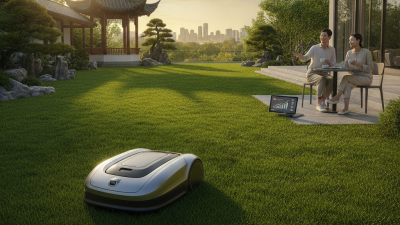
Mow Robot solutions often include voice recognition capabilities. Users can give commands and receive instant feedback.
The integration of emotional intelligence is another significant feature. This allows robots to respond in a more human-like manner, making interactions feel natural. However, the accuracy of topic understanding can vary, leading to occasional misunderstandings.
Security and privacy are also vital considerations. Many robots collect and analyze user data, raising concerns about information security. It’s important for buyers to reflect on the robustness of data protection measures. While these robots show immense potential, their limitations warrant careful evaluation. Investing in AI talking robots is exciting yet requires thoughtful scrutiny of these aspects.
Pricing and Cost Considerations for Buyers
When considering the acquisition of AI talking robot solutions, pricing plays a crucial role. Reports indicate that the cost of these robots can vary significantly. Basic models may start around $2,000, while advanced versions can exceed $50,000. This disparity depends on functionality, capabilities, and hardware. Buyers should evaluate their needs carefully, as investing in a higher-end model could yield better ROI through improved customer interactions.
Customized AI solutions may also drive up costs. According to a recent analysis, around 40% of businesses report spending additional funds on customization for specific use cases. However, off-the-shelf models are often available at a lower price point. It's essential to conduct a cost-benefit analysis. Some models equipped with sophisticated software can reduce operational costs in the long run.
Potential buyers should remain cautious about hidden fees. Maintenance and software updates often require additional investments. Research indicates that ongoing costs can surpass initial outlays by 20% to 30%. Future-proofing your investment in AI talking robots can be challenging. The market evolves rapidly, making it vital to choose a versatile and scalable option. Understanding these dynamics can lead to informed decisions. Carefully weigh your options to maximize the benefits of your purchase.
User Experience and Customer Support Insights
In the evolving landscape of AI talking robots, user experience plays a pivotal role. A recent survey indicates that 72% of users prioritize ease of interaction over advanced features. An intuitive design can significantly enhance engagement. Graphics and voice quality are crucial. A report from Tech Research states that clearer voice recognition leads to 50% fewer user frustrations.
Customer support is another critical facet. Efficient support increases user satisfaction, with 68% of consumers stating they would continue using a service with strong support. Notably, AI chatbots often provide immediate responses, enhancing the experience. However, challenges remain. Many users report dissatisfaction with responses, citing a lack of contextual understanding. This gap can lead to second-guessing both the technology and the brand behind it.
Moreover, data shows that 30% of users prefer human interaction for complex inquiries. This suggests that while AI provides immediate assistance, some scenarios still require a human touch. It is essential for developers to address these areas. Continuous user feedback could help bridge the understanding gap and improve overall experiences.
Future Trends in AI Talking Robot Technology
The future of AI talking robots is evolving rapidly. These technologies enhance human interaction in various sectors. As natural language processing improves, robots are becoming more personable. They can understand emotions better, leading to richer conversations. We may soon witness robots that adapt to the user's mood or preferences.
Design plays a crucial role in this evolution. A well-designed robot can attract users and create meaningful engagements. Appearance, voice, and user-friendly interfaces matter. However, many designs lack the charm that encourages long-term use. It’s essential to balance technology and aesthetics for better usability.
Robots will not replace human interaction but will complement it. People often feel a disconnect with robotic voices. That’s an area needing attention. Creating a more human-like presence in AI could change that perception. It’s vital to invest in research that focuses on emotional intelligence in robots. Observing user feedback closely is essential for improvement. Continually refining these technologies will shape their future role in our lives.
The Future of Companionship: Exploring the Benefits of Intelligent Interactive Companion Robots for Care and Mobility
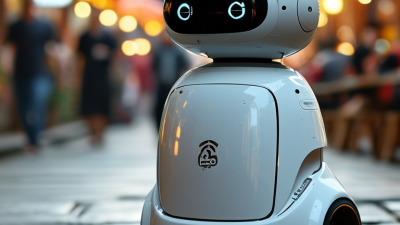
In the rapidly evolving landscape of artificial intelligence, interactive companion robots are paving the way for a new era of companionship and care. These innovative devices are not merely tools; they are designed to enhance our daily lives, especially in terms of mobility and emotional support. By integrating self-balancing technology with charming aesthetics, such as a delightful panda shape, these companions resonate emotionally with users, transforming the experience of care into something more engaging and relatable.
Imagine a three-in-one companion that not only accompanies you on shopping trips or leisurely strolls but also acts as a personal health advisor during your runs. This intelligent companion does not just carry items; it monitors your well-being and looks after your pets, allowing you to focus on what truly matters. With features like LED emotional expressions, it creates interactive moments that foster bonds and provide comfort. As these robots learn and grow alongside us, they fill crucial gaps in mobility and personal assistance, making them an invaluable addition to our homes.
As we embrace these silicon-based companions, we are stepping into a future where technology enriches our lives not just functionally, but also emotionally. This synergy between advanced robotics and heartfelt interaction represents a significant leap forward in how we conceptualize companionship, blending care with cutting-edge innovation to meet the evolving needs of society.
FAQS
I talking robots used for?
They use advanced machine learning algorithms for natural language processing.
They often lack emotional connection and empathy in interactions.
Feedback reveals issues like struggles with complex queries and areas for improvement.
Their effectiveness can vary by region, so adaptability to languages and cultures is essential.
Buyers should look for natural language processing, emotional intelligence, and security measures.
Yes, many collect user data, raising concerns about privacy and data protection.
They should prioritize ethical implications and continuous improvement of the technology.
Sometimes, robots misunderstand topics, leading to user frustration.
Demand will grow, but developments must focus on improving user experience and accuracy.
Conclusion
The article "Top 10 AI Talking Robot Solutions for Global Buyers" provides an insightful overview of the current market for AI Talking Robots, highlighting their increasing significance and diverse applications across various sectors. It outlines key criteria for evaluating these advanced solutions, ensuring potential buyers understand what to consider regarding features, capabilities, pricing, and user experience.
Furthermore, the article presents a comprehensive list of the top 10 AI Talking Robot solutions, detailing their functionalities and how they meet different user needs. It also emphasizes important cost considerations and customer support aspects, which are crucial for a satisfactory purchase experience. Finally, the article discusses future trends in AI Talking Robot technology, focusing on innovations that will shape the next generation of these interactive tools.