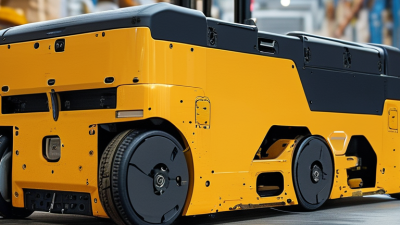
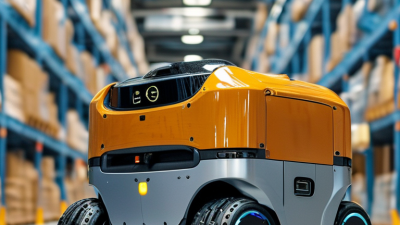
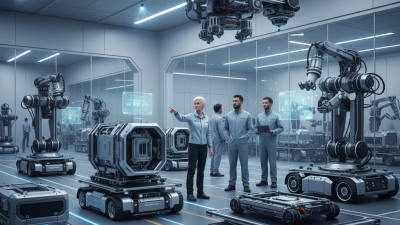
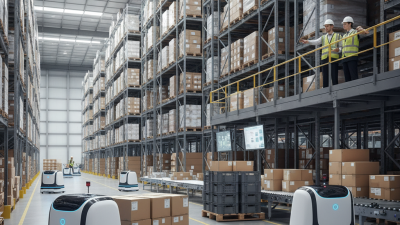
The rise of Industrial Mobile Robots really signals a big shift in how we think about automation these days. These machines are honestly game-changers—they boost efficiency and help smooth out operations across a bunch of different industries. Whether it’s manufacturing or logistics, more and more companies are jumping on the bandwagon with these cool, cutting-edge solutions. And the thing is, these robots are pretty impressive—they can handle tasks quickly and with a surprising level of accuracy.
China, in particular, has really stepped up as a major player in this space. Big names like Midea, Haier, and Geek+ are at the forefront, pushing this tech forward. Each of them kind of has their own specialty: Midea is big on warehouse automation, while Geek+ is really knocking it out of the park with smart material handling. Pretty interesting, right?
Of course, it’s not all smooth sailing. The rapid pace of innovation can sometimes be a bit overwhelming—especially if you're just trying to keep up or decide where to invest. For international investors, having a good grasp of who’s who in this scene is super important to make smarter choices. As this industry keeps evolving, staying on top of the latest advancements is more essential than ever. So yeah, it’s an exciting time, but definitely one that calls for some careful navigation.
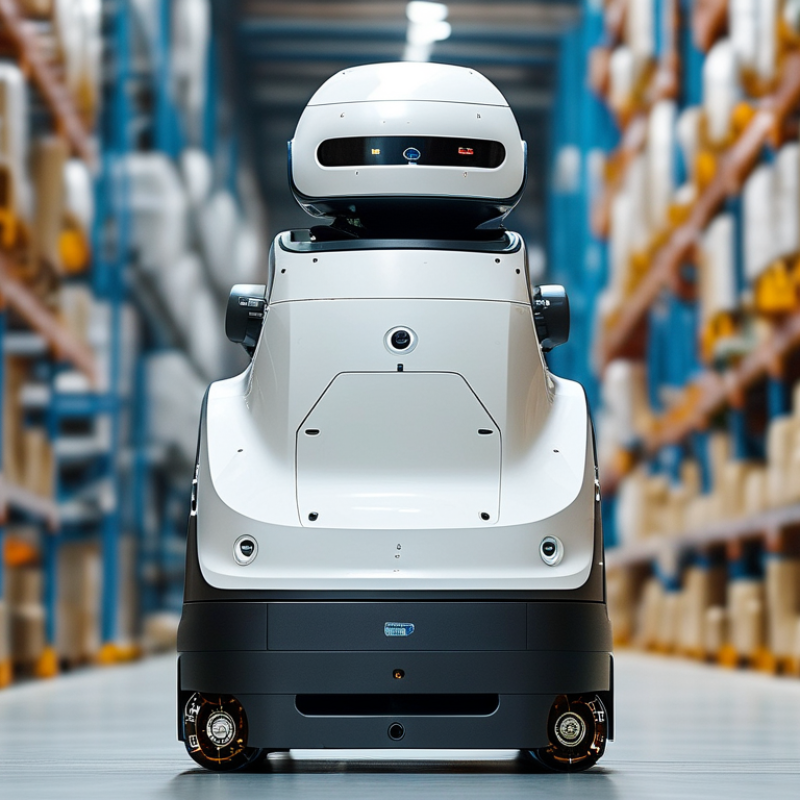
Overview of the Industrial Mobile Robot Market in China
The industrial mobile robot market in China shows significant growth potential. Various sectors are adopting these robots for their operational efficiencies. Many companies are innovating to enhance automation processes. The demand for Mobile Industrial Robots is soaring as manufacturers seek to improve logistics and reduce labor costs.
Recent trends indicate a shift towards more advanced navigation systems in these robots. This development enables them to operate safely in dynamic environments. However, challenges remain. As manufacturers embrace mobile industrial robots, they need to address integration complexities with existing systems. Ensuring interoperability is crucial for maximizing efficiency.
Additionally, training staff to manage these robots effectively is essential yet often overlooked. Without proper human oversight, the potential of mobile industrial robots may not be realized. Companies must invest in both technology and workforce education for sustained progress. This dual focus can lead to better outcomes in the competitive landscape of industrial automation.
Key Players in China’s Industrial Mobile Robot Industry
China’s industrial mobile robot industry has experienced rapid growth. This sector is vital for enhancing efficiency in manufacturing. Several key players are shaping the landscape, driving innovation, and technology. They focus on diverse applications, from logistics to assembly lines.
The market is competitive. Leading companies leverage advanced technologies, such as artificial intelligence and machine learning. These innovations help robots navigate complex environments. However, challenges remain. Some robots struggle with real-time decision-making in dynamic settings. This leads to potential inefficiencies.
Collaboration is essential. Partnerships with research institutions and tech firms are becoming common. This approach fosters a culture of continuous improvement. Yet, some players may prioritize speed over quality. This can result in robotic solutions that don’t fully meet industry demands. As the sector evolves, addressing these gaps will be crucial for sustained growth.
Technological Advancements Driving Industrial Mobile Robots in China
In recent years, technological advancements have significantly shaped the landscape of industrial mobile robots in China. The rapid integration of artificial intelligence and machine learning has enhanced the operational efficiency of these robots. Companies now employ robots that can adapt to various tasks, optimizing warehouse logistics and manufacturing processes. These robots are becoming increasingly intelligent, capable of real-time decision-making.
Connectivity plays a crucial role as well. The Internet of Things (IoT) connects these robots to central systems, allowing for seamless data exchange. This has enabled robots to work collaboratively, improving productivity. However, this reliance on technology raises concerns about cybersecurity and operational resilience. Additionally, the rapid pace of innovation can sometimes outstrip regulatory frameworks, leading to potential risks.
As the industry evolves, the demand for robotic automation grows. Companies must balance the benefits of adopting new technologies with the challenges they present. Continuous monitoring and adaptation will be essential to stay competitive. The journey to implement advanced mobile robots is not just about technology but also about understanding its implications. Reflecting on these developments can help stakeholders navigate the complexities in this fast-changing field.
Market Demand: Sectors Utilizing Mobile Robots in China
The demand for Autonomous Mobile Robots (AMRs) is gaining momentum across various sectors in China. Manufacturing leads the way, where nearly 45% of companies integrate AMRs for tasks like material handling and assembly. According to a report by Statista, the market for industrial robots in China is projected to reach $2 billion by 2026, highlighting a shift towards automation.
Warehousing and logistics have also embraced AMRs, significantly transforming operations. Companies are utilizing these robots for inventory management. A recent survey revealed that logistics companies report a 30% increase in productivity after deploying AMRs. However, the reliance on technology raises concerns about potential job losses and the need for skilled labor to manage these systems effectively.
In the healthcare sector, AMRs are increasingly used for transporting medical supplies and equipment. Hospitals are adopting these robots to reduce human contact, particularly highlighted during the pandemic. Yet, while they enhance efficiency, questions remain about their reliability and the need for robust cybersecurity measures. Therefore, while the benefits are evident, there’s a call for careful integration of AMRs in sensitive environments, ensuring safety and security.
Performance Metrics for Evaluating Industrial Mobile Robots
Evaluating industrial mobile robots involves analyzing several key performance metrics. Speed, payload capacity, and navigation accuracy are crucial for effective operation. A report by the International Federation of Robotics highlights that average payload capacities range from 100 kg to 1000 kg. This varies widely, depending on the intended use and design specifications of the robot.
Another important factor is battery life. Many models operate for 8 to 12 hours on a single charge. However, some may require quicker recharging times to maintain productivity. The same report indicates that around 30% of users cite battery efficiency as a primary concern. Enhancing this aspect can lead to improved operational efficiency.
Training and ease of integration are often overlooked. Users need to understand these robots to maximize their potential. Support and documentation from manufacturers significantly aid in this process. According to user surveys, 25% of companies struggle with integration issues. Continuous feedback and improvements can pave the way for smoother transitions into existing workflows.
Top 10 Industrial Mobile Robots in China for Global Buyers
| Robot Model |
Load Capacity (kg) |
Speed (m/s) |
Navigation Type |
Battery Life (hours) |
| Model A |
100 |
1.5 |
Lidar |
8 |
| Model B |
150 |
1.8 |
Vision |
10 |
| Model C |
200 |
1.2 |
Magnetic |
12 |
| Model D |
120 |
1.6 |
Inertial |
9 |
| Model E |
180 |
1.4 |
Lidar |
11 |
| Model F |
220 |
1.0 |
Vision |
10 |
| Model G |
130 |
1.3 |
Magnetic |
8 |
| Model H |
140 |
1.7 |
Inertial |
10 |
| Model I |
160 |
1.1 |
Lidar |
9 |
| Model J |
190 |
1.5 |
Vision |
12 |
Regulatory Landscape Influencing Industrial Mobile Robots in China
The regulatory landscape for industrial mobile robots in China is complex and evolving. Policies are critical as they shape the growth and innovation in the industry. Compliance is necessary for companies looking to navigate this space successfully. Many regulations focus on safety standards and operational guidelines. They ensure that the deployment of Agv Industrial Robots adheres to national safety protocols.
The impact of regulations on the adoption of AGV industrial robots can be significant. Stricter compliance can slow down implementation, affecting productivity. However, these rules also promote best practices, leading to safer work environments. As companies strive to meet these standards, they often invest in advanced technologies. This investment can lead to improved efficiencies in logistics and manufacturing.
Understanding the regulatory framework is essential for global buyers. It can influence investment decisions and market entry strategies. Navigating this landscape is not without challenges. Companies may find it daunting to comply with all changing regulations. Keeping informed and adapting to these shifts is vital for long-term success in China's industrial mobile robot market.
Top 10 Industrial Mobile Robots in China
This chart illustrates the estimated market share of the top 10 industrial mobile robots in China, highlighting their operational efficiencies and the regulatory landscape that influences the industry.
Future Trends and Predictions for Industrial Mobile Robots Market
The global industrial mobile robot market is witnessing rapid growth, fueled by increasing automation in manufacturing. According to a report by Fortune Business Insights, the market is projected to reach approximately $24 billion by 2026, growing at a compound annual growth rate (CAGR) of over 20% from 2021. This surge highlights a strong demand for efficiency and productivity enhancements across various industries.
In China, the adoption of industrial mobile robots is particularly noteworthy. The Robotics Industry Development Report indicates that over 60% of Chinese manufacturing companies have begun integrating mobile robots into their operations. This trend reflects a shift towards smart manufacturing, with many companies aiming to optimize material handling and reduce operational costs. However, challenges remain, including the complexity of robot integration and the need for skilled personnel to manage these technologies.
Future trends suggest an increasing focus on collaborative robots, or cobots, which can work alongside human workers. This shift could lead to improved safety and productivity levels. Additionally, as artificial intelligence continues to advance, robots will become more adaptive and capable of performing complex tasks. Nevertheless, the industry must address the ethical concerns of automation, particularly regarding job displacement and data privacy.
Enhancing Daily Life with Intelligent Interactive Companion Robots for Home and Mobile Assistance
In today's fast-paced world, the integration of intelligent interactive companion robots into our daily lives offers transformative benefits for both home and mobile assistance. These advanced machines are designed not just for utility but also to form emotional connections with users, significantly enhancing the quality of life. Research indicates that the companion robot market is expected to grow substantially, with projections reaching over $10 billion by 2024, driven by increasing adoption in households and urban mobility solutions.
Introducing a revolutionary three-in-one intelligent assistant—this innovative solution marries AI companionship with self-balancing mobility and charming design. Shaped like an adorable panda, it features engaging LED emotional expressions, making it a delightful addition to any home environment. It doesn't merely carry items but acts as a supportive partner in daily activities, whether during shopping trips or leisurely walks in the park, bringing companionship and efficiency to mundane tasks. Furthermore, its dual role as a health advisor promotes wellness, guiding users through exercise routines while also keeping an eye on beloved pets.
Manufactured in China by trusted suppliers, this companion robot showcases high-quality craftsmanship, reflecting the growing trend of utilizing robotics to enrich human experiences. According to industry insights, the demand for multifunctional robots that combine utility with companionship is on the rise, appealing to families seeking both assistance and emotional support. This cute, intelligent assistant embodies the future of companionship, allowing users to explore the unknown together, one step at a time.
FAQS
: The market is growing rapidly, with significant adoption across various sectors for improved efficiency.
Integration complexities with existing systems and ensuring interoperability are primary challenges.
Training is essential but often overlooked, impacting the full potential of robots.
Emerging trends include advanced navigation systems and an increasing focus on collaborative robots.
AI advancements enable robots to navigate complex environments but still face decision-making issues.
Collaboration fosters continuous improvement and innovation but may lead to prioritizing speed over quality.
The market is projected to reach around $24 billion by 2026, showing high demand for automation.
Collaborative robots will likely improve safety and productivity by working alongside human workers.
Job displacement and data privacy are significant issues that need addressing within the industry.
Conclusion
The industrial mobile robots market in China is rapidly evolving, driven by significant technological advancements and increasing demand across various sectors. Key players in the industry are continuously innovating, enhancing the efficiency and capabilities of these robots. Sectors such as manufacturing, logistics, and healthcare are at the forefront of adopting industrial mobile robots, leveraging their potential to optimize operations and reduce labor costs.
Performance metrics play a crucial role in evaluating these robots, focusing on factors like accuracy, reliability, and payload capacity. Furthermore, the regulatory landscape is shaping the development and implementation of industrial mobile robots in China, ensuring safety and compliance in diverse applications. As the market continues to grow, future trends indicate a greater integration of artificial intelligence and automation technologies in industrial mobile robots, heralding a new era of operational excellence.