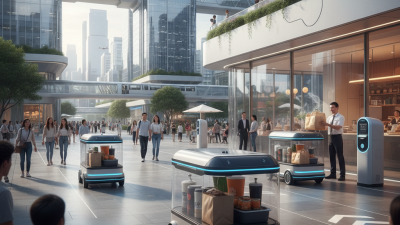
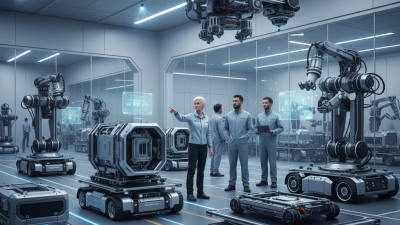
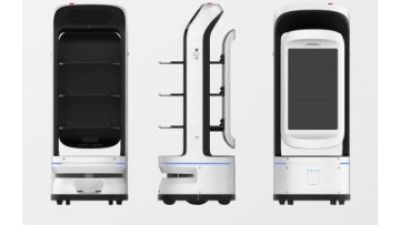
Have you noticed how much delivery food robots are taking over lately? It’s honestly pretty wild how they’re changing the whole food service game. I read somewhere that, according to McKinsey & Company, the world’s food delivery market might hit a staggering $200 billion by 2025. Seems like everyone’s just craving more convenience, and these robots are just making things way easier for everyone.
A lot of restaurants and cafes are jumping on the bandwagon and investing in these food delivery robots. They help speed up deliveries and cut down on costs — pretty impressive, right? Actually, a survey by Statista found that about 58% of businesses using these robots have seen a noticeable bump in customer satisfaction. It’s clear that tech is really playing a big role in shaping how we get our food these days.
Of course, it’s not all smooth sailing. There are definitely some hurdles, like figuring out how these little guys navigate crowded sidewalks or keep the food fresh and hot while on the move. Companies really need to keep testing and refining their systems. But honestly, with all these tech advances, the future of food delivery is looking pretty exciting — it’s all about making our lives easier and better in this fast-paced world.
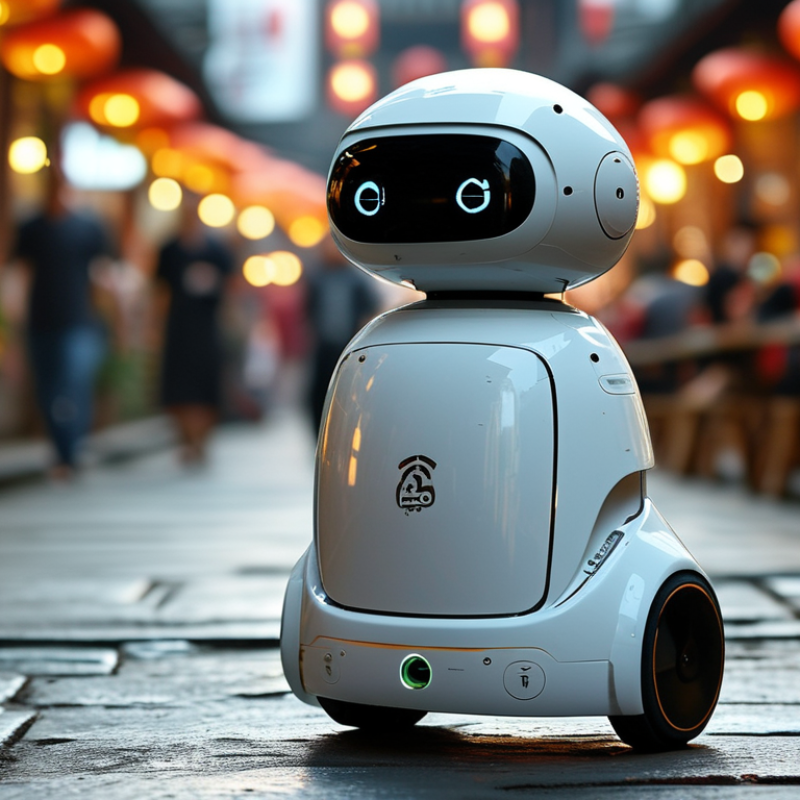
Benefits of Using Food Delivery Robots in China’s Wholesale Market
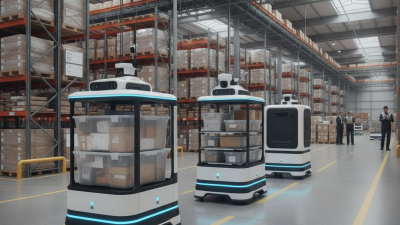
In China’s wholesale market, food delivery robots are transforming the landscape. These robots enhance efficiency and reliability. They can navigate crowded areas, reducing delivery times. As businesses adopt this technology, benefits become evident.
Using food robots helps lower labor costs. It allows companies to allocate human resources to more critical tasks. Moreover, robots can operate round the clock, ensuring orders are fulfilled promptly. However, integrating this technology may require adjustments. Companies must train staff to work alongside these machines.
Here are a few tips to ensure successful implementation. First, assess the layout of your delivery area. A clear path helps robots function optimally. Second, monitor the performance of these robots regularly. Data analysis can highlight areas for improvement. Lastly, consider customer feedback seriously. Their insights can guide future enhancements.
Technological Advancements Driving Food Robotics in Alibaba Supply Chains
Technological advancements are reshaping the food delivery landscape. The integration of automated robots into Alibaba supply chains marks a significant shift. These robots enhance efficiency and speed in food delivery. With precise navigation systems, they handle complex environments effortlessly. They minimize human error, ensuring orders are delivered accurately.
However, challenges remain. Robotics technology is still developing. Ensuring reliability in varying weather conditions is a concern. Additionally, some consumers may hesitate to trust Robot Delivery Food services. Understanding customer preferences is crucial for successful integration. Continuous improvements in AI can address these issues.
The deployment of food robots is paving the way for a new era. As more businesses adopt these innovations, adaptability becomes key. Modern logistics must cater to diverse customer needs. Despite the obstacles, the potential for growth in automated food delivery is immense. Insights from real-world applications will drive further improvements and foster trust.
Key Factors Influencing the Cost of Delivery Robots in China
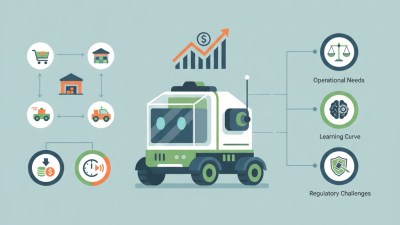
When considering the cost of Food Robot Delivery in China, several key factors come into play. The technology used in these robots affects pricing significantly. Advanced sensors and AI systems can enhance efficiency but also increase costs. Manufacturers must balance quality and affordability, often leading to various pricing structures.
Labor costs in China influence delivery robots' overall pricing strategy. While wages are lower than in some countries, skilled labor for design and programming remains a factor. Moreover, regional differences exist. Urban areas may have higher costs due to demand and infrastructure, while rural locations may offer lower expenses.
Production scale is another critical element. Larger orders might reduce costs through economies of scale. However, small businesses might struggle to meet minimum order requirements. This can leave them dependent on more expensive, smaller-scale solutions. The overall market competitiveness also requires constant reflection. Companies must adapt, ensuring their products remain both effective and reasonably priced.
Top 10 Tips for Alibaba China Wholesale Delivery Food Robots - Key Factors Influencing the Cost of Delivery Robots in China
| Factor |
Description |
Influence on Cost |
| Manufacturing Materials |
Quality and type of materials used in the robots. |
High-quality materials increase cost. |
| Technology Integration |
Advanced sensors, AI, and navigation systems. |
Sophisticated tech raises overall price. |
| Production Volume |
Quantity of robots produced at once. |
Higher volumes can lower individual costs. |
| Labor Costs |
Wages of workers involved in production. |
Regions with high labor costs increase price. |
| Research and Development |
Investment in innovation and new features. |
R&D spending adds to final cost. |
| Regulatory Compliance |
Meeting local laws and safety standards. |
Compliance-related costs can be significant. |
| Supply Chain Efficiency |
Logistics and distribution costs. |
Efficient chains lower delivery costs. |
| Market Demand |
Consumer need and desire for delivery robots. |
High demand can increase prices. |
| Brand Reputation |
Recognized brands may charge more. |
Strong reputations can justify higher costs. |
| After-Sales Support |
Service and warranty provided after purchase. |
Good support can add to overall cost. |
Operational Efficiency: How Robots Enhance Delivery Speed and Accuracy
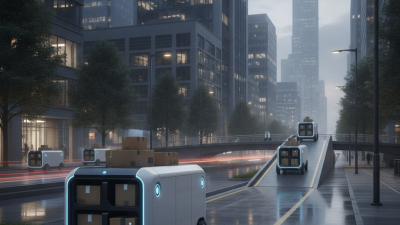
The rise of food robots in delivery services has transformed efficiency in logistics. These robots navigate urban landscapes, efficiently reducing delivery times. They can travel through crowded streets, autonomously avoiding obstacles like pedestrians and vehicles. This ability directly impacts accuracy, ensuring that orders arrive fresh and on time.
Incorporating AI technology, these robots learn optimal routes over time. They adapt their paths based on traffic patterns and customer preferences. However, the technology is not perfect. Sometimes, they may miscalculate a delivery due to unexpected roadblocks, leading to delays. This inconsistency highlights the need for constant monitoring.
Human oversight remains crucial. While robots enhance delivery speed, human intervention is essential for problem-solving. A mixed approach combines the best of both worlds. Relying entirely on automation might overlook unique situations that require human judgment. Balancing efficiency with personal touch remains a goal. Overall, the integration of food robots has shown great promise, yet it reveals areas for improvement.
Consumer Trends: Acceptance of Robotic Deliveries in Urban Areas
As urban areas embrace technology, the acceptance of robotic deliveries is on the rise. Consumers are increasingly adapting to the idea of
"Delivery Food Robots" navigating streets and sidewalks. This shift reflects a growing trust in automation for daily conveniences. People appreciate the efficiency and speed these robots offer, especially in bustling cities where time is crucial.
To enhance your experience with these robots, it helps to understand some key tips. Ensure your delivery location is easily accessible. This helps the robots navigate without delays. Also, track your robotic delivery through apps to stay updated on your order's status. Such practices build confidence in using this technology.
As robotic deliveries become more common, challenges arise. There can be hesitations about food safety and reliability. Customers may question the quality of service from a robot compared to a human. It’s essential for users to reflect on these concerns while embracing the convenience that delivery food robots provide. Balancing trust in technology with traditional methods remains an ongoing conversation in this evolving landscape.
Case Studies: Successful Implementations of Food Robots in Alibaba
Alibaba's foray into food robotics showcases significant advancements in the food delivery sector. Many businesses have reported improved efficiency and reduced costs by implementing these robots.
According to the International Federation of Robotics, the global market for service robots is expected to reach $23 billion by 2025. This emphasizes the growing importance of automation in our everyday lives.
In case studies, companies leveraging food robots have seen elevated customer satisfaction. For instance, a restaurant chain reported a 30% increase in order accuracy when using delivery robots. These robots operate seamlessly, navigating through busy environments and minimizing wait times. Not all implementations have been flawless, though. Some businesses faced challenges, such as high initial investments and maintenance costs. They remind us that while technology can enhance operations, careful planning is essential.
Moreover, data indicates that customer interactions with food robots vary widely. Some customers embrace the novelty, while others prefer human interaction. A survey by the Food Robotics Association found that 40% of consumers felt uneasy about robots delivering food. Understanding these mixed perceptions can guide businesses in refining their service approaches, ensuring they meet diverse customer needs.
Future Projections: Market Growth and Innovations in Food Delivery Robots
The market for food delivery robots is rapidly evolving. Recent innovations are reshaping how consumers receive their meals. Companies are investing heavily in technology to enhance efficiency. As a result, we’re seeing an increase in autonomous vehicles that navigate urban landscapes. These robots not only cut down on delivery times but also play a role in reducing traffic congestion.
The anticipated growth in this sector can also be attributed to changing consumer behaviors. People are leaning towards convenience more than ever. However, there are challenges that need addressing. Issues such as reliability and food safety continue to arise. Trust in
Food Delivery By Robot must be built over time. Consumers desire consistent, high-quality experiences when they receive their orders. Innovations are needed to ensure robots can keep food at the right temperature and deliver it promptly.
There’s potential for further advancements in artificial intelligence and sensor technology. These innovations could help robots adapt to dynamic environments. Yet, the rapid pace of change creates a need for regulatory frameworks. Industry stakeholders must reflect on these factors. The future of food delivery robots looks promising, but careful planning is essential to navigate potential setbacks.
Exploring the Innovations and Benefits of Multi-Functional Intelligent Service Robots in Modern Industries
The integration of multi-functional intelligent service robots into modern industries represents a revolutionary advancement in automation, significantly enhancing operational efficiency and productivity. These innovative robots, equipped with a self-developed universal chassis system, are designed to excel within diverse applications. Their capabilities include seamless navigation over thresholds, avoiding liquid spills, and maneuvering through tight spaces—all of which are critical in fast-paced environments such as healthcare, hospitality, and retail. According to a recent report by Market Research Future, the global service robotics market is projected to grow at a CAGR of 23.2% from 2021 to 2028, highlighting the increasing demand for such technologies.
Advanced sensors allow these robots to gather and analyze extensive data, including environmental metrics, dining statistics, and service-related information. This data collection facilitates robust big data analysis on the cloud, leading to smarter decision-making and improved service delivery outcomes. The ability to operate continuously for up to 15 hours on a single charge, thanks to a powerful 35Ah battery, further enhances their utility in industries that prioritize uninterrupted service. Research from the International Federation of Robotics emphasizes that adopting automation not only reduces operational costs but also increases job satisfaction by freeing human workers from repetitive tasks.
As industries continue to embrace automation, it is crucial for businesses to invest in reliable robotic solutions that can seamlessly integrate into their operations. The demand for flexible and effective robots is evident as companies seek to elevate their service standards and efficiency. By leveraging cutting-edge robotic technologies, industries are poised to transform their operational landscapes, redefine service delivery, and ultimately enhance customer satisfaction.
FAQS
: Technological advancements, especially robotics, are reshaping food delivery, enhancing efficiency and speed.
Robots use precise navigation systems, allowing them to manage obstacles and deliver orders accurately.
Challenges include reliability in different weather conditions and building consumer trust in automated services.
Advanced sensors and AI improve efficiency but can increase the overall costs of delivery robots significantly.
Labor costs, regional differences, and production scale all affect the pricing of delivery robots.
Yes, consumers in urban areas are increasingly embracing the convenience and speed of robotic deliveries.
Ensure delivery locations are accessible and use apps to track orders for a smoother experience.
Concerns include food safety, reliability, and the overall quality of service compared to human delivery.
Businesses must adapt to diverse customer needs to ensure successful integration of robotic delivery systems.
Balancing trust in technology with traditional delivery methods is a key concern in this evolving landscape.
Conclusion
The article "Top 10 Tips for Alibaba China Wholesale Delivery Food Robots" explores the increasing integration of delivery food robots within China's wholesale market. It highlights the significant benefits, including enhanced operational efficiency, as these robots streamline the delivery process, improving speed and accuracy. Technological advancements are pivotal, spurring innovations that support the growing reliance on these robots within supply chains.
Moreover, the piece examines key factors affecting the cost of delivery food robots and presents consumer trends indicating a rising acceptance of robotic deliveries in urban areas. Through various case studies, successful implementations are showcased, illustrating the practical applications of food robots. Finally, the article projects a promising future for the market, emphasizing potential growth and ongoing innovations in delivery food robots. Overall, the piece underscores the transformative impact of food robotics on the wholesale delivery landscape in China.