In the hectic world of logistics, companies are always on the lookout for new and smarter ways to get things done. Have you heard about the Smart Delivery Robots? They've really started to change the game when it comes to handling deliveries faster and more efficiently. These robots, loaded with the latest tech, help streamline operations and cut down costs—pretty impressive, right? Many businesses are finding it tough to keep up with the rising demand, and that’s where these robots really shine, offering both reliability and speed when it counts.
But here’s the thing—picking the right robot provider is super important. Companies like Savioke and Starship Technologies have some pretty solid options, but not every solution fits everyone's needs perfectly. You’ve gotta look at things like how far the robot can travel, how much it can carry, and how well it navigates around. Missing out on these details could cause some serious hiccups down the road.
Sure, investing in Smart Delivery Robots can give your business a serious edge over the competition. But there’s a bit more to it—things like maintenance and making sure they work smoothly with your existing systems matter a lot. Figuring out what you really need will help you find the perfect fit. And with technology constantly advancing, staying updated isn't just smart—it's necessary. Overall, jumping into the world of Smart Delivery Robots might just be your ticket to staying ahead in the game.
Overview of Smart Delivery Robots in China
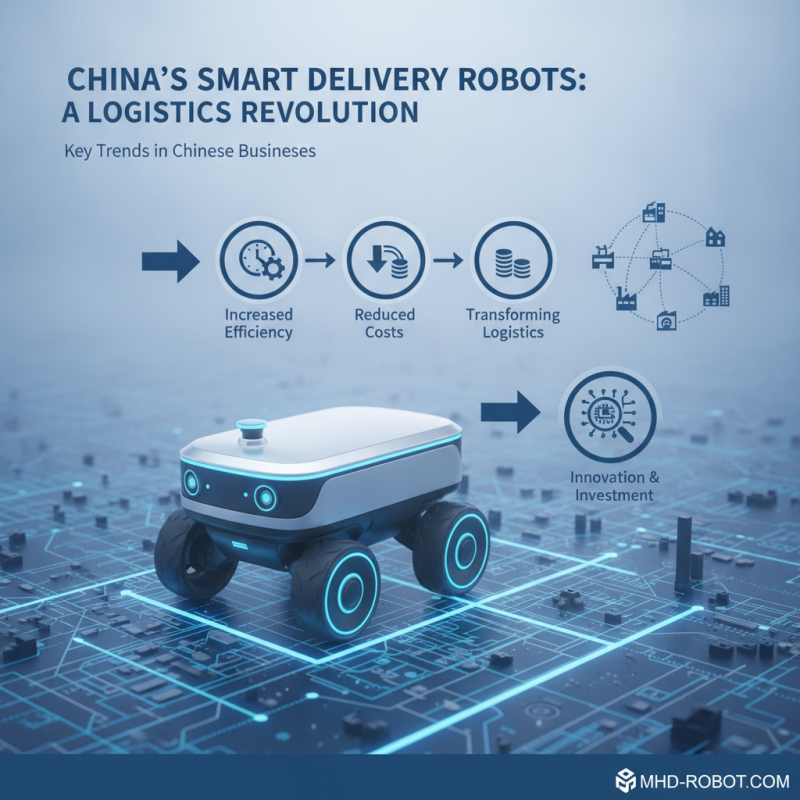
In recent years, smart delivery robots have gained significant traction in China. These Robot Smart solutions are transforming logistics and delivery services. Businesses in China embrace this technology to improve efficiency and reduce costs. Many companies invest heavily in developing robotic systems tailored to their needs.
Smart delivery robots operate autonomously, navigating complex environments. They use advanced sensors and artificial intelligence to find the best routes. However, the technology is still evolving. Challenges exist, such as adapting to unpredictable situations in crowded spaces. Developers continue to refine the systems to ensure reliability and safety.
The implementation of Robot Smart solutions can enhance customer satisfaction. Clients appreciate timely deliveries, often facilitated by these machines. Yet, some businesses remain cautious. They may question the cost versus the benefits of such an innovative approach. Ongoing discussions focus on the balance between human interaction and automation in delivery processes.
Key Features of Smart Delivery Robots for Businesses
In recent years, the rise of smart delivery robots has transformed the logistics landscape. Businesses are recognizing the potential of these robots to enhance operational efficiency. According to a recent report by the International Federation of Robotics, the global market for delivery robots is expected to reach $92 billion by 2030, reflecting a compound annual growth rate (CAGR) of 21.3%.
Key features play a crucial role in the selection of delivery robots. Advanced navigation systems allow these robots to traverse complex environments. Many robots utilize LiDAR technology, enabling them to create real-time maps and avoid obstacles effectively. Additionally, integration with artificial intelligence allows for adaptive learning, improving delivery routes over time. However, while these features enhance reliability, challenges remain. For instance, issues with battery life can limit operational hours, leading to downtime.
Another essential feature is user interface design. An intuitive UI is vital for staff training and management. Robots must communicate effectively about their status. Clear feedback on delivery progress helps in maintaining workflow transparency. Yet, misunderstandings can occur due to technical glitches, which impact trust and reliance on these systems. Businesses must regularly assess and refine these aspects to optimize performance.
Top Wholesale China Smart Delivery Robot Solutions for Your Business Needs
| Feature |
Description |
Use Case |
Benefits |
| Autonomous Navigation |
Equipped with advanced sensors and mapping technology. |
Delivery in complex environments like hospitals or warehouses. |
Reduces labor costs and improves delivery efficiency. |
| Real-time Tracking |
Live updates on robot location and delivery status. |
Customer service enhancement in retail environments. |
Increased visibility and customer satisfaction. |
| Load Capacity |
Can carry up to 30 kg of goods. |
Restaurants delivering multiple orders simultaneously. |
Streamlines operations and increases delivery throughput. |
| Safety Features |
Includes obstacle detection and emergency stop functions. |
Public spaces and crowded environments. |
Ensures safe operation around people and objects. |
| User-friendly Interface |
Simple control and monitoring via mobile apps. |
E-commerce businesses managing deliveries. |
Enhances ease of use for staff and customers alike. |
Benefits of Implementing Smart Delivery Robots
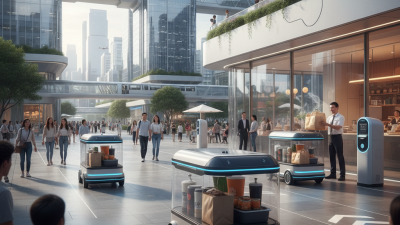
Smart delivery robots are transforming the logistics industry. These robots streamline the delivery process and enhance efficiency. Many businesses are adopting this technology to remain competitive in a saturated market. With the ability to navigate various environments, they provide quick and accurate deliveries.
One significant benefit is cost reduction. Automating deliveries minimizes labor costs. Companies can allocate resources to areas that enhance customer experience. Furthermore, these robots operate around the clock, ensuring timely deliveries. This can boost customer satisfaction and loyalty.
However, challenges exist. The initial investment can be high. Businesses need to consider maintenance costs. Additionally, integrating robots into existing systems may require adjustments. Reflecting on these factors is crucial for a successful transition. Exploring pilot programs could help assess feasibility and effectiveness before a full rollout.
Top Manufacturers of Smart Delivery Robots in China
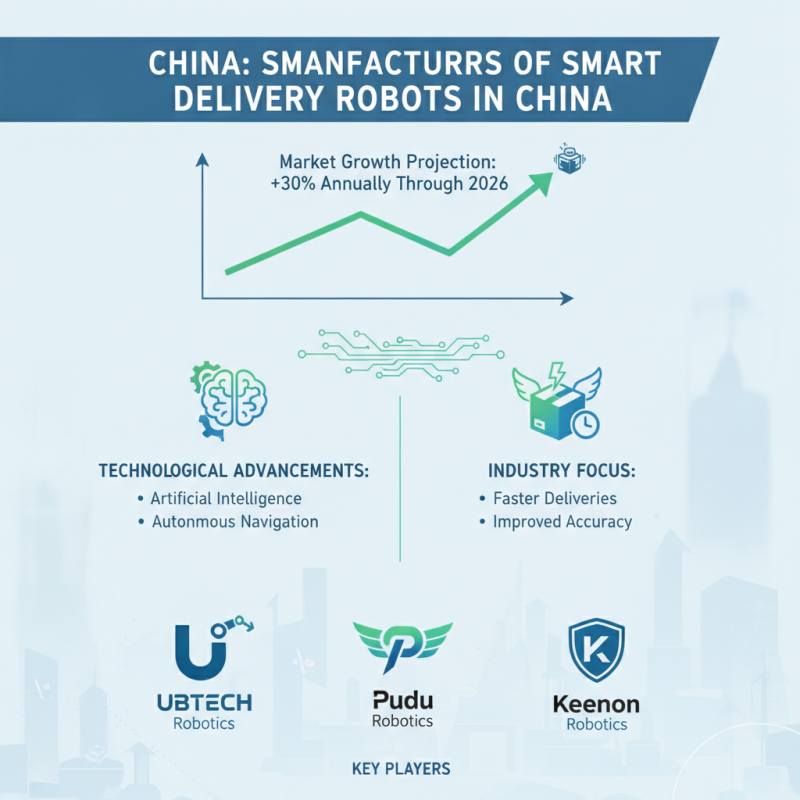
China is rapidly becoming a leader in smart delivery robot manufacturing. Recent industry reports indicate that the market is projected to grow significantly, with an expected increase of over 30% annually through 2026. This growth stems from advancements in artificial intelligence and autonomous navigation technologies. Companies are investing in more efficient robots capable of completing deliveries faster and with greater accuracy.
Several manufacturers are pioneering this space, focusing on different applications, from food delivery to parcel services. They are working hard to optimize their designs for various environments. For instance, some models are equipped with advanced sensors for seamless operation in crowded areas. These innovations are crucial, yet challenges remain. Many robots struggle in unfavorable weather conditions or complex urban settings, affecting reliability.
The emergence of smart technologies, such as the Smart Robot Lawn Mower, showcases the versatility of robotics. This device serves as a perfect example of how automation can enhance productivity in niche markets. However, the integration of these robots into daily operations is complex. Businesses need to assess operational compatibility and address potential technical issues that can arise. Balancing innovation with practical deployment is essential for success in this evolving landscape.
Customization Options for Smart Delivery Robots
The demand for smart delivery robots is rapidly growing. Companies are looking for effective solutions to streamline logistics. Customization plays a crucial role in this sector. According to a 2022 market report, the global smart delivery robot market is projected to reach $1.9 billion by 2026, at a CAGR of 22.5%.
Customization options for smart delivery robots include size, navigation technology, and payload capacity. Companies can choose robots equipped with advanced sensors for obstacle detection. Some prefer geofencing capabilities to ensure delivery routes stay within designated areas. While many manufacturers offer standard models, there is significant value in personalization. Certain features can enhance operational efficiency, but higher costs may deter budget-conscious businesses.
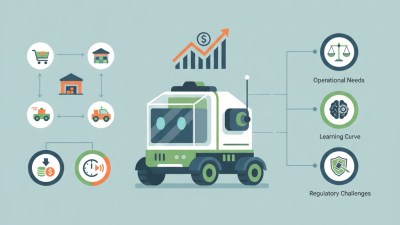
Integrating smart delivery robots into a logistics network can yield transformative results. However, potential challenges must be addressed. Ensuring compatibility with existing systems is vital. Reports suggest that 25% of companies face integration issues. Balancing customization with functionality is key to successful implementation. Investing in these technologies requires careful thought, particularly for evolving industries like the Smart Mower market.
Case Studies: Successful Implementations of Delivery Robots
The surge in smart delivery robot implementations has transformed many businesses. Companies have reported significant increases in efficiency and cost savings. For instance, a restaurant chain effectively integrated delivery robots into their workflow. This led to reduced delivery times and improved customer satisfaction. However, there were challenges, including initial setup costs and technical difficulties, which required thoughtful planning.
Tips: Start with a pilot program to test feasibility. Analyze customer feedback to improve services. Flexibility is key; make adjustments based on real-world performance.
Another case study involved a retail store using smart delivery robots. They streamlined the restocking process and enhanced inventory management. Employees noted that the robots relieved them from mundane tasks, allowing more focus on customer service. However, some customers found the robots confusing, raising concerns about the user experience.
Tips: Ensure clear signage and employee training. Communicate transparently about the robots' roles. Consider customer input for future improvements. Balancing technology with personal touch is essential in creating a seamless experience.
Implementation of smart delivery robots is not without flaws. Ongoing evaluation and adaptation are necessary. Regular updates can enhance robot functionality, improving reliability over time. The goal is to create an efficient system that perfectly complements human effort.
Future Trends in Smart Delivery Robot Technology
The evolution of smart delivery robot technology is paving the way for a new era in logistics. These robots are designed to navigate efficiently in urban environments, offering faster service and reducing delivery costs. As businesses strive for operational efficiency, understanding future trends is crucial. Enhanced navigation systems and AI-driven decision-making are key focuses. Robots are becoming more adept at handling obstacles and optimizing routes.
Tips: Consider how autonomous robots can minimize human error. Their precision can improve customer satisfaction.
The integration of 5G technology is also set to revolutionize smart delivery. With faster connectivity, robots can communicate in real-time. This allows for quick updates and better coordination. Improved battery technology is another area to watch. Longer-lasting batteries will enable robots to operate for extended periods before needing a recharge.
Tips: Evaluate the maintenance requirements of delivery robots. Regular upkeep can prevent costly downtime.
Despite these advancements, challenges remain. Safety concerns and the necessity for regulations must be addressed. Adapting existing infrastructures to accommodate these robots is essential. It's vital to remain vigilant about ongoing developments in this field. Being aware can help businesses strategize effectively for the future.
Innovative Multi-Functional Intelligent Service Robots: Harnessing Advanced Technology for Enhanced Efficiency in Modern Factories
In the rapidly evolving world of modern factories, the integration of advanced technology with service robotics is revolutionizing operational efficiency. Our innovative multi-functional intelligent service robot encapsulates this transformation, designed to adapt seamlessly to diverse working environments. Its universal chassis system allows for exceptional mobility, enabling it to navigate complex spaces, cross thresholds, and avoid liquid spills—all while efficiently performing tasks such as food delivery.
Equipped with a sophisticated suite of sensors, this robot gathers critical environmental data and operational metrics, feeding into robust cloud-based big data analysis systems. This continuous data collection not only enhances operational efficiency but also provides valuable insights into various service metrics, allowing for informed decision-making. With a powerful 35Ah battery, the robot guarantees up to 15 hours of uninterrupted service, ensuring that it meets the demands of any fast-paced industrial setting while offering practicality and reliability.
Designed with flexibility in mind, our cutting-edge robotic solution is ideal for a wide range of applications within modern factories. By harnessing advanced technology, these service robots not only streamline tasks but also contribute to a smarter, more efficient workplace, embodying the future of intelligent service delivery in industrial environments.
FAQS
: Smart delivery robots are automated machines designed to transport goods. They have advanced navigation systems to manage different environments.
They streamline the delivery process, reducing labor costs, and offering round-the-clock service. This can increase customer satisfaction.
Many utilize LiDAR technology for real-time mapping and obstacle avoidance. AI integration allows for adaptive learning of routes.
Initial investment and maintenance costs can be high. Poor battery life may also limit operational hours, leading to downtime.
An intuitive UI is crucial for effective communication about a robot's delivery status. Technical glitches can lead to misunderstandings.
Exploring pilot programs allows businesses to assess feasibility. It helps understand the effectiveness of robots before full implementation.
Key features include navigation capabilities, AI integration, and user interfaces. However, performance needs regular assessment and refinement.
Many robots struggle in unfavorable weather conditions, impacting their reliability. This varies depending on their specific design and sensors.
Innovation drives efficiency and new applications. Yet, balancing innovative designs with practical deployment can be challenging for businesses.
Yes, they are being used for various purposes, from food delivery to parcel services, depending on their design and capabilities.
Conclusion
The article titled "Top Wholesale China Smart Delivery Robot Solutions for Your Business Needs" provides a comprehensive overview of the growing trend of Smart Delivery Robots in China. It highlights key features that make these robots essential for modern businesses, such as autonomous navigation, real-time tracking, and user-friendly interfaces. Implementing Smart Delivery Robots can significantly enhance operational efficiency, reduce labor costs, and improve customer satisfaction through timely deliveries.
Additionally, the article discusses the leading manufacturers in the Chinese market and the customization options available to suit specific business requirements. By examining case studies of successful implementations, readers can gain insights into the practical benefits of adopting these technologies. Finally, the article explores future trends shaping Smart Delivery Robot technology, indicating that the industry is poised for continued innovation and relevance in the logistics landscape.