- Home
- About Us
- Products
- Application
- FAQ
- News
- Contact Us
inquiry
Leave Your Message
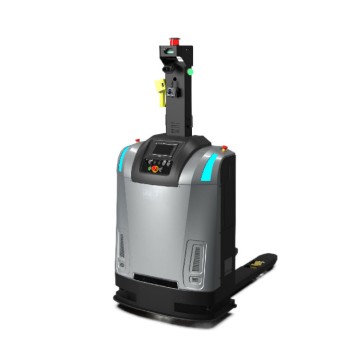
Heavy-duty driverless forklifts engineered for continuous, high-takt assembly environments.
In modern discrete manufacturing—ranging from automotive super-factories to high-tech electronics production—assembly lines operate under ruthless cycle times. A delay of just a few seconds in component replenishment can precipitate a costly domino effect, cascading into multi-thousand-dollar downtime per minute. Historically, material replenishment relied on manual forklift operators navigating crowded aisles to deliver heavy pallets, Stillages, and dynamic totes. However, this legacy model is rapidly succumbing to systemic pressures: chronic labor shortages, unpredictable human error, escalating safety risks, and strict Just-In-Time (JIT) or Just-In-Sequence (JIS) requirements.
Enter the Driverless Forklift for High-Speed Assembly Line Feeding. Operating as intelligent Autonomous Mobile Robots (AMRs) or Automated Guided Vehicles (AGVs), these next-generation material handlers integrate sophisticated 3D LiDAR SLAM (Simultaneous Localization and Mapping), visual perception, and real-time fleet synchronization. They bridge the critical operational gap between raw material warehouses and fast-paced line-side drop stations, establishing a continuous, deterministic flow of inventory without human intervention.
Multi-sensor fusion combines 3D LiDAR, optical encoders, and depth cameras to achieve docking accuracy of ±2mm to ±5mm at high-speed line stations.
Dynamic speed adjustments up to 3.0 m/s with intelligent deceleration algorithms ensure safe, rapid transport across busy manufacturing corridors.
Direct integration with Enterprise Manufacturing Execution Systems (MES) triggers automated material requests via electronic Kanban (e-Kanban).
Achieving ultra-reliable line feeding under strict cycle times demands more than automated steering. Driverless forklifts dedicated to high-speed line feeding employ a multi-layered hardware and software architecture designed for resilience, safety, and rapid payload cycles.
Traditional AGVs required magnetic tapes, inductive wires, or floor reflectors—costly infrastructure that lacked agility when assembly line layouts evolved. Modern autonomous heavy-duty forklifts utilize Natural Feature Navigation combined with Visual SLAM. By mapping structural factory features in real time, driverless forklifts navigate dynamically around unexpected obstacles, re-routing on the fly without halting the assembly line feed cycle.
Line-side feeding often involves complex pallet maneuvers: lifting heavy powertrain components, stacking empty bin totes, or interfacing with automated roller conveyors. Equipped with electro-hydraulic proportional control and vision-guided fork positioning, driverless forklifts automatically sense pallet pocket entry points, adjusting fork alignment to compensate for misaligned drop-offs or uneven floor conditions.
In high-density industrial plants, dozens of driverless forklifts operate in shared spaces alongside human workers and tugger trains. Centralized Fleet Management Systems (FMS) utilize AI graph algorithms to calculate optimal dynamic paths, prevent congestion deadlocks, and execute automatic charging strategy during scheduled line breaks or low-takt intervals.
In a leading Electric Vehicle (EV) gigafactory, high-voltage battery cell packs must be delivered to the main chassis integration station every 75 seconds. A fleet of 2-Ton Autonomous Heavy-Duty Driverless Forklifts operates in a closed-loop buffer circuit. Upon receiving an automated e-Kanban signal from the MES, a driverless forklift retrieves a battery pallet from the automated storage rack, navigates a 180-meter transit hall at 2.5 m/s, performs precision alignment with the line-side scissor lift, and deposits the payload within a ±3mm tolerance. The entire cycle runs 24/7 across three shifts, achieving zero downtime and a 100% reduction in material damage.
The global market for autonomous forklifts in manufacturing is experiencing exponential compound growth, propelled by the rise of Industry 4.0, 5G-connected smart factories, and stringent labor safety mandates. Industrial decision-makers evaluating driverless forklift deployment for high-speed assembly lines typically observe substantial return on investment across key key performance metrics:
As generative AI and edge computing continue to mature, driverless forklifts are advancing from pre-programmed automation to fully autonomous intent prediction. Future fleets will dynamically anticipate assembly line consumption rates based on real-time computer vision monitoring of line-side inventory buffers, establishing a truly predictive material replenishment ecosystem.
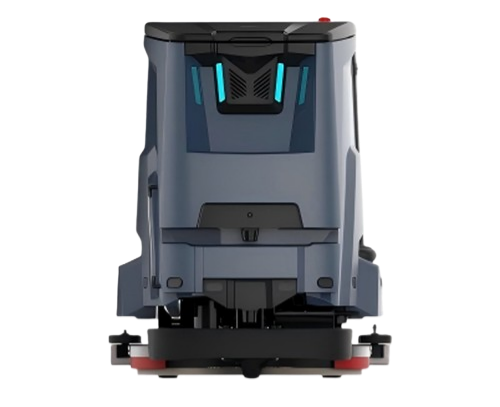
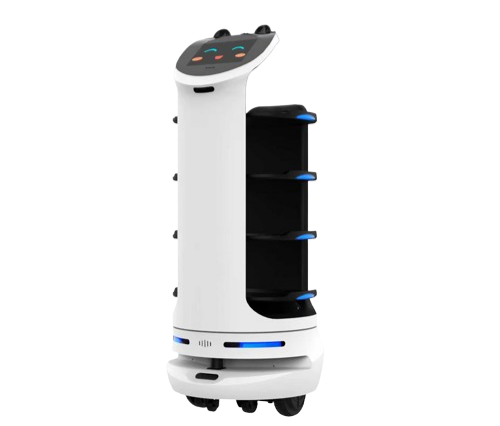

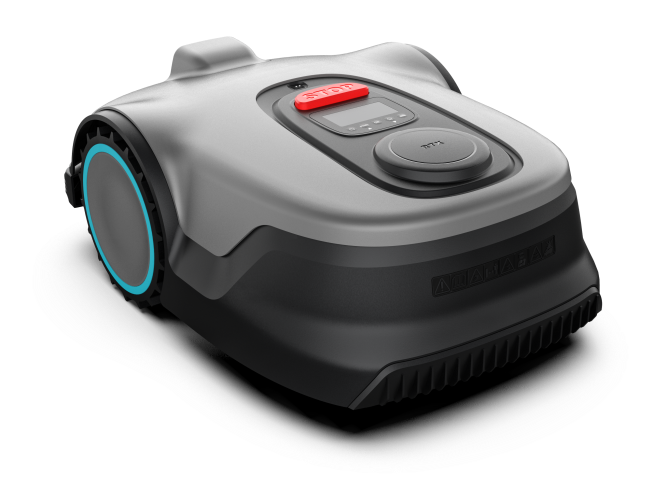
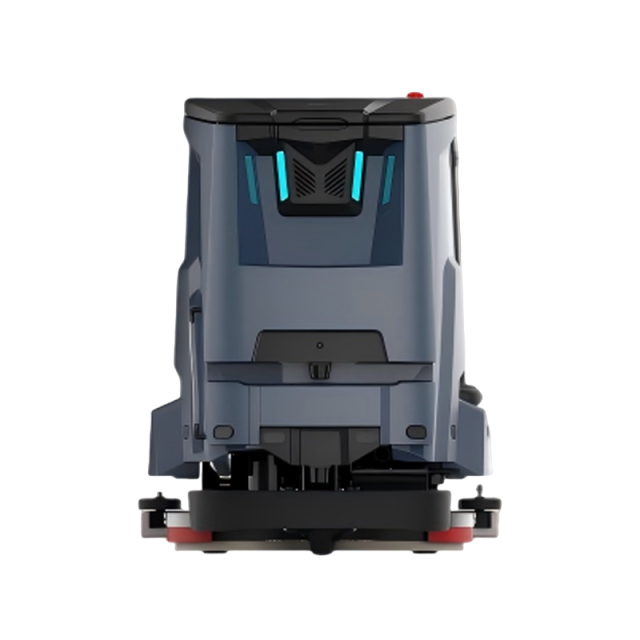
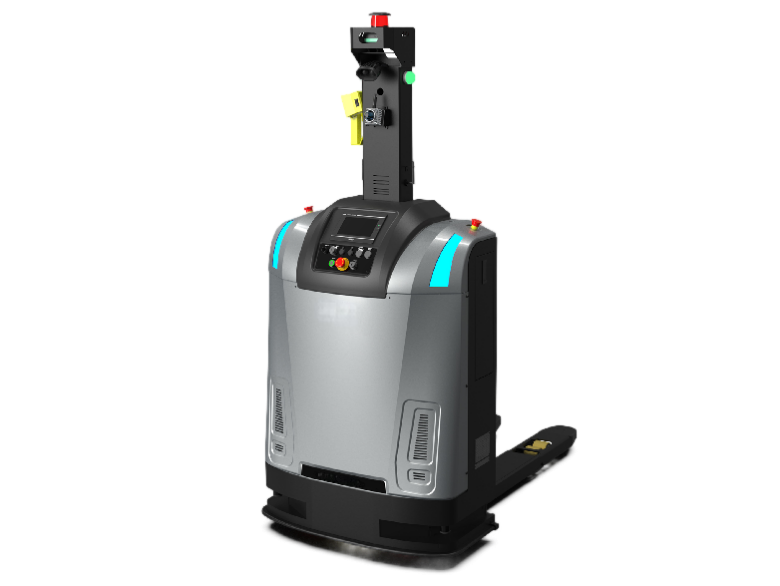
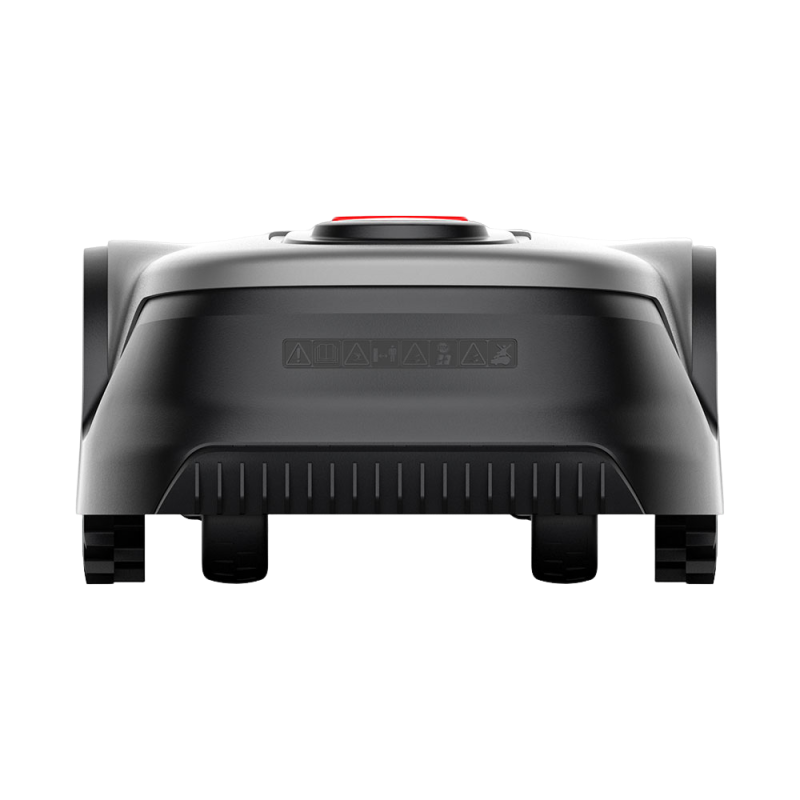

Our production base is equipped with high-precision CNC machining centers, AI algorithm debugging workstations, and environmental simulation test chambers, dedicated to the manufacturing of smart robots (including driverless forklifts, cleaning, mowing, and delivery models). The automated assembly lines ensure consistent product quality, while the R&D testing equipment verifies navigation accuracy, battery life, and environmental adaptability for each robot model.

Our facility has obtained ISO 9001 quality management system certification, CE, and FCC certifications for global market compliance. We also hold intellectual property patents for core technologies of smart robots, and our production processes strictly adhere to IEC standards, ensuring that every robot meets international safety and performance requirements.

We provide a full-cycle service system for smart robots, including pre-sales customization, on-site assembly line integration, and after-sales technical support. Our team offers remote debugging, firmware upgrades, and 24/7 emergency response to ensure stable operation. For bulk orders, we also provide tailored training programs for your technical and operational teams.
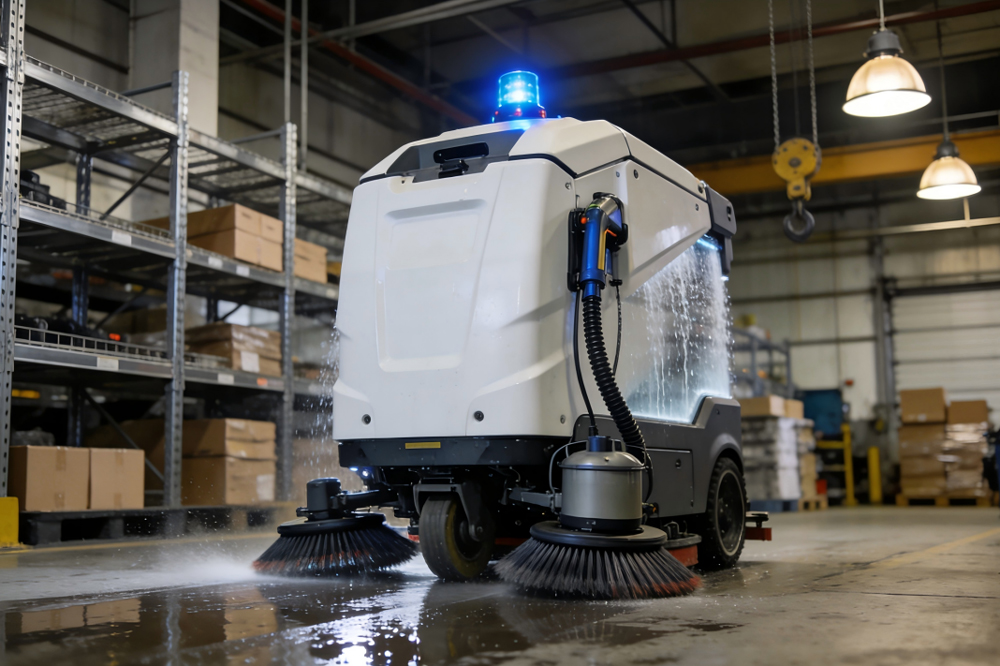
For inquiries about our driverless forklift models, assembly line feeding integration, or pricelist please leave your requirements to us and our engineers will respond within 24 hours.
As labor costs rise and efficiency demands increase, commercial cleaning robots are shifting fr...
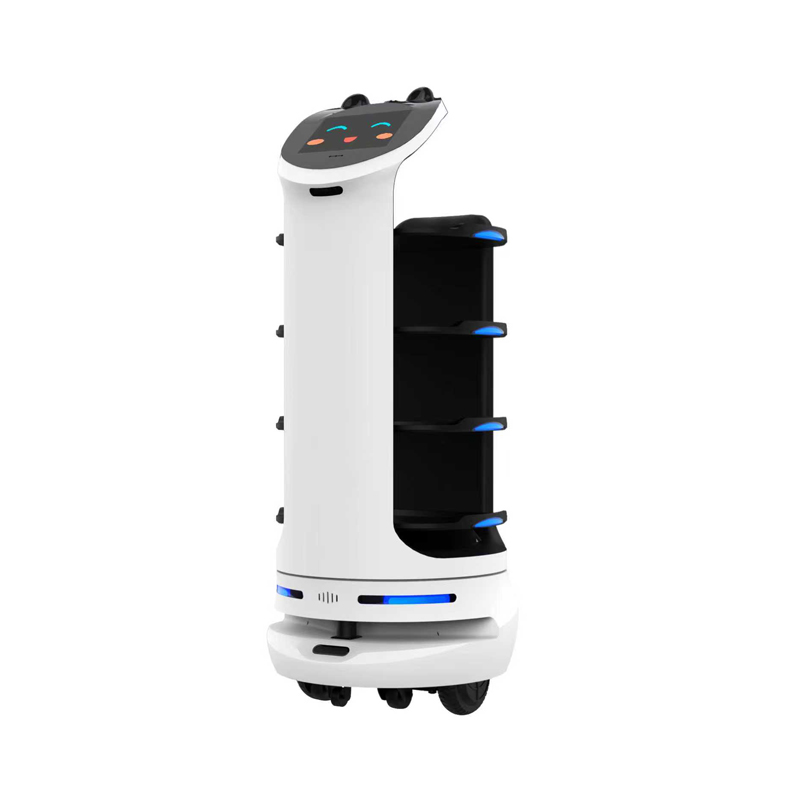
As the global hospitality industry continues its digital transformation, guest service delivery...

The body of a robotic vacuum cleaner is a wireless device, mainly disc-shaped. It operates on a...
Industrial autonomous heavy-duty forklifts optimized for high-speed assembly line feeding & factory logistics.