- Home
- About Us
- Products
- Application
- FAQ
- News
- Contact Us
inquiry
Leave Your Message
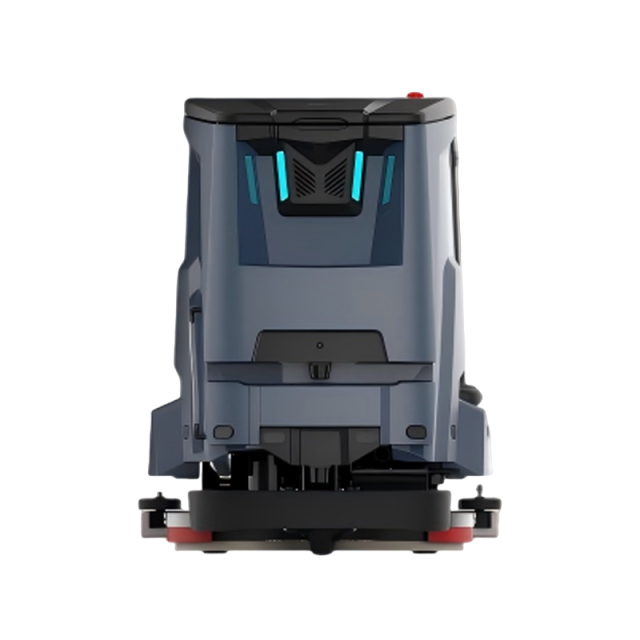
Intelligent robot for large-area hard floors in hazardous industrial zones — fully autonomous, zero-contact operation.
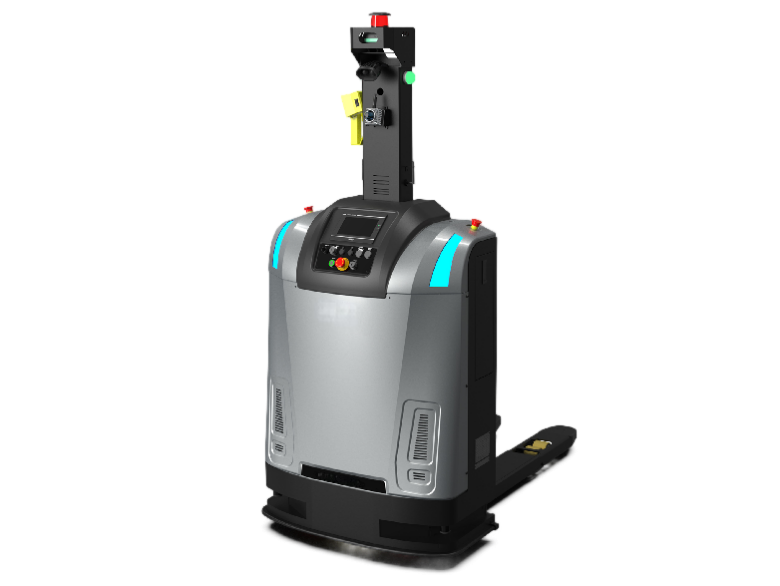
Next-generation autonomous forklift for safe, unmanned handling of heavy hazardous loads in warehouses and factories.
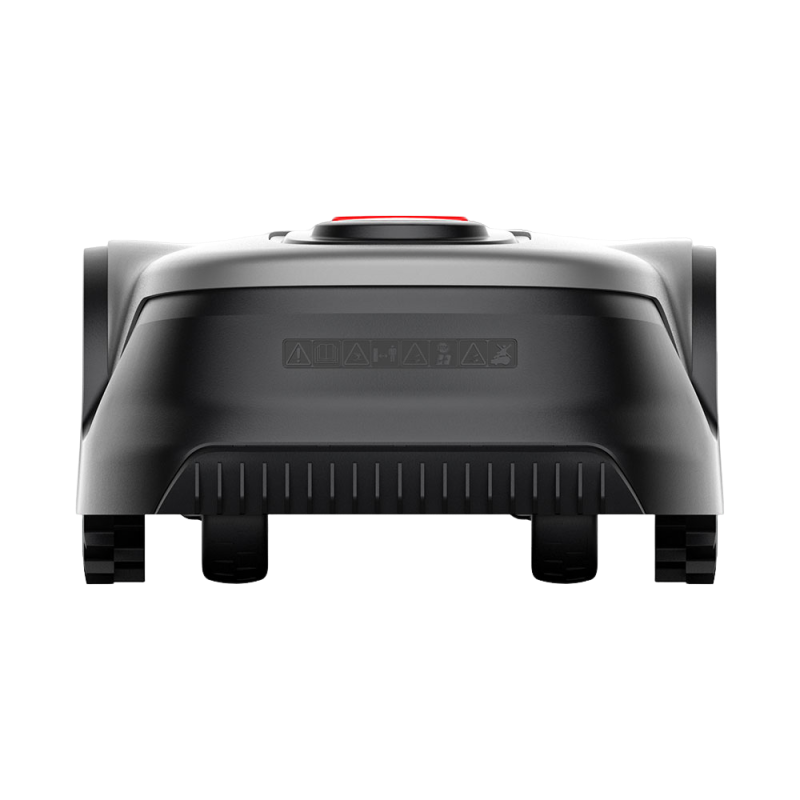
Designed for efficient autonomous operation in outdoor hazardous perimeters — precise navigation, weather-resistant build.

AI-driven home robot with environmental sensing — monitors and safely manages household hazardous materials in real time.
The integration of home and industrial robots into hazardous material (hazmat) transportation represents one of the most critical and fast-evolving frontiers in modern robotics. As global supply chains become more complex and safety regulations more stringent, the demand for intelligent, autonomous robotic systems capable of handling, transporting, and monitoring hazardous substances has surged dramatically across both commercial and residential sectors.
Home robots designed for hazardous material transportation are autonomous or semi-autonomous robotic platforms equipped with specialized sensors, sealed containment mechanisms, and AI-driven decision-making systems. Unlike conventional robots, these units are built to operate safely in environments where toxic chemicals, radioactive substances, flammable gases, biohazardous waste, or corrosive materials are present.
Modern hazmat robots leverage a combination of LiDAR, thermal imaging, gas detection arrays, and computer vision to identify, classify, and transport dangerous materials with precision — minimizing human exposure and dramatically reducing the risk of workplace accidents, environmental contamination, and regulatory violations.
The commercial and industrial adoption of hazmat transport robots has accelerated significantly since 2020. Key sectors driving this growth include:
Next-gen hazmat robots are powered by deep learning algorithms that enable real-time hazard classification, adaptive route planning, and predictive maintenance — dramatically improving operational safety and uptime.
Ultra-low-latency 5G networks allow hazmat robots to communicate with centralized control systems, share real-time sensor data, and receive instant command updates — enabling coordinated fleet operations across large facilities.
Solid-state batteries and hydrogen fuel cells are extending robot operational ranges to 12+ hours, ensuring uninterrupted hazmat transport missions without the risk of mid-task power failures in critical zones.
Integrated robotic manipulators enable hazmat transport robots to autonomously load, secure, and unload hazardous containers — eliminating the need for human intervention at the most dangerous touchpoints.
Embedded compliance engines automatically log transport events, generate safety reports, and ensure adherence to OSHA, EPA, and international hazmat regulations — reducing administrative burden and legal risk.
Compact home robots are emerging as household hazmat managers — safely storing, monitoring, and disposing of cleaning chemicals, batteries, pharmaceuticals, and electronic waste in smart home environments.
In large-scale manufacturing plants, hazardous raw materials such as sulfuric acid, liquid nitrogen, and industrial solvents must be transported across multiple production zones daily. Traditional manual handling exposes workers to serious chemical burn, inhalation, and explosion risks. Autonomous mobile robots (AMRs) equipped with sealed containment pods, multi-gas sensors, and emergency spill-containment mechanisms now perform these tasks 24/7 with zero human exposure. Advanced navigation systems enable these robots to dynamically reroute around obstacles, personnel, and spill zones in real time.
Hospitals generate significant volumes of biohazardous waste including used needles, contaminated dressings, cytotoxic drug residues, and pathological materials. Robotic transport systems navigate hospital corridors autonomously, collecting hazardous waste from wards and transporting sealed containers to designated disposal areas — reducing infection risk for healthcare workers and ensuring strict compliance with medical waste regulations.
Perhaps the most demanding application for hazmat transport robots is within nuclear facilities. Radiation-hardened robotic platforms — built with lead-shielded electronics and ceramic-coated exteriors — transport radioactive materials, spent fuel rods, and contaminated equipment in environments where human presence is strictly prohibited. These robots operate under remote supervision with AI-assisted navigation and can withstand radiation doses far exceeding human safety thresholds.
During industrial accidents, chemical plant explosions, or natural disasters involving hazardous material releases, first-responder robots play a life-saving role. These rugged, all-terrain robots can enter contaminated zones ahead of human rescue teams — mapping the hazard area, identifying chemical agents, and transporting critical samples or dangerous debris to safe perimeters. Their deployment has proven instrumental in reducing first-responder casualties in major industrial incidents worldwide.
At the residential level, a new category of intelligent home robots is emerging as household chemical safety assistants. These compact AI robots can identify and categorize hazardous household products — from bleach and ammonia-based cleaners to lithium batteries and expired medications — using built-in chemical sensors and computer vision. They safely transport these items to designated storage or disposal zones, alert homeowners to incompatible chemical combinations, and integrate with smart home platforms to provide real-time safety monitoring.
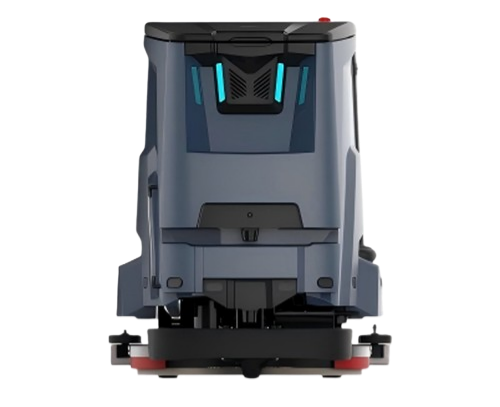 01 Industrial Cleaning Robots
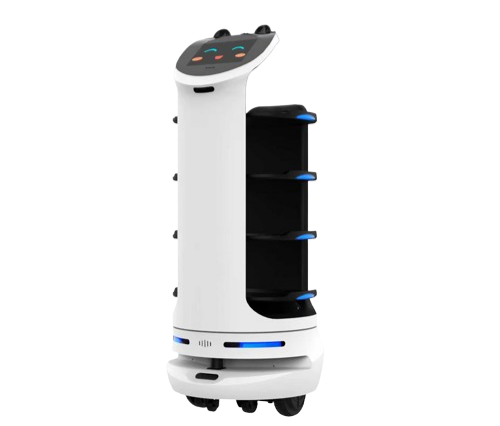 02 Commercial Robots
03 Companion Robot
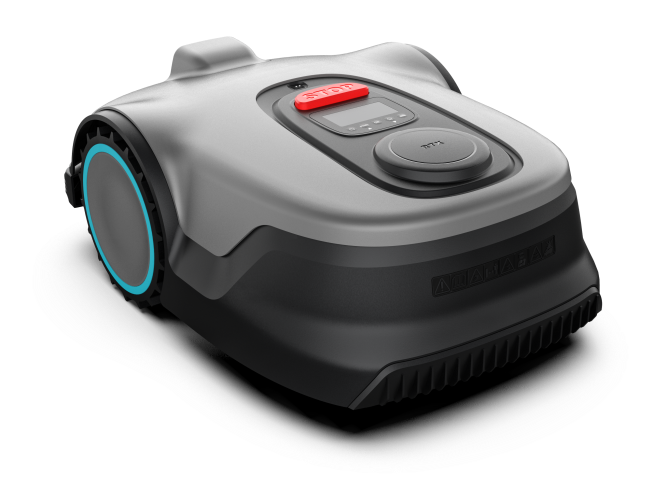 04 Lawn and Garden Robots
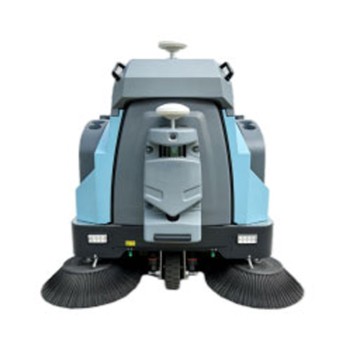
Cleaning Robot is an intelligent robot suitable for indoor scenarios with large-area hard floors. Equipped with AI-powered navigation and hazardous substance detection, it maintains pristine environments in industrial and commercial facilities while ensuring operator safety at all times.
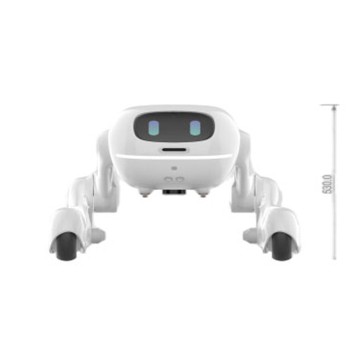
The drive wheels are equipped with an independent suspension structure, which greatly enhances the robot's stability during movement. Ideal for commercial environments requiring safe, smooth transport of sensitive or hazardous cargo across varied floor surfaces.
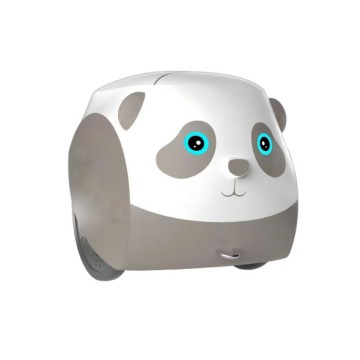
This robot adheres to the core design philosophy of Growth Companion & Enlightenment, specially developed for children aged 3 to 8. Beyond companionship, it features household chemical detection capabilities to keep young children safe from hazardous household substances.
This intelligent robotic lawn mower is designed for efficient, autonomous lawn maintenance. Its advanced sensors detect and avoid hazardous obstacles, chemical treatment zones, and restricted areas — ensuring safe, unattended outdoor operation.
Located at Yineng Science and Technology Park, No. 69 Weixin Road, Suzhou City, Jiangsu Province, we are a comprehensive high-tech enterprise integrating R&D, production and foreign trade export of intelligent robots. Deeply engaged in the field of intelligent robots, we focus on providing efficient, intelligent and reliable robot products and one-stop solutions for global customers.
Our products are exported to many core markets such as Europe, America, Southeast Asia and the Middle East. With excellent product quality and perfect full-process services, we have won wide recognition and long-term trust from global partners — particularly in the critical field of hazardous material transportation robotics.

Our production base is equipped with high-precision CNC machining centers, AI algorithm debugging workstations, and environmental simulation test chambers, dedicated to the manufacturing of smart robots (including cleaning, mowing, and delivery models). The automated assembly lines ensure consistent product quality, while the R&D testing equipment verifies navigation accuracy, battery life, and environmental adaptability for each robot model.

Our facility has obtained ISO 9001 quality management system certification, CE, and FCC certifications for global market compliance. We also hold intellectual property patents for core technologies of smart robots, and our production processes strictly adhere to IEC standards, ensuring that every robot meets international safety and performance requirements.

We provide a full-cycle service system for smart robots, including pre-sales customization, on-site installation, and after-sales technical support. Our team offers remote debugging, firmware upgrades, and 24/7 emergency response to ensure stable operation. For bulk orders, we also provide tailored training programs for your technical and operational teams.
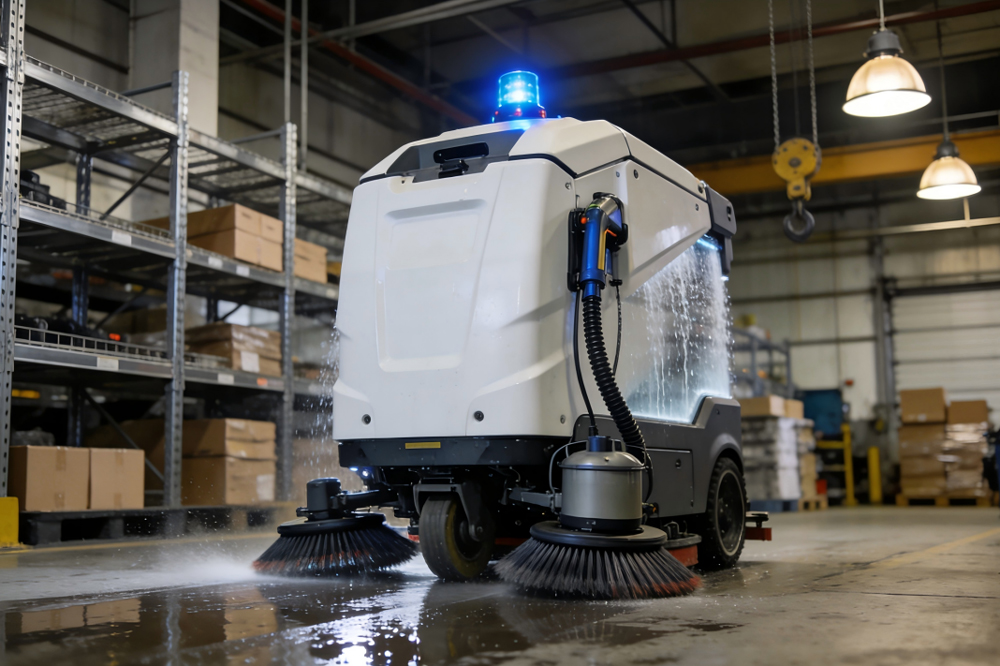
In the field of industrial manufacturing, intelligent robots are the core equipment for production automation. AGVs and collaborative robots boost the efficient operation of production and logistics. Large intelligent cleaning robots can independently finish cleaning work across the whole factory including workshops and warehouse areas, featuring unmanned operation and high adaptability to industrial scenarios. They cut costs, enhance efficiency, ensure the production environment, and fully drive the intelligent upgrading of factories.
Learn More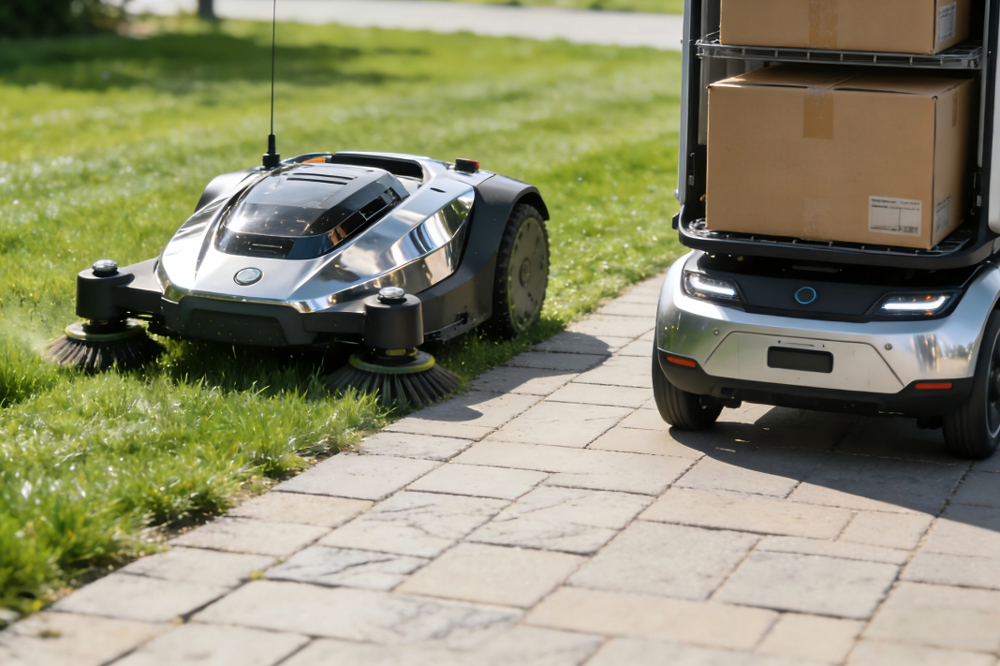
In commercial and service environments — including hotels, hospitals, shopping malls, and airports — service robots handle delivery, cleaning, and hazardous waste transport with precision and efficiency. These robots reduce operational costs, improve hygiene standards, and ensure safe handling of restricted or hazardous materials in high-footfall public spaces.
Learn More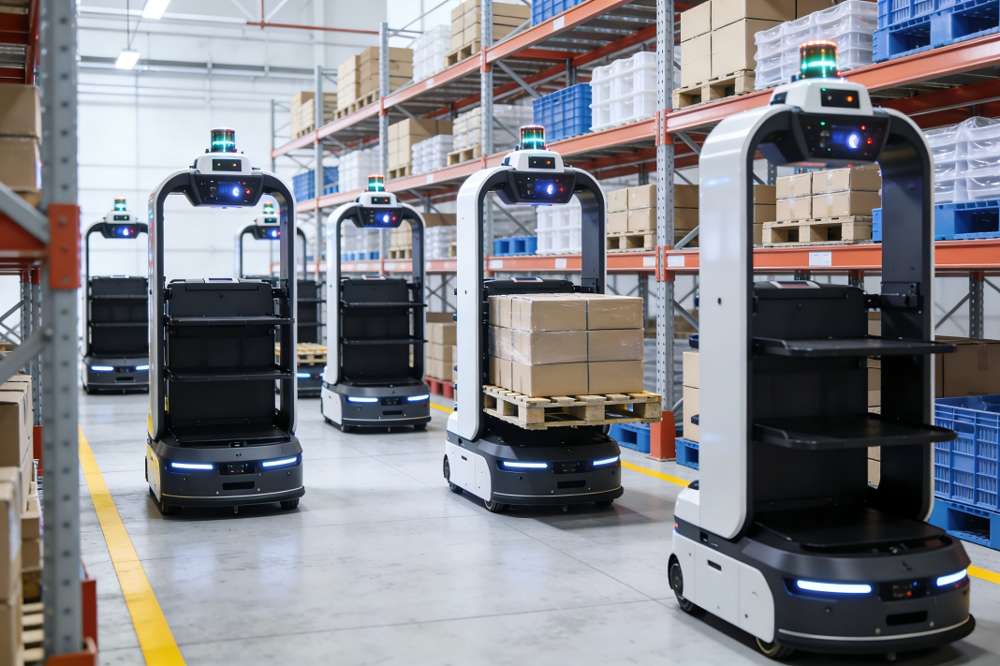
Modern logistics and warehousing operations increasingly rely on autonomous robots for the safe movement of hazardous goods including lithium batteries, chemical reagents, and flammable materials. AI-powered AMRs navigate complex warehouse layouts, maintain safe separation distances between incompatible materials, and generate real-time compliance documentation for every transport event.
Learn MoreFor inquiries about our products or pricelist please leave to us and we will be in touch within 24 hours.
As labor costs rise and efficiency demands increase, commercial cleaning robots are shifting from simple floor scrubbers to intelligent hazmat-aware platforms...
April 28, 2026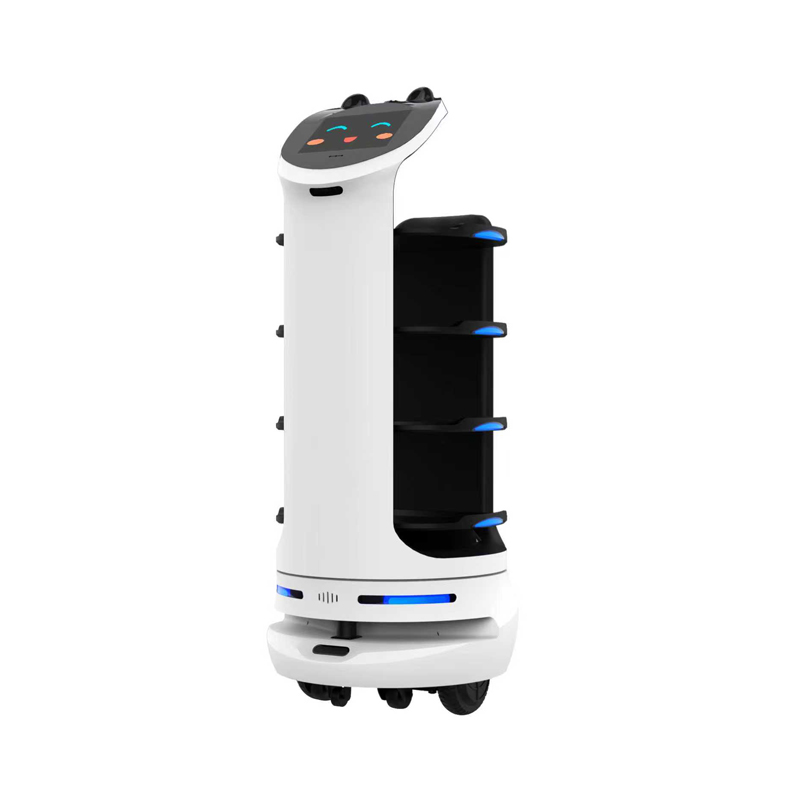
As the global hospitality industry continues its digital transformation, guest service delivery robots are redefining safety and efficiency standards...
April 27, 2026
The body of a robotic vacuum cleaner is a wireless device, mainly disc-shaped. It operates on a rechargeable battery and uses various sensors to navigate...
February 2026