

1. The Industrial Landscape of Automotive Parts Material Flow
The automotive industry is undergoing one of the most significant transformations in its history. Beyond the shift to electric vehicles (EVs) and software-defined architectures, the internal logistics of automotive manufacturing plants—often referred to as **automotive parts material flow**—is being completely re-engineered. Modern automotive assembly lines run on incredibly tight schedules, relying on Just-in-Time (JIT) and Just-in-Sequence (JIS) manufacturing philosophies. In this environment, even a minor delay in delivering a component to the line-side can halt the entire production process, costing manufacturers thousands of dollars per minute.
Historically, material flow relied on manual labor, forklifts, and fixed conveyor belts. However, these traditional methods are increasingly failing to meet the demands of modern production. Forklifts present significant safety hazards in crowded plant corridors, manual transport is highly vulnerable to labor shortages, and fixed conveyor belts lack the flexibility required to handle multiple vehicle models on a single assembly line. The integration of the **Intelligent Robot for Automotive Parts Material Flow** has emerged as the definitive solution to these challenges, bridging the gap between raw warehouse storage and active assembly zones.
"The modern automotive assembly floor is no longer just a mechanical production line; it is a dynamic, software-orchestrated ecosystem where intelligent mobile robots act as the critical nervous system for material flow."
2. How Intelligent Robots Address Automotive Logistics Challenges
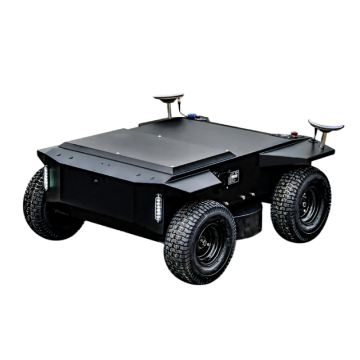
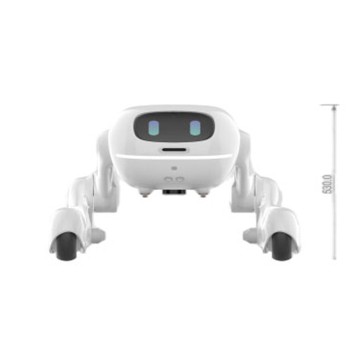
Intelligent robots, which encompass Autonomous Mobile Robots (AMRs), Automated Guided Vehicles (AGVs), and smart utility platforms, address the core vulnerabilities of automotive logistics through precision, adaptability, and continuous operation.
Eliminating Human Error in Kitting and Sequencing
Automotive parts are highly diverse, ranging from small fasteners and electronic control units (ECUs) to massive engine blocks and battery packs. When parts are prepared in "kits" to be delivered in sequence to the line-side, any error in selection can lead to assembly line stoppages or vehicle defects. Intelligent robots integrated with Warehouse Management Systems (WMS) and Manufacturing Execution Systems (MES) ensure that the exact parts are picked, loaded, and transported to the correct workstation at precisely the right millisecond.
Dynamic Navigation in Complex Environments
Unlike older AGVs that required physical magnetic tape or wires embedded in the concrete floor, modern intelligent robots utilize advanced SLAM (Simultaneous Localization and Mapping) technology, LiDAR, and 3D depth cameras. This allows them to navigate dynamically. If an unexpected obstacle—such as a discarded pallet or a group of workers—blocks a path, the robot recalculates its route in real-time, preventing bottlenecks and maintaining the continuous flow of parts.
3. Key Technological Trends in Automotive Material Flow Robotics
The development of intelligent robots for automotive material flow is accelerated by several key technological trends that enhance their autonomy, connectivity, and safety profiles.
1. Sensor Fusion and AI-Driven Vision
Modern robots no longer rely on a single sensor type. By combining data from 2D and 3D LiDAR, ultrasonic sensors, time-of-flight (ToF) cameras, and wheel encoders, robots achieve complete 360-degree situational awareness. AI algorithms process this fused data to predict the movement of humans and other vehicles in the plant, allowing the robot to slow down or navigate around obstacles proactively.
2. 5G Connectivity and Fleet Orchestration
In a large automotive facility, hundreds of robots must operate simultaneously. 5G networks provide the ultra-low latency and high bandwidth necessary for real-time fleet orchestration. Centralized software systems can monitor the battery status, location, and load of every robot, dynamically assigning tasks to optimize overall throughput and prevent traffic jams in narrow factory aisles.
3. Hybrid Navigation Systems
While SLAM is highly flexible, automotive environments can sometimes change rapidly, with large stacks of pallets moving in and out of sight. To maintain millimeter-level positioning accuracy, robots increasingly use hybrid navigation systems that combine LiDAR-based SLAM with QR code grids, reflective tape, or visual markers in key zones, ensuring reliable operation under all conditions.
4. Deep-Dive Application Scenarios in Automotive Manufacturing
To fully appreciate the impact of intelligent robots on automotive parts material flow, it is helpful to look at specific, high-value application scenarios within the manufacturing facility.
Scenario A: Raw Material and Heavy Component Staging
At the receiving dock, raw materials, castings, and heavy stamped metal sheets must be moved to storage or directly to sub-assembly areas. Heavy-duty autonomous forklifts and high-capacity tow tractors move these large payloads safely without human intervention, reducing the risk of workplace injuries associated with heavy forklift operations.
Scenario B: Line-Side Kitting and Delivery
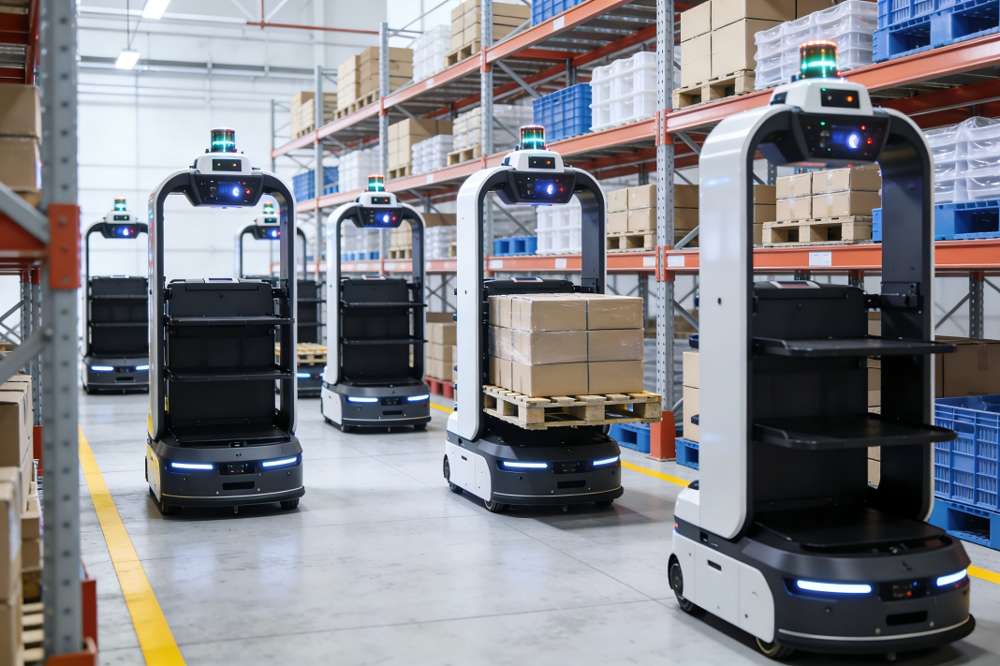
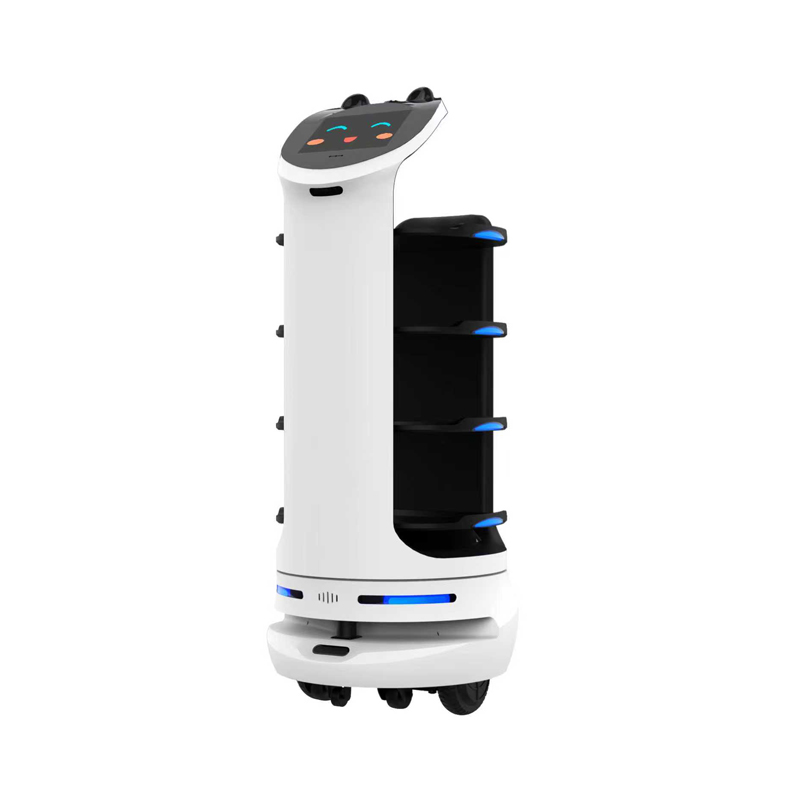
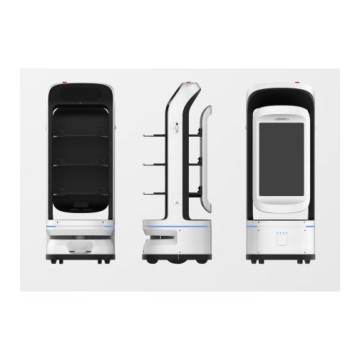
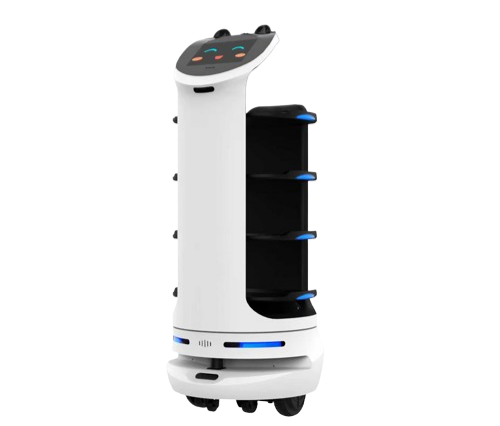
During final assembly, components such as door panels, dashboards, and wiring harnesses must meet the chassis in a specific order. Small-to-medium AMRs transport specialized kitting carts directly from the picking zone to the assembly line. The robots synchronize their speed with the moving assembly line, allowing workers to easily access the parts they need without leaving their stations.
Scenario C: Clean Room and Electronics Protection
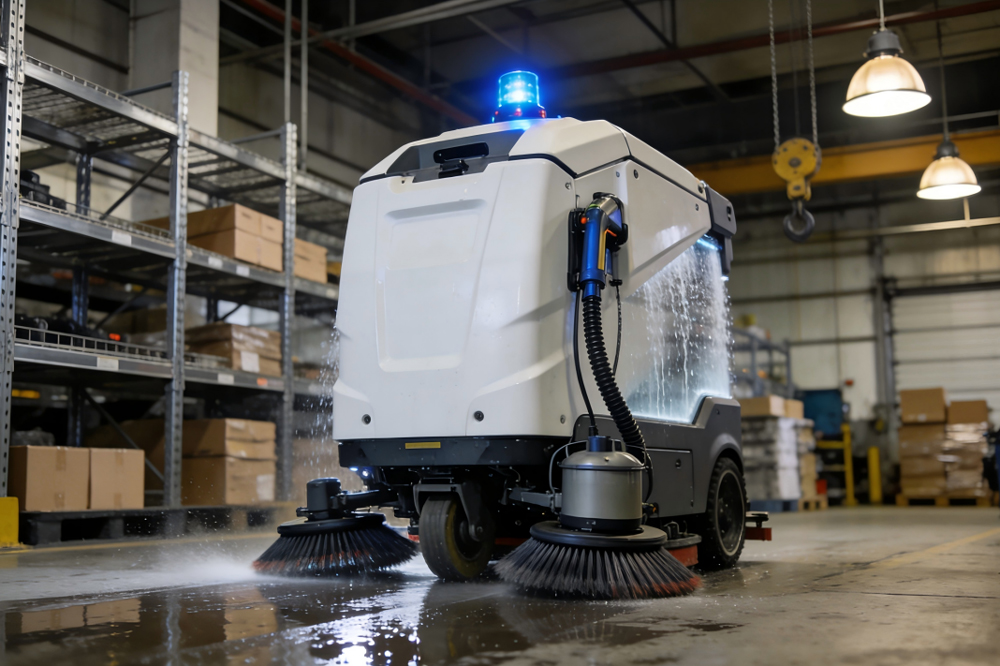
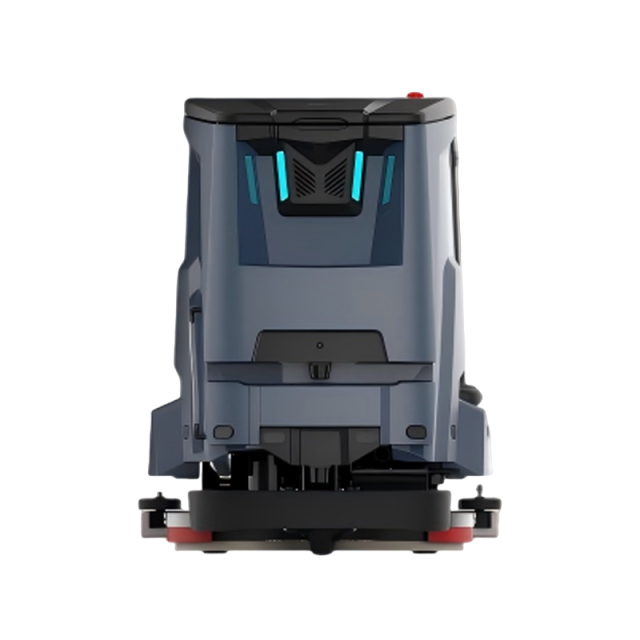
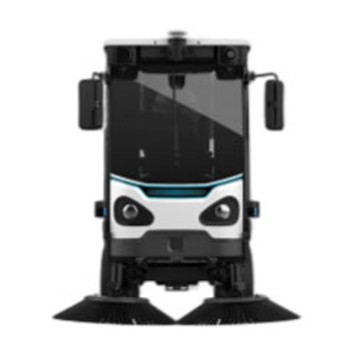
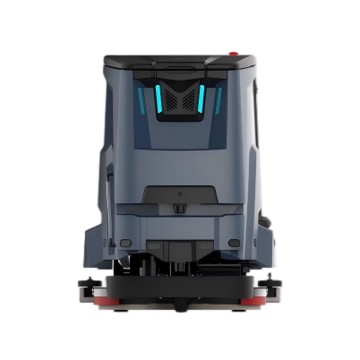
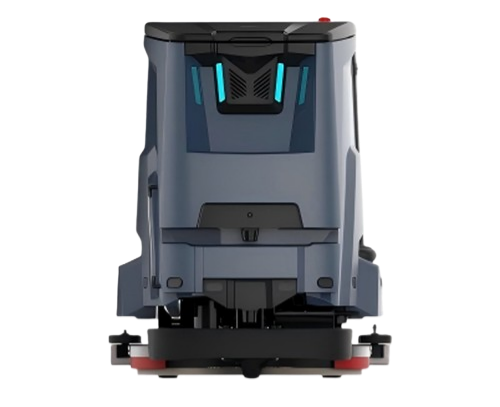
With the rise of EVs, the production of battery packs and advanced driver-assistance systems (ADAS) requires clean room environments. Dust and static electricity can ruin sensitive electronics. Specialized cleaning and transport robots operate in these environments, maintaining clean-room standards by continuously scrubbing floors and transporting components without shedding particles, a common issue with human operators.
Scenario D: Automated Empty Container Return
An often-overlooked bottleneck in material flow is the accumulation of empty bins, racks, and pallets at the line-side. If not removed quickly, they clutter the workspace and present safety hazards. Intelligent robots are programmed to automatically pick up empty containers from assembly stations and return them to the logistics area for replenishment or recycling, closing the loop on material flow.
5. Quantifying the ROI: Economic and Operational Impacts
Implementing an intelligent robot system for automotive parts material flow represents a significant capital investment, but the return on investment (ROI) is rapid and substantial.
- Reduction in Operational Costs: By automating repetitive transport tasks, plants can reallocate valuable human labor to high-skill assembly and quality control roles.
- Increased Safety: Robots operate with predictable paths and speeds, virtually eliminating collisions and reducing worker compensation claims related to manual handling.
- Minimized Downtime: With 24/7 reliability and automated charging cycles, robots ensure that assembly lines never starve for parts, maximizing overall equipment effectiveness (OEE).
- Space Optimization: Dynamic routing and precise movements allow factories to operate with narrower aisles, freeing up valuable floor space for additional production lines.
6. Future Outlook: The Autonomous Automotive Megafactory
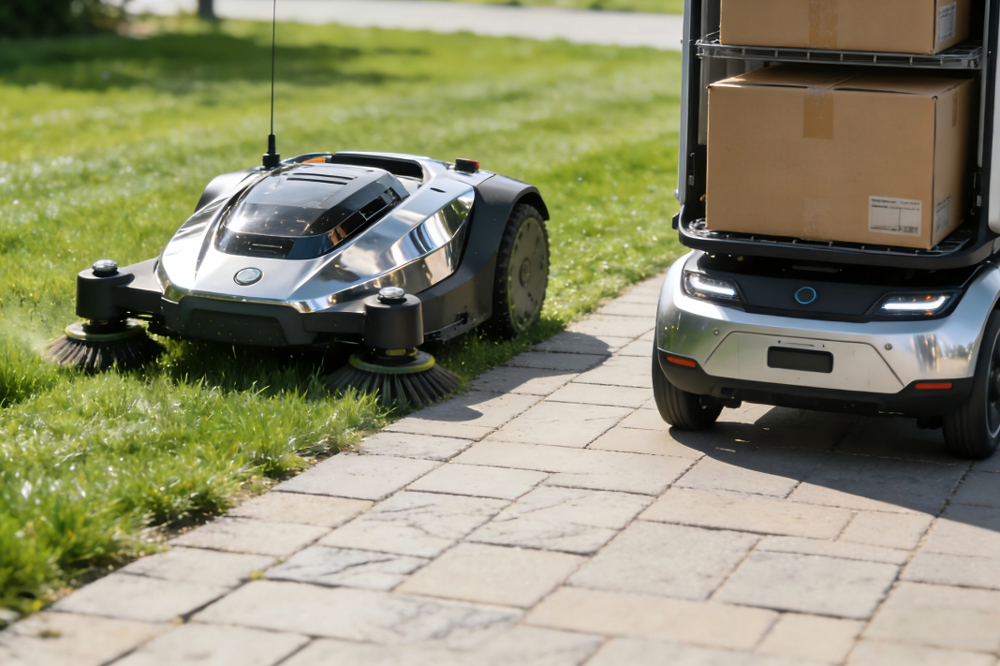
Looking forward, the role of intelligent robots in automotive material flow will only expand. We will see the transition from isolated automated tasks to fully autonomous factories where robots communicate directly with one another. For example, a cleaning robot might communicate with a delivery robot to coordinate floor cleaning schedules, avoiding high-traffic delivery routes during peak shift changes. As artificial intelligence continues to advance, these robots will not just follow pre-programmed instructions but will actively learn and optimize their own workflows, driving unprecedented efficiency in global automotive manufacturing.