- Home
- About Us
- Products
- Application
- FAQ
- News
- Contact Us
inquiry
Leave Your Message
In the rapidly transforming landscape of Industry 4.0, the "Intelligent Robot For High-Speed Assembly Line Feeding" has emerged as a cornerstone of modern manufacturing efficiency. Gone are the days when assembly lines relied solely on fixed-path conveyors and manual material handling. Today, high-speed production environments demand a level of agility, precision, and synchronization that only advanced AI-powered robotics can provide.
High-speed assembly lines, common in electronics, automotive, and pharmaceutical industries, operate at cycles measured in milliseconds. Any delay in the feeding of components—be it a microchip, a screw, or a mechanical housing—results in a bottleneck that ripples through the entire supply chain. Intelligent robots bridge this gap by utilizing real-time data to predict demand and deliver materials with zero downtime.
Modern industrial robots for feeding are no longer just "dumb" arms. they are integrated units equipped with 3D vision, force-torque sensors, and edge computing capabilities. This allows them to identify, pick, and place components from disorganized bins (bin-picking) at speeds that exceed human capability, while maintaining a 99.9% accuracy rate.
In automotive manufacturing, the complexity of parts is staggering. An intelligent robot for high-speed assembly line feeding in this sector must handle diverse materials—from heavy engine blocks to delicate sensors. Using SLAM (Simultaneous Localization and Mapping) technology, these robots navigate the factory floor autonomously, delivering sub-assemblies to the exact station at the exact moment they are needed. This "Just-In-Time" (JIT) delivery model is perfected by AI algorithms that analyze production speed and adjust the robot's velocity and pathing accordingly.
The "intelligence" in these robots stems from three core pillars:
The future of high-speed feeding lies in "Cobots" (Collaborative Robots). These are smaller, more flexible robots designed to work hand-in-hand with humans. In high-speed assembly, a cobot might handle the repetitive feeding of small parts, while a human technician focuses on complex quality inspections. Furthermore, sustainability is becoming a key driver. Modern intelligent robots are designed with energy-efficient motors and regenerative braking systems, reducing the carbon footprint of the assembly line.
For business owners, the investment in an Intelligent Robot For High-Speed Assembly Line Feeding is justified by the rapid Return on Investment (ROI). While the initial capital expenditure (CAPEX) may be significant, the reduction in labor costs, the elimination of human error, and the ability to run 24/7 production cycles typically result in the system paying for itself within 18 to 24 months. Moreover, the scalability of robotic systems allows factories to increase output without a proportional increase in floor space or headcount.
High-precision CNC machining centers and AI algorithm debugging workstations ensure consistent product quality.
ISO 9001, CE, and FCC certifications for global market compliance and safety.
Full-cycle support including pre-sales customization, on-site installation, and 24/7 technical assistance.
Expert export services to Europe, America, Southeast Asia, and the Middle East.
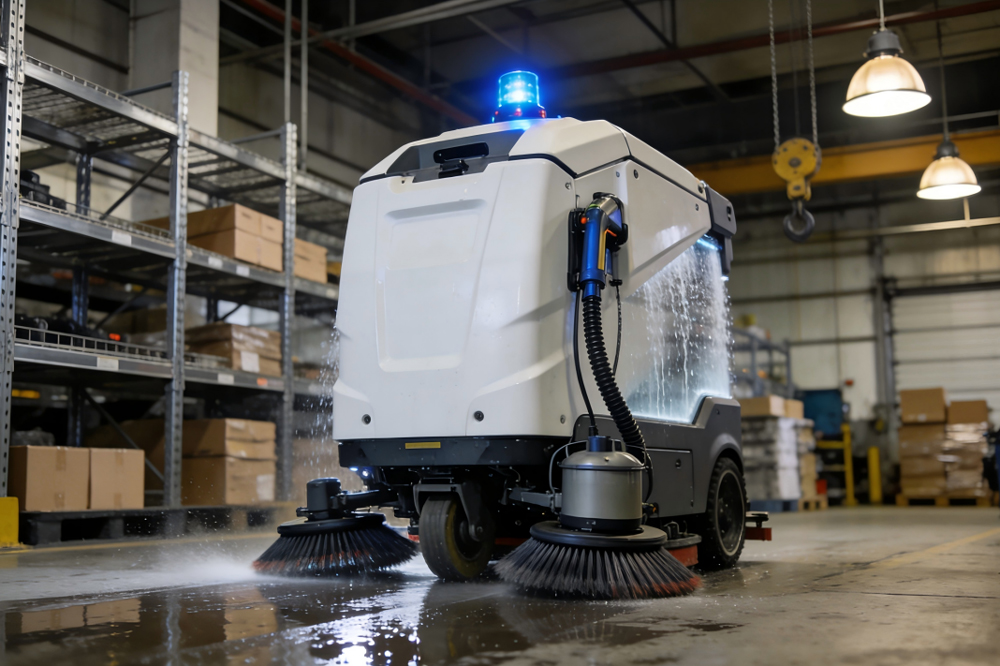
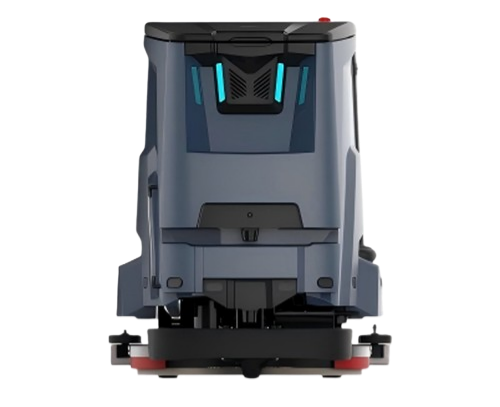
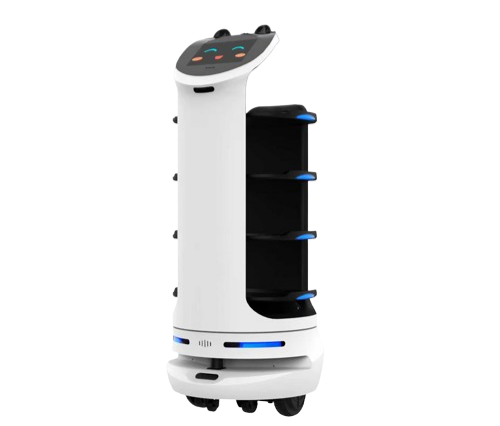
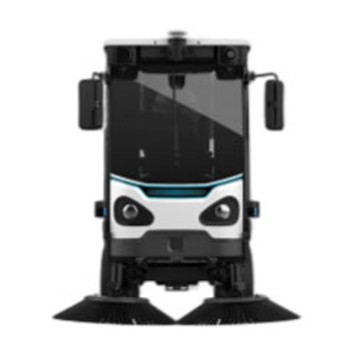
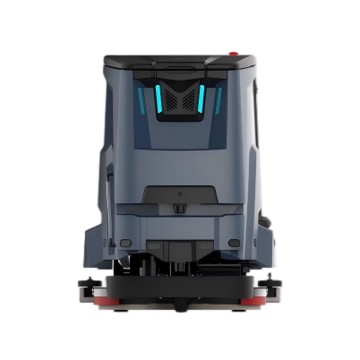
In the field of industrial manufacturing, intelligent robots are the core equipment for production automation. AGVs and collaborative robots boost the efficient operation of production and logistics. Large intelligent cleaning robots can independently finish cleaning work across the whole factory, featuring unmanned operation and high adaptability.
Get a quote for your high-speed assembly line feeding solution within 24 hours.