
- Home
- About Us
- Products
- Application
- FAQ
- News
- Contact Us
inquiry
Leave Your Message
The automotive manufacturing industry is undergoing one of the most significant transformations in its history. As global OEMs and tier-one suppliers race to optimize production efficiency, reduce operational costs, and meet increasingly stringent quality standards, the integration of autonomous robotic systems into material flow operations has emerged as a critical competitive differentiator. Among these innovations, lawnmower-style autonomous mobile robots (AMRs) — originally designed for outdoor grass-cutting — have been re-engineered and adapted with remarkable success for indoor automotive parts material flow applications.
🚨 The global autonomous mobile robot market for industrial applications is projected to exceed USD 7.8 billion by 2030, with automotive manufacturing representing the fastest-growing end-use segment — driven by demand for flexible, scalable intralogistics automation.
The mechanical and software architecture of lawnmower robots shares a foundational DNA with industrial AMRs: low-profile chassis design, omnidirectional or differential-drive mobility, onboard LIDAR and vision-based navigation, and modular payload platforms. These characteristics make them inherently suitable for navigating the complex, dynamic floor environments of automotive assembly plants — where stamped panels, engine sub-assemblies, wire harnesses, and fastener kits must move continuously between stations.
In automotive factories, material flow is the circulatory system of production. Delays in parts delivery to assembly lines — even of just a few minutes — can halt entire production cells, costing thousands of dollars per minute. Traditional tugger trains, forklifts, and manual push carts are increasingly inadequate for the precision timing demands of just-in-time (JIT) and just-in-sequence (JIS) manufacturing philosophies. Lawnmower-derived AMRs, with their autonomous path-planning, real-time obstacle avoidance, and fleet management integration, directly address these pain points.
As of 2025, leading automotive manufacturers including Volkswagen Group, Toyota, BMW, and SAIC Motor have deployed fleets of autonomous mobile robots across their global manufacturing facilities. The deployment scale has grown from pilot programs of 5–10 units to full-scale operations involving hundreds of AMRs per plant. These robots handle tasks ranging from kitting and sequencing parts at supermarkets (parts storage areas adjacent to assembly lines) to transporting heavy engine blocks and body panels via specialized carrier attachments.
Chinese automotive manufacturers and their supplier ecosystems have been particularly aggressive in AMR adoption. Driven by rising labor costs, government incentives under the "Made in China 2025" initiative, and the explosive growth of new energy vehicle (NEV) production, factories in the Yangtze River Delta and Pearl River Delta regions have become global benchmarks for robotic material flow integration. Companies like MHD Robot, headquartered in Suzhou's high-tech corridors, are at the forefront of supplying these intelligent platforms to both domestic and international automotive clients.
The versatility of lawnmower-robot-derived AMR platforms enables deployment across virtually every stage of the automotive parts material flow chain:
AMRs autonomously transport stamped body panels from press lines to lineside supermarkets, maintaining precise inventory levels and eliminating manual forklift trips. RFID-tagged racks enable automatic inventory reconciliation upon delivery.
In engine assembly, AMRs deliver pre-kitted fastener sets, gaskets, and sub-assemblies in precise production sequence to each workstation, supporting JIS manufacturing and dramatically reducing assembly errors and line-side inventory clutter.
Between robotic welding cells, AMRs transport body-in-white (BIW) sub-assemblies on specialized fixture carriers, maintaining precise timing with welding robot cycles and eliminating the need for fixed conveyor infrastructure between cells.
Low-profile AMRs navigate beneath paint shop equipment to deliver bumpers, door panels, and trim components to painting stations, operating in environments with strict cleanliness requirements where traditional vehicles would introduce contamination risks.
AMR fleets operate as the backbone of final assembly line supply, delivering seats, dashboards, wire harnesses, and wheel assemblies in precise sequence, synchronized with the moving assembly line speed to achieve zero-defect, zero-delay material presentation.
Connecting automated storage and retrieval systems (AS/RS) to production lines, AMRs serve as the flexible last-mile link, transporting raw materials, purchased parts, and consumables from central warehouses to point-of-use locations across multi-building campuses.
Automotive manufacturers deploying AMR-based material flow systems consistently report compelling return-on-investment metrics. Typical payback periods range from 18 to 36 months, driven by labor cost reduction (typically 40–60% reduction in material handling headcount), elimination of material handling-related production stoppages (reducing downtime by up to 35%), and significant improvements in inventory accuracy (from typical manual accuracies of 92–95% to AMR-enabled accuracies exceeding 99.5%).
Beyond direct cost savings, AMR deployment delivers strategic competitive advantages: the ability to rapidly reconfigure production layouts without infrastructure investment, scalable capacity through fleet expansion, and the data intelligence generated by connected AMR fleets — which feeds into broader Industry 4.0 analytics platforms for continuous improvement.
As the automotive industry accelerates its transition to electric vehicle platforms — which require fundamentally different parts flow patterns compared to internal combustion engine vehicles — the flexibility of AMR-based material flow systems becomes an even more critical strategic asset. Unlike fixed conveyor systems that require costly redesign for each new model, AMR fleets can be reprogrammed and redeployed to support new production configurations within hours.
The convergence of AI, 5G, and advanced sensor fusion is redefining what's possible in automotive parts logistics — creating smarter, faster, and more adaptable material flow ecosystems.
Deep learning algorithms enable robots to predict and adapt to dynamic factory environments, learning optimal paths and anticipating human movement patterns for seamless co-existence on the production floor.
Private 5G networks deliver sub-10ms latency for real-time fleet coordination, enabling hundreds of AMRs to operate in perfect synchronization with MES, WMS, and ERP systems simultaneously.
Virtual factory replicas allow engineers to simulate and optimize AMR routing strategies, test new production layouts, and predict system performance before any physical changes are made.
AI-driven battery management with opportunity charging protocols maximizes robot uptime, while regenerative braking and solar-assisted charging reduce total energy consumption by up to 30%.
Enterprise-grade encryption and blockchain-based audit trails protect AMR fleet data and production information, meeting the stringent cybersecurity requirements of global automotive OEMs.
Standardized robot platforms with localized software configurations enable automotive manufacturers to deploy consistent AMR solutions across global manufacturing networks from a single vendor relationship.
Located at Yineng Science and Technology Park, Suzhou — a comprehensive high-tech enterprise integrating R&D, production, and global export of intelligent robots serving automotive, commercial, and household markets worldwide.
Our flagship robot platforms engineered for automotive parts material flow, industrial cleaning, and intelligent service applications across global manufacturing environments.
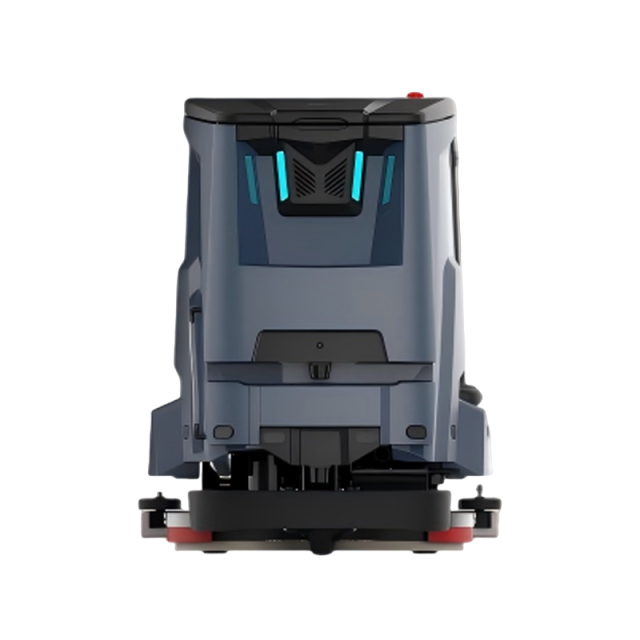
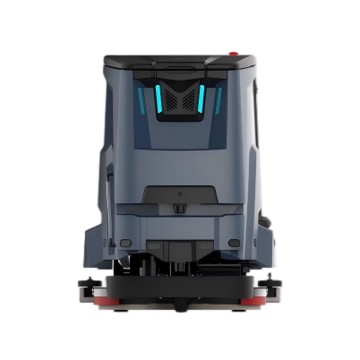
Intelligent robot suitable for large-area hard floor industrial environments including automotive assembly plants and warehouses — fully autonomous, unmanned operation.
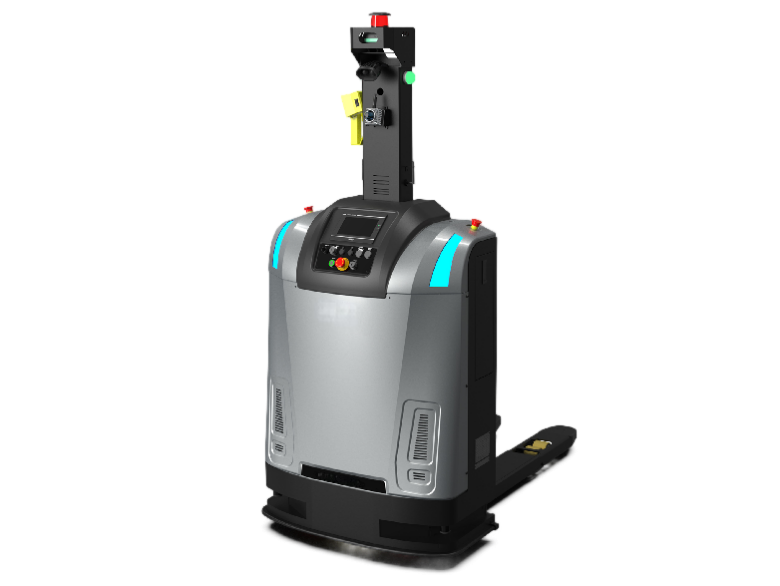
Next-generation autonomous material handling solution designed for heavy automotive components — engine blocks, body panels, and chassis assemblies in JIT production environments.
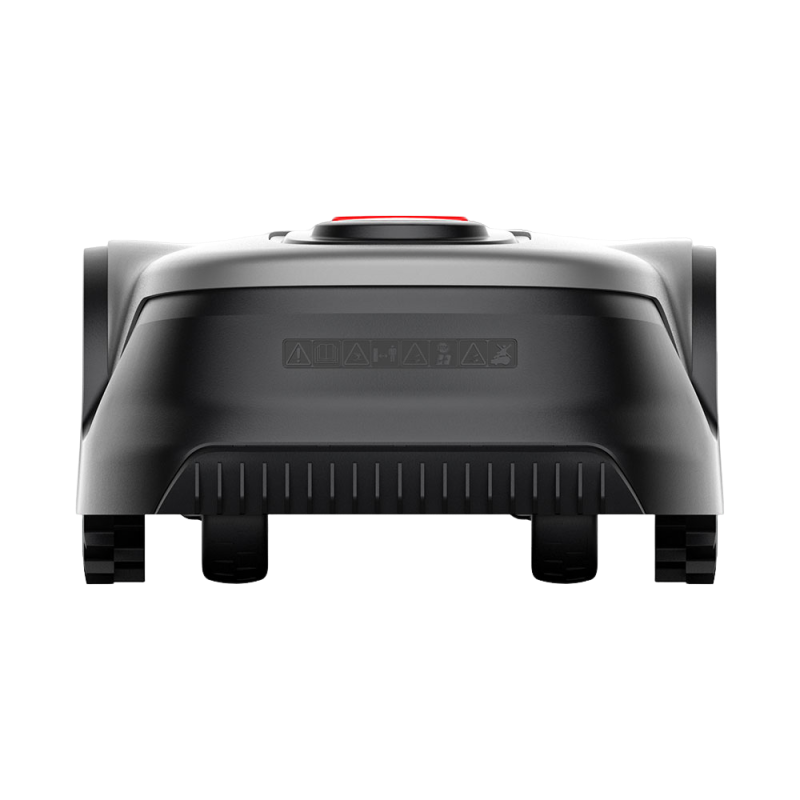
Intelligent autonomous mobile robot platform adapted from lawnmower architecture — designed for efficient, autonomous parts transport and material flow in automotive manufacturing facilities.

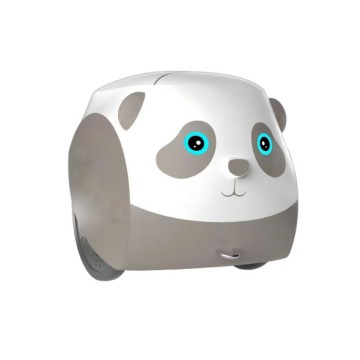
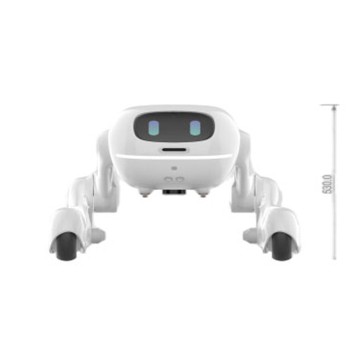
Adheres to the core design philosophy of Growth Companion & Enlightenment, specially developed for children aged 3 to 8 — intelligent, interactive, and educational.
Deeply engaged in the robot field, with product lines covering multiple application scenarios including commercial, industrial, and household use — from automotive material flow AMRs to companion robots.
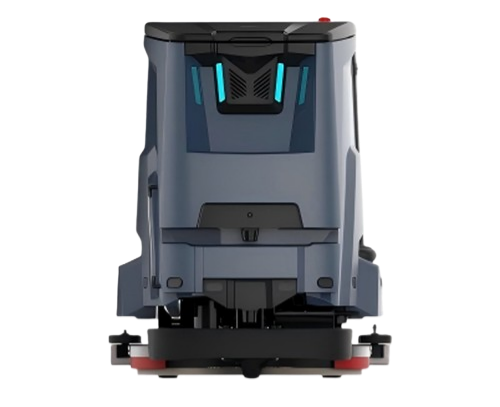
Cleaning Robot is an intelligent robot suitable for indoor scenarios with large-area hard floors. In automotive manufacturing, these units autonomously maintain plant cleanliness across workshop and warehouse areas — featuring unmanned operation, high adaptability to industrial scenarios, and real-time mapping for complete floor coverage without human intervention. Equipped with high-precision CNC-manufactured components and AI navigation algorithms verified through environmental simulation testing.
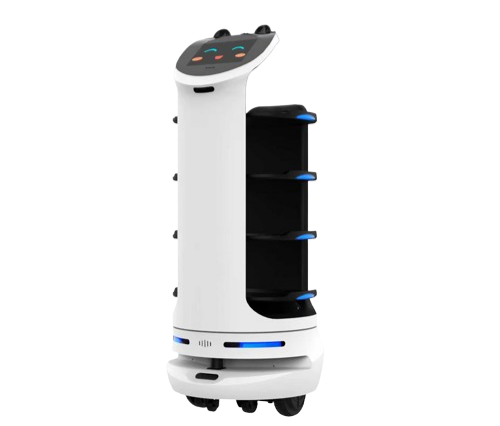
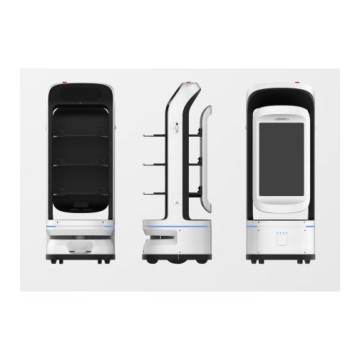
The drive wheels are equipped with an independent suspension structure, which greatly enhances the robot's stability during movement across varied floor surfaces. Designed for diverse commercial environments including automotive showrooms, manufacturing offices, and visitor centers — delivering, guiding, and serving with precision and reliability. Multiple form factors available to suit specific deployment requirements.
This robot adheres to the core design philosophy of Growth Companion & Enlightenment, specially developed for children aged 3 to 8. Combining AI-powered interaction, educational content delivery, and emotional responsiveness, it serves as an intelligent growth partner for families — reflecting our company's commitment to extending intelligent robotics beyond industrial applications into everyday life.
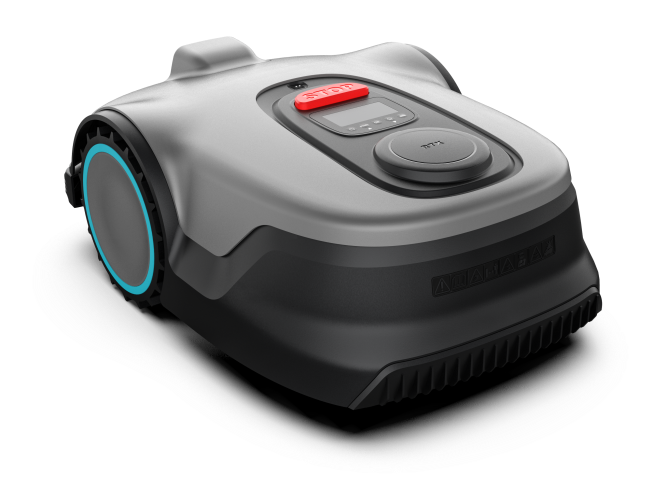
This intelligent robotic lawn mower is designed for efficient, autonomous lawn maintenance — and represents the foundational AMR architecture that has been adapted for automotive parts material flow applications. Its proven autonomous navigation, obstacle avoidance, and energy management systems form the technological basis for our industrial material handling robot platforms deployed in automotive manufacturing environments globally.
Located at Yineng Science and Technology Park, No. 69 Weixin Road, Suzhou City, Jiangsu Province, we are a comprehensive high-tech enterprise integrating R&D, production and foreign trade export of intelligent robots. Deeply engaged in the field of intelligent robots, we focus on providing efficient, intelligent and reliable robot products and one-stop solutions for global customers.
Our products are exported to many core markets such as Europe, America, Southeast Asia and the Middle East. With excellent product quality and perfect full-process services, we have won wide recognition and long-term trust from global partners — including leading automotive OEMs and tier-one suppliers seeking advanced material flow automation solutions.
LEARN MOREFrom production equipment to factory qualifications and comprehensive after-sales support — we deliver end-to-end excellence for every robot deployment in automotive and industrial environments.

Our production base is equipped with high-precision CNC machining centers, AI algorithm debugging workstations, and environmental simulation test chambers. Automated assembly lines ensure consistent product quality, while R&D testing equipment verifies navigation accuracy, battery life, and environmental adaptability for each robot model — including those deployed in automotive material flow applications.

Our facility holds ISO 9001 quality management system certification, CE, and FCC certifications for global market compliance. We also hold intellectual property patents for core technologies of smart robots, and our production processes strictly adhere to IEC standards — ensuring every robot meets international safety and performance requirements for automotive manufacturing environments.

We provide a full-cycle service system including pre-sales customization, on-site installation, and after-sales technical support. Our team offers remote debugging, firmware upgrades, and 24/7 emergency response to ensure stable operation. For bulk automotive manufacturing orders, we provide tailored training programs for your technical and operational teams.
AGV & AMR: Unmanned and automated material transfer covering multiple fields — industrial production, warehousing logistics, and commercial services. From automotive parts flow to large-scale warehouse operations.
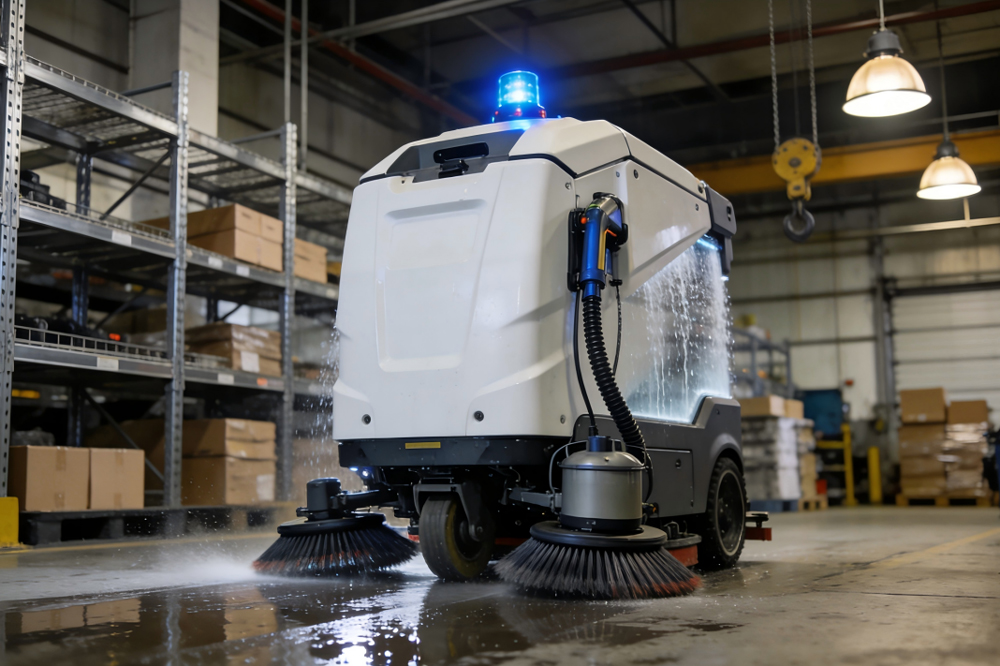
In the field of industrial manufacturing, intelligent robots are the core equipment for production automation. AGVs and collaborative robots boost the efficient operation of production and logistics. Large intelligent cleaning robots can independently finish cleaning work across the whole factory including workshops and warehouse areas, featuring unmanned operation and high adaptability to industrial scenarios. They cut costs, enhance efficiency, ensure the production environment, and fully drive the intelligent upgrading of factories. In automotive parts material flow specifically, AMR fleets synchronize with assembly line speeds to deliver zero-delay, zero-defect parts presentation.
Learn More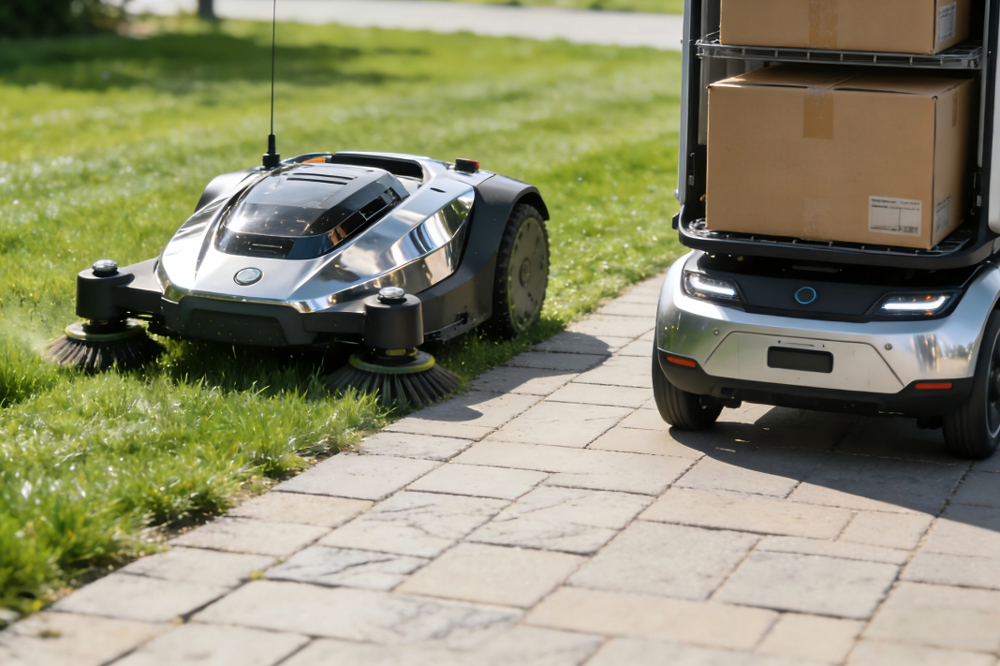
In commercial and service environments, intelligent robots transform customer experiences and operational efficiency. From hotel guest service delivery robots to autonomous cleaning systems in shopping centers and airports, our platforms deliver measurable improvements in service quality while reducing operational costs. The same navigation intelligence that powers automotive material flow AMRs enables precise, reliable service delivery in complex public environments.
Learn More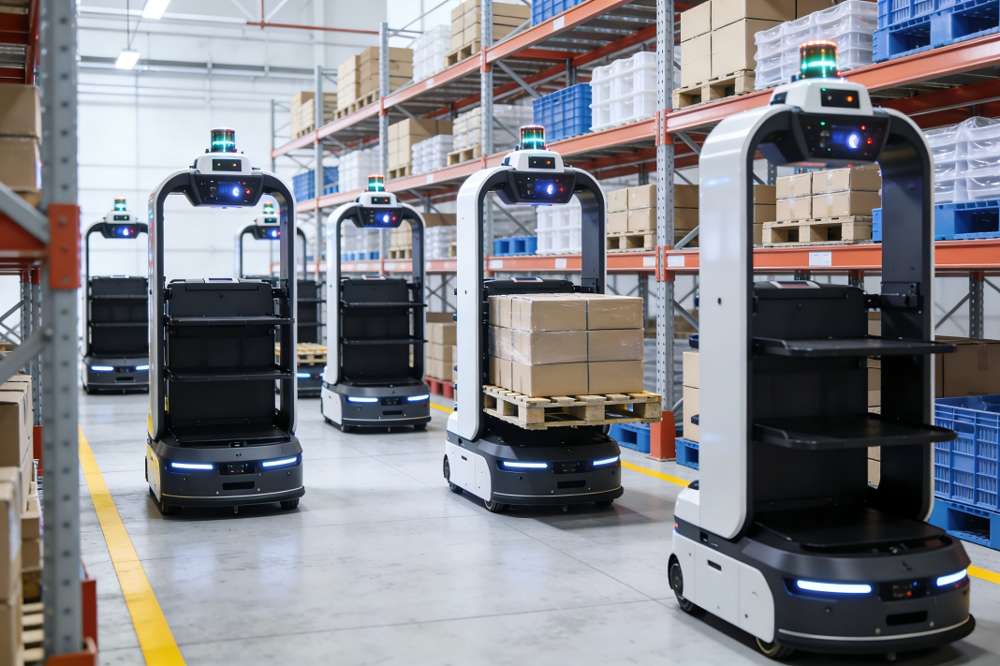
In logistics and warehousing, autonomous mobile robots serve as the flexible backbone of modern fulfillment operations. Connecting automated storage systems to shipping docks, managing inventory replenishment, and coordinating cross-docking operations — our AMR platforms integrate seamlessly with WMS and ERP systems to deliver real-time visibility and control across the entire supply chain, including automotive parts distribution networks.
Learn MoreFrom autonomous material flow AMRs for automotive plants to intelligent companion robots — discover the complete range of intelligent robot solutions from MHD Robot.

For inquiries about our products or pricelist please leave your details and we will be in touch within 24 hours.
As labor costs rise and efficiency demands increase, commercial cleaning robots are shifting from optional automation to essential infrastructure in automotive plants and large commercial facilities...
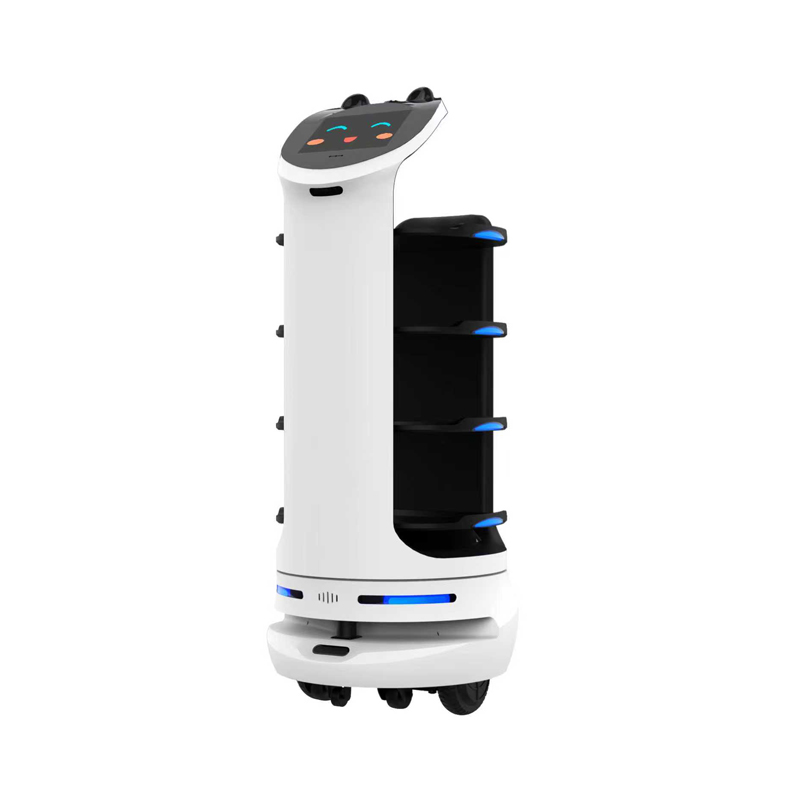
As the global hospitality industry continues its digital transformation, guest service delivery robots are redefining the standard for efficient, contactless, and personalized hotel services...

The body of a robotic vacuum cleaner is a wireless device, mainly disc-shaped. It operates on rechargeable batteries and is equipped with sensors and AI navigation for fully autonomous floor cleaning...