- Home
- About Us
- Products
- Application
- FAQ
- News
- Contact Us
inquiry
Leave Your Message
Explore our flagship robotic platforms engineered for safe, autonomous operation in hazardous and industrial settings.
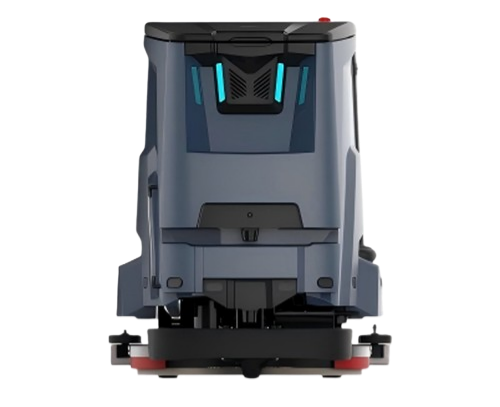
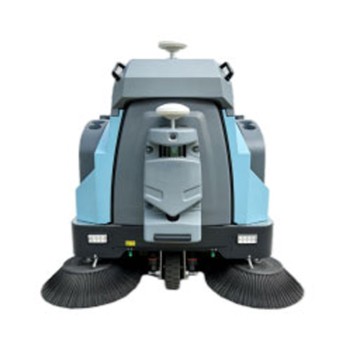
Intelligent robot for large-area hard-floor industrial environments, including chemical and manufacturing facilities.
View More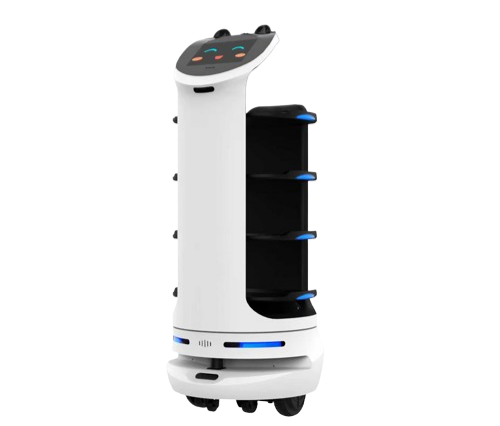
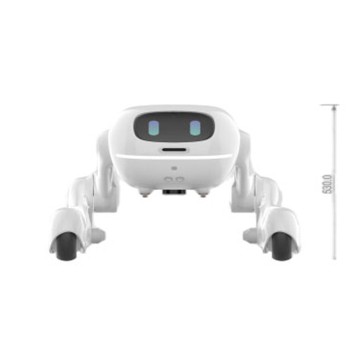
Independent suspension drive system ensures stability when transporting hazardous materials across uneven terrain.
View More
Designed for real-time environmental sensing and personnel safety monitoring in restricted hazardous zones.
View More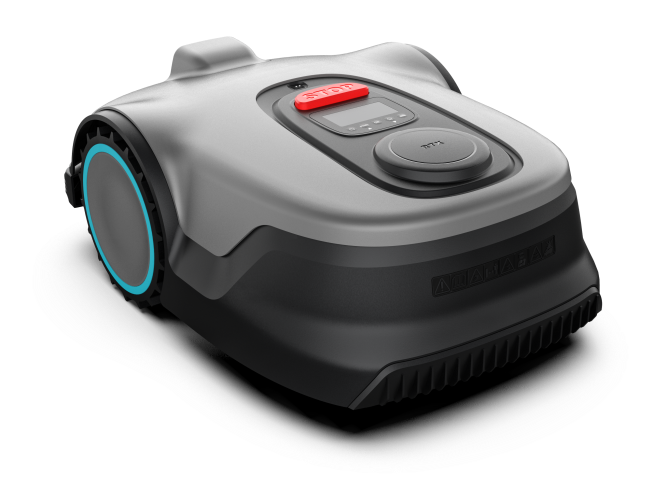
Autonomous lawn mower adapted for perimeter management around hazardous storage and industrial sites.
View MoreThe concept of a lawnmower robot for hazardous material transportation represents one of the most innovative crossovers in modern robotics engineering. Originally developed for autonomous grass-cutting in residential and commercial settings, today's advanced robotic mowing platforms have been re-engineered and adapted to serve a far more critical purpose: the safe, autonomous, and precise transportation of hazardous materials (hazmat) across industrial, chemical, military, and environmental remediation sites.
Traditional hazmat transportation relies heavily on human operators who are exposed to toxic chemicals, radioactive substances, flammable gases, and biological agents. This not only creates significant occupational health risks but also increases operational costs and response times. By leveraging the robust chassis, autonomous navigation, and AI-powered sensor suites of modern robotic lawn mower platforms, engineers have created a new class of ground-based unmanned vehicles (UGVs) capable of operating in environments that are simply too dangerous for human workers.
🚨 Key Insight: Adapting lawnmower robot technology for hazardous material transport reduces human exposure to toxic environments by up to 95%, while cutting operational response time by over 60% in documented industrial deployments.
These systems combine precision GPS and LiDAR navigation, multi-sensor obstacle avoidance, sealed payload compartments, and remote command interfaces to deliver a complete autonomous hazmat logistics solution. Whether transporting nuclear waste containers in decommissioning facilities, moving chemical drums in pharmaceutical plants, or carrying explosive ordnance in military demining operations, the lawnmower robot platform offers an unprecedented combination of agility, safety, and intelligence.
The global market for hazardous material handling robots is experiencing rapid expansion. According to industry analysts, the hazmat robotics sector was valued at approximately $3.2 billion USD in 2023 and is projected to exceed $8.7 billion by 2030, driven by tightening safety regulations, rising labor costs, and the accelerating adoption of Industry 4.0 automation frameworks.
Several key industries are already deploying lawnmower-style robotic platforms adapted for hazmat transport:
Decommissioning plants and nuclear power stations use compact robotic platforms to transport spent fuel containers, radioactive waste drums, and contaminated equipment through restricted zones, eliminating worker exposure to ionizing radiation.
Chemical plants and pharma facilities deploy autonomous ground robots to move corrosive acids, volatile solvents, and controlled substances between production areas, storage vaults, and disposal units with zero human contact.
Offshore platforms and onshore refineries utilize rugged robotic mower chassis to transport gas canisters, chemical injection modules, and hazardous sampling equipment across explosion-risk zones classified as ATEX/IECEx areas.
Beyond these traditional sectors, emerging applications are being identified in environmental remediation (transporting contaminated soil samples and chemical neutralizers at pollution cleanup sites), military logistics (moving explosive ordnance, chemical weapon precursors, and biological containment units), and emergency response (delivering antidotes, decontamination agents, and sensor equipment into active hazmat incident zones).
China has emerged as a global leader in this technology segment, with manufacturers in Jiangsu, Guangdong, and Zhejiang provinces producing highly cost-competitive robotic platforms that meet international CE, FCC, and ISO 9001 standards. These China-based suppliers are increasingly winning contracts in Europe, the Middle East, and Southeast Asia, where demand for affordable yet reliable hazmat automation is growing fastest.
The engineering transformation from a standard autonomous lawn mower to a hazmat transport robot involves several critical technology upgrades. Understanding these adaptations is essential for procurement teams, safety officers, and industrial engineers evaluating these systems.
Advanced LiDAR arrays, millimeter-wave radar, stereo cameras, and ultrasonic sensors are fused using AI algorithms to create real-time 3D maps of hazardous environments. This enables centimeter-level positioning accuracy even in GPS-denied underground or indoor facilities, ensuring the robot can navigate complex pipe corridors, narrow storage aisles, and cluttered industrial floors without human guidance.
Unlike standard mower decks, hazmat-configured robots feature sealed stainless steel or HDPE payload compartments with positive pressure purging systems. These prevent contamination ingress during transport, contain potential leaks from damaged containers, and can be rapidly decontaminated between missions using automated chemical wash cycles.
All electrical systems, motors, battery packs, and communication modules are encased in ATEX Zone 1-certified explosion-proof housings. Brushless DC motors with sealed encoder systems eliminate spark risk, while lithium-iron-phosphate (LFP) battery chemistry reduces thermal runaway probability in high-temperature industrial environments.
Dual-band wireless communication (5GHz Wi-Fi + LoRa long-range radio) ensures uninterrupted command links even in RF-shielded facilities. Emergency stop systems with sub-100ms response time, combined with geofencing boundaries and remote video feeds, allow safety supervisors to monitor and override robot operations from secure control rooms up to 5km away.
Onboard edge AI processors continuously analyze data from chemical vapor sensors, temperature probes, and radiation detectors integrated into the robot chassis. If hazardous leakage or abnormal container conditions are detected during transit, the robot autonomously halts, activates containment protocols, and alerts the control center — preventing incident escalation without human intervention.
High-capacity battery systems provide 6–12 hours of continuous operation per charge, with automated docking stations enabling opportunity charging during operational pauses. Hot-swap battery modules allow 24/7 deployment in continuous production environments where downtime for charging is not operationally acceptable.
In nuclear power plant decommissioning projects, workers face severe radiation exposure risks when manually transporting spent fuel assemblies, radioactive waste drums, and contaminated structural components. Lawnmower robot platforms adapted with radiation-hardened electronics (up to 1MGy total ionizing dose tolerance), lead-lined payload bays, and remote dosimetry monitoring systems are deployed to navigate reactor buildings, fuel storage pools, and contaminated corridors autonomously. These robots can transport loads of up to 500kg while maintaining sub-centimeter positioning accuracy, dramatically reducing worker dose accumulation and project timelines.
During chemical spill incidents or reactor runaway events, first responders must deliver neutralizing agents, containment booms, and sampling equipment to the incident site before human entry is safe. Hazmat-configured robotic platforms can be deployed within minutes of an alarm trigger, autonomously navigating through chemical vapor clouds (equipped with CBRN-rated sensor suites) to deliver critical response materials and extract environmental samples for real-time laboratory analysis — all while the incident perimeter remains sealed to human personnel.
High-value pharmaceutical manufacturing requires the transport of controlled precursor chemicals, potent active pharmaceutical ingredients (APIs), and biological agents between cleanroom environments. Robotic platforms with temperature-controlled payload bays (±0.5°C precision), cleanroom-compatible HEPA filtration, and full chain-of-custody digital logging provide an auditable, contamination-free transport solution that satisfies FDA 21 CFR Part 11 and EU GMP Annex 11 regulatory requirements.
Military and law enforcement EOD teams use compact robotic platforms to transport unexploded ordnance (UXO), improvised explosive device (IED) components, and chemical weapon precursors from discovery sites to secure disposal areas. The low ground clearance and all-terrain tracks of mower-derived platforms allow navigation across rough terrain, rubble, and sand — environments where wheeled robots often fail. Blast-resistant payload compartments and fiber-optic command links (immune to electronic jamming) make these systems operationally viable in contested environments.
At legacy industrial sites, former military bases, and pollution cleanup zones, workers must collect and transport contaminated soil samples, chemical waste containers, and remediation materials across large areas that may span hundreds of hectares. Autonomous robotic platforms with GPS-guided waypoint navigation can execute systematic grid-pattern collection routes without fatigue, transporting multiple sample containers per mission and uploading geo-referenced contamination data to cloud GIS platforms in real time.
The convergence of several breakthrough technologies is set to dramatically expand the capabilities and deployment scale of lawnmower robots for hazardous material transportation over the next decade.
Next-generation deployments will feature fleets of 10–50 coordinated robots operating under centralized AI fleet management systems, enabling parallel hazmat transport missions, dynamic load balancing, and collective obstacle avoidance — dramatically increasing throughput in large-scale industrial facilities.
Ultra-low-latency 5G private networks combined with onboard edge AI processors will enable real-time HD video streaming, remote haptic control, and cloud-based mission planning — making it feasible to operate hazmat robots from command centers thousands of kilometers away from the incident site.
Combining the mobile platform capabilities of mower-derived robots with 6-DOF collaborative robotic arms will enable autonomous pick-and-place of hazmat containers, valve manipulation, and sample collection — eliminating the need for any human interaction in complete hazmat handling workflows.
Integrated UV-C irradiation chambers, chemical vapor decontamination modules, and HEPA filtration systems built directly into the robot chassis will allow autonomous self-decontamination between missions, eliminating the need for dedicated decon stations and dramatically reducing operational overhead.
Regulatory frameworks are also evolving rapidly. The EU's Machinery Regulation (2023/1230), updated ISO 10218 robot safety standards, and emerging IEC 62443 cybersecurity requirements for industrial robots are creating a structured compliance environment that is accelerating enterprise adoption of certified hazmat robotic platforms. China-based manufacturers who have proactively achieved CE, FCC, and ISO certifications are particularly well-positioned to capture this growing global market opportunity.
The company is deeply engaged in the robot field, with product lines covering multiple application scenarios including commercial, industrial and household use:
Cleaning Robot is an intelligent robot suitable for indoor scenarios with large-area hard floors. Equipped with high-precision navigation and obstacle avoidance, it autonomously completes cleaning tasks across warehouses, factories, airports, and commercial spaces with minimal human supervision.
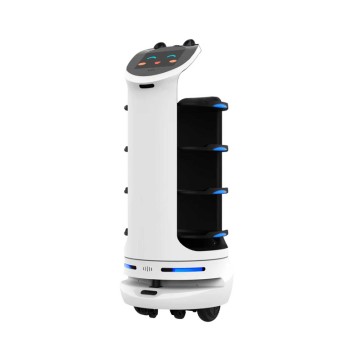
The drive wheels are equipped with an independent suspension structure, which greatly enhances the robot's stability during movement. Ideal for delivery, advertising, and service interactions in hotels, malls, hospitals, and corporate environments.
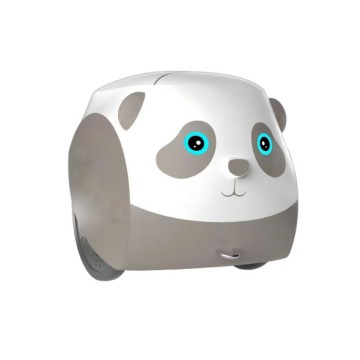
This robot adheres to the core design philosophy of Growth Companion & Enlightenment, specially developed for children aged 3 to 8. It combines AI interaction, educational content, and emotional support to become a trusted family member.
This intelligent robotic lawn mower is designed for efficient, autonomous lawn maintenance. Its advanced navigation system, weather-resistant chassis, and adaptive cutting algorithms make it ideal for residential gardens, golf courses, industrial perimeters, and hazardous site boundary management.
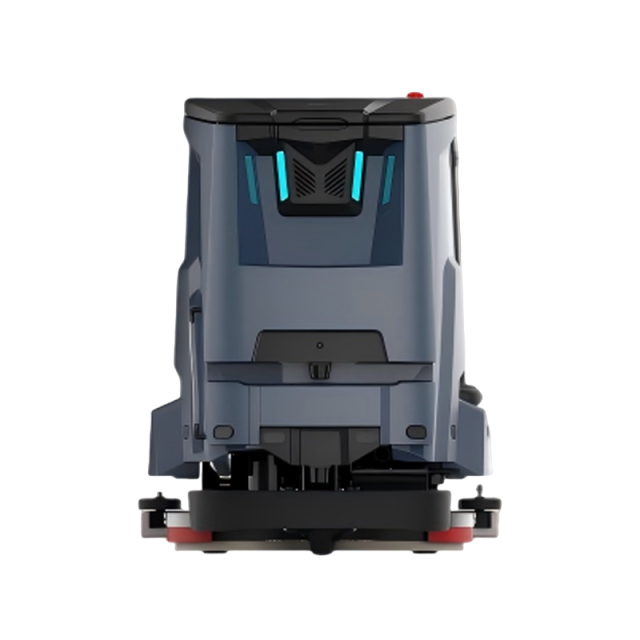
Intelligent robot suitable for indoor scenarios with large-area hard floor environments.
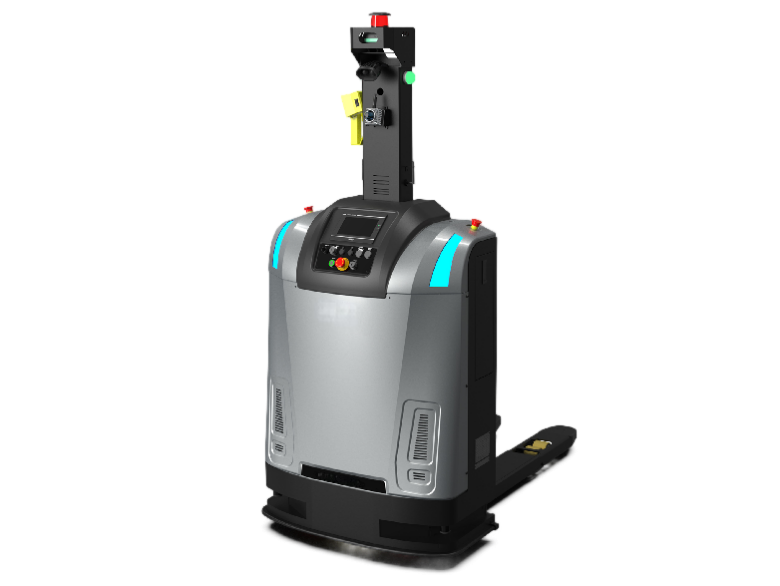
Next-generation autonomous material handling solution designed for industrial logistics.
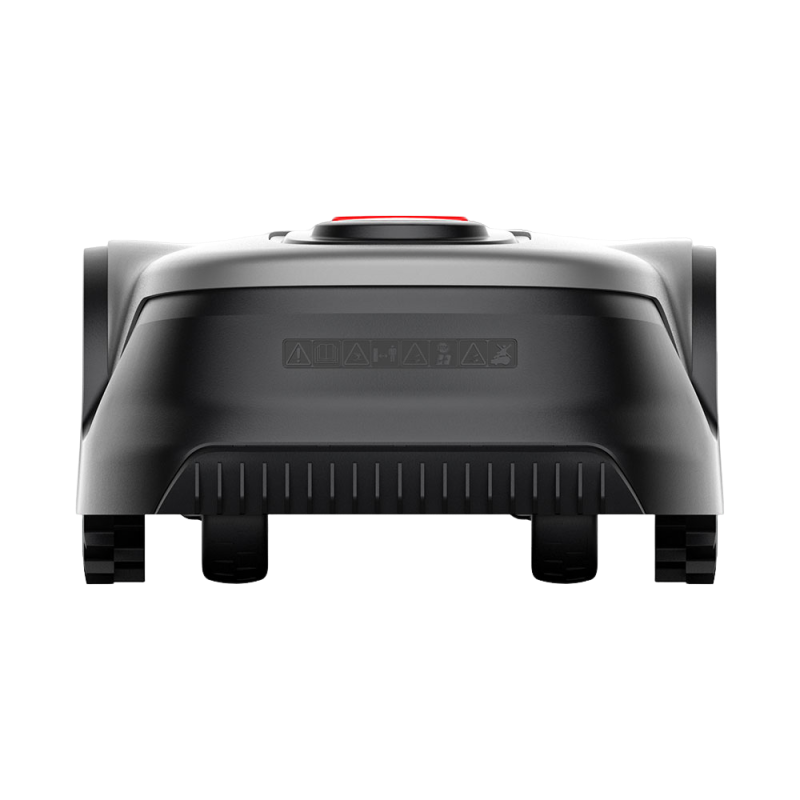
Designed for efficient, autonomous lawn maintenance with advanced navigation systems.
Core design philosophy of Growth Companion & Enlightenment for children aged 3 to 8.
Located at Yineng Science and Technology Park, No. 69 Weixin Road, Suzhou City, Jiangsu Province, it is a comprehensive high-tech enterprise integrating R&D, production and foreign trade export of intelligent robots. Deeply engaged in the field of intelligent robots, it focuses on providing efficient, intelligent and reliable robot products and one-stop solutions for global customers. Its products are exported to many core markets such as Europe, America, Southeast Asia and the Middle East. With excellent product quality and perfect full-process services, it has won wide recognition and long-term trust from global partners.
LEARN MORE
Our production base is equipped with high-precision CNC machining centers, AI algorithm debugging workstations, and environmental simulation test chambers, dedicated to the manufacturing of smart robots (including cleaning, mowing, and delivery models). The automated assembly lines ensure consistent product quality, while the R&D testing equipment verifies navigation accuracy, battery life, and environmental adaptability for each robot model.

Our facility has obtained ISO 9001 quality management system certification, CE, and FCC certifications for global market compliance. We also hold intellectual property patents for core technologies of smart robots, and our production processes strictly adhere to IEC standards, ensuring that every robot meets international safety and performance requirements.

We provide a full-cycle service system for smart robots, including pre-sales customization, on-site installation, and after-sales technical support. Our team offers remote debugging, firmware upgrades, and 24/7 emergency response to ensure stable operation. For bulk orders, we also provide tailored training programs for your technical and operational teams.
AGV: Unmanned and automated material transfer, covering multiple fields such as industrial production, warehousing logistics, and commercial services
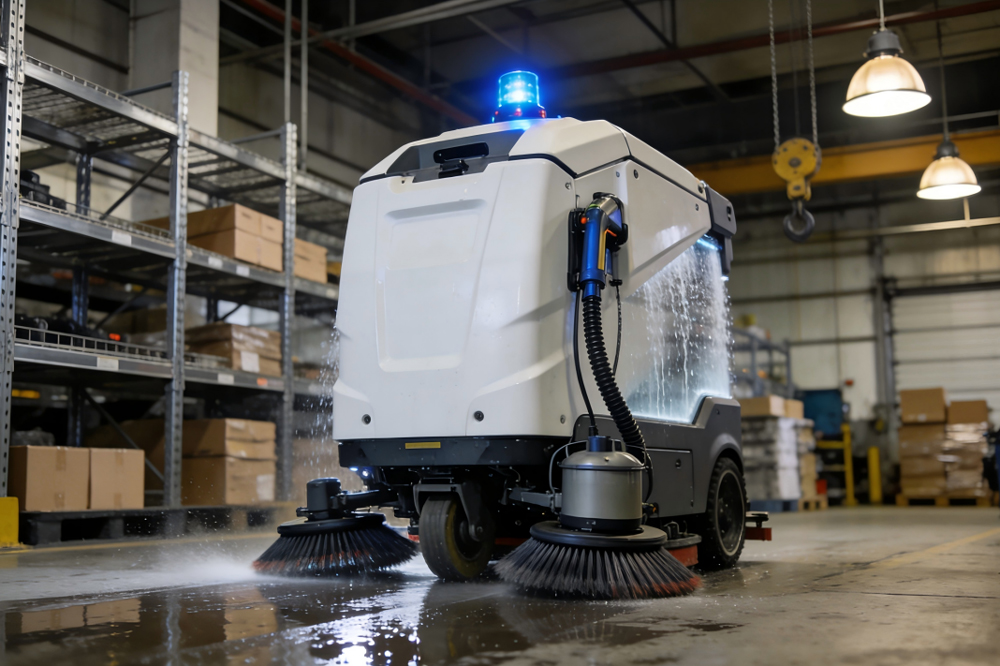
In the field of industrial manufacturing, intelligent robots are the core equipment for production automation. AGVs and collaborative robots boost the efficient operation of production and logistics. Large intelligent cleaning robots can independently finish cleaning work across the whole factory including workshops and warehouse areas, featuring unmanned operation and high adaptability to industrial scenarios. They cut costs, enhance efficiency, ensure the production environment, and fully drive the intelligent upgrading of factories.
Learn More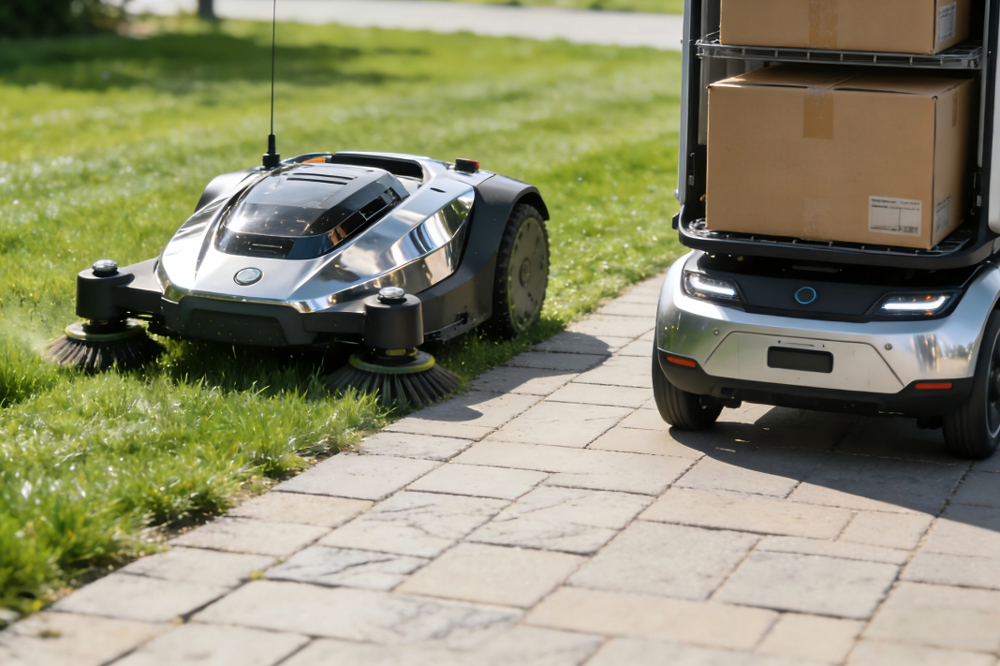
In commercial and service environments, intelligent robots are revolutionizing customer experience and operational efficiency. From hotel delivery robots and mall guide robots to hospital logistics platforms, AI-powered service robots reduce staffing costs, improve service consistency, and operate 24/7 without fatigue — making them ideal for high-traffic commercial deployments.
Learn More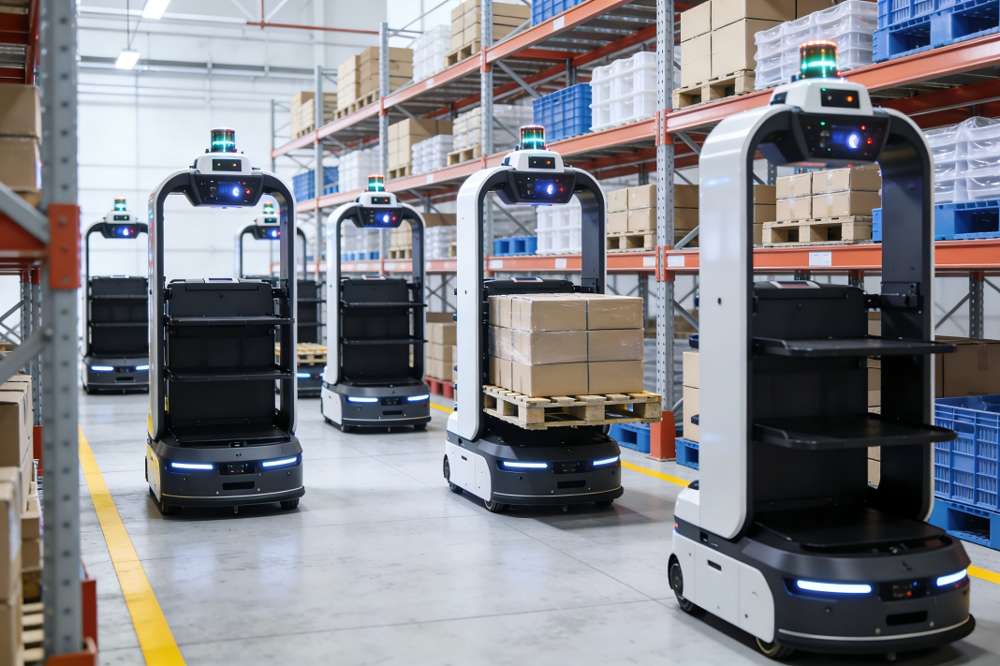
In logistics and warehousing, autonomous mobile robots (AMRs) and AGVs are transforming supply chain operations. Intelligent forklifts, pallet movers, and sorting robots work collaboratively to maximize warehouse throughput, minimize picking errors, and enable lights-out operations — delivering measurable ROI within months of deployment.
Learn MoreFor inquiries about our products or pricelist please leave to us and we will be in touch within 24 hours.
As labor costs rise and efficiency demands increase, commercial cleaning robots are shifting from niche tools to mainstream industrial solutions...
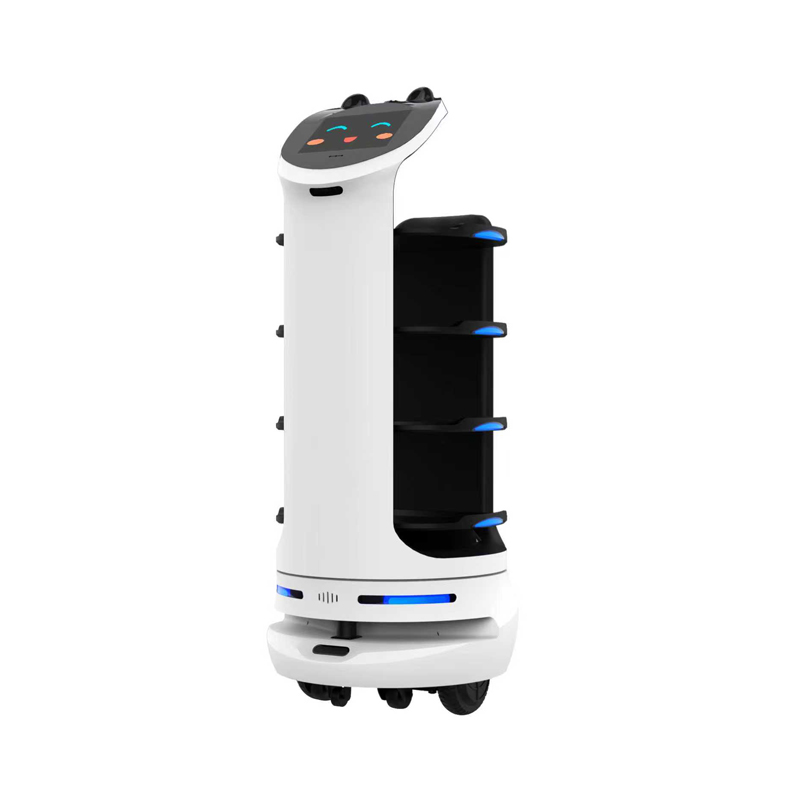
As the global hospitality industry continues its digital transformation, guest service delivery robots are becoming a competitive differentiator...

The body of a robotic vacuum cleaner is a wireless device, mainly disc-shaped. It operates on a rechargeable battery and uses various sensors...
Discover our full range of intelligent robotic platforms for industrial, commercial, and specialized hazardous applications.