- Home
- About Us
- Products
- Application
- FAQ
- News
- Contact Us
inquiry
Leave Your Message
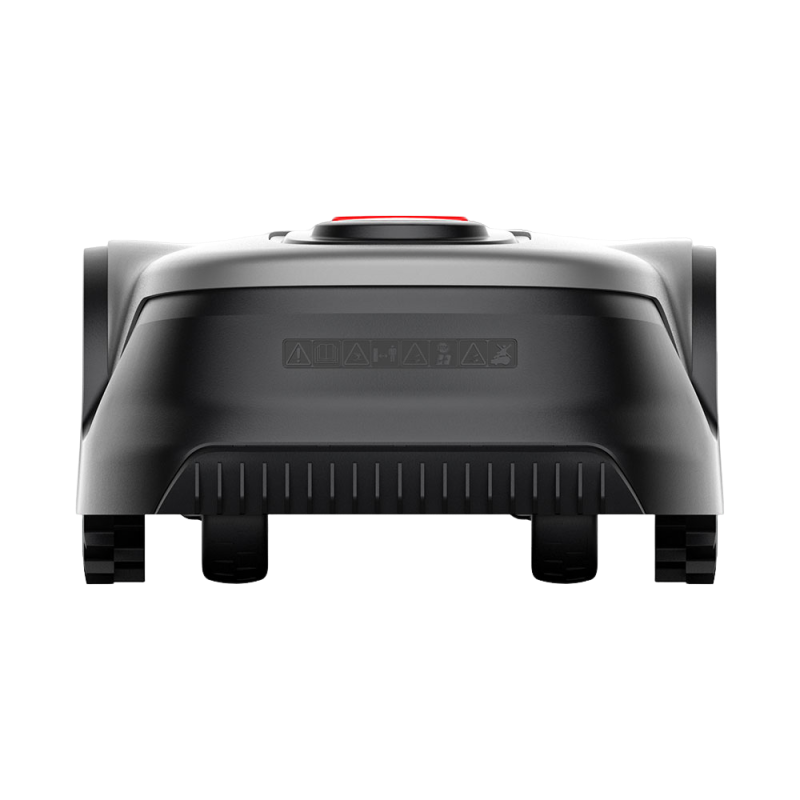
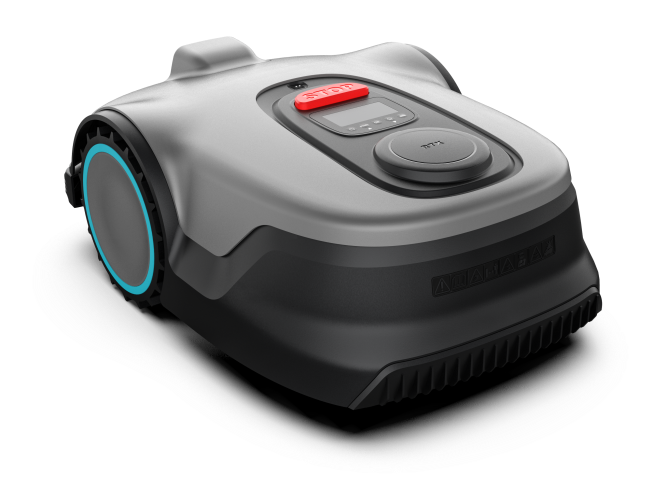
In the modern era of "Smart Warehousing," the focus has traditionally been on internal automation—AGVs, robotic arms, and automated storage and retrieval systems (AS/RS). However, the frontier of logistics efficiency is expanding beyond the warehouse walls. Mowing machines for automated warehouse logistics represent a critical shift in facility management, integrating outdoor maintenance into the broader ecosystem of industrial automation.
The application of robotic mowers in a logistics environment goes far beyond simple aesthetics. These machines are becoming integral to operational safety and security:
In dry climates, overgrown grass around a warehouse is a significant fire hazard. Automated mowing machines ensure that vegetation is kept at a safe height 24/7, reducing the risk of wildfire spread to valuable inventory. Furthermore, by maintaining a clear line of sight around the facility perimeter, these robots assist security cameras and motion sensors in detecting unauthorized intrusions.
Future-ready mowing machines are no longer standalone gadgets. They are being integrated into the central WMS. This allows the facility manager to coordinate mowing schedules around peak delivery times, ensuring that the robots are never in the way of heavy-duty trucks or autonomous forklifts entering the loading docks.
For massive logistics hubs, a single mower is insufficient. The current trend is "Swarm Robotics," where a fleet of 10 to 20 mowing machines works in a synchronized pattern. Using RTK-GPS (Real-Time Kinematic) and LiDAR, these fleets can map out hectares of land with centimeter-level precision, communicating with each other to avoid overlapping paths and maximize battery efficiency.
The market for industrial-grade mowing machines is witnessing several transformative trends:
While the initial investment in a high-end autonomous mowing system is higher than a traditional mower, the Return on Investment (ROI) is typically realized within 12 to 18 months. Savings come from three primary areas: reduced labor costs, eliminated fuel expenses, and minimized equipment maintenance. Moreover, the "always-on" nature of robotics means the grounds are always pristine, reflecting a professional brand image to visiting clients and partners.
As we move toward the concept of the "Dark Warehouse"—a fully automated facility that requires no human intervention—the exterior maintenance must follow suit. Mowing machines are the silent guardians of the logistics perimeter, ensuring that the environment is as smart as the technology housed within the warehouse walls.
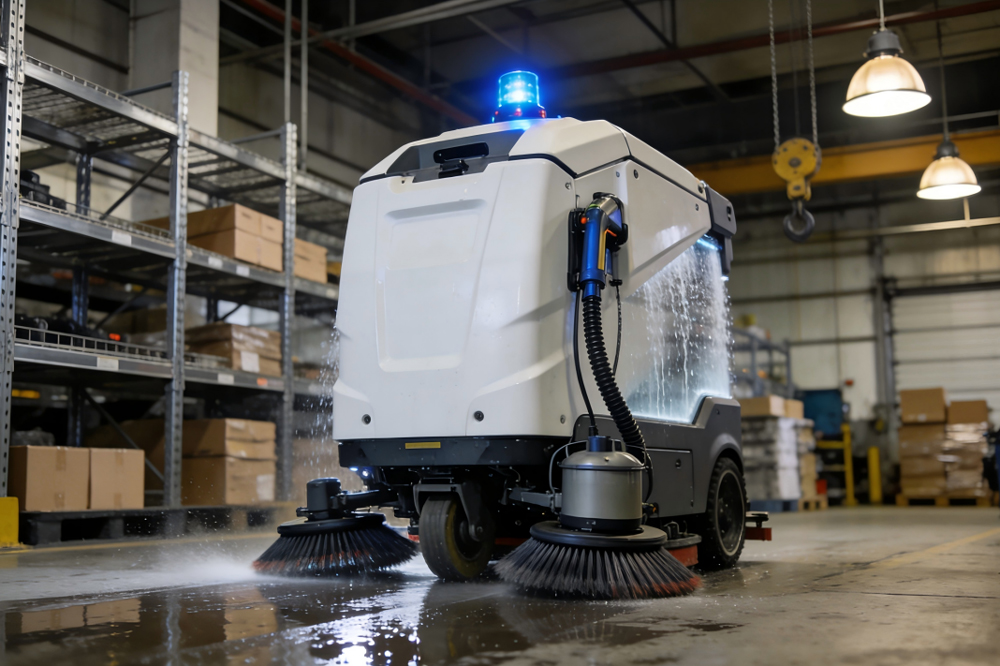
In the field of industrial manufacturing, intelligent robots are the core equipment for production automation. AGVs and collaborative robots boost the efficient operation of production and logistics. Large intelligent cleaning robots can independently finish cleaning work across the whole factory including workshops and warehouse areas, featuring unmanned operation and high adaptability to industrial scenarios.
Learn MoreLocated at Yineng Science and Technology Park, Suzhou City, we are a comprehensive high-tech enterprise integrating R&D, production and foreign trade export of intelligent robots.
YEARS
Countries Covered
R&D Experts
Global Factories

Equipped with high-precision CNC machining centers and AI algorithm debugging workstations.

ISO 9001, CE, and FCC certifications ensure global market compliance and safety.

From pre-sales customization to 24/7 remote debugging and emergency response.
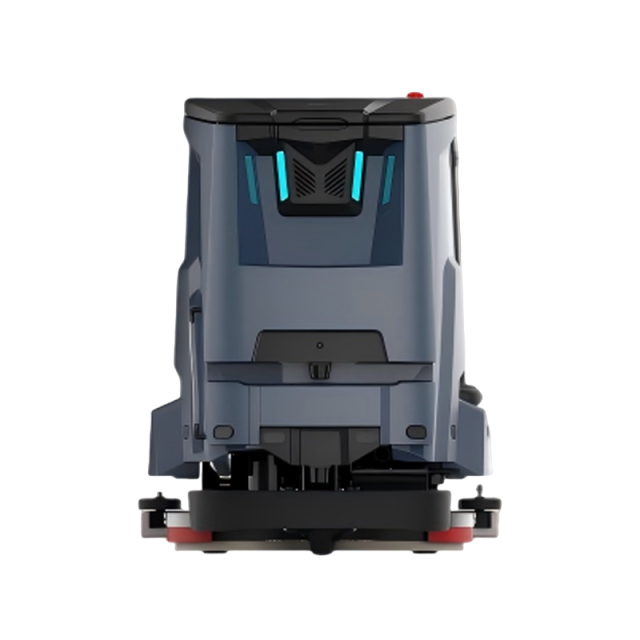
As labor costs rise, commercial cleaning robots are shifting from tools to infrastructure...
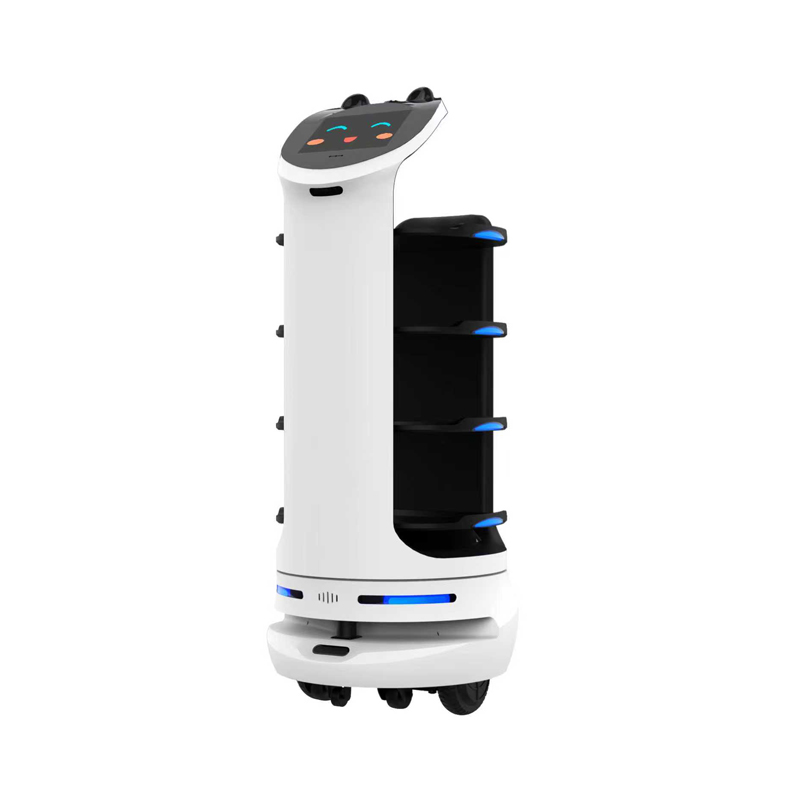
Digital transformation in hospitality continues with delivery robots...

The evolution of wireless disc-shaped robotic vacuum cleaners...