

0102030405
Comprehensive Analysis of Unmanned Sweeping Robot Applications
2026-06-05
As smart city construction advances and the quality of living environments continues to improve, the limitations of traditional manual cleaning—such as low efficiency, operational constraints, and complicated management—are becoming increasingly evident. Leveraging cutting-edge technologies like artificial intelligence, intelligent navigation, and environmental perception, unmanned sweeping robots have broken the rigid patterns of conventional sanitation work. With advantages including autonomy, precision, and all-weather operation, they are penetrating various cleaning scenarios and reshaping the sanitation industry. Today, unmanned sweeping robots have moved beyond initial pilot trials into a phase of large-scale, normalized, and diversified deployment, becoming a core component of smart sanitation and green service systems. The following text provides a complete panorama of application scenarios, core values, industry pain points, and development trends, offering a thorough analysis of the entire industrial application landscape.
1 Era-Driven Background: The Foundation for Unmanned Sweeping Robot Applications
Cleaning services are a fundamental part of urban operations, commercial activities, industrial production, and residential living, covering all spaces and supporting daily operations. Traditional manual cleaning not only relies heavily on labor costs but also suffers from inconsistent work standards, high risks in hazardous areas, and difficulties in nighttime or adverse weather operations—problems that make it hard to meet the high-quality cleaning demands of modern environments.
With the deepening of digital and intelligent transformation, the sanitation industry is gradually moving toward unmanned, refined, and efficient operations. At the policy level, smart sanitation development is being promoted, encouraging the deployment of intelligent cleaning equipment. Technologically, perception and recognition, path planning, autonomous obstacle avoidance, and intelligent dispatching have matured, providing core support for stable robot operation. At the market level, the need for cost reduction, efficiency improvement, and quality upgrades continues to rise across all industries. The convergence of these factors has ushered in a golden period for the large-scale deployment of unmanned sweeping robots, gradually establishing a new human-machine collaborative cleaning service ecosystem.
2 Full-Scale Penetration: Multi-Scenario Deployment of Unmanned Sweeping Robots
Unmanned sweeping robots are adaptable to diverse indoor and outdoor complex environments. They can flexibly adjust their operating modes according to the spatial characteristics, cleaning needs, and operational standards of different scenarios, covering municipal public spaces, commercial offices, industrial production, cultural tourism and campuses, and residential communities—achieving full coverage and precise implementation of cleaning services.
(A) Municipal Public Spaces: Building the Foundation of Smart Urban Sanitation
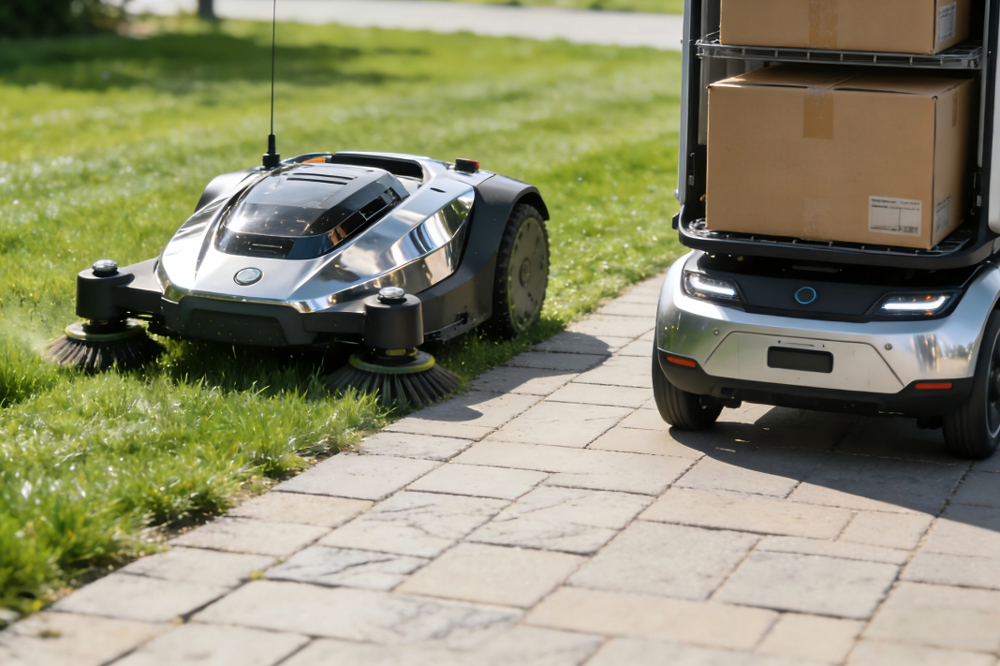
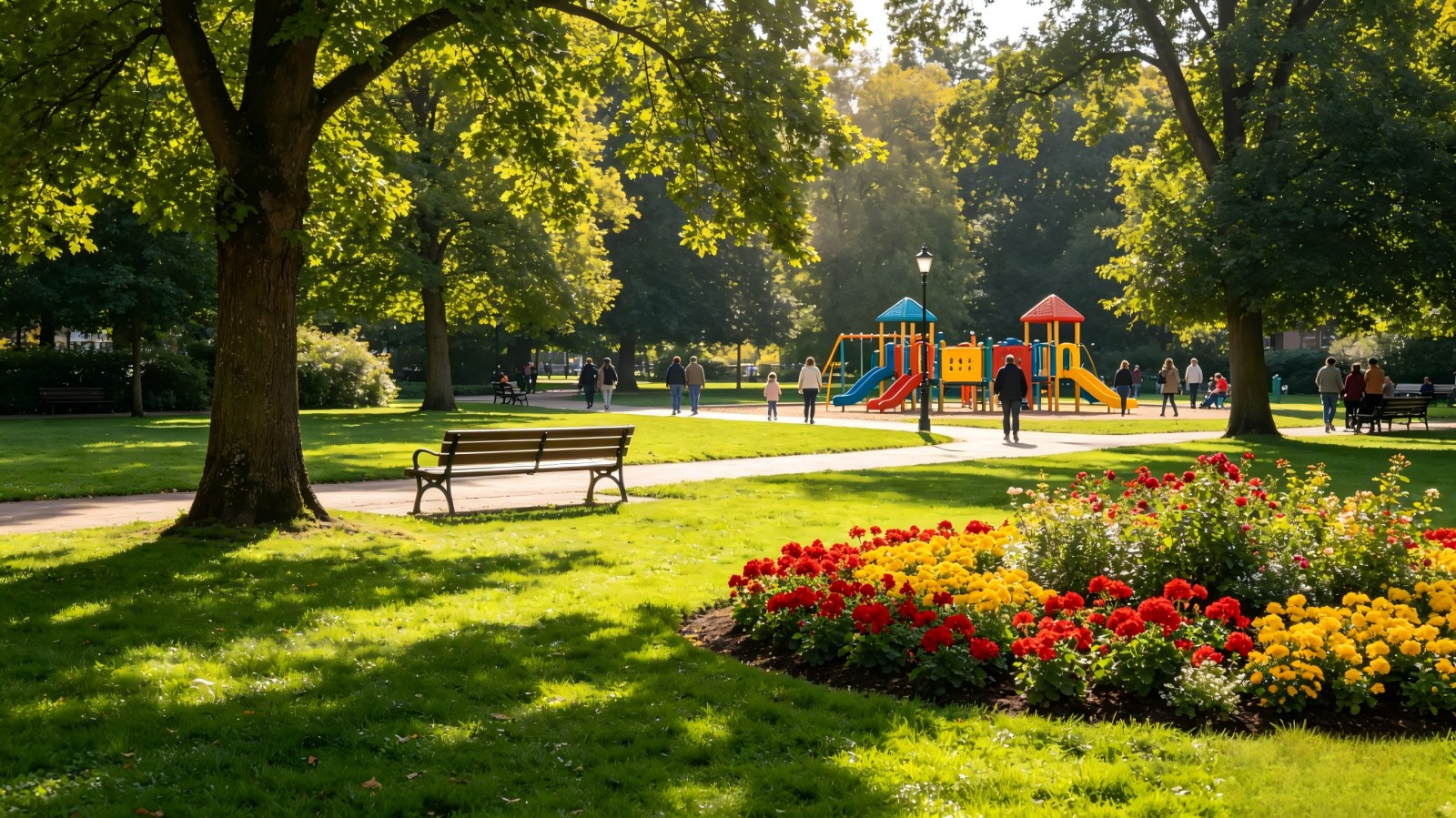
Municipal sanitation is a core scenario for the widespread deployment of unmanned sweeping robots. It includes urban arterial and secondary roads, parks and green spaces, city squares, transportation hubs, and other public areas. These spaces are open, have large coverage areas, require high-frequency cleaning, and often have heavy traffic flows where manual work poses significant safety risks. Unmanned sweeping robots can autonomously perform routine tasks such as road sweeping, waste collection, dust absorption, and leaf removal, meeting the daily cleaning needs of urban sanitation.
Additionally, with intelligent dispatching systems, multiple robots can work collaboratively, rationally dividing operating areas and avoiding overlap or blind spots, thus fitting the grid-based management model of urban sanitation. Compared to manual cleaning, robots can perform off-peak and round-the-clock operations, effectively avoiding rush hours and crowded periods. This not only ensures the cleanliness of the public environment but also enhances safety and standardization, supporting the intelligent upgrade of urban sanitation systems.
(B) Commercial Office Spaces: Achieving Refined Cleaning Services
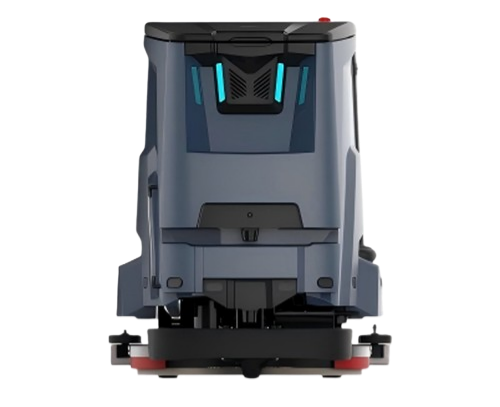
Commercial complexes, high-end office buildings, airports, train stations, large exhibition halls, and other such structures have complex layouts, high foot traffic, strict cleanliness standards, varied flooring materials, and diverse types of waste—demanding high timeliness, precision, and quiet operation. Unmanned sweeping robots are perfectly suited to these scenarios, autonomously performing integrated indoor cleaning tasks such as sweeping, mopping, dust removal, and stain cleaning.
Thanks to their flexible design and intelligent obstacle avoidance, the robots can easily navigate narrow and complex areas like corridors, lobbies, escalator surroundings, and gaps between shops, eliminating blind spots in manual cleaning. Moreover, the devices support autonomous start/stop, scheduled operation, and unattended continuous operation. They can perform comprehensive cleaning during nighttime or low-traffic hours without disrupting daily business, consistently maintaining a clean and comfortable commercial environment that meets the high standards of premium commercial spaces.
(C) Industrial Special-Purpose Scenarios: Solving High-Risk Cleaning Challenges
Industrial production workshops, warehousing and logistics parks, cleanrooms, photovoltaic power plants, and industrial parks present many areas difficult for manual cleaning. Some scenarios involve high dust levels, enclosed spaces, heavy workloads, or even safety risks, where traditional methods cannot simultaneously achieve efficiency and safety. Unmanned sweeping robots, with their high adaptability and stability, have become the preferred cleaning solution for industrial settings.
In ordinary industrial plants, the robots can routinely clean large areas of debris, dust, and waste, maintaining a tidy production environment. In cleanrooms, specialized unmanned sweepers enable precise dust control to meet industrial cleanliness standards. In remote or harsh environments such as photovoltaic plants and outdoor industrial sites, the robots can adapt to complex terrain to perform dust removal from solar panels and site cleaning, effectively replacing humans in high-risk, high-intensity cleaning tasks, thereby avoiding personal safety risks and ensuring that industrial environments consistently meet required standards.
(D) Cultural Tourism and Campus Scenarios: Creating a Consistently Clean Environment
Scenic areas, campuses, recreational trails, and similar spaces are both open and public-oriented, with high visitor or student foot traffic and sporadic, frequent waste generation. Manual cleaning often lags behind, resulting in delayed responses. Unmanned sweeping robots are well-suited to these dynamic scenarios, flexibly performing patrol cleaning to promptly remove paper scraps, debris, leaves, and other scattered waste.
Furthermore, the robots operate quietly and eco-friendly, without disturbing the serene atmosphere of scenic spots or campuses. Their intelligent operation can also enhance the technological appeal of these locations. Through continuous, normalized cleaning, they effectively maintain the neat appearance of public recreational and educational spaces, reduce the burden of manual cleaning, and create a comfortable experience for students, visitors, and users.
(E) Residential Community Scenarios: Empowering Smart Living Operations
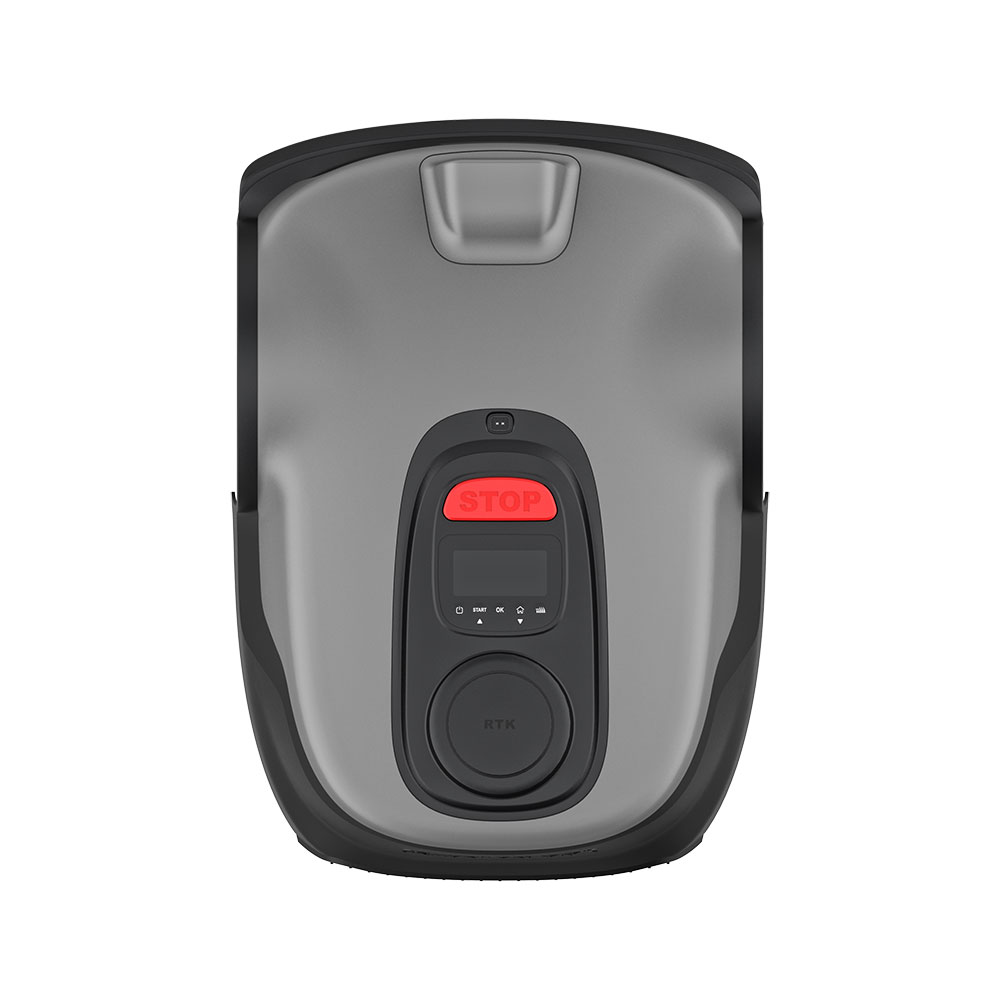
Modern smart residential communities and retirement communities have increasingly high demands for environmental quality and intelligent operation. Unmanned sweeping robots can cover all community spaces, including roads, recreational areas, and underground garages, performing daily sweeping, dust removal, and puddle cleaning. The devices can adapt to dynamic traffic of pedestrians and vehicles, intelligently avoiding people and cars while flexibly adjusting their routes to ensure cleaning effectiveness without disturbing residents' daily routines. Normalized unmanned cleaning significantly improves community cleanliness and supports refined smart community operations.
3 Value Reimagined: Core Advantages of Unmanned Sweeping Robot Applications
The widespread use of unmanned sweeping robots is not merely a replacement for manual labor—it is a comprehensive upgrade of the cleaning industry across four dimensions: operational mode, cost efficiency, service quality, and management systems, thereby reshaping the core value system of sanitation.
Operational efficiency
Unmanned sweeping robots support all-weather continuous operation, unaffected by time, physical limitations, or weather conditions. Their stable pace and comprehensive coverage compensate for the limited duration and variable efficiency of manual work, greatly improving overall cleaning efficiency.
Service quality
The robots follow standardized logic, leaving no omissions or blind spots, and deliver uniform cleaning results. This completely resolves the problems of inconsistent standards and frequent missed details in manual cleaning, achieving refined and standardized cleaning services.
Cost control
Unmanned sweeping robots can operate stably over long periods, significantly reducing ongoing labor costs for recruitment, management, and salaries. They reduce the industry's dependence on manual labor and effectively address the challenges of difficult hiring and high labor costs in sanitation.
Management upgrade
Using intelligent cloud-based management platforms, operators can remotely dispatch, control, monitor status, and collect data from the robots. This makes cleaning operations traceable, controllable, and optimizable, promoting the transformation of traditional extensive sanitation management into a digital, intelligent, and refined approach.
4 Industry Constraints: Current Pain Points in Unmanned Sweeping Robot Applications
Although the application scenarios for unmanned sweeping robots continue to expand and deployment scales grow, certain bottlenecks still limit full-scale adoption.
1
First, insufficient adaptability to complex environments.
Most current robots perform well in regular, open spaces. However, in adverse weather (rain, snow, heavy fog, intense sunlight) or non-structured environments with complex terrain and dense obstacles, their perception accuracy and path planning capabilities degrade, affecting operational stability.
2
Second, insufficient scenario-specific refinement.
General-purpose devices often cannot precisely meet the unique cleaning requirements of specialized scenarios such as industrial cleanrooms, medical sterile environments, or outdoor special sites. Dedicated devices for niche applications are evolving too slowly.
3
Third, the collaborative large-scale operation system is not yet mature.
The intelligence level of multi-robot collaboration and cross-scenario dispatch needs improvement. Some older sites lack the supporting intelligent infrastructure, which to some extent limits large-scale deployment of unmanned sweeping robots.
4
Fourth, public awareness of intelligent cleaning equipment remains low.
Many scenarios still rely on traditional manual methods, leaving significant room for increased market penetration.
5 Future Outlook: Industry Development Trends for Unmanned Sweeping Robots
With continuous iteration of technologies such as artificial intelligence, embodied intelligence, and the Internet of Things, unmanned sweeping robots will evolve toward greater intelligence, precision, full coverage, and collaboration. Their application boundaries and industrial value will be further unleashed.
On the technology front:
Environmental perception, intelligent decision-making, and autonomous learning capabilities will continue to improve, enabling robots to accurately adapt to various complex and extreme operating scenarios, perform adaptive operations in dynamic environments, and greatly enhance device stability and adaptability. At the same time, dedicated devices for niche scenarios will be iterated, and specialized unmanned sweepers for industrial cleanrooms, medical settings, photovoltaic sites, high-altitude areas, etc., will gradually emerge, achieving precise matching across all industry scenarios.
On the application front:
Unmanned sweeping robots will no longer be limited to single-function cleaning. They will gradually integrate environmental monitoring, hazard inspection, data collection, and other functions, becoming intelligent mobile service terminals that combine cleaning, maintenance, and surveillance, deeply embedded in smart city, smart park, and smart community systems.
On the operational front:
Human-machine collaboration models will mature further, forming a new cleaning paradigm of "robot-based routine foundation cleaning + manual precision gap-filling," achieving simultaneous optimization of efficiency and quality.
In the future, unmanned sweeping robots will become core infrastructure for comprehensive environmental maintenance, continuously driving the digital, intelligent, and green transformation of the sanitation industry. They will provide powerful support for refined operation of diverse scenarios, upgrades in the quality of living environments, and the construction of smart cities.