




Factory Handling Robots Redefine Logistics: The Rise of Intelligent Material Flow
Factories around the world are turning to a new generation of material handling robots to move goods faster, safer, and more efficiently. No longer confined to cages or fixed paths, these autonomous machines are reshaping factory floors.
Traditionally, moving heavy pallets, boxes, or components required forklifts and manual labor — both prone to delays and safety risks. Today, autonomous mobile robots (AMRs) and robotic arms work alongside human workers. Equipped with LiDAR, 3D cameras, and AI-powered navigation, these robots can transport raw materials from warehouses to production lines, deliver work‑in‑progress between stations, and even disassemble finished goods for packaging.
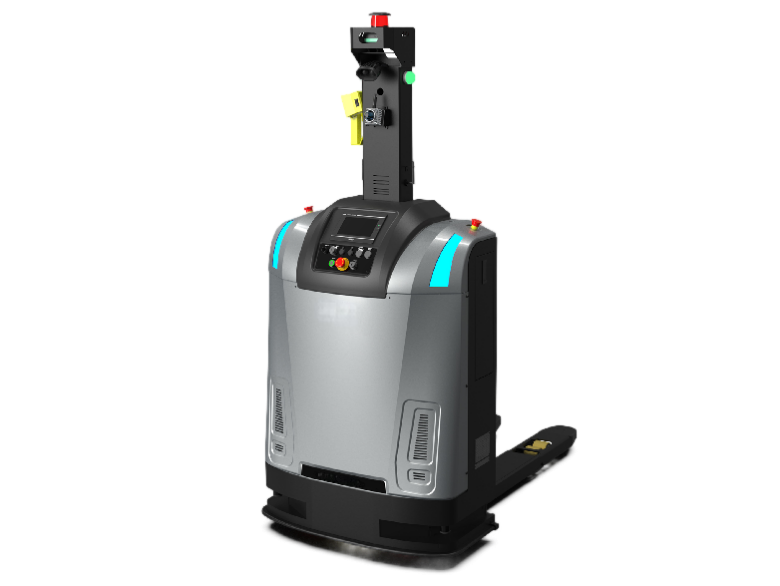
The benefits extend beyond safety. Modern handling robots integrate with warehouse management systems (WMS) and manufacturing execution systems (MES). They receive orders in real time, prioritize urgent tasks, and even recharge when idle. Some models can lift up to 1,500 kilograms, navigate narrow aisles, and automatically dock with conveyor belts or robotic work cells.
Industry analysts forecast rapid growth. According to a recent report by ABI Research, the global market for factory handling robots will exceed $35 billion by 2028, driven largely by labor shortages and the push for lights‑out manufacturing.
Challenges remain, including high upfront costs and the need for standardized interfaces. However, as sensor prices drop and collaborative safety technologies advance, more and more small and medium‑sized factories are adopting handling robots.
As factories race toward Industry 4.0, one thing is certain: the humble handling robot has become an indispensable worker, silently keeping production moving.