

How Autonomous Cleaning Robots Are Reshaping Commercial Cleaning Services
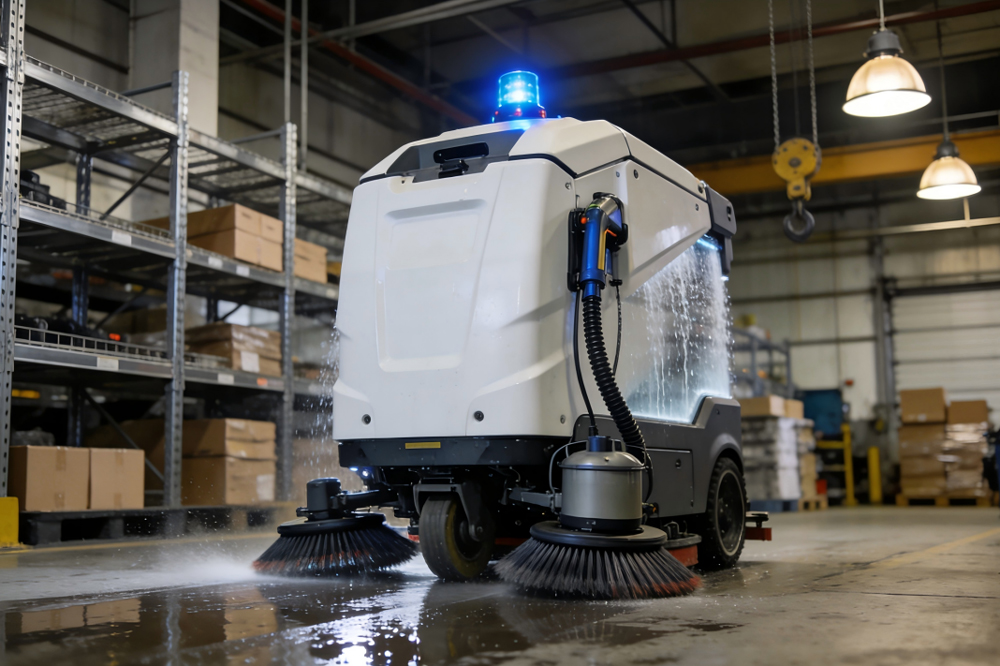
1. Efficiency Breakthrough: Overcoming Human Limitations with 24/7 High-Performance Operation
Traditional commercial cleaning is constrained by workforce availability, physical endurance, and efficiency, making it difficult to meet the demands of high-density, high-frequency, and large-area cleaning — especially in shopping malls, airports, and office buildings where daytime foot traffic prevents deep cleaning and nighttime hours are limited.
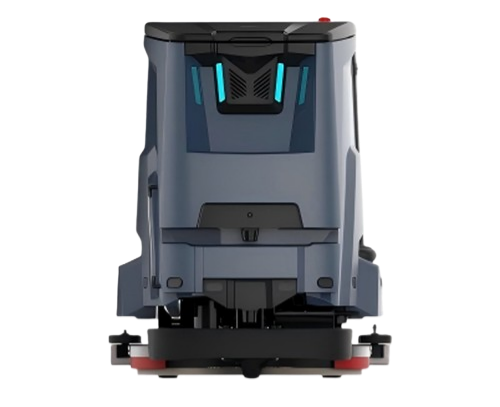
Autonomous cleaning robots break through these barriers entirely. Leveraging intelligent navigation and autonomous operation, they can run 24/7 with off-peak scheduling. They perform large-area deep cleaning efficiently during late-night and early-morning hours when spaces are unoccupied, while handling routine maintenance during the day without disrupting normal operations.
Unaffected by fatigue or mood swings, robots consistently and reliably perform tasks such as sweeping, scrubbing, dust mopping, and disinfecting. They cover corners, pillars, elevator lobbies, and other areas that human workers often miss, significantly improving coverage and operational continuity.
Moreover, robots can autonomously plan optimal routes to reduce redundant work. With features like automated charging, water filling, and drainage, they enable long periods of unattended operation, drastically reducing total cleaning time and keeping commercial spaces consistently pristine.
2. Quality Upgrade: Standardized Cleaning for Enhanced Hygiene and Safety
Traditional manual cleaning suffers from inconsistent quality due to variations in worker skill, diligence, and physical condition, leading to incomplete cleaning, residue stains, and cross-contamination — problems that fail to meet high hygiene standards in hospitals, laboratories, shopping malls, and other facilities. Autonomous cleaning robots restructure the quality system through standardized, intelligent operations, making outcomes more stable and controllable.
On one hand, robots are equipped with intelligent recognition systems that automatically detect the type and severity of stains, adjusting cleaning intensity and mode accordingly. They apply extra force to stubborn dirt while performing energy-efficient maintenance on clean areas, ensuring every zone meets uniform cleaning standards.
On the other hand, many robots integrate disinfection functions, using UV light, antimicrobial consumables, and self-cleaning systems. After completing tasks, they automatically clean their tools to prevent cross-contamination and bacterial growth — meeting the demand for touchless, high-level hygiene in special times. In medical facilities, food processing plants, and other sensitive environments, robots can achieve sterile-level cleaning, reducing infection risks and enhancing safety levels.
3. Management Transformation: From Manual Oversight to Data-Driven Smart Operations
Traditional commercial cleaning management relies on manual inspections, shift scheduling, and performance reviews — processes that are cumbersome, costly, and full of blind spots. Managers struggle to accurately track cleaning progress, quality, and resource consumption. Autonomous cleaning robots, integrated with cloud-based management platforms, drive the shift from labor-intensive, rough management to data-driven, precise operations.
Through mobile apps or backend systems, managers can monitor robot locations, operational status, and cleaning progress in real time, dispatch multiple units for coordinated work with a single click, and flexibly adjust cleaning zones and task priorities. The system automatically records cleaning area, duration, consumable usage, fault information, and other data, generating visual reports that make the entire cleaning process traceable and quantifiable.
Additionally, data feedback helps managers optimize scheduling, reduce labor, allocate consumables more efficiently, cut waste, and lower management costs — moving cleaning services from vague oversight to precise operations.
4. Cost Restructuring: Long-Term Efficiency Gains and Optimized Investment
In the short term, autonomous cleaning robots require a certain upfront purchase or leasing cost. However, over the long run, they are restructuring the cost structure of commercial cleaning services, alleviating pressure from rising labor costs and high turnover.
The commercial cleaning industry faces labor shortages, wage inflation, social insurance and benefits, training costs, and other financial burdens. High turnover adds further hidden expenses from frequent hiring and retraining. Robots can replace a large portion of repetitive, basic cleaning tasks, reducing the need for entry-level cleaning staff and allowing companies to redeploy human resources to higher-value roles such as detailed cleaning, equipment maintenance, and on-site management.
Moreover, robots have low energy consumption, high consumable utilization, and manageable maintenance costs. Over time, their total operating costs are far lower than purely manual models, helping cleaning companies and property managers reduce expenses and improve profitability.
5. Model Evolution: Human-Robot Collaboration and New Service Formats
Autonomous cleaning robots are not meant to completely replace human workers; rather, they are driving the industry toward a new “human-robot collaboration” model, reshaping the division of labor and service formats in commercial cleaning.
Robots handle large-area, repetitive, high-intensity tasks such as floor cleaning and disinfection. Human workers focus on tasks requiring dexterity and fine handling — wiping surfaces, emptying trash, cleaning tight spaces, and maintaining equipment. The two complement each other, boosting overall efficiency and quality.
Building on this, cleaning service models are continuously innovating — shifting from simple “labor outsourcing” to diversified models such as “equipment leasing + maintenance services,” “intelligent cleaning solutions,” and “full-scenario hygiene management.”
At the same time, robot manufacturers and cleaning companies are deepening collaboration, offering full lifecycle services including deployment, technical training, after-sales support, and system upgrades — driving the industry from labor-intensive to technology-service-oriented.
6. Ecosystem Integration: Connecting to Smart Spaces and Expanding Service Value
With the development of IoT and smart building technologies, autonomous cleaning robots are no longer standalone devices. They are gradually integrating into the broader smart commercial ecosystem, extending the value boundaries of cleaning services.
Robots can interface with building automation, security monitoring, foot traffic analytics, and other systems, adjusting cleaning schedules automatically based on real-time occupancy and usage patterns — enabling “on-demand cleaning.”
Some robots incorporate environmental monitoring functions, collecting data on air quality, temperature, humidity, and floor moisture while cleaning, providing multidimensional insights for facility management.
Furthermore, the deployment of intelligent robots has become a marker of digitalization and smart capability for commercial spaces, enhancing the image and competitiveness of shopping malls, office buildings, hospitals, and other venues, and contributing to the development of smart commerce and smart cities.
With technology as the cutting edge, autonomous cleaning robots are deconstructing the long-standing pain points and limitations of traditional commercial cleaning. They are driving the industry’s transformation from “human-driven” to “intelligence-driven” across efficiency, quality, management, cost, business models, and ecosystem integration. Looking ahead, as technology continues to evolve and application scenarios deepen, human-robot collaborative smart cleaning will become mainstream. Commercial cleaning services will enter a new era — more efficient, standardized, economical, and intelligent — providing a robust hygiene foundation for all types of commercial spaces and empowering high-quality industry growth.