



How Factory Cleaning Robots Help Smart Manufacturing Factories Reduce Costs and Increase Efficiency
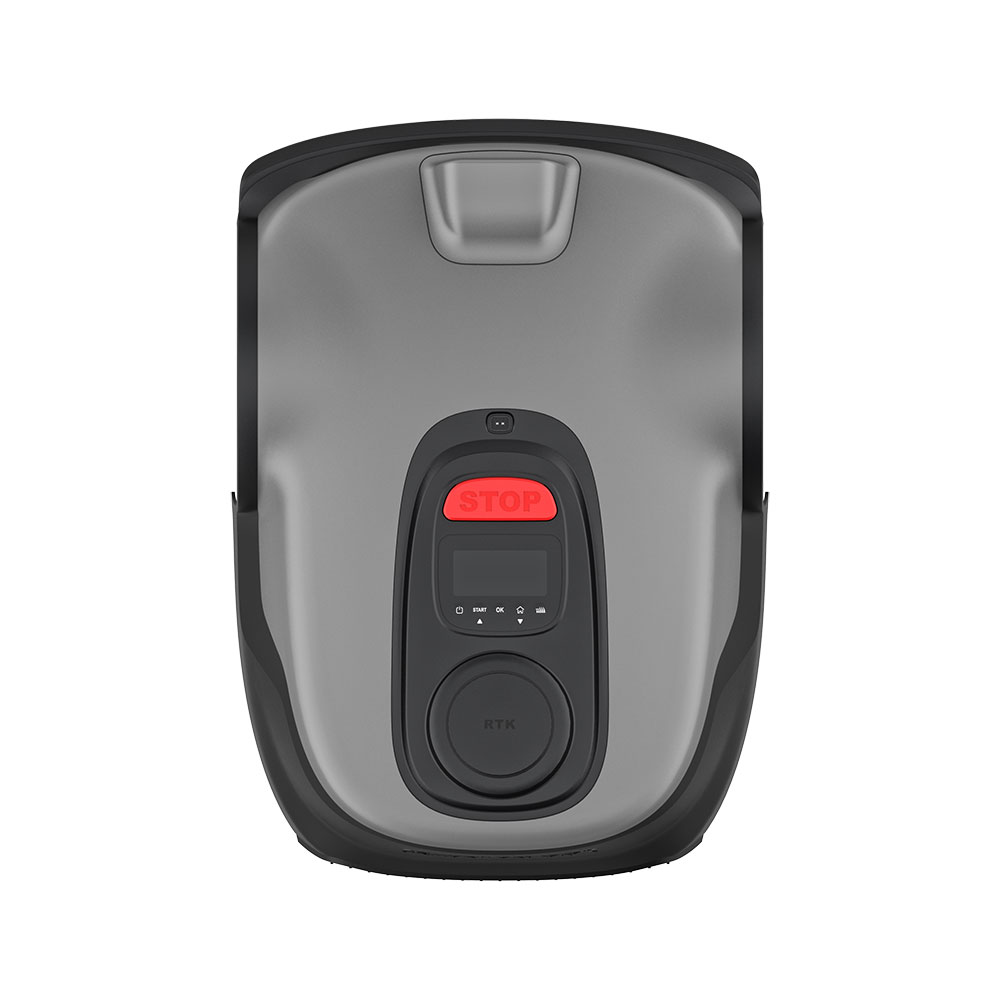
As smart manufacturing moves toward deeper transformation, the core operational focus of factories has converged on "cost reduction, efficiency improvement, quality enhancement, and safety assurance." As a fundamental link supporting orderly production, workshop environmental cleaning has long been constrained by traditional manual models, becoming a hidden pain point that limits efficient factory operations. The widespread adoption of factory cleaning robots breaks the extensive model of traditional cleaning. Leveraging intelligent and automated advantages, these robots deeply integrate into smart manufacturing systems, driving improvements in labor optimization, efficiency enhancement, and management upgrading. They serve as a key enabler for cost reduction and efficiency improvement, transforming cleaning from "auxiliary support" to "value creation."
I. Replacing Redundant Labor Inputs, Precisely Reducing Labor Costs
Traditional smart manufacturing factories often require significant labor投入 for cleaning, with many inefficiencies. On one hand, factory workshops, warehouses, logistics corridors, and other areas are vast, covering multiple scenarios such as floors, equipment edges, narrow passages, etc., requiring multiple cleaning staff to work in shifts to meet basic cleaning needs. Recruitment difficulties and high staff turnover further increase labor costs and management burdens. On the other hand, manual cleaning is affected by physical strength, attention, subjective attitudes, and other factors, leading to incomplete cleaning, missed spots, etc., which may subsequently affect production processes due to substandard environmental conditions, indirectly adding extra costs.
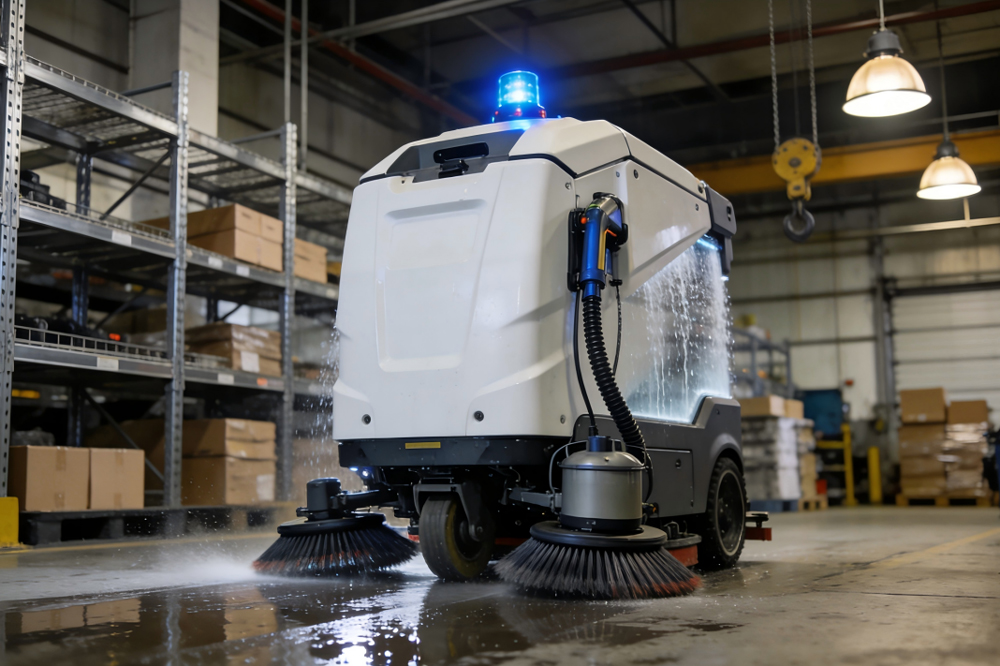
The application of factory cleaning robots fundamentally addresses these drawbacks of manual cleaning. Robots can operate autonomously 24/7 without rest or shift changes, efficiently covering all cleaning scenarios in the factory, significantly reducing dependence on manual labor and directly lowering costs related to recruitment, training, wages, and social insurance for cleaning staff. At the same time, robots complete cleaning tasks without human intervention, avoiding issues like laziness or negligence, reducing rework costs caused by inadequate cleaning. This makes labor cost investment more precise and efficient, freeing up more human resources for higher-value production tasks and achieving optimal allocation of human resources.
II. Enhancing Cleaning Efficiency, Ensuring Smooth Production
Smart manufacturing factories operate at a fast pace with tight workflows. The low efficiency of traditional manual cleaning often conflicts with production — manual cleaning must avoid peak production hours or be done during breaks, delaying cleaning progress. Moreover, cleaning personnel moving through production areas may interfere with the normal operation of production equipment or even create safety hazards. Additionally, manual cleaning has limited efficiency; for large areas or difficult scenarios, it takes considerable time, making it hard to meet the timeliness and high standards required by smart manufacturing factories.
Factory cleaning robots, with their intelligent advantages, align cleaning efficiency with production schedules. Equipped with advanced navigation and obstacle avoidance technologies, robots can accurately识别 production equipment, materials, personnel, and other obstacles, autonomously plan optimal cleaning paths, and flexibly navigate narrow aisles, under-equipment areas, and other hard-to-reach spots, efficiently completing cleaning tasks. At the same time, robots can adjust cleaning schedules flexibly according to factory production plans, performing cleaning during non-production hours such as nights or lunch breaks, without disturbing normal production while ensuring a consistently clean and compliant production environment. This efficient cleaning model effectively avoids production interruptions caused by environmental issues, ensures continuity of production workflows, and indirectly enhances the factory's overall production efficiency.
III. Optimizing Cleaning Management Models, Reducing Operational Management Costs
Under the traditional manual cleaning model, managing cleaning work is challenging. First, the work status and cleaning quality of staff are difficult to monitor in real time, requiring managers to spend significant time and effort on site inspections and assessments, increasing management costs. Second, consumables usage and equipment maintenance lack standardized procedures, leading to waste and equipment damage, further raising operational costs. Moreover, work records and effectiveness assessments rely on manual statistics, resulting in low data accuracy and providing little scientific basis for optimizing cleaning plans and controlling costs.
Factory cleaning robots, through digital empowerment, enable refined and intelligent cleaning management. Through cloud-based management platforms, robots provide real-time feedback on cleaning progress, cleaned areas, equipment operating status, and other data. Managers can remotely monitor the entire cleaning process without on-site inspections, precisely grasp cleaning effectiveness, and significantly reduce management manpower. At the same time, consumables usage and equipment maintenance can be precisely controlled via the system, automatically adjusting consumable用量 based on cleaning needs to avoid waste. The system can also monitor equipment status in real time, promptly send maintenance reminders, and reduce repair costs and downtime due to equipment failures. Additionally, robots automatically generate cleaning data reports, providing scientific basis for optimizing cleaning plans and allocating resources, further lowering operational management costs and driving factory management from "experience-driven" to "data-driven."
IV. Mitigating Cleaning Safety Risks, Reducing Hidden Cost Losses
The production environment in smart manufacturing factories is complex. Some workshops contain metal shavings, oil stains, dust, and other hazards. Manual cleaning can lead to accidents such as slips, cuts, or dust inhalation, increasing medical and compensation costs and affecting employee morale. Furthermore, improper operation during manual cleaning may damage production equipment, causing equipment failures, delaying production, and generating additional repair and downtime costs. These hidden costs are often overlooked but significantly impact factory operational efficiency.
Factory cleaning robots have comprehensive safety protection capabilities, effectively avoiding various safety risks during cleaning. Equipped with multi-sensor fusion safety protection systems, robots can accurately identify hazardous scenarios such as ground obstacles, standing water, and oil stains, automatically adjusting operation modes to avoid accidents like slips or collisions, fundamentally ensuring cleaning safety and reducing hidden costs from safety incidents. At the same time, robots follow standardized operating procedures, preventing equipment damage from improper operation, effectively lowering repair costs and downtime losses. Additionally, robots can operate stably in harsh cleaning environments such as high temperatures, high dust, or high oil levels, replacing manual cleaning in high-risk scenarios, further avoiding safety risks associated with manual cleaning and providing strong support for factory safety production.
In the wave of smart manufacturing transformation and upgrading, factory cleaning robots are no longer simple cleaning tools but intelligent devices deeply integrated into factory operations. Their advantages in labor cost reduction, operational efficiency improvement, management model optimization, and safety risk mitigation precisely align with the core needs of smart manufacturing factories for cost reduction and efficiency improvement. As intelligent technologies continue to evolve, factory cleaning robots will further achieve coordinated integration with production, warehousing, logistics, and other links, breaking down barriers between cleaning and production processes, and driving cleaning work from "reactive response" to "proactive prevention."