



In-depth Analysis: Technological Trends and Global Market Outlook of Outdoor AGVs
Driven by rising labor costs, the implementation of smart manufacturing policies and the gradual opening of road access for low-speed unmanned equipment, outdoor AGVs are ushering in a window of large-scale development. Three standardized tracks have taken shape across the industry: heavy-duty industrial AGVs, campus delivery robots and intelligent lawn mowers. Multi-sensor fusion navigation and standardized electronic control dispatching have become the core competitiveness of enterprises. With years of expertise in mobile robot control, Kollmorgen AMS breaks down the current outdoor AGV market landscape, technological transformations and long-term development opportunities based on industry statistics and field application experience.
Multi-Scenario Applications
Heavy-Duty Industrial Outdoor AGVs: Core Chassis of the Market
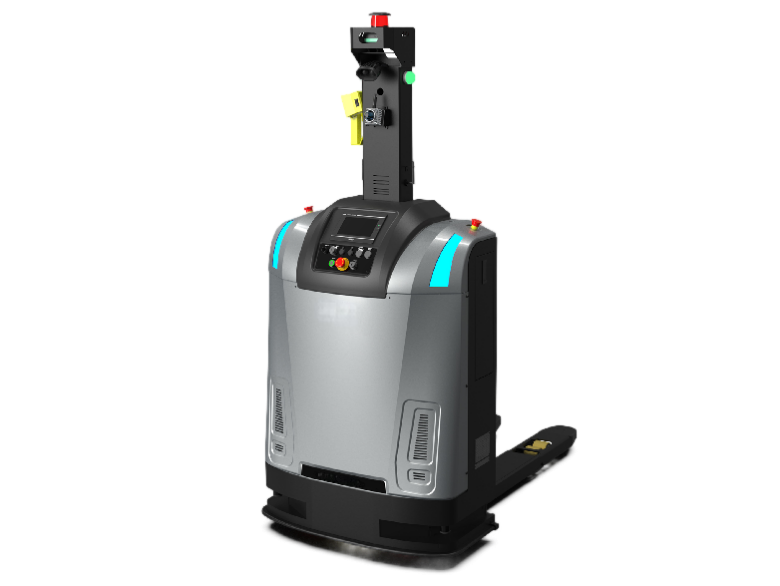
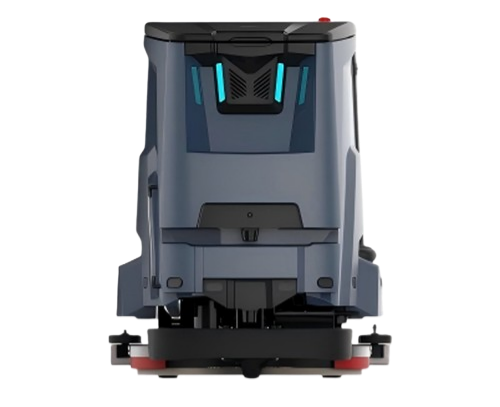
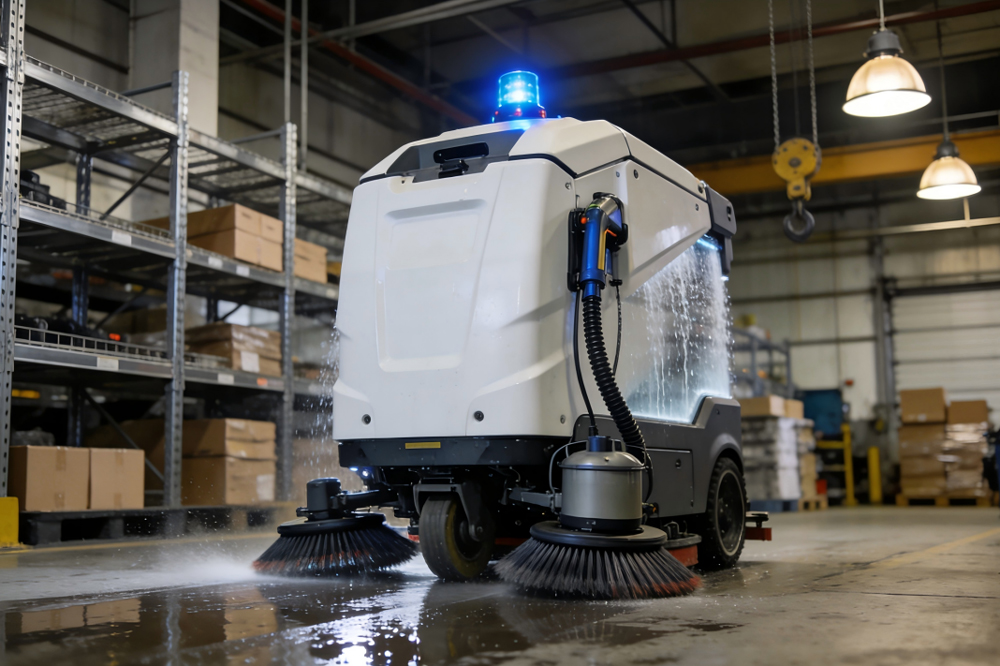
This segment accounts for over 60% of the total outdoor AGV market revenue, covering port AGVs, factory tractors and outdoor heavy-duty unmanned forklifts capable of round-the-clock operation on unpaved roads. Most adopt integrated navigation combining GNSS RTK, laser SLAM and IMU. However, strong open-air sunlight, rain, snow and building obstructions often lead to satellite signal loss. Sensor latency under heavy loads and high speeds frequently causes trajectory deviation and emergency stops, making it difficult to maintain centimeter-level positioning consistently. Ports and new energy factories serve as key growth scenarios.
Low-Speed Unmanned Delivery Robots: Workhorses for Campus Logistics
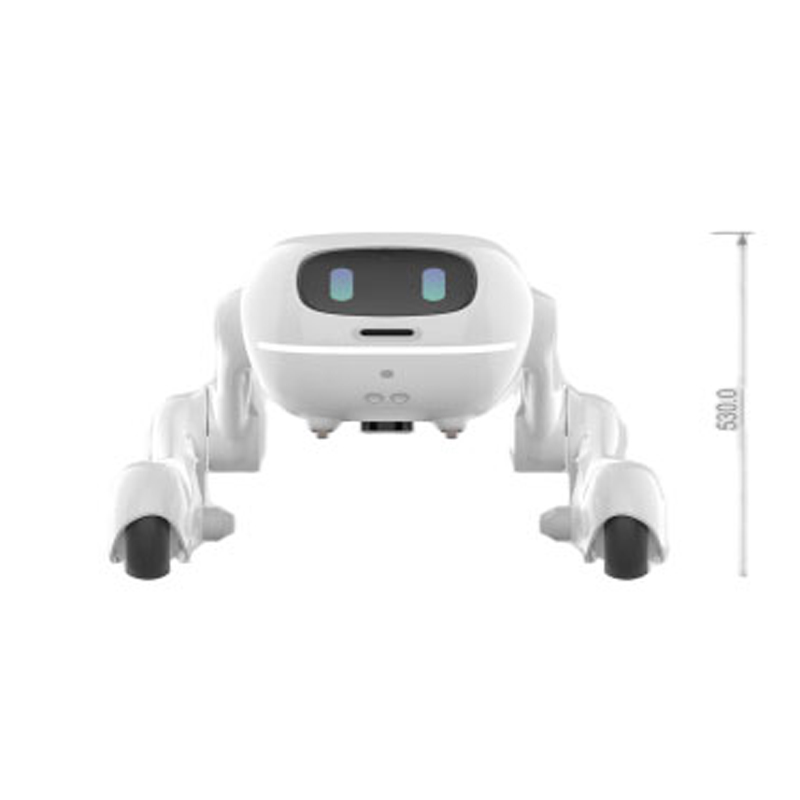
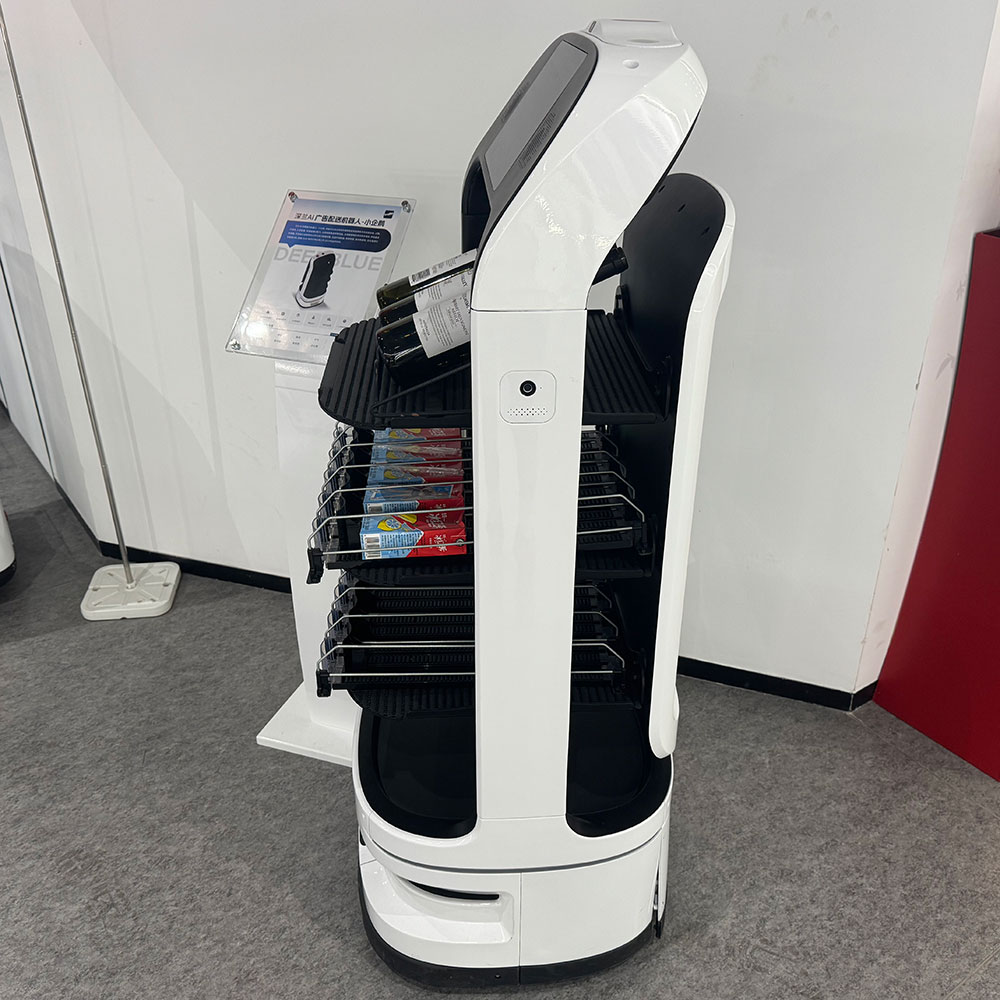
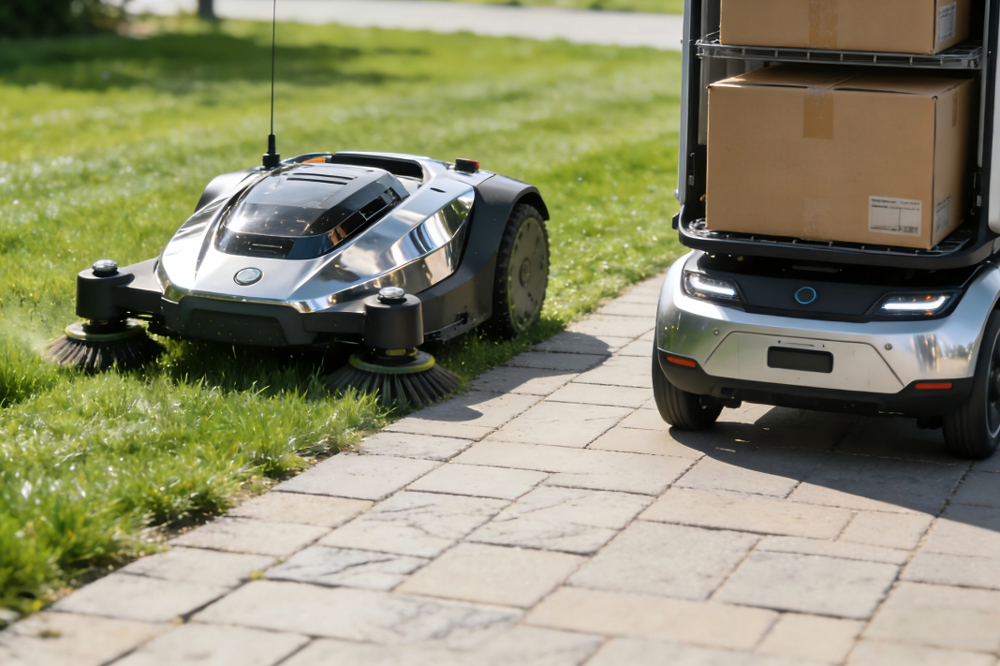
Light-duty models carry loads ranging from 50 kg to 200 kg and are deployed for last-mile logistics in industrial parks, residential communities and airports. RTK delivers global centimeter-level positioning, while laser and visual SLAM compensate for blind zones caused by tree canopies and buildings. Millimeter-wave radars identify pedestrians and obstacles to enable marker-free flexible travel. North America stands as one of the largest markets for delivery robots, while the Asia-Pacific region boasts the world’s fastest growth rate.
Intelligent Lawn Mowing Robots: High-Growth Blue Ocean Track
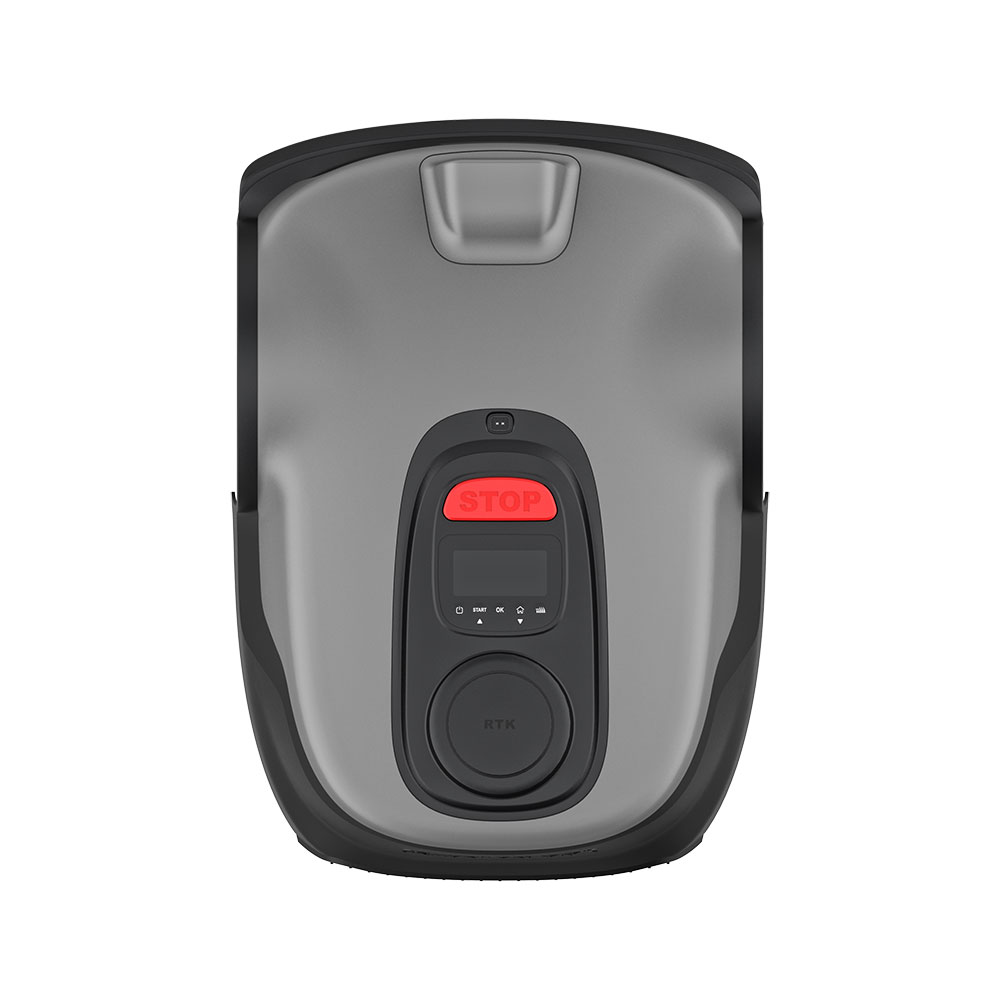
IDC data shows global shipments reached 1.992 million units in 2025, a year-on-year increase of 63.8%, with boundary-free RTK models accounting for 66.2% of total shipments. There are more than 250 million private gardens worldwide, yet industry penetration remains only 2% to 5%, leaving enormous room for replacement. The market size hit USD 3.56 billion in 2026 and is projected to reach USD 6.25 billion by 2030, representing a compound annual growth rate of 15%. Equipped with boundary-free navigation integrating GNSS RTK, AI vision and laser SLAM, these robots require no pre-buried cables. AI algorithms distinguish grass, stones and small animals, adapting to complex yards with slopes and shaded areas.
Two Main Technology Development Trends
Multi-Sensor Fusion Navigation Becomes Standard
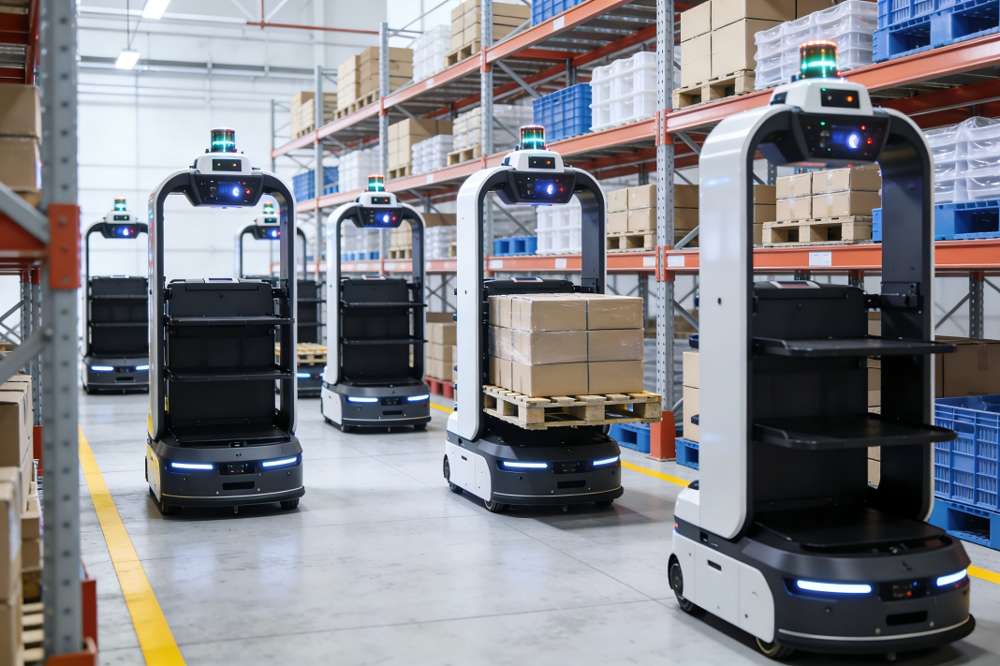
Single satellite navigation and laser-only navigation are being phased out, while the integrated architecture of GNSS RTK, laser SLAM, vision and IMU gains widespread adoption. Hardware costs of MEMS inertial navigation have dropped sharply, limiting positioning errors within 2 centimeters in open areas. Radars and vision systems offset satellite drift in obstructed environments.
Full Standardization of Electronic Control and Dispatching
Electronic control units support a unified wide-voltage DC bus ranging from 24 V to 80 V, with dual storage calibration eliminating low-voltage sampling deviations. VDA5050 has become a globally universal dispatching protocol, enabling stable coordination of over 200 cross-brand devices within a single cluster to support large-scale group operations at ports and industrial parks.
Global Market Landscape and Long-Term Outlook
In terms of regional markets, the Asia-Pacific region held the largest share of the global outdoor AGV market in 2025, followed by Europe and North America. The Middle East and Africa see strong demand for infrastructure automation with remarkable medium-to-long-term growth potential.
Three core drivers fuel industry expansion: continuously rising global labor costs boosting automation substitution for repetitive and high-risk outdoor tasks; looser road access regulations for low-speed unmanned vehicles worldwide; and ongoing supportive policies for smart manufacturing and smart cities steadily lifting equipment penetration.
Moving forward, enterprises’ market competitiveness will hinge on capabilities in multi-sensor fusion positioning, standardized electronic control and universal cluster dispatching.