



0102030405
Top Wholesale China Smart Delivery Robot Solutions for Your Business Needs?
2026-07-09
Overview of Smart Delivery Robots in China
In recent years, smart delivery robots have gained significant traction in China. These Robot Smart solutions are transforming logistics and delivery services. Businesses in China embrace this technology to improve efficiency and reduce costs. Many companies invest heavily in developing robotic systems tailored to their needs. Smart delivery robots operate autonomously, navigating complex environments. They use advanced sensors and artificial intelligence to find the best routes. However, the technology is still evolving. Challenges exist, such as adapting to unpredictable situations in crowded spaces. Developers continue to refine the systems to ensure reliability and safety. The implementation of Robot Smart solutions can enhance customer satisfaction. Clients appreciate timely deliveries, often facilitated by these machines. Yet, some businesses remain cautious. They may question the cost versus the benefits of such an innovative approach. Ongoing discussions focus on the balance between human interaction and automation in delivery processes.
Key Features of Smart Delivery Robots for Businesses
In recent years, the rise of smart delivery robots has transformed the logistics landscape. Businesses are recognizing the potential of these robots to enhance operational efficiency. According to a recent report by the International Federation of Robotics, the global market for delivery robots is expected to reach $92 billion by 2030, reflecting a compound annual growth rate (CAGR) of 21.3%. Key features play a crucial role in the selection of delivery robots. Advanced navigation systems allow these robots to traverse complex environments. Many robots utilize LiDAR technology, enabling them to create real-time maps and avoid obstacles effectively. Additionally, integration with artificial intelligence allows for adaptive learning, improving delivery routes over time. However, while these features enhance reliability, challenges remain. For instance, issues with battery life can limit operational hours, leading to downtime. Another essential feature is user interface design. An intuitive UI is vital for staff training and management. Robots must communicate effectively about their status. Clear feedback on delivery progress helps in maintaining workflow transparency. Yet, misunderstandings can occur due to technical glitches, which impact trust and reliance on these systems. Businesses must regularly assess and refine these aspects to optimize performance.
Top Wholesale China Smart Delivery Robot Solutions
| Feature | Description | Use Case | Benefits |
|---|---|---|---|
| Autonomous Navigation | Equipped with advanced sensors and mapping technology. | Delivery in complex environments like hospitals or warehouses. | Reduces labor costs and improves delivery efficiency. |
| Real-time Tracking | Live updates on robot location and delivery status. | Customer service enhancement in retail environments. | Increased visibility and customer satisfaction. |
| Load Capacity | Can carry up to 30 kg of goods. | Restaurants delivering multiple orders simultaneously. | Streamlines operations and increases delivery throughput. |
| Safety Features | Includes obstacle detection and emergency stop functions. | Public spaces and crowded environments. | Ensures safe operation around people and objects. |
| User-friendly Interface | Simple control and monitoring via mobile apps. | E-commerce businesses managing deliveries. | Enhances ease of use for staff and customers alike. |
Benefits of Implementing Smart Delivery Robots
➔
Cost Reduction: Automating deliveries minimizes labor costs. Companies can allocate resources to areas that enhance customer experience.
➔
24/7 Operation: These robots operate around the clock, ensuring timely deliveries, boosting customer satisfaction and loyalty.
Smart delivery robots are transforming the logistics industry. These robots streamline the delivery process and enhance efficiency. Many businesses are adopting this technology to remain competitive in a saturated market. With the ability to navigate various environments, they provide quick and accurate deliveries.
However, challenges exist. The initial investment can be high. Businesses need to consider maintenance costs. Additionally, integrating robots into existing systems may require adjustments. Reflecting on these factors is crucial for a successful transition.
Top Manufacturers & Customization Options
China is rapidly becoming a leader in smart delivery robot manufacturing. Recent industry reports indicate that the market is projected to grow significantly, with an expected increase of over 30% annually through 2026. This growth stems from advancements in artificial intelligence and autonomous navigation technologies. Companies are investing in more efficient robots capable of completing deliveries faster and with greater accuracy. Several manufacturers are pioneering this space, focusing on different applications, from food delivery to parcel services.
Customization Focus: The global smart delivery robot market is projected to reach $1.9 billion by 2026. Options include size, navigation technology, and payload capacity. Companies can choose robots equipped with advanced sensors for obstacle detection. Some prefer geofencing capabilities to ensure delivery routes stay within designated areas.
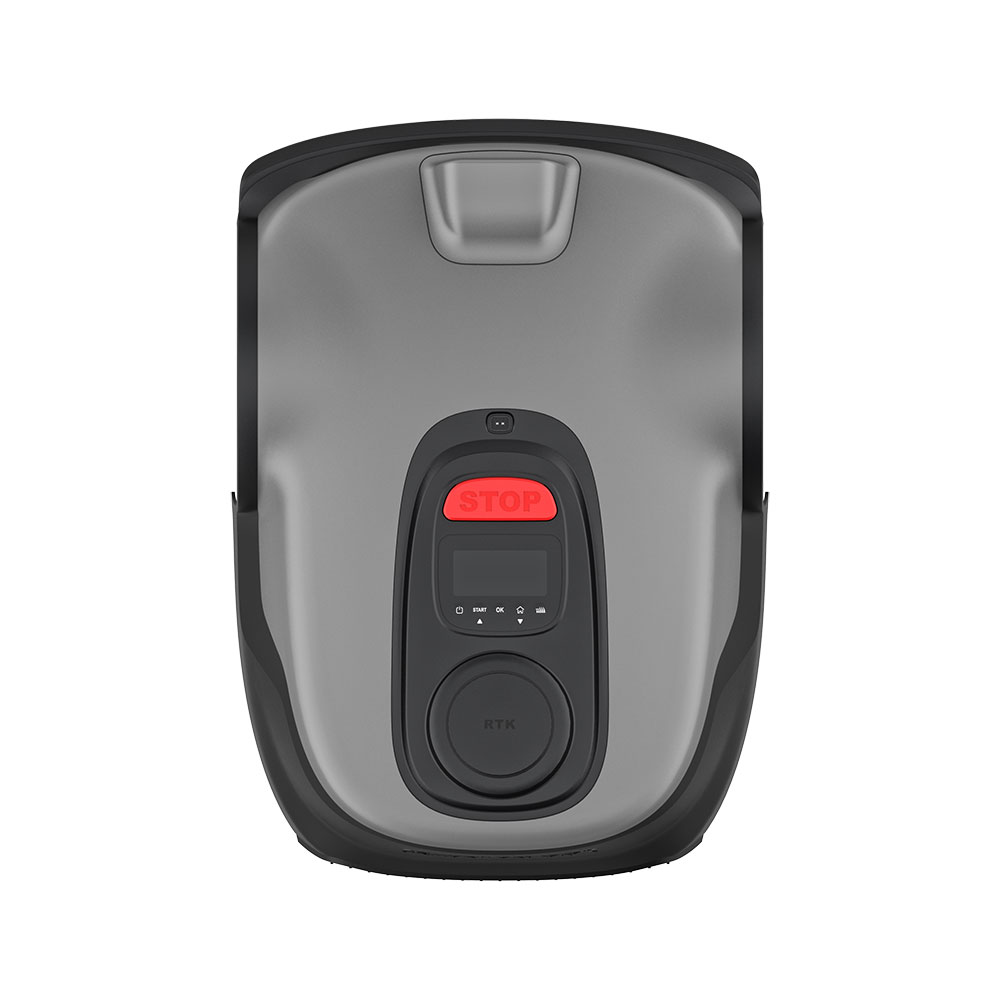
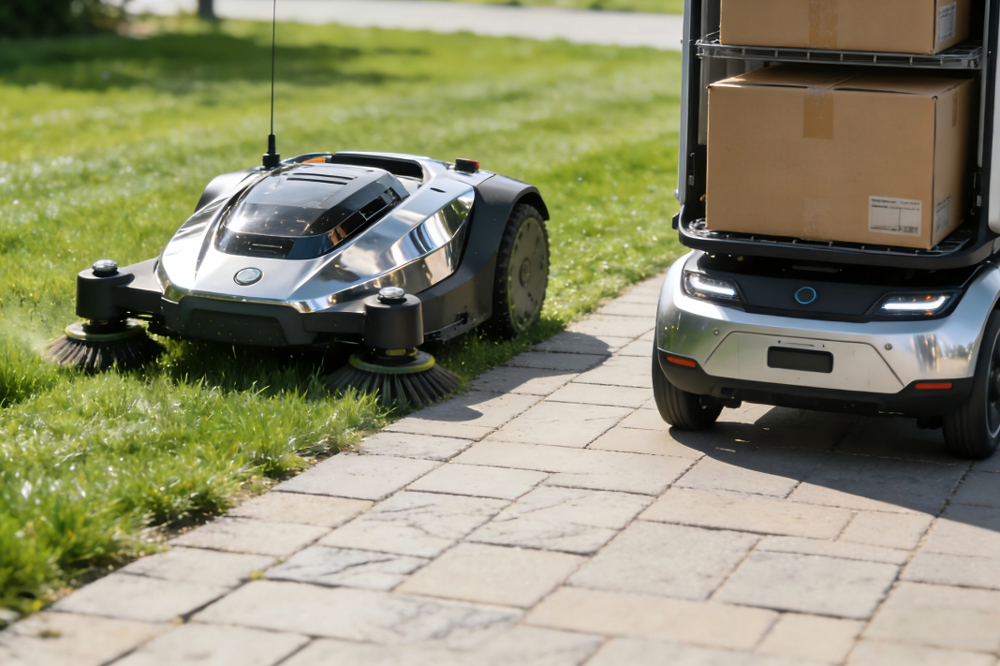
The emergence of smart technologies, such as the Smart Robot Lawn Mower, showcases the versatility of robotics. However, the integration of these robots into daily operations is complex. Businesses need to assess operational compatibility and address potential technical issues. Balancing innovation with practical deployment is essential for success in this evolving landscape.
Case Studies: Successful Implementations
Restaurant Chain Case
Integrated delivery robots into workflow, leading to reduced delivery times and improved customer satisfaction.
Tips:
- Start with a pilot program to test feasibility.
- Analyze customer feedback to improve services.
- Flexibility is key; make adjustments based on real-world performance.
Retail Store Case
Streamlined restocking and enhanced inventory management. Robots relieved employees from mundane tasks.
Tips:
- Ensure clear signage and employee training.
- Communicate transparently about the robots' roles.
- Consider customer input for future improvements.
Future Trends in Smart Delivery Technology
The evolution of smart delivery robot technology is paving the way for a new era in logistics. Enhanced navigation systems and AI-driven decision-making are key focuses. The integration of 5G technology is set to revolutionize connectivity, allowing robots to communicate in real-time.
📡
Autonomous Precision: Consider how autonomous robots can minimize human error. Their precision can improve customer satisfaction.
🔋
Battery Tech: Longer-lasting batteries will enable robots to operate for extended periods. Evaluate maintenance requirements to prevent costly downtime.