As the global hospitality industry continues its digital transformation, guest service delivery robots have evolved from a "technology novelty" into a standard operational tool. The following six dimensions provide a comprehensive analysis of the tangible business value these intelligent devices bring to hotels.
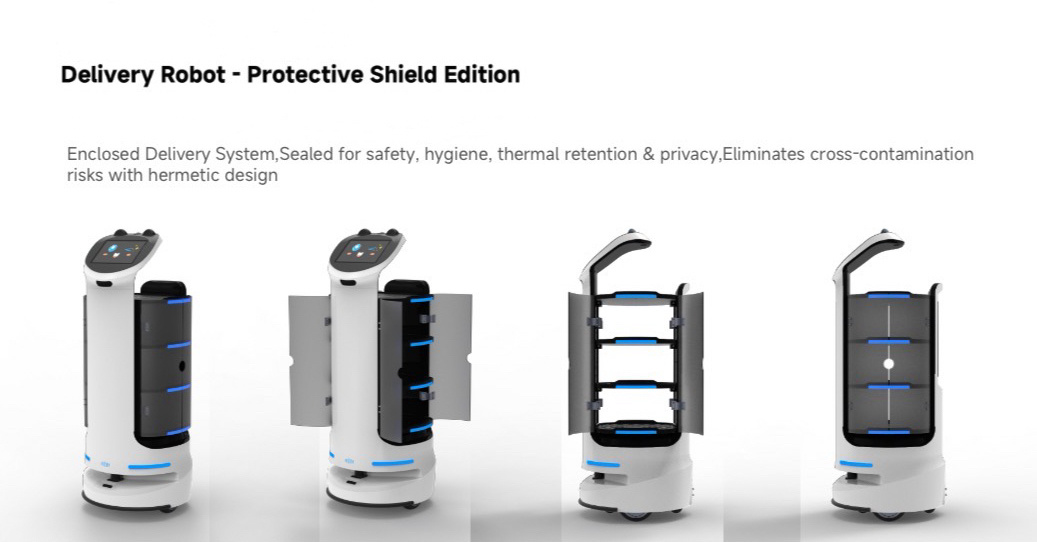
1. Enhancing Guest Experience
Guest service delivery robots provide 24/7 uninterrupted service, readily responding to nighttime deliveries, information inquiries, and other guest needs. This effectively addresses the pain points of slow response times and insufficient staffing during late-night hours that are common with traditional human‑powered services.
2. Reducing Labor Costs
By taking over repetitive, physically demanding tasks such as delivering items and transporting goods, robots significantly reduce a hotel's reliance on front‑line delivery staff. Hotels that deploy service robots commonly report notable operational cost savings and improved task turnaround times.
3. Improving Service Efficiency
Robots can respond quickly to guest requests, leveraging automatic route planning, autonomous elevator operation, and precise navigation to deliver instant service. This dramatically improves response speed and task completion efficiency.
4. Strengthening Brand Image
Introducing intelligent delivery robots helps hotels project an image of technological innovation and progressiveness, attracting tech‑enthusiasts and guests seeking novel, high‑tech experiences. This differentiation gives early‑adopting hotels a competitive edge in an increasingly crowded market.
5. Reducing Error Rates
When performing standardized tasks such as delivery and item verification, robots have significantly lower error rates than human operators. This effectively reduces losses caused by human mistakes, such as missed orders or incorrect deliveries.
6. Generating Incremental Revenue
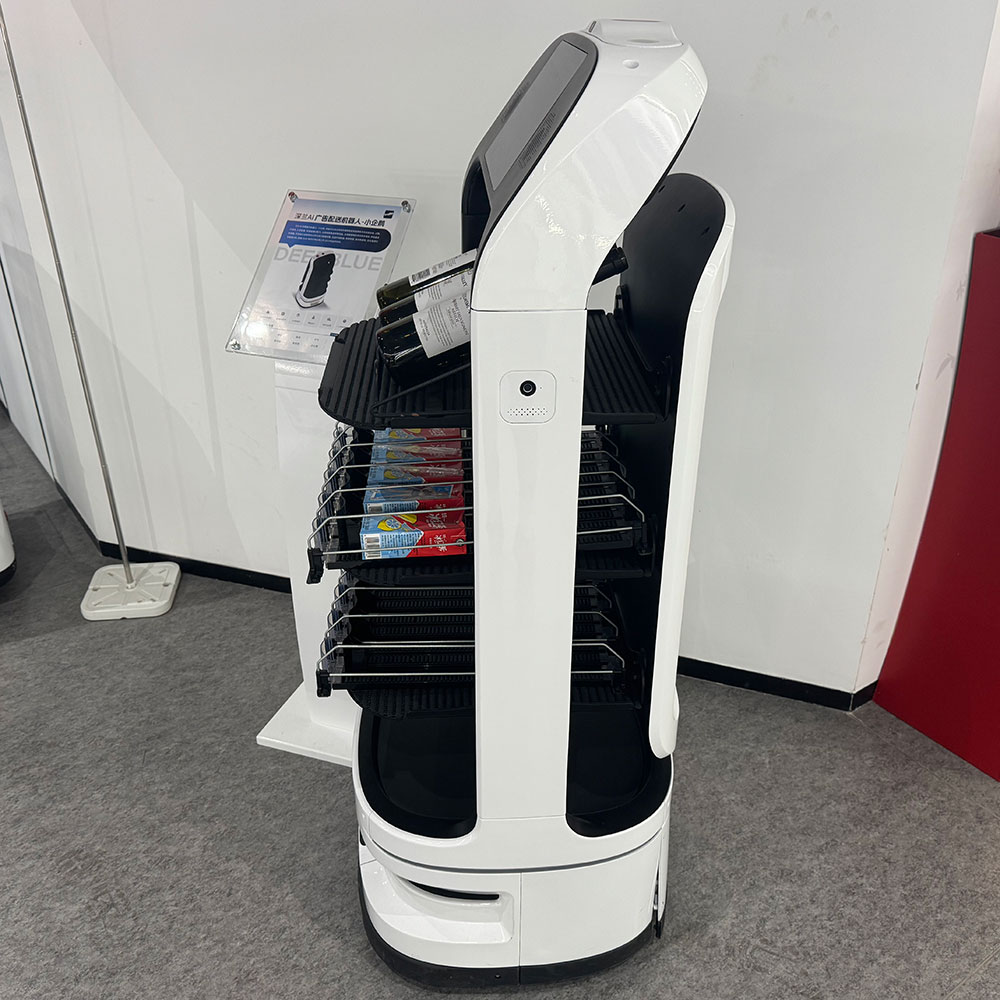
Guest service delivery robots are not just a tool for cost reduction and efficiency gains; they can also become an engine for ancillary revenue. When equipped with smart lockers or connected to unmanned retail systems, they transform in‑room service into an "hotel new retail" scenario. Guests can scan a code to instantly purchase snacks, daily necessities, travel kits, and other items, generating immediate in‑room consumption revenue.