



What are the categories of intelligent robotic vacuum cleaners?
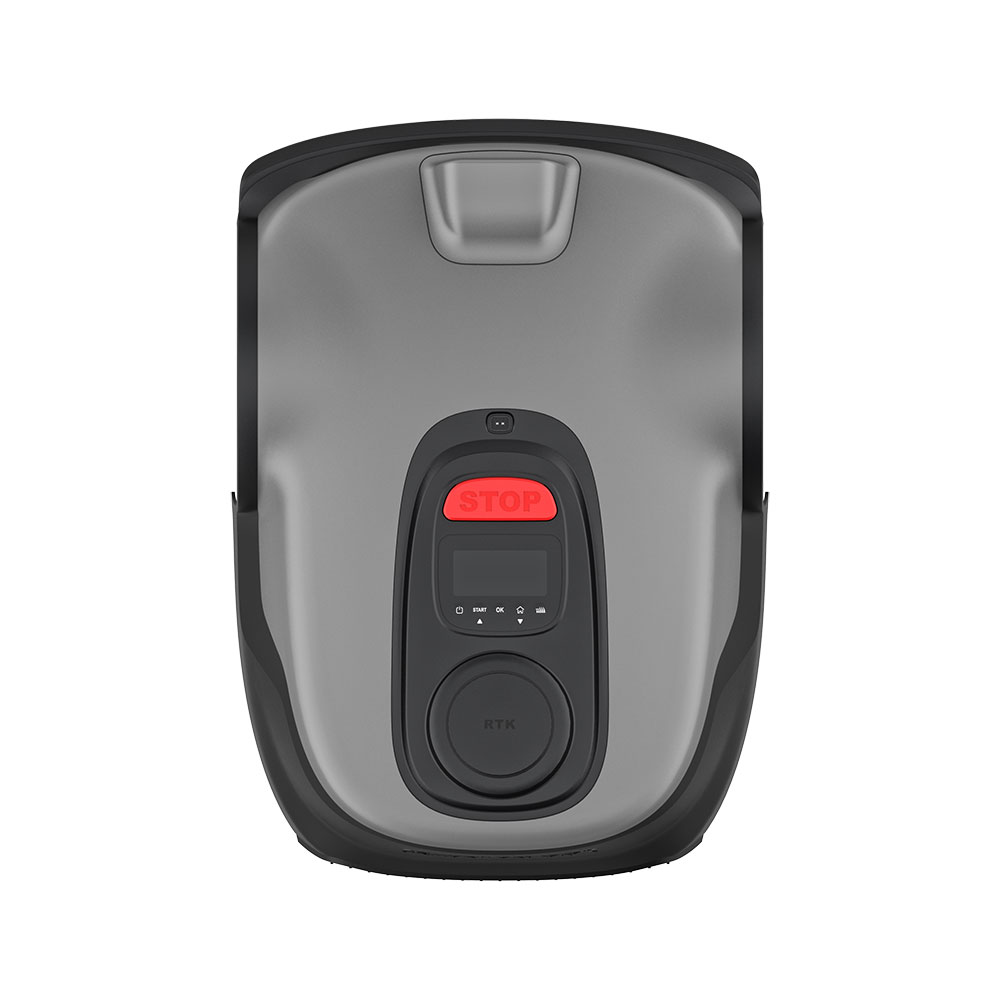
The body of a robotic vacuum cleaner is a wireless device, mainly disc-shaped. It operates on a rechargeable battery and can be controlled via a remote control or an operation panel on the machine itself. It usually supports scheduled cleaning and automatic recharging.
Equipped with sensors at the front, a robotic vacuum cleaner can detect obstacles. When it touches a wall or other barriers, it will turn automatically and follow different paths set by various manufacturers to cover and clean the area in a planned way. (Some early models may lack certain functions.) Thanks to its ease of use and convenience, robotic vacuum cleaners have gradually become popular and are now common household appliances for office workers and modern families.
Robotic vacuum cleaners can be classified as follows.
Classification by Cleaning System
Single-Suction Port Design
This single-suction cleaning method works well for loose dust on the floor, but is less effective for dust accumulated under tables or dust attached by static electricity, as the design is relatively simple with only one suction inlet.
Central Dual-Brush Clamping System
It performs better in cleaning large particles and carpets, but is less effective in removing fine dust on floors. It is more suitable for European households with full carpeting, and less ideal for fine dust removal on marble or wooden floors common in the Asian market. The cleaning mainly relies on one rubber brush and one bristle brush rotating towards each other to pick up debris.
Lifting V-Brush Cleaning System
Typically represented by models from Taiwan. It adopts a floating lifting V-brush system that can better adapt to the floor surface, providing more thorough cleaning for dust adsorbed by static electricity. The entire V-brush system can automatically adjust its height and create negative pressure in the triangular zone.
Classification by Detection System
Infrared Sensing
Infrared has a long transmission distance but requires a high-quality operating environment. It may fail to reflect properly when facing light-colored or dark-colored household objects, leading to collisions. Over time, the furniture at the bottom may become scratched and marked.
Ultrasonic Bionic Technology
Similar to whales and bats that use sound waves to detect objects and spatial positioning, this technology features high sensitivity but also higher costs. It is widely applied in the aviation industry.