



Will service robots replace human waiters and waitresses?
In recent years, China's service robots have grown faster than industrial robots, capturing market share at an extraordinary pace and becoming part of daily life. Today, many households rely on various cleaning robots such as sweepers and window-cleaning robots for housework, while dishwashers handle washing and cooking robots help prepare meals.
In the commercial catering industry, however, human servers are increasingly scarce in the labor market. Will robot servers become the trend of the future?
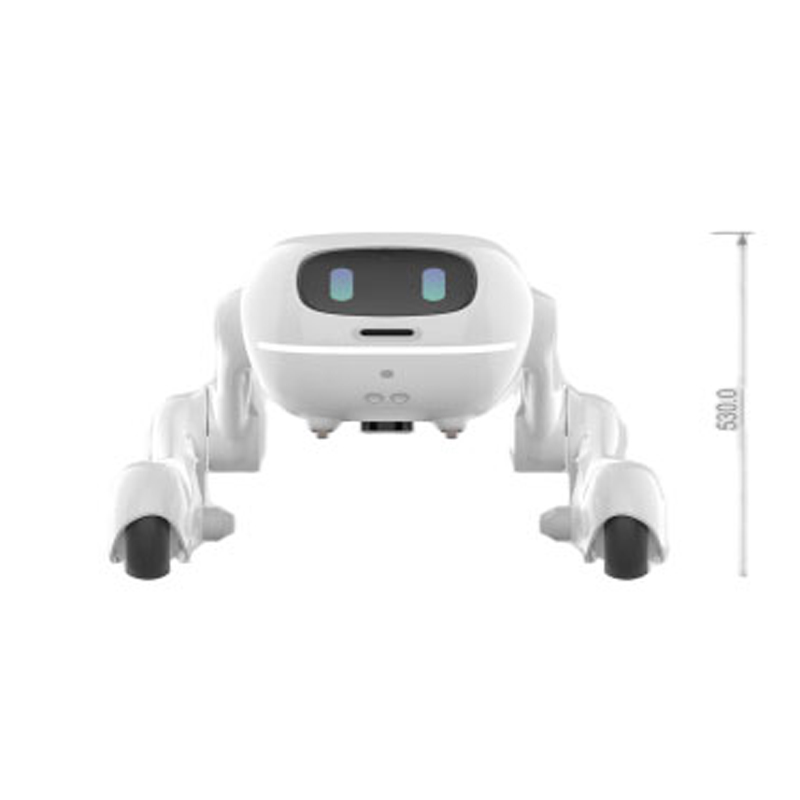
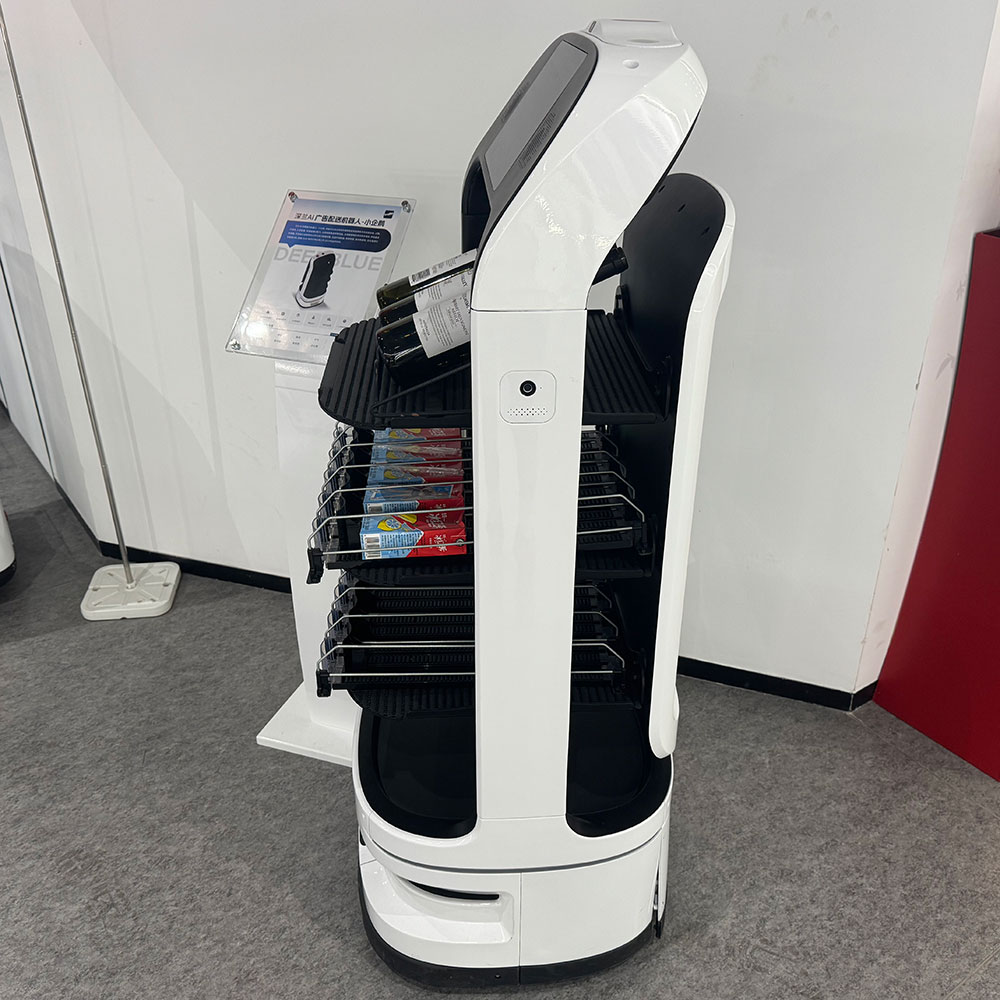
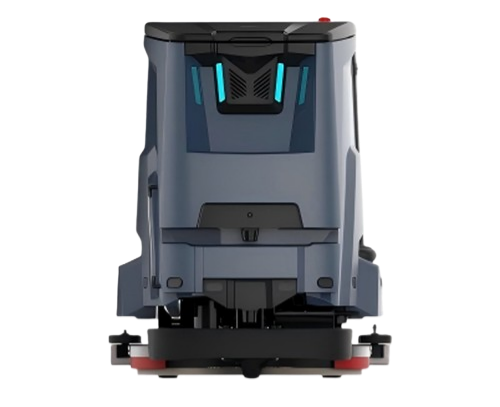
Robot servers are no longer fantasy. As early as five years ago, food-delivery robots appeared in some restaurants, transporting dishes from the kitchen to dining tables. Early models relied on primitive Bluetooth positioning with low accuracy. Limited computing power also weakened environmental perception, leading to collisions and other accidents. For these reasons, catering service robots failed to gain widespread popularity at the time.
As technology advanced, robots gained interactive capabilities beyond basic food delivery. Visual navigation and inertial navigation became mainstream systems. With more sensors and more powerful chips acting as a "brain," robots' autonomous driving and environmental awareness have improved significantly compared with five years ago. Service robots, especially for catering, have gradually returned to public view.
But can today's models fully replace human servers? What unsolved challenges remain in real-world applications? How likely are human servers to be replaced in the future?
The owner of Noodle Topia, a restaurant in Michigan, revealed in an interview that he could not hire local servers. He then purchased a robot from a Chinese service robot company, which solved his labor shortage and reduced operating costs. His restaurant now completes the same volume of business with just three people that previously required five or six. A robot costs about $15,000, roughly equivalent to three months of wages for one employee, who costs $5,000 to $6,000 per month.
Besides saving labor, robots also boost business. They free staff to focus more on customers, and visitors often post videos of the robots on social media, attracting more guests.
However, this does not mean robot servers will dominate the future, as they still face major bottlenecks and limitations that could lead to obsolescence if unaddressed. Restaurants are highly dynamic environments with constant foot traffic. Since people do not know the robot's path, the robot can only detour or stop upon detecting obstacles. Without real communication, interactions can become chaotic.
Haidilao, a popular Chinese hot pot chain, has also begun using robots to deliver food to tables. Yet managers at some locations report that robots are not as reliable or cost-effective as human employees. A manager at one Beijing branch said robots are used only occasionally as a conceptual feature. Robots can never replace humans, he noted; diners come to restaurants for caring, personal service—not cold, repetitive work performed by machines.
Technically, catering robots still face unresolved issues. Environmental adaptability needs improvement: many restaurants have uneven floors that restrict movement, and robots cannot operate properly in outdoor dining areas. Unlike human staff, robots cannot proactively approach diners to understand and resolve their needs.
These limitations significantly restrict restaurant applications. If a robot only transports items on flat ground, restaurant owners may need to invest heavily in renovating their environment, raising operating costs and making robots less attractive.
With advances in AI, adding intelligent interactive functions to service robots is becoming easier. Future models may deliver better interactive experiences. However, restaurant servers do much more than chat with customers. For robots to truly serve like humans, they must better understand diners' needs and provide more thoughtful solutions.
There is no doubt that using robots to assist or even replace human labor is part of global development. Yet replacing servers with service robots still has a long way to go. Robots can be excellent assistants to servers, but they cannot fully replace human staff. While customers appreciate high-tech innovation, they also seek the essential value of dining: emotional, human-to-human service.