- Home
- About Us
- Products
- Application
- FAQ
- News
- Contact Us
inquiry
Leave Your Message
Explore our top-performing autonomous robot solutions engineered for hazardous material handling, logistics, and industrial safety environments.
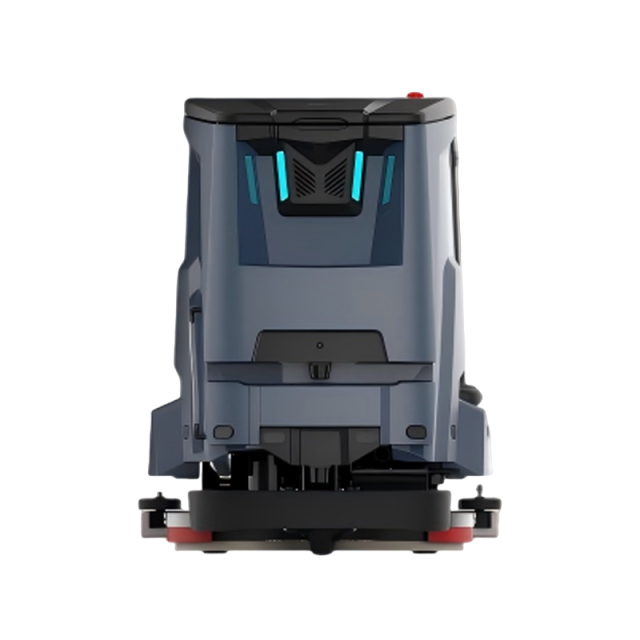
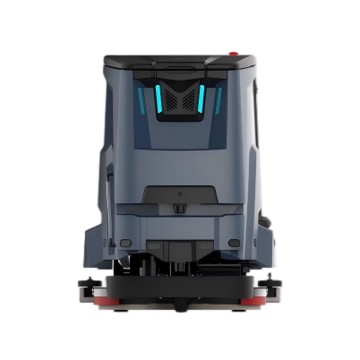
Intelligent robot suitable for indoor scenarios with large-area hard floors in hazardous industrial environments.
View More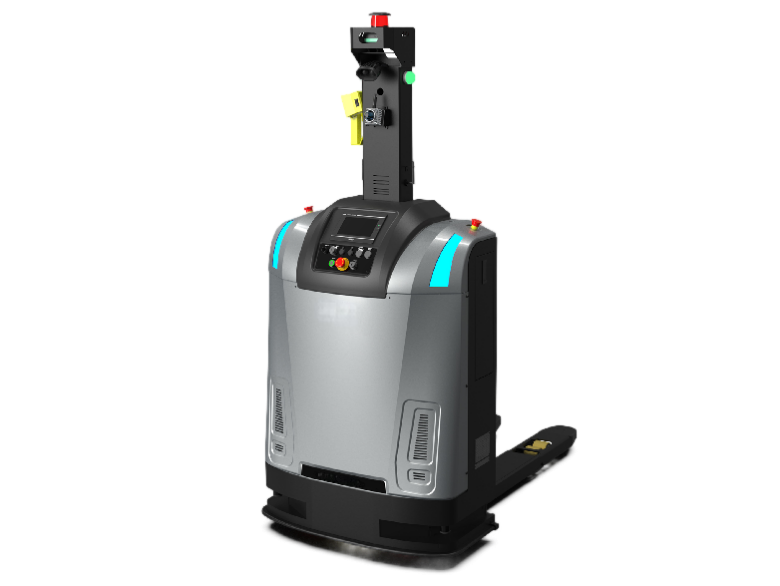
Next-generation autonomous pallet handling forklift designed for safe transportation of hazardous cargo.
View More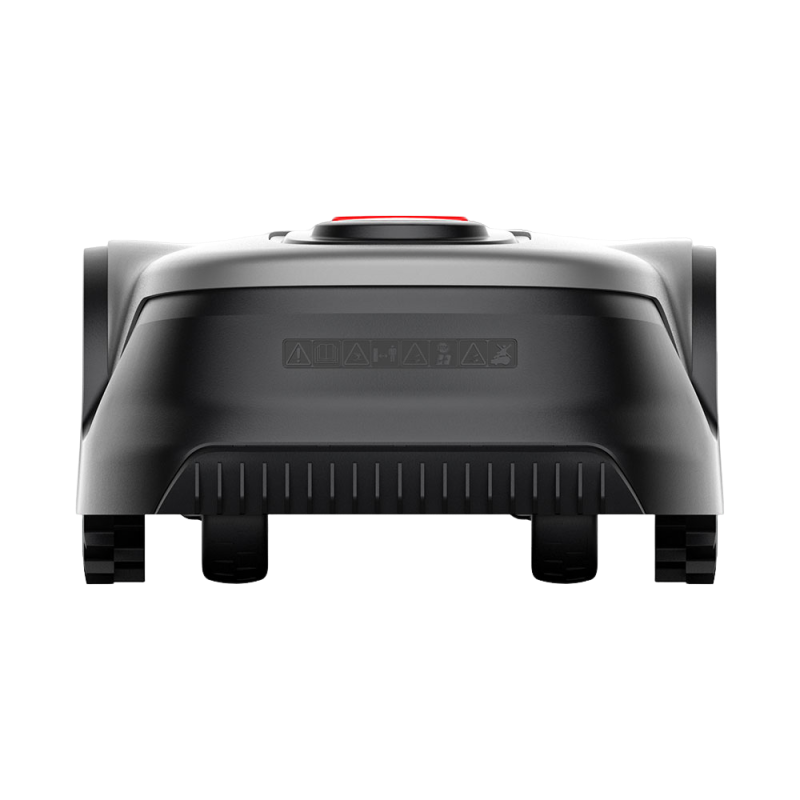
Intelligent autonomous robot designed for efficient material movement in outdoor hazardous industrial sites.
View More
Designed for hazardous material zones, this robot adheres to core safety and intelligent automation principles.
View MoreUnderstanding the technology, industrial necessity, and transformative impact of autonomous pallet robots in hazardous environments.
In industries dealing with chemicals, pharmaceuticals, nuclear materials, flammable gases, and biohazardous substances, the transportation of hazardous materials has always posed extreme risks to human workers. Traditional manual pallet handling in these environments results in thousands of workplace injuries and fatalities annually worldwide. The introduction of pallet robots for hazardous material transportation represents a fundamental shift in how industries approach safety, efficiency, and compliance.
A pallet robot in this context is an autonomous mobile robot (AMR) or automated guided vehicle (AGV) equipped with specialized payload systems, advanced sensors, and explosion-proof or chemical-resistant enclosures. These robots are engineered to transport palletized hazardous loads — including drums of toxic chemicals, radioactive material containers, and pressurized gas cylinders — across factory floors, warehouses, and logistics hubs without human intervention in danger zones.
🔬 Key Insight: According to global industrial safety reports, over 40% of chemical plant accidents involve manual material handling. Autonomous pallet robots can eliminate direct human exposure in the most critical transport phases, reducing incident rates by up to 75%.
The global market for hazardous material handling robots is projected to exceed USD 8.5 billion by 2030, driven by tightening safety regulations, rising labor costs, and the accelerating adoption of Industry 4.0 automation frameworks across chemical, pharmaceutical, oil & gas, and nuclear sectors.
The deployment of pallet robots in hazardous environments has moved well beyond the experimental stage. Leading chemical manufacturers in Europe, North America, and Asia-Pacific have integrated autonomous pallet transport systems into their core operations. Companies such as BASF, Dow Chemical, and major pharmaceutical conglomerates have reported significant reductions in workplace incidents and operational costs following full-scale robot deployment.
In China — now the world's largest chemical producer — industrial robot adoption in hazardous material logistics has grown at a compound annual rate exceeding 22% since 2020. Government mandates under the "Safe Production Law" and "Made in China 2025" initiative have accelerated procurement of intelligent handling robots across tier-1 chemical industrial parks in Jiangsu, Shandong, and Guangdong provinces.
From an industrial perspective, today's pallet robots for hazardous material transportation operate across three primary deployment models:
Purpose-built engineering for the world's most demanding and dangerous industrial environments.
Certified explosion-proof housing prevents ignition in environments with flammable gases, vapors, and combustible dust — essential for chemical plants and oil refineries.
Multi-layer LiDAR, 3D depth cameras, and SLAM algorithms enable real-time obstacle detection, dynamic path planning, and safe navigation in complex industrial layouts.
Stainless steel frames with acid/alkali-resistant coatings and sealed electronic compartments ensure long-term durability in corrosive chemical environments.
Cloud-connected fleet management systems provide live tracking, mission scheduling, predictive maintenance alerts, and seamless WMS/ERP integration.
Industrial-grade lithium battery packs with fast-charging capability ensure continuous 24/7 operation with minimal downtime — critical for uninterrupted hazardous material workflows.
Redundant emergency stop systems, load tilt sensors, gas leak detectors, and collision avoidance technology create a comprehensive safety envelope around every transport mission.
Emerging technologies and market forces are reshaping the next generation of hazardous material transportation robots.
Next-generation pallet robots are incorporating deep learning models that continuously improve navigation accuracy, anomaly detection, and predictive maintenance. AI-driven robots can now identify spill hazards, detect container integrity issues, and autonomously reroute around unexpected obstacles — capabilities that were impossible just five years ago.
The rollout of 5G industrial networks enables ultra-low-latency remote control of pallet robots in hazardous zones. Combined with digital twin technology, operators can simulate entire hazardous material transport workflows in virtual environments before deployment, dramatically reducing commissioning time and safety risks.
Large-scale chemical warehouses and nuclear facilities are beginning to deploy coordinated fleets of pallet robots that communicate autonomously, share task loads, and collectively optimize material flow. Swarm intelligence algorithms enable these fleets to self-organize in response to dynamic production demands without human intervention.
Modern pallet robots are being designed with built-in compliance engines that automatically log every transport event, generate audit trails for regulatory bodies (OSHA, REACH, ADR), and flag non-compliant loads before transport begins. This transforms regulatory compliance from a manual burden into an automated, real-time process.
For continuous heavy-duty hazardous material transport, hydrogen fuel cell-powered pallet robots are emerging as a superior alternative to lithium batteries — offering 3x longer operational range, zero-emission refueling in under 5 minutes, and performance stability across extreme temperature environments from -30°C to +60°C.
Embedding edge AI processors directly into pallet robots eliminates dependence on cloud connectivity in RF-shielded hazardous zones. On-board edge computing enables real-time decision-making at microsecond speeds — essential for emergency stop responses and collision avoidance in environments where milliseconds matter.
From chemical plants to nuclear facilities, autonomous pallet robots are transforming the most hazardous material handling challenges across industries.
Transporting drums, IBCs, and totes containing corrosive acids, toxic solvents, and reactive compounds between production reactors, storage tanks, and loading docks. Pallet robots with ATEX certification eliminate human exposure to toxic atmospheres and reduce chemical spill incidents by automating the most dangerous internal logistics routes.
In cleanroom and biosafety-level environments, pallet robots transport cytotoxic drugs, biological agents, and radioactive medical isotopes under strictly controlled conditions. Autonomous transport eliminates cross-contamination risks and maintains chain-of-custody documentation required by FDA and EMA regulations.
Pallet robots equipped with radiation-hardened electronics and remote monitoring systems handle the transport of low and intermediate-level radioactive waste containers within nuclear facilities. These robots operate in zones where human exposure limits are exceeded within minutes, providing an essential safety buffer for nuclear material logistics.
In explosive-atmosphere zones (Zone 1 & Zone 2), autonomous pallet robots transport pressurized gas cylinders, chemical additives, and catalyst materials between processing units and storage areas. Integration with refinery SCADA systems enables real-time coordination with production schedules and emergency shutdown procedures.
With the global EV boom driving exponential growth in lithium battery production, pallet robots are critical for transporting battery cells, modules, and packs containing flammable electrolytes and toxic heavy metals. Thermal runaway detection sensors integrated into pallet robots provide an additional safety layer in battery manufacturing lines.
At port terminals handling Class 1–9 dangerous goods (explosives, flammables, toxics, corrosives), autonomous pallet robots streamline the segregation, staging, and loading of hazardous cargo containers. GPS-guided outdoor pallet robots operating in classified port zones reduce dwell times and improve compliance with IMDG Code requirements.
The company is deeply engaged in the robot field, with product lines covering multiple application scenarios including commercial, industrial and household use.
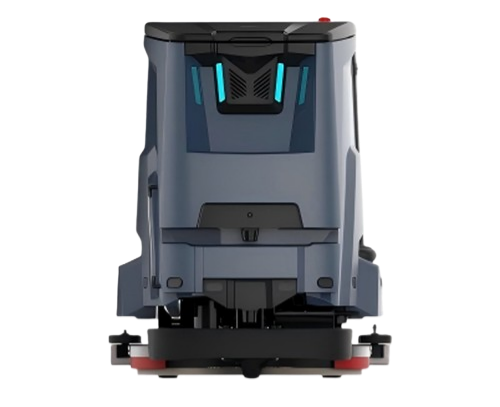
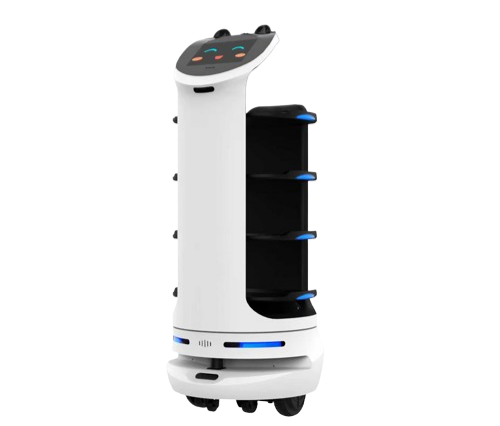
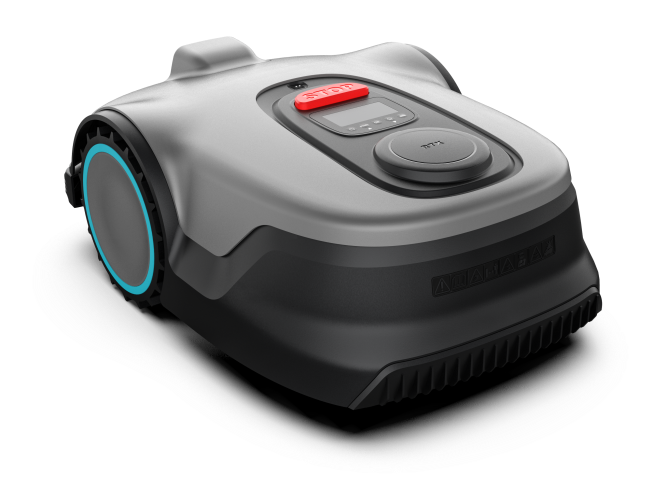
Cleaning Robot is an intelligent robot suitable for indoor scenarios with large-area hard floors. Designed for hazardous industrial environments, it operates autonomously across factory floors, warehouse areas, and chemical plant interiors — ensuring a clean, safe working environment without human exposure to harmful substances.
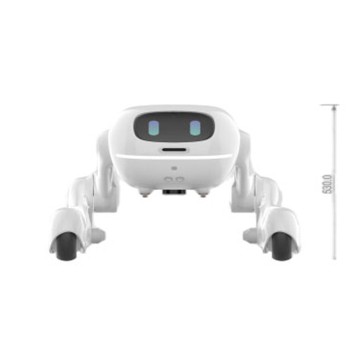
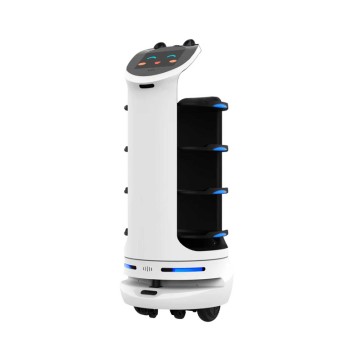
The drive wheels are equipped with an independent suspension structure, which greatly enhances the robot's stability during movement. Suitable for delivery, marketing, and service tasks in commercial and industrial settings requiring safe, efficient material transport.
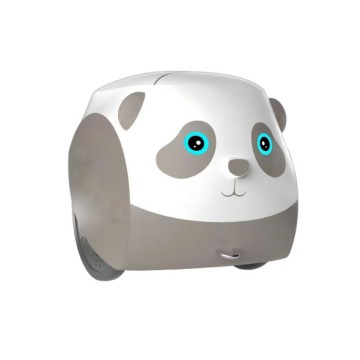
This robot adheres to the core design philosophy of Growth Companion & Enlightenment, specially developed for children aged 3 to 8. It serves as an intelligent learning and parenting assistant, combining AI interaction with educational content delivery.
This intelligent robotic lawn mower is designed for efficient, autonomous lawn maintenance. It navigates complex outdoor terrain with precision, delivering consistent mowing performance with minimal human supervision across residential and commercial landscapes.
AGV: Unmanned and automated material transfer, covering multiple fields such as industrial production, warehousing logistics, and commercial services — with specialized capabilities for hazardous material transportation.
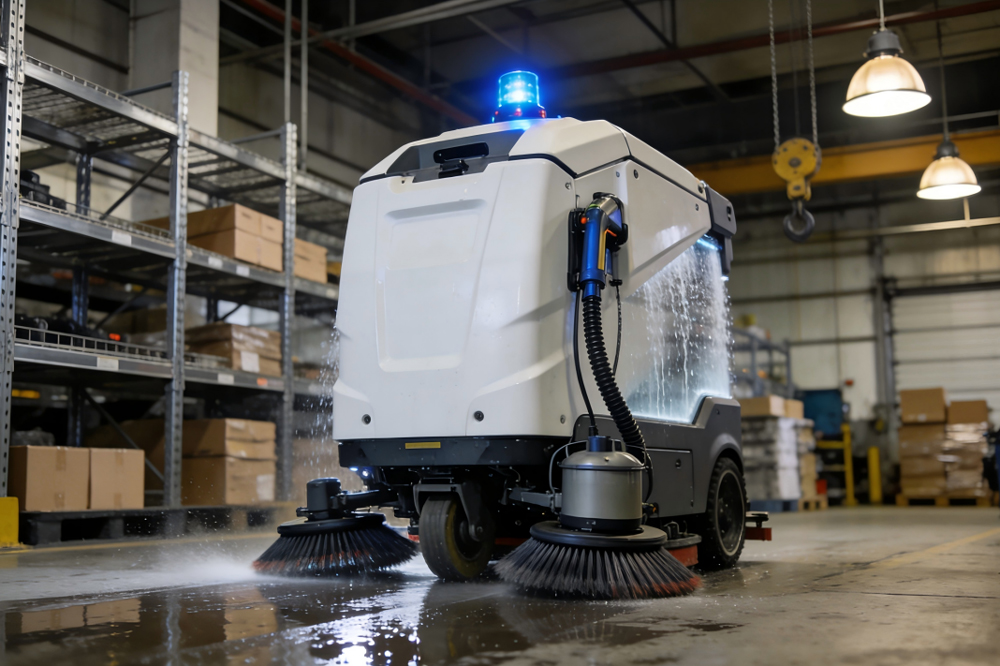
In the field of industrial manufacturing, intelligent robots are the core equipment for production automation. AGVs and collaborative robots boost the efficient operation of production and logistics. Large intelligent cleaning robots can independently finish cleaning work across the whole factory including workshops and warehouse areas, featuring unmanned operation and high adaptability to industrial scenarios. They cut costs, enhance efficiency, ensure the production environment, and fully drive the intelligent upgrading of factories. In hazardous manufacturing environments, pallet robots provide the critical safety layer that protects workers from toxic, flammable, and reactive material exposure during internal logistics operations.
Learn More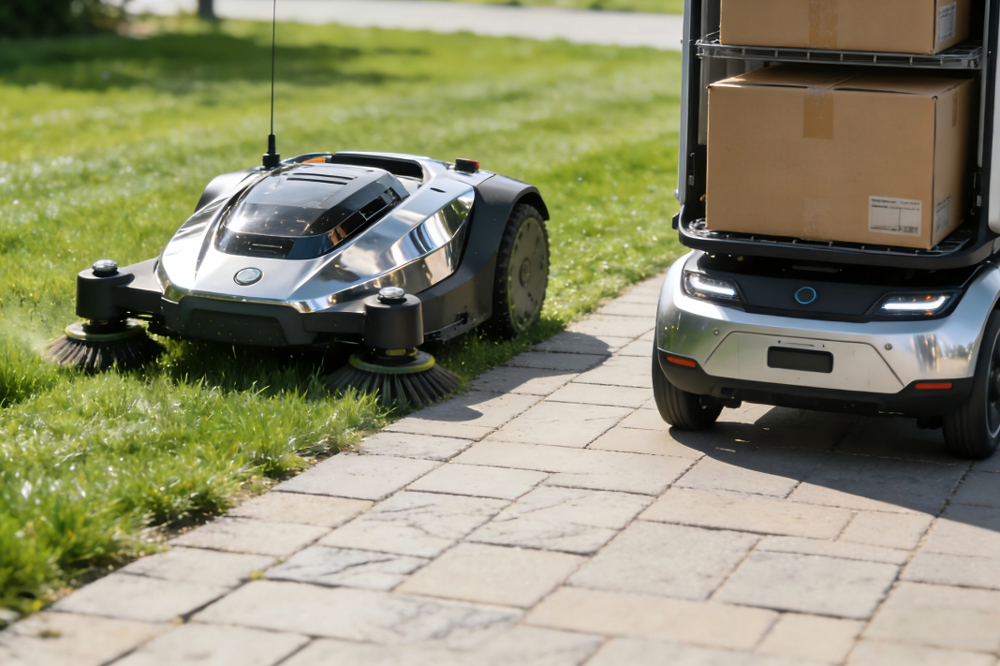
In commercial and service environments, intelligent robots streamline delivery, customer interaction, and facility management. From hotel guest service robots to retail logistics assistants, our commercial robot platforms are designed to enhance operational efficiency while maintaining the highest standards of safety and user experience in diverse commercial settings.
Learn More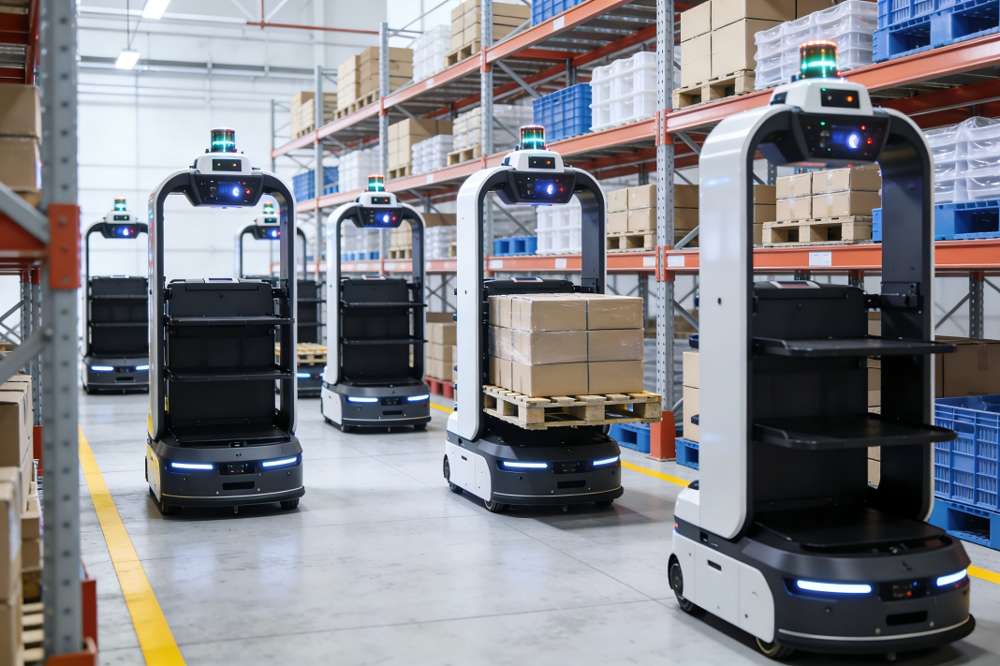
In logistics and warehousing environments — particularly those handling dangerous goods — autonomous pallet robots transform the speed, accuracy, and safety of material flow. From hazardous goods receiving and putaway to order picking and dispatch staging, our AMR and AGV platforms integrate seamlessly with WMS platforms to deliver end-to-end automated logistics solutions that meet ADR, IATA, and IMDG dangerous goods handling standards.
Learn MoreComprehensive manufacturing capabilities and full-cycle support services ensuring world-class robot quality and reliability for hazardous material transportation applications.

Our production base is equipped with high-precision CNC machining centers, AI algorithm debugging workstations, and environmental simulation test chambers, dedicated to the manufacturing of smart robots (including cleaning, mowing, and delivery models). The automated assembly lines ensure consistent product quality, while the R&D testing equipment verifies navigation accuracy, battery life, and environmental adaptability for each robot model.

Our facility has obtained ISO 9001 quality management system certification, CE, and FCC certifications for global market compliance. We also hold intellectual property patents for core technologies of smart robots, and our production processes strictly adhere to IEC standards, ensuring that every robot meets international safety and performance requirements.

We provide a full-cycle service system for smart robots, including pre-sales customization, on-site installation, and after-sales technical support. Our team offers remote debugging, firmware upgrades, and 24/7 emergency response to ensure stable operation. For bulk orders, we also provide tailored training programs for your technical and operational teams.
Located at Yineng Science and Technology Park, No. 69 Weixin Road, Suzhou City, Jiangsu Province, it is a comprehensive high-tech enterprise integrating R&D, production and foreign trade export of intelligent robots. Deeply engaged in the field of intelligent robots, it focuses on providing efficient, intelligent and reliable robot products and one-stop solutions for global customers. Its products are exported to many core markets such as Europe, America, Southeast Asia and the Middle East. With excellent product quality and perfect full-process services, it has won wide recognition and long-term trust from global partners.
LEARN MOREFor inquiries about our pallet robots for hazardous material transportation or pricelist, please leave us a message and we will be in touch within 24 hours.
As labor costs rise and efficiency demands increase, commercial cleaning robots are shifting from niche tools to mainstream industrial solutions across hazardous environments.
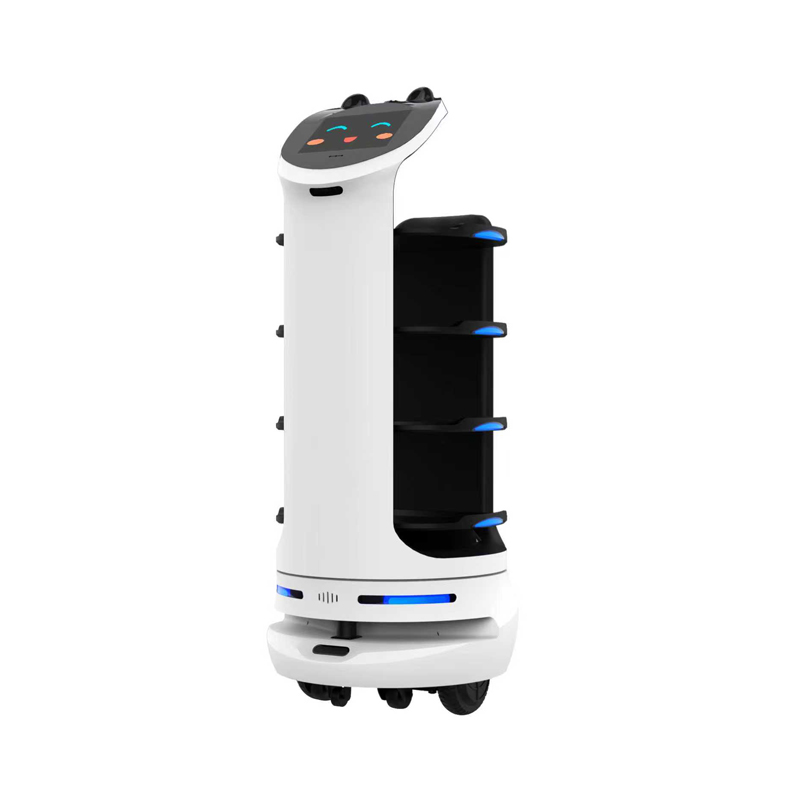
As the global hospitality industry continues its digital transformation, guest service delivery robots are becoming essential tools for efficiency and customer satisfaction.

The body of a robotic vacuum cleaner is a wireless device, mainly disc-shaped. It operates on a rechargeable battery and uses brushes and suction to clean floors automatically.
Browse our complete range of intelligent robot products designed for safe, efficient, and compliant hazardous material handling across global industries.