- Home
- About Us
- Products
- Application
- FAQ
- News
- Contact Us
inquiry
Leave Your Message
Our top-performing robotic solutions engineered for commercial, industrial, and household green space management with zero-emission, AI-driven precision.
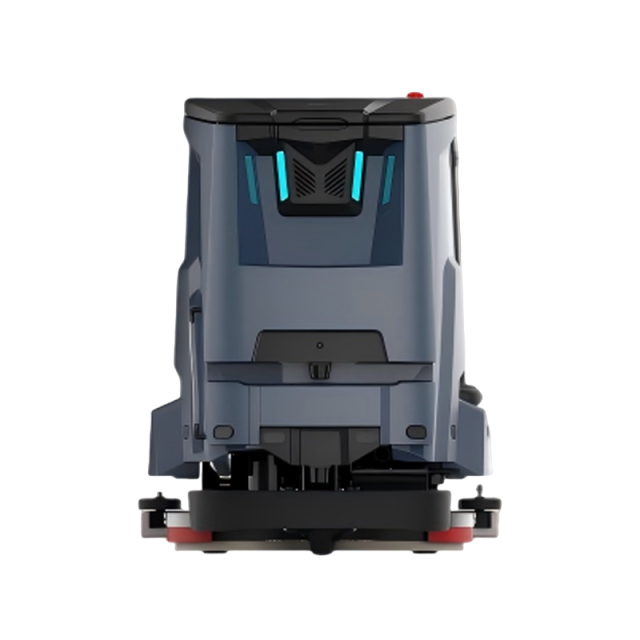
Intelligent robot for large-area hard floor environments — reducing chemical usage and waste in commercial facilities.
View More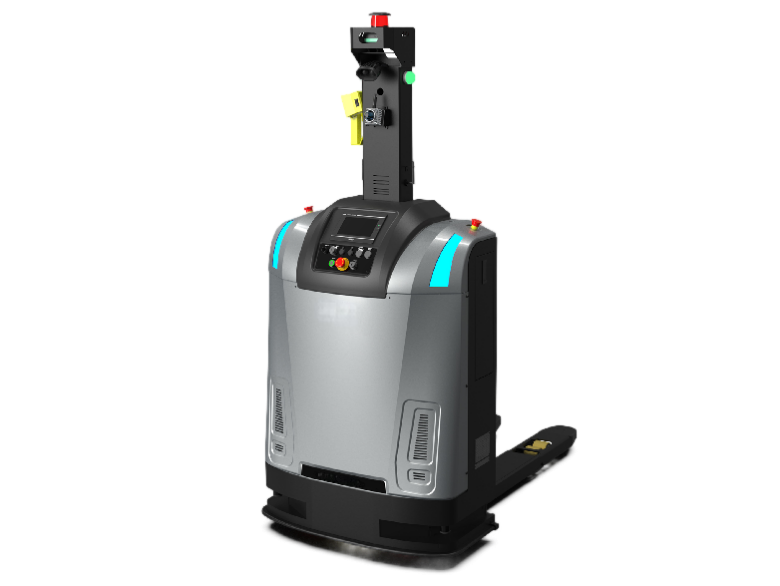
Next-generation autonomous material handling solution designed for waste sorting, recycling centers, and green logistics.
View More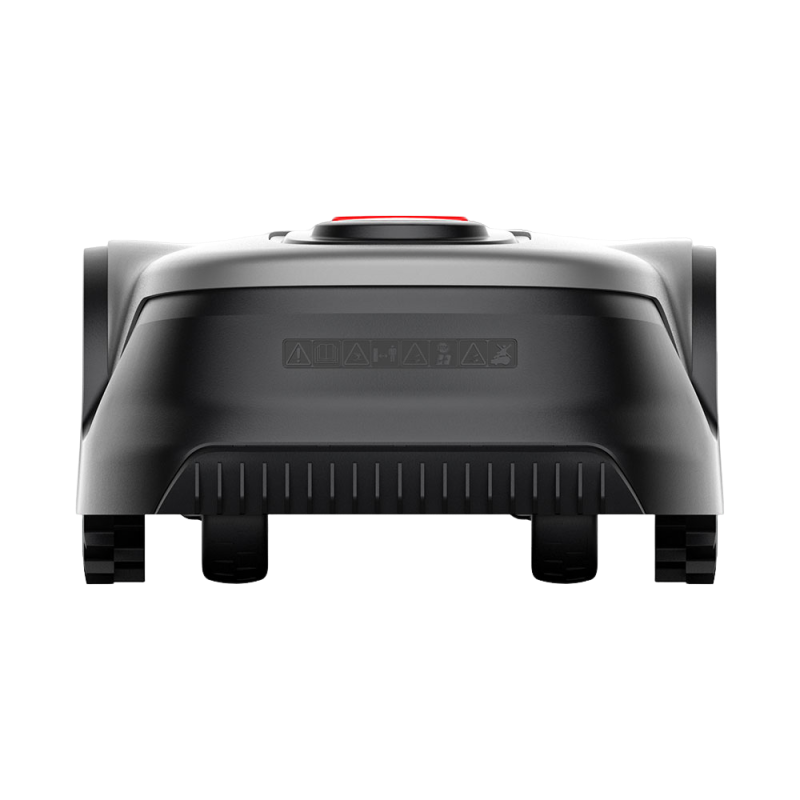
Intelligent robotic mower engineered for efficient, autonomous green space maintenance with integrated biomass recycling.
View More
Designed for children aged 3–8, this robot embodies the Growth Companion & Enlightenment philosophy for sustainable living education.
View MoreThe global push toward environmental sustainability has fundamentally transformed how municipalities, commercial property managers, and industrial facility operators approach green space maintenance. Remote lawn mowers — once considered a luxury convenience — have evolved into critical infrastructure components within sustainable waste management systems. By automating the mowing process, integrating AI-driven navigation, and enabling real-time biomass data collection, these intelligent machines are reshaping the economics and ecology of outdoor maintenance at scale.
Today's remote and robotic lawn mowers are no longer simple cutting devices. They function as autonomous data nodes within a broader smart city or smart campus ecosystem, communicating with waste management platforms, irrigation systems, and environmental monitoring tools to optimize every aspect of green space lifecycle management — from grass growth prediction to organic waste composting integration.
The global robotic lawn mower market was valued at approximately USD 1.3 billion in 2023 and is projected to surpass USD 4.2 billion by 2030, growing at a CAGR of over 18%. This explosive growth is driven by three converging forces: rising labor costs, tightening environmental regulations, and the maturation of AI navigation technology. Commercial and industrial buyers now account for nearly 42% of total robotic mower procurement, a figure that has doubled in just five years.
In Europe, municipalities in Germany, the Netherlands, and Sweden have integrated remote lawn mowers into their official urban green waste management frameworks, mandating that grass clippings be mulched in-place to reduce organic waste sent to landfills. This policy shift has accelerated B2B adoption among landscape contractors, golf course operators, sports venue managers, and airport ground maintenance teams.
In North America, commercial real estate developers and corporate campus operators are deploying fleets of GPS-guided remote mowers to maintain large perimeters — reducing fuel consumption by up to 70% compared to traditional ride-on mowers while generating detailed turf health data that informs fertilizer and water usage decisions. The result is a measurable reduction in chemical runoff — a key metric in sustainable waste management compliance reporting.
Modern remote lawn mowers use LiDAR, ultrasonic sensors, and computer vision to map complex terrain in real time, eliminating the need for perimeter wire installation and enabling dynamic re-routing around waste bins, garden furniture, and personnel — critical for busy commercial environments.
Next-generation mowers feature onboard mulching systems that reduce clippings to fine particles returned directly to the soil, cutting organic waste volume by up to 90%. Some enterprise models connect to composting management software, logging biomass output data for sustainability reporting and carbon credit calculations.
Enterprise operators now manage fleets of 20–100+ robotic mowers through centralized cloud dashboards. Real-time GPS tracking, battery status monitoring, and predictive maintenance alerts enable zero-downtime operations across large industrial parks, university campuses, and municipal green spaces.
The integration of solar charging stations and high-capacity lithium battery systems has made remote lawn mowers entirely carbon-neutral in operation. This aligns directly with ISO 14001 environmental management standards and ESG reporting requirements increasingly demanded by institutional investors and government procurement bodies.
The rollout of 5G networks has enabled true real-time remote control of mowers from centralized operations centers, with latency under 10ms. Edge computing modules onboard the mowers process environmental sensor data locally, reducing bandwidth requirements and enabling autonomous decision-making even in low-connectivity zones.
Swarm intelligence algorithms now allow multiple remote mowers to coordinate coverage of large areas without overlap or collision, optimizing total mowing time by up to 65% compared to single-unit deployments. This is particularly valuable for sports stadiums, industrial logistics parks, and large-scale solar farm ground maintenance.
Mulching technology returns 100% of grass clippings to the soil as natural fertilizer, eliminating organic waste collection costs and reducing landfill contributions from green space maintenance by up to 90%.
Electric-powered remote mowers consume up to 90% less energy than petrol alternatives. Combined with solar charging infrastructure, total operational energy costs are reduced to near-zero for large commercial deployments.
Onboard AI continuously analyzes grass density, moisture levels, and growth patterns to adjust cutting height and frequency in real time — preventing over-cutting that damages root systems and increases water runoff.
From municipal parks to industrial solar farms, remote lawn mowers are being deployed across a diverse range of environments where sustainable waste management is a regulatory or operational priority.
City governments are deploying fleets of remote lawn mowers in public parks, roadside verges, and recreational areas to eliminate the cost of grass clipping collection and transport. In cities like Amsterdam and Singapore, integrated smart waste platforms receive real-time biomass data from mowers to optimize composting facility operations and reduce organic waste processing costs by up to 35%.
Solar energy installations require consistent vegetation management beneath panel arrays to prevent shading and fire hazards. Remote lawn mowers with low-profile designs navigate between panel rows autonomously, maintaining optimal ground cover without the fuel emissions or soil compaction caused by conventional machinery. This application is growing at over 30% annually as global solar capacity expands.
Large industrial complexes with extensive green buffer zones use remote mower fleets to maintain perimeter vegetation in compliance with environmental impact regulations. The elimination of petrol mower emissions and the reduction of chemical herbicide use — replaced by precision mowing schedules — directly supports ISO 14001 and EMAS environmental certification requirements.
Educational institutions with sustainability mandates are among the fastest-growing adopters of remote lawn mowers. Campus-wide deployments enable 24/7 autonomous maintenance that integrates with campus sustainability dashboards, contributing measurable data to LEED and BREEAM certification processes. Students benefit from a quieter, safer campus environment while institutions reduce grounds maintenance budgets by 40–60%.
Golf courses and professional sports venues demand millimeter-precision turf management. Remote mowers equipped with GPS-RTK positioning achieve cutting accuracy within ±2cm, enabling consistent playing surface quality while reducing water usage through precise cutting height management that optimizes grass health and root depth — directly reducing irrigation waste and runoff.
Organic farms and agri-businesses use remote lawn mowers to manage cover crops and buffer zones between cultivation areas. The mulching function returns nitrogen-rich clippings to the soil, reducing synthetic fertilizer requirements. Integration with farm management software enables mowing schedules to be synchronized with crop rotation plans and soil health monitoring systems.
The company is deeply engaged in the robot field, with product lines covering multiple application scenarios including commercial, industrial and household use:
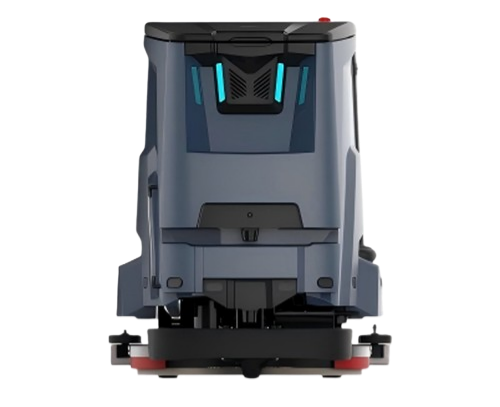
Cleaning Robot is an intelligent robot suitable for indoor scenarios with large-area hard floors. Designed for commercial and industrial environments, it integrates seamlessly with facility waste management systems to reduce cleaning chemical consumption and optimize maintenance schedules through AI-driven route planning.
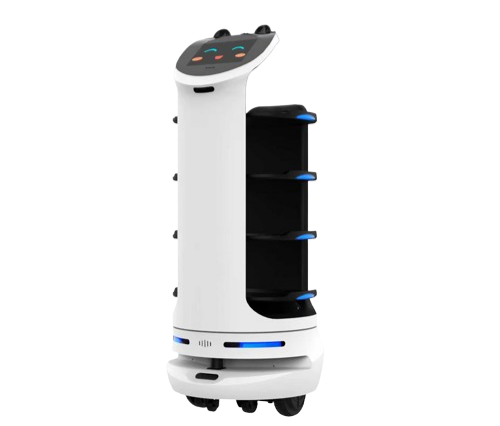
The drive wheels are equipped with an independent suspension structure, which greatly enhances the robot's stability during movement. Ideal for hotels, hospitals, and retail environments, this robot reduces human contact with waste streams while improving service efficiency in commercial settings.
This robot adheres to the core design philosophy of Growth Companion & Enlightenment, specially developed for children aged 3 to 8. It educates the next generation on sustainable living, environmental responsibility, and smart home energy management from an early age.
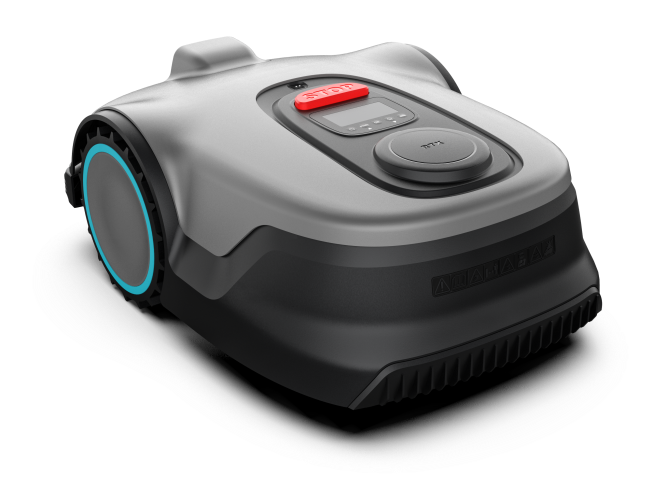
This intelligent robotic lawn mower is designed for efficient, autonomous lawn maintenance. Featuring integrated mulching technology, GPS boundary mapping, and IoT connectivity, it serves as a core component of sustainable green space waste management systems for commercial, municipal, and industrial applications.

Our production base is equipped with high-precision CNC machining centers, AI algorithm debugging workstations, and environmental simulation test chambers, dedicated to the manufacturing of smart robots (including cleaning, mowing, and delivery models). The automated assembly lines ensure consistent product quality, while the R&D testing equipment verifies navigation accuracy, battery life, and environmental adaptability for each robot model.

Our facility has obtained ISO 9001 quality management system certification, CE, and FCC certifications for global market compliance. We also hold intellectual property patents for core technologies of smart robots, and our production processes strictly adhere to IEC standards, ensuring that every robot meets international safety and performance requirements.

We provide a full-cycle service system for smart robots, including pre-sales customization, on-site installation, and after-sales technical support. Our team offers remote debugging, firmware upgrades, and 24/7 emergency response to ensure stable operation. For bulk orders, we also provide tailored training programs for your technical and operational teams.
AGV: Unmanned and automated material transfer, covering multiple fields such as industrial production, warehousing logistics, and commercial services
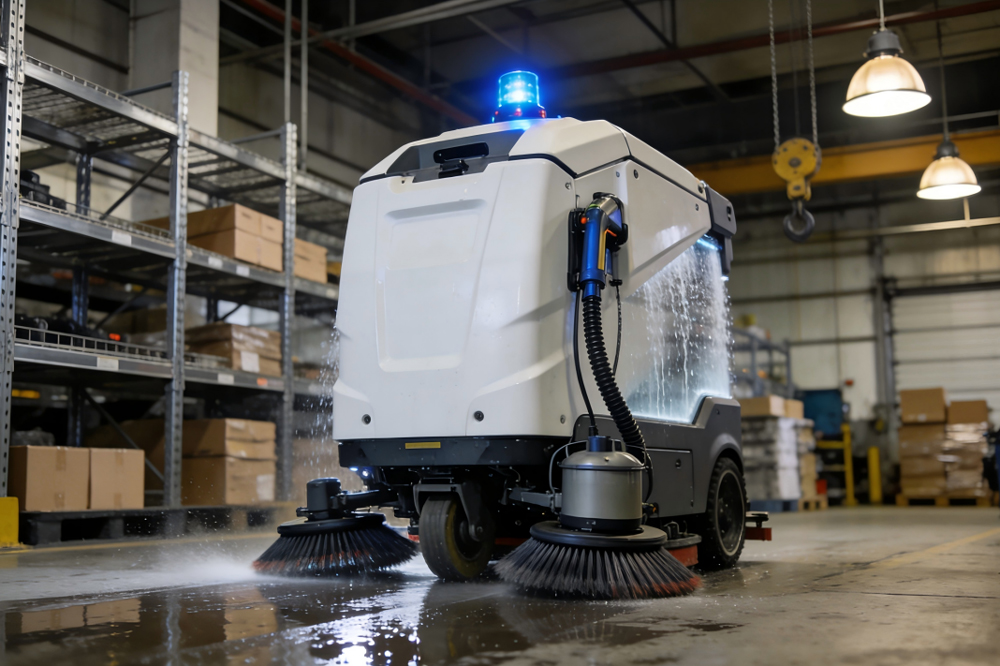
In the field of industrial manufacturing, intelligent robots are the core equipment for production automation. AGVs and collaborative robots boost the efficient operation of production and logistics. Large intelligent cleaning robots can independently finish cleaning work across the whole factory including workshops and warehouse areas, featuring unmanned operation and high adaptability to industrial scenarios. They cut costs, enhance efficiency, ensure the production environment, and fully drive the intelligent upgrading of factories.
Learn More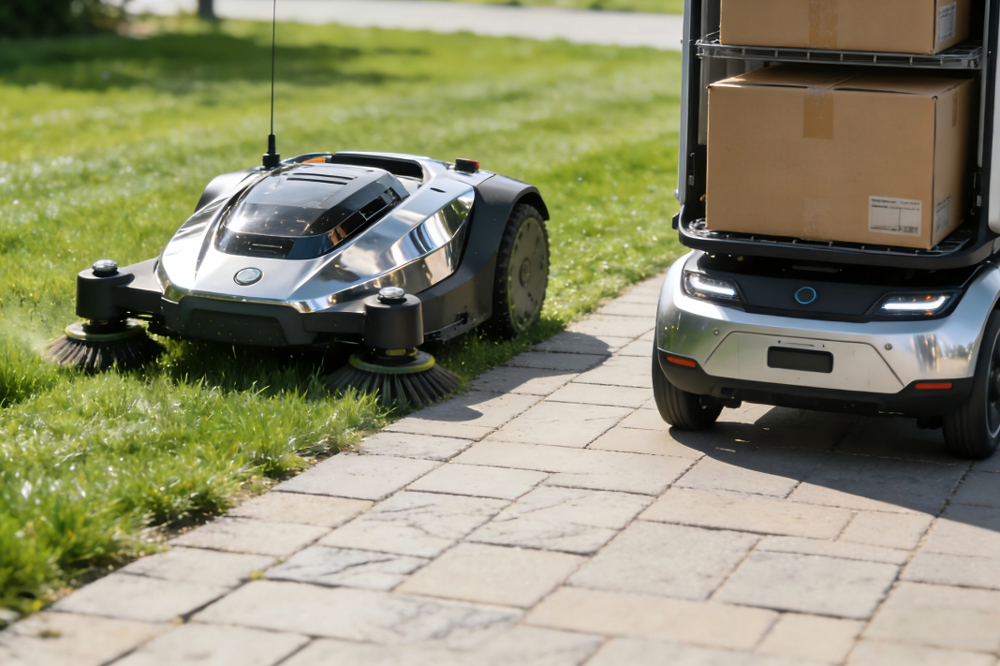
Commercial service robots are transforming hospitality, retail, healthcare, and public service environments. From autonomous delivery and reception robots in hotels and hospitals, to remote lawn mowers maintaining commercial property grounds with zero emissions, our robotic solutions enable businesses to achieve sustainability targets while reducing operational costs and improving customer experience metrics.
Learn More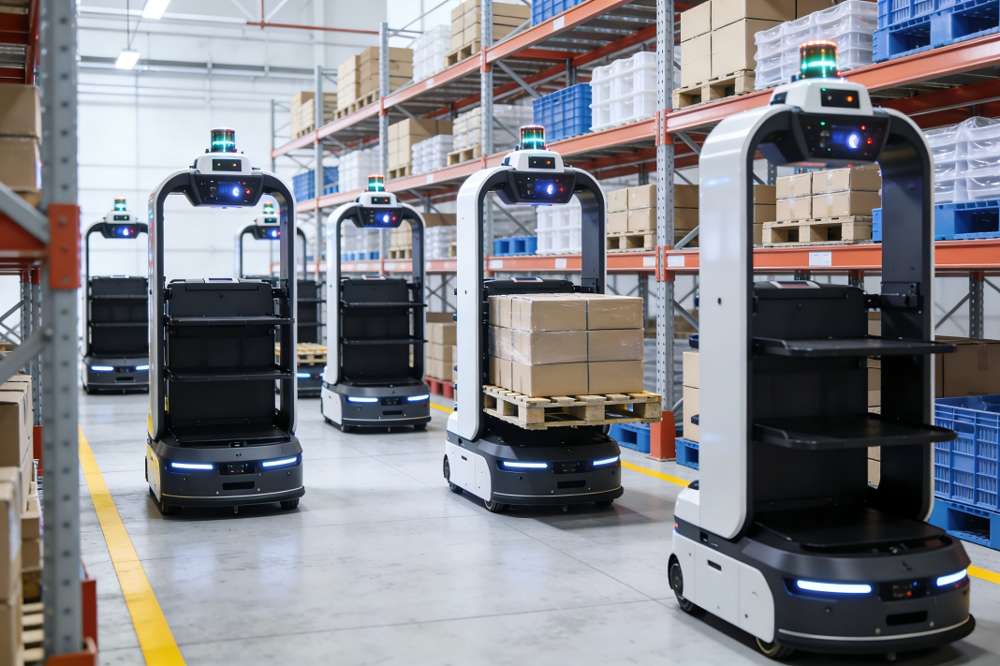
Intelligent logistics robots and AGV systems are revolutionizing warehousing operations for waste management companies, recycling facilities, and green logistics providers. Autonomous forklifts and transport robots handle organic waste containers, recyclable material sorting, and cross-dock operations with precision and safety — reducing workplace injuries and increasing throughput in high-volume waste processing facilities.
Learn MoreLocated at Yineng Science and Technology Park, No. 69 Weixin Road, Suzhou City, Jiangsu Province, it is a comprehensive high-tech enterprise integrating R&D, production and foreign trade export of intelligent robots. Deeply engaged in the field of intelligent robots, it focuses on providing efficient, intelligent and reliable robot products and one-stop solutions for global customers. Its products are exported to many core markets such as Europe, America, Southeast Asia and the Middle East. With excellent product quality and perfect full-process services, it has won wide recognition and long-term trust from global partners.
LEARN MOREAs labor costs rise and efficiency demands increase, commercial cleaning robots are shifting from novelty to necessity across global facilities management.
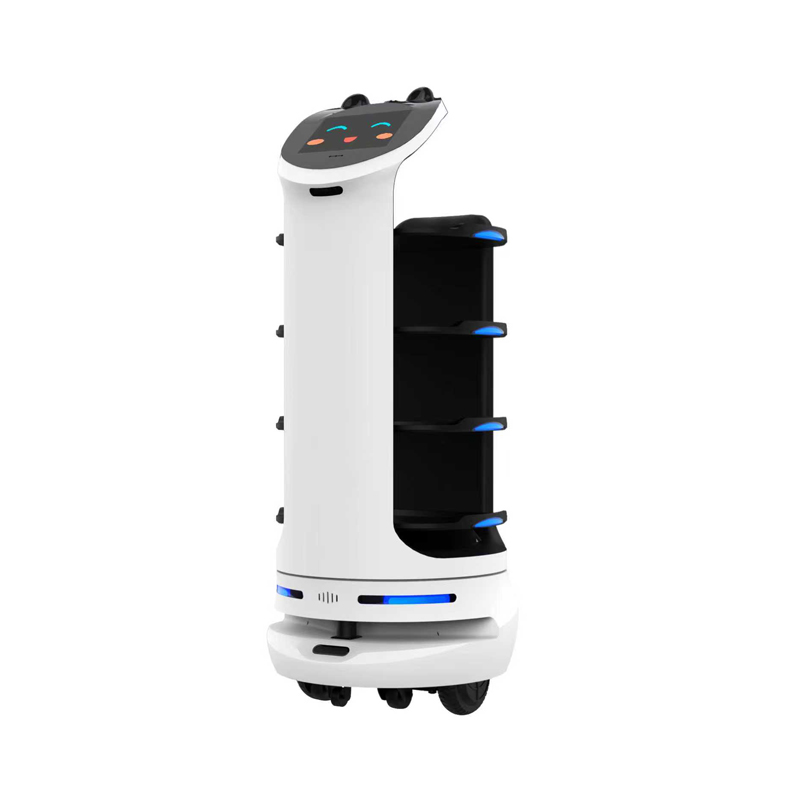
As the global hospitality industry continues its digital transformation, guest service delivery robots are becoming standard fixtures in leading hotel chains worldwide.

The body of a robotic vacuum cleaner is a wireless device, mainly disc-shaped. It operates on a rechargeable battery and uses sensors to navigate and clean floors autonomously.
For inquiries about our remote lawn mower products or pricelist, please leave your details and we will be in touch within 24 hours.
Explore our complete range of robotic lawn mower solutions engineered for sustainable green space and waste management applications worldwide.