- Home
- About Us
- Products
- Application
- FAQ
- News
- Contact Us
inquiry
Leave Your Message
Explore our premium range of autonomous systems optimized for heavy load management and facility operation.
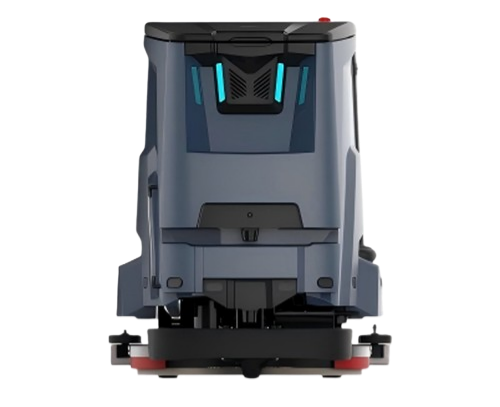
An intelligent cleaning robot optimized for heavy industrial dust, wood shavings, and packaging debris in palletizing zones.
Learn More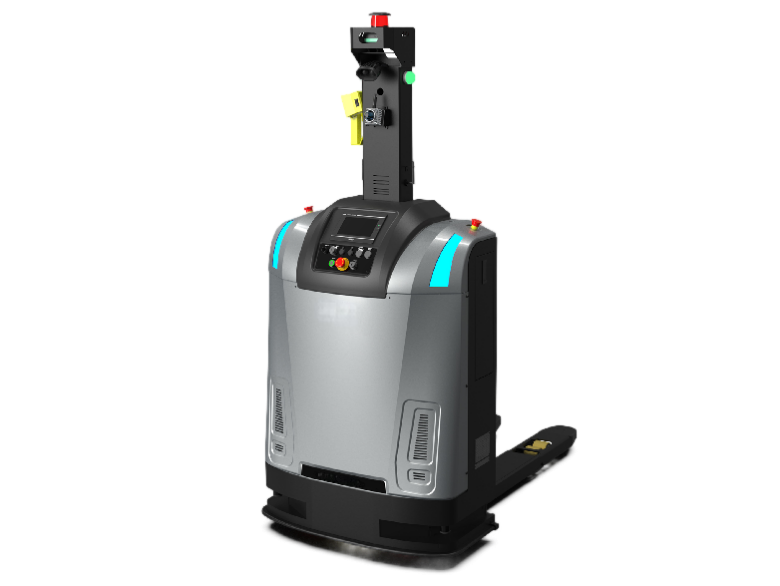
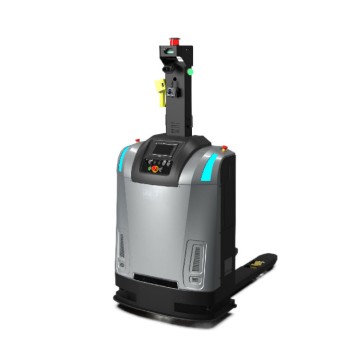
A next-generation autonomous handling solution engineered specifically for high-capacity heavy-duty palletizing operations.
Learn More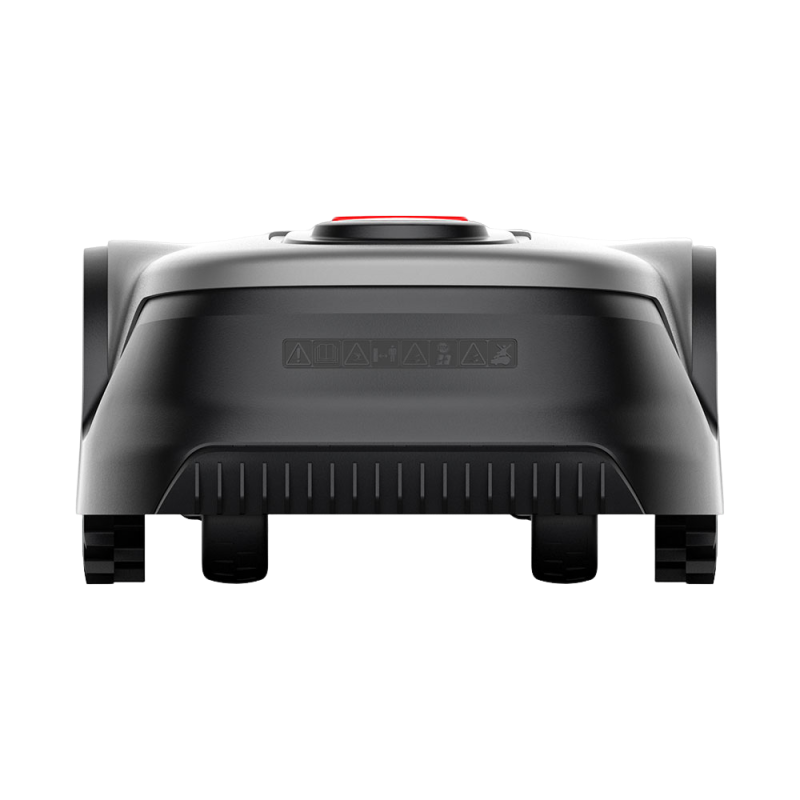
Designed for maintaining green spaces surrounding large logistics hubs, manufacturing plants, and palletizing yards.
Learn More
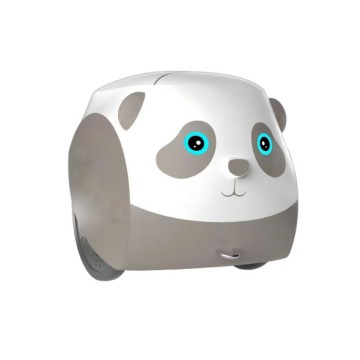
Equipped with 3D vision and environmental sensors to patrol and companion human operators in heavy-duty zones.
Learn MoreAn in-depth analysis of market trends, core technologies, and operational challenges in autonomous heavy material handling.
Palletizing is one of the most critical bottlenecks in modern supply chains. As global manufacturing volumes surge, the demand for moving, stacking, and organizing heavy goods on pallets has reached unprecedented levels. Historically, this task relied on manual labor or static, caged robotic arms. However, manual handling of heavy payloads (often exceeding 1,000 kg) poses severe occupational hazards, leading to high turnover rates and rising labor costs. On the other hand, traditional fixed automation lack flexibility, requiring massive capital expenditure and dedicated floor space.
Enter the Robot Forklift for Heavy-Duty Palletizing Operations. By blending the mobility of traditional forklifts with the intelligence of modern robotics, these autonomous guided vehicles (AGVs) and autonomous mobile robots (AMRs) have transformed industrial logistics. They navigate dynamically, handle payloads up to 5 tons, and integrate seamlessly with Warehouse Management Systems (WMS). This represents a paradigm shift from rigid automation to flexible, scalable, and intelligent material flow.
The global market for robot forklifts in heavy-duty operations is growing at a CAGR of over 15%. This growth is driven by three main factors: chronic labor shortages in warehousing, the imperative for zero-accident safety initiatives, and the need for 24/7 continuous production cycles to meet e-commerce demand.
Heavy-duty robot forklifts are not limited to simple A-to-B transport. Their advanced sensor suites and robust structural designs allow them to tackle highly complex, high-risk scenarios across multiple industries:
A. End-of-Line Pallet Stacking and Block Stacking
In manufacturing facilities, finished products must be palletized and stacked immediately to prevent assembly line stoppages. A heavy-duty robot forklift can automatically retrieve loaded pallets from conveyor drop-offs, transport them to the warehouse, and stack them up to four levels high. Using 3D LiDAR and laser sensors, the robot calculates the exact tilt and position of the bottom pallet to ensure perfect alignment, preventing catastrophic collapses of heavy loads.
B. Cross-Docking and Trailer Loading/Unloading
Cross-docking requires rapid sorting and dispatch of incoming goods directly to outgoing trailers. Robot forklifts equipped with advanced perception algorithms can autonomously enter trailers, navigate the tight confines, and place heavy pallets with millimeter-level precision. This eliminates the need for human operators to drive forklifts into dark, cramped container spaces, dramatically reducing workplace accidents.
C. Cold Storage and Hazardous Environment Handling
Operating in sub-zero temperatures or chemical-laden environments is highly detrimental to human health. Robot forklifts designed with specialized IP-rated enclosures can operate continuously in temperatures as low as -30°C. They manage the heavy-duty palletizing of frozen food, chemicals, and pharmaceutical raw materials without requiring shifts, breaks, or temperature-acclimation downtime.
Achieving safe, efficient autonomous operation under heavy loads requires a complex interplay of hardware and software. Modern robot forklifts utilize a multi-sensor fusion approach to perceive and interact with their environment:
Navigation (SLAM): Simultaneous Localization and Mapping (SLAM) is the brain of the robot. Natural feature SLAM uses LiDAR to map the natural contours of the warehouse (walls, pillars, racks), eliminating the need for expensive magnetic tape or reflectors. This allows rapid deployment and easy reconfiguration of routes when factory layouts change.
Perception and Safety: Safety is paramount when moving multi-ton loads. Robot forklifts are equipped with safety LiDARs that create 360-degree detection zones. If a human or obstacle enters the warning zone, the forklift slows down; if they enter the critical stop zone, the vehicle halts immediately. 3D cameras mounted on the forks detect pallet pocket openings, ensuring the forks insert cleanly without damaging the load or the pallet structure.
Load Sensing and Stability Control: Moving heavy loads changes the vehicle's center of gravity, especially during cornering or high lifting. Advanced onboard controllers dynamically monitor load weight, lift height, and mast tilt. The system automatically restricts travel speed and acceleration curves based on these real-time variables to ensure absolute stability and prevent tipping.
Our heavy-duty autonomous forklifts comply with international safety standards including ISO 3691-4, EN 1525, and ANSI/ITSDF B56.5. This ensures that they can safely operate alongside human workers and manual material handling equipment in shared workspaces.
Investing in a robot forklift fleet for heavy-duty palletizing operations offers a highly compelling Return on Investment (ROI). While the initial capital expenditure (CAPEX) is higher than purchasing manual forklifts, the operational expenditure (OPEX) savings are substantial. Typically, enterprises achieve full payback within 18 to 24 months, depending on the number of shifts operated daily.
Key areas of cost reduction include:
Labor Savings: A single robot forklift can cover multiple shifts, reducing reliance on overtime pay, recruitment costs, and training expenses for certified forklift operators.
Reduced Product and Equipment Damage: Human-driven forklifts are responsible for significant damage to warehouse racks, pallets, and finished goods due to collisions. The millimeter-level precision of autonomous navigation virtually eliminates these costs.
Optimized Space Utilization: Robot forklifts can operate in narrower aisles and stack goods higher and more consistently than manual operators, increasing the storage density of existing warehouse footprints.
As we look to the future, several technological advancements will further enhance the capabilities of robot forklifts in heavy-duty operations. The rollout of private 5G networks in industrial facilities provides ultra-low latency communication, enabling real-time fleet coordination and remote teleoperation for edge cases. Furthermore, Artificial Intelligence and Machine Learning are being applied to predictive maintenance. By analyzing sensor data from hydraulic pumps, drive motors, and battery health, the system can predict component failures before they occur, reducing unplanned downtime to near zero.
Additionally, the integration of collaborative robots (cobots) with mobile bases will allow robot forklifts to perform mixed-palletizing operations, where the robot can pick individual cases of different products and build a stable, mixed pallet autonomously. This will unlock new levels of efficiency in retail and e-commerce distribution centers.
A Comprehensive High-Tech Enterprise Integrating R&D, Production, and Export of Intelligent Robots.
Located at Yineng Science and Technology Park, No. 69 Weixin Road, Suzhou City, Jiangsu Province, we focus on providing efficient, intelligent and reliable robot products and one-stop solutions for global customers. Our products are exported to many core markets such as Europe, America, Southeast Asia and the Middle East. With excellent product quality and perfect full-process services, we have won wide recognition and long-term trust from global partners.
Learn More About Our FacilityEnsuring Excellence in Every Stage of Your Automation Journey

Our production base is equipped with high-precision CNC machining centers, AI algorithm debugging workstations, and environmental simulation test chambers, dedicated to the manufacturing of smart robots (including cleaning, mowing, and delivery models). The automated assembly lines ensure consistent product quality, while the R&D testing equipment verifies navigation accuracy, battery life, and environmental adaptability for each robot model.

Our facility has obtained ISO 9001 quality management system certification, CE, and FCC certifications for global market compliance. We also hold intellectual property patents for core technologies of smart robots, and our production processes strictly adhere to IEC standards, ensuring that every robot meets international safety and performance requirements.

We provide a full-cycle service system for smart robots, including pre-sales customization, on-site installation, and after-sales technical support. Our team offers remote debugging, firmware upgrades, and 24/7 emergency response to ensure stable operation. For bulk orders, we also provide tailored training programs for your technical and operational teams.
AGV: Unmanned and automated material transfer, covering multiple fields such as industrial production, warehousing logistics, and commercial services
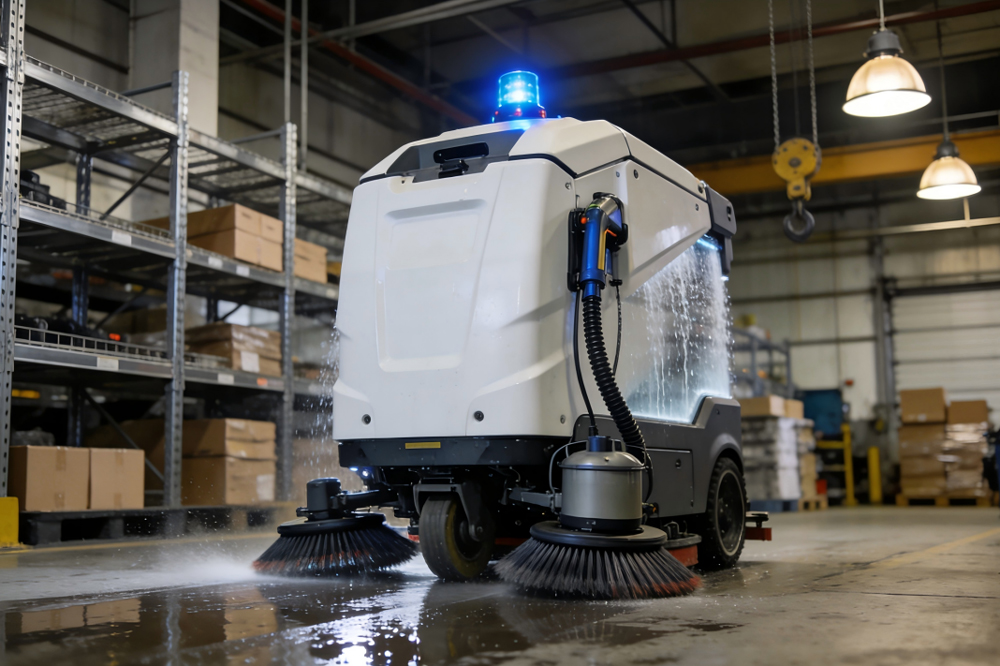
In the field of industrial manufacturing, intelligent robots are the core equipment for production automation. AGVs and collaborative robots boost the efficient operation of production and logistics. Large intelligent cleaning robots can independently finish cleaning work across the whole factory including workshops and warehouse areas, featuring unmanned operation and high adaptability to industrial scenarios. They cut costs, enhance efficiency, ensure the production environment, and fully drive the intelligent upgrading of factories.
Explore Industrial Applications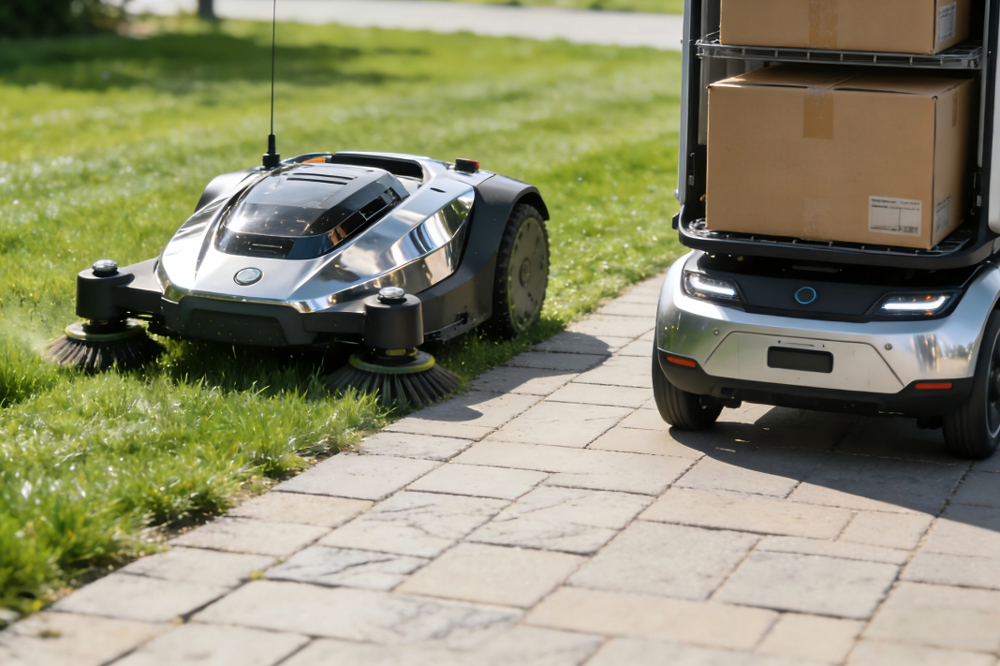
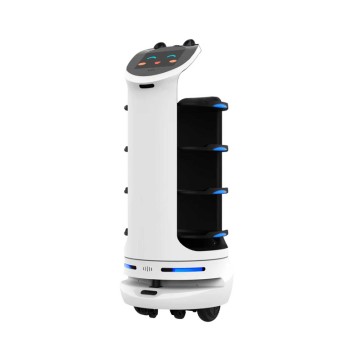
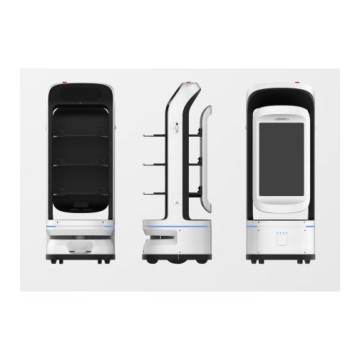
Autonomous delivery and companion robots for commercial facilities.
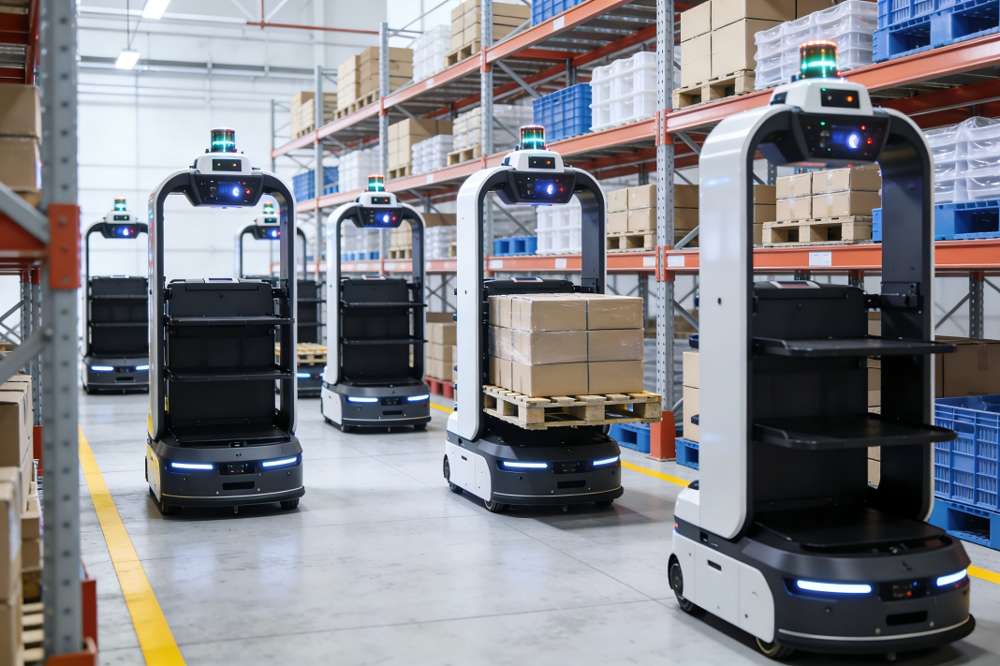
Heavy-duty AGVs and robot forklifts for palletizing and transport.
For inquiries about our palletizing robot forklifts or price lists, please leave your message and we will be in touch within 24 hours.
Stay updated with the latest trends and technological breakthroughs in autonomous industrial robotics.
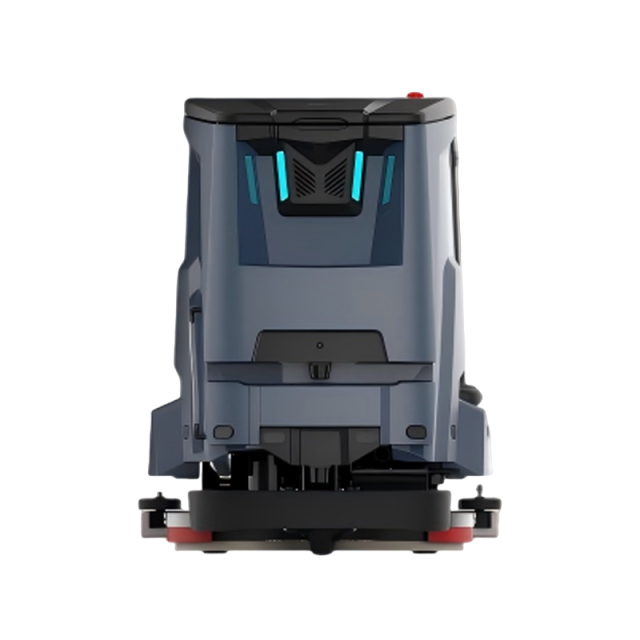
As labor costs rise and efficiency demands increase, commercial cleaning robots are shifting from basic automated sweeps to deep industrial capabilities...
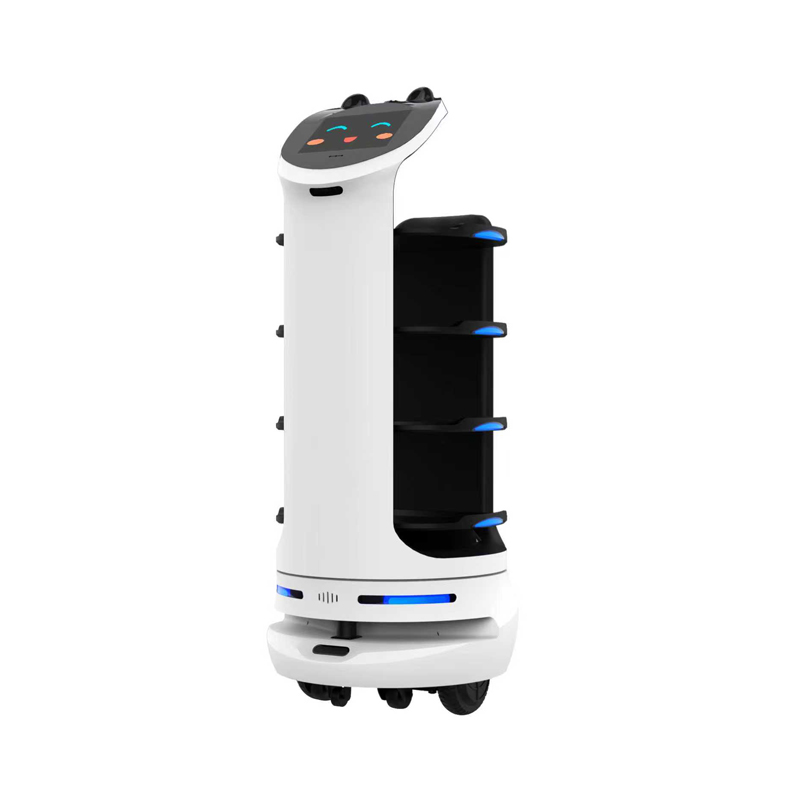
As the global hospitality industry continues its digital transformation, guest service delivery robots are redefining the service standards for modern hotels...

The body of a robotic vacuum cleaner is a wireless device, mainly disc-shaped. It operates on autonomous navigation systems to clean complex layouts...
From heavy industrial operations to smart commercial and domestic companion services.