
- Home
- About Us
- Products
- Application
- FAQ
- News
- Contact Us
inquiry
Leave Your Message
Explore our primary robotic lineup designed to optimize efficiency, security, and cleanliness within high-tech industrial ecosystems.
High-precision indoor cleaning robot engineered to maintain dust-free manufacturing floors and cleanrooms.
View Details
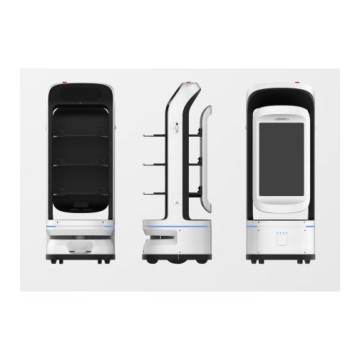
Smart material handling robot optimized for secure, ESD-safe transport of sensitive wafer pods and electronics.
View Details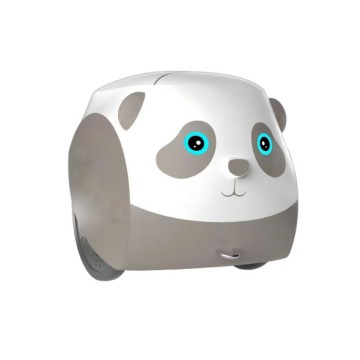
Autonomous outdoor turf management system featuring RTK navigation and micro-vibration mitigation.
View Details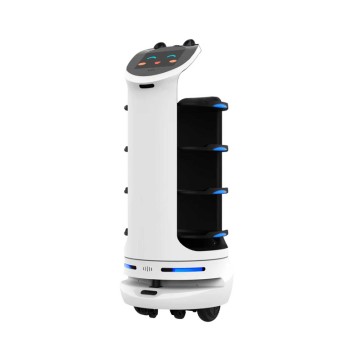
Versatile bionic assistant designed for control room operations, monitoring, and interactive facility support.
View DetailsModern semiconductor fabrication facilities (fabs) and precision electronics manufacturing plants represent the pinnacle of human engineering. Inside these facilities, machines manipulate matter at the atomic level, producing microchips, advanced sensors, and high-frequency communication modules. To maintain the integrity of these delicate processes, factories operate under strict ISO Class 1 to Class 5 cleanroom standards. However, the external environment of a precision manufacturing facility directly influences its internal operations.
Traditional outdoor maintenance—specifically lawn care—poses unexpected, severe risks to cleanroom integrity. Conventional gas-powered lawn mowers generate substantial airborne particulate matter, kick up dust clouds, emit volatile organic compounds (VOCs), and produce low-frequency ground vibrations. For a standard business park, this is negligible. For a semiconductor fab housing multi-million dollar photolithography equipment, it can lead to catastrophic yield loss.
This is where specialized Robotic Lawn Mowers for Precision Electronics Manufacturing emerge as an essential industrial tool. Engineered with electric drive systems, high-precision RTK-GNSS (Real-Time Kinematic Global Navigation Satellite System) navigation, and lightweight composite frames, these robots manage campus greenery without threatening the sensitive operations inside. They represent a fundamental shift towards holistic, clean-tech facility management.
Particulates: Dried grass blades and dust clog HVAC intake filters, shortening filter lifespans and increasing the risk of cleanroom bypass leaks.
Vibrations: Gas engines generate structural waves that can disrupt sub-nanometer lithography processes, causing silicon wafer alignment errors.
EMI: Unshielded electrical equipment interferes with ultra-sensitive testing apparatus and wireless factory networks.
Photolithography and metrology equipment used in semiconductor manufacturing are highly sensitive to ground-borne vibrations. Vibrations can cause misalignment during the exposure phase, resulting in defective circuits. While fabs are built on massive vibration-isolated concrete slabs, heavy machinery operating nearby can still transmit micro-vibrations through the soil.
Industrial robotic lawn mowers solve this issue through their lightweight design and electric propulsion. Unlike 1.5-ton commercial diesel tractors, a robotic mower typically weighs under 50 kg. The use of brushless DC motors and precision-balanced cutting discs ensures that the kinetic energy transferred to the ground is virtually zero. This allows continuous turf maintenance directly adjacent to fab walls without compromising nanometer-scale manufacturing tolerances.
Cleanrooms rely on massive HVAC systems equipped with HEPA and ULPA filters to draw in outside air and purify it. Traditional rotary mowers cut grass infrequently, resulting in long clippings that dry out and break down into fine dust. When wind or standard mowers disturb this debris, it becomes airborne and drifts toward HVAC intakes, rapidly clogging expensive filtration systems.
Robotic mowers operate on a continuous, micro-mulching cycle. By cutting only a few millimeters of grass daily, the clippings are tiny and fall directly into the soil root zone, where they decompose rapidly. This prevents the formation of dry thatch and eliminates dust clouds, significantly reducing the particulate load on the facility’s external air intake systems and extending the operational life of cleanroom filters.
Precision electronics manufacturing environments must maintain strict control over electromagnetic interference (EMI) and electrostatic discharge (ESD). Our industrial robotic lawn mowers feature extensive electromagnetic shielding (EMC) compliance to ensure they do not emit frequencies that could disrupt sensitive wireless test benches or internal communication networks (such as industrial private 5G or Wi-Fi 6). Additionally, anti-static composite body panels prevent static charge buildup as the mower moves through dry grass.
Our product lines cover multiple application scenarios including commercial, industrial, and household use, delivering intelligent automation across all sectors:
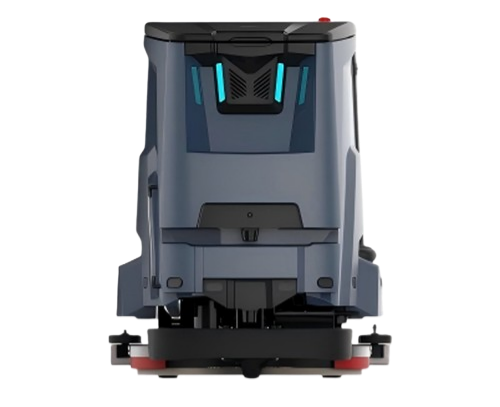
Specifically designed for large-area hard floors in industrial and commercial environments. Equipped with advanced LiDAR-based SLAM navigation, it operates autonomously to maintain spotless, dust-free surfaces. Featuring intelligent obstacle avoidance, auto-docking for charging, and automated water refilling, it minimizes manual intervention and ensures a clean, safe workspace.
In a modern precision electronics factory, automation does not stop at the physical walls of the cleanroom. Industry 4.0 demands the integration of all assets into a unified Industrial Internet of Things (IIoT) ecosystem. Robotic lawn mowers designed for these environments are equipped with advanced telemetry and communication protocols, allowing them to interface directly with the facility's Central Management System (CMS).
Through secure API integrations, facility managers can monitor the real-time position, battery status, and cutting efficiency of the robotic fleet. The mowers can receive automated commands to modify their schedules based on factory operations. For instance, during the delivery of highly sensitive raw materials (like liquid nitrogen or chemical reagents) or during critical external calibration of optical sensors, the mowers can be commanded to return to their charging stations to ensure zero external movement on site.
Furthermore, these robots can double as mobile security nodes. Equipped with thermal cameras and environmental sensors, they can patrol the perimeter of the facility during their mowing runs, detecting anomalies such as fence breaches, temperature spikes, or gas leaks along the facility's perimeter. This multi-functional capability transforms a simple groundskeeping tool into an active participant in the facility's safety and security network.
We deliver comprehensive support, high-end manufacturing capabilities, and global compliance for all intelligent robotic deployments.

Our production base is equipped with high-precision CNC machining centers, AI algorithm debugging workstations, and environmental simulation test chambers, dedicated to the manufacturing of smart robots (including cleaning, mowing, and delivery models). The automated assembly lines ensure consistent product quality, while the R&D testing equipment verifies navigation accuracy, battery life, and environmental adaptability for each robot model.

Our facility has obtained ISO 9001 quality management system certification, CE, and FCC certifications for global market compliance. We also hold intellectual property patents for core technologies of smart robots, and our production processes strictly adhere to IEC standards, ensuring that every robot meets international safety and performance requirements.

We provide a full-cycle service system for smart robots, including pre-sales customization, on-site installation, and after-sales technical support. Our team offers remote debugging, firmware upgrades, and 24/7 emergency response to ensure stable operation. For bulk orders, we also provide tailored training programs for your technical and operational teams.
Located at Yineng Science and Technology Park, No. 69 Weixin Road, Suzhou City, Jiangsu Province, we are a comprehensive high-tech enterprise integrating R&D, production, and foreign trade export of intelligent robots. Deeply engaged in the field of intelligent robots, we focus on providing efficient, intelligent, and reliable robot products and one-stop solutions for global customers.
Our products are exported to many core markets such as Europe, America, Southeast Asia, and the Middle East. With excellent product quality and perfect full-process services, we have won wide recognition and long-term trust from global partners.
Learn More About Our FacilityAGV: Unmanned and automated material transfer, covering multiple fields such as industrial production, warehousing logistics, and commercial services.
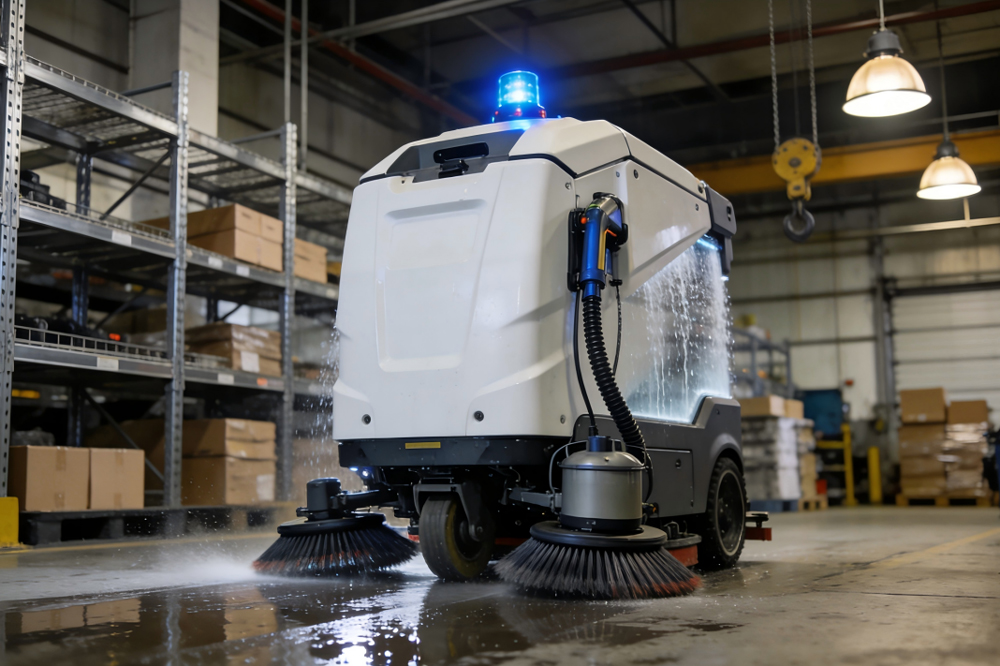
In the field of industrial manufacturing, intelligent robots are the core equipment for production automation. AGVs and collaborative robots boost the efficient operation of production and logistics.
Read Application Study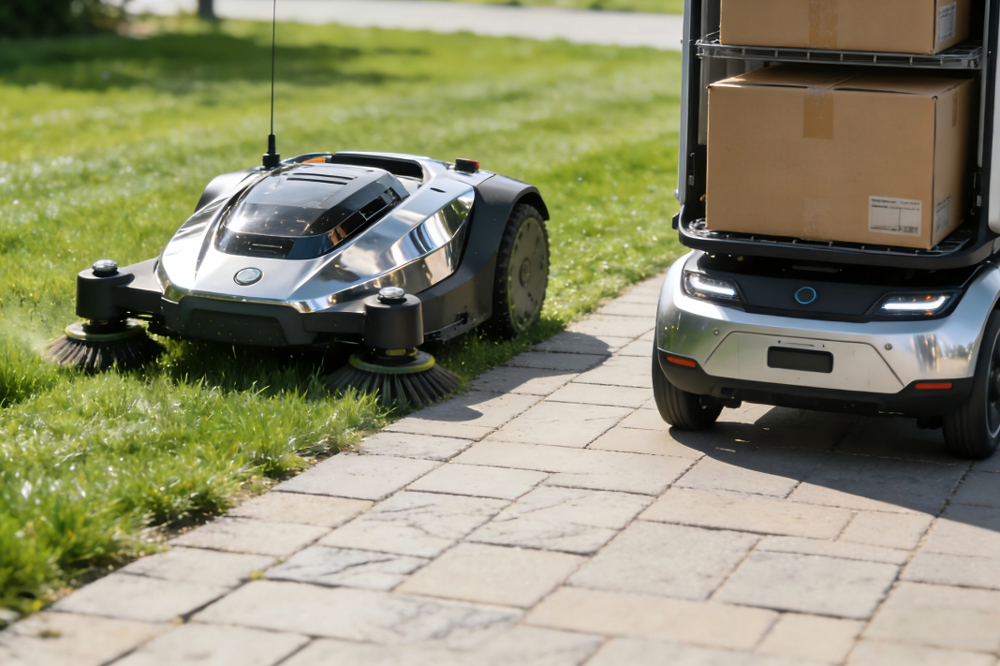
Providing seamless, interactive assistance and delivery solutions within corporate office buildings, hotels, and public service centers to streamline customer experiences.
Read Application Study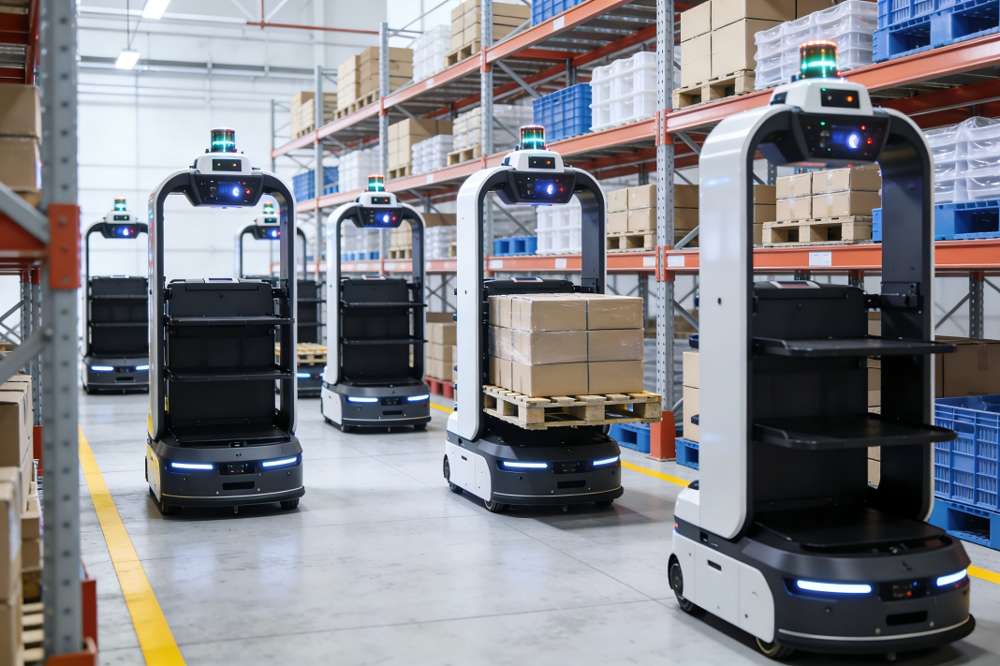
Automated forklifts and sorting robots optimize material flow, inventory management, and cross-docking operations in heavy-duty industrial warehouses.
Read Application StudyInvesting in autonomous outdoor maintenance equipment yields tangible financial and environmental returns. For precision electronics manufacturers, the return on investment (ROI) is calculated not just in labor savings, but in risk mitigation and yield protection. A single dust-contamination event or vibration-induced wafer defect can cost a facility hundreds of thousands of dollars in lost product and cleanroom downtime. By eliminating these risks at the source, robotic mowers act as a proactive insurance policy for the manufacturing process.
From an operational standpoint, electric robotic mowers dramatically reduce energy costs compared to fossil-fuel-powered machinery. They operate on highly efficient lithium-ion battery packs, charging autonomously during off-peak hours. The maintenance costs are minimal, with no engine oil, spark plugs, or complex transmission systems to service. Over a typical five-year operational lifecycle, an automated mowing fleet can reduce landscaping costs by up to 60% compared to contracted manual services.
Furthermore, major global electronics manufacturers are under strict corporate mandates to reduce their carbon footprint and achieve net-zero emissions. Replacing fossil-fuel-powered landscaping equipment with zero-emission robotic mowers directly supports these sustainability goals. It enhances the facility's environmental profile, contributing to LEED certifications and aligning the physical campus with the clean-energy technology produced inside the fab.
Have questions about integrating smart robotics into your precision facility? Leave us a message and we will respond within 24 hours.
Stay updated with the latest technological advancements, application studies, and trends in industrial automation.
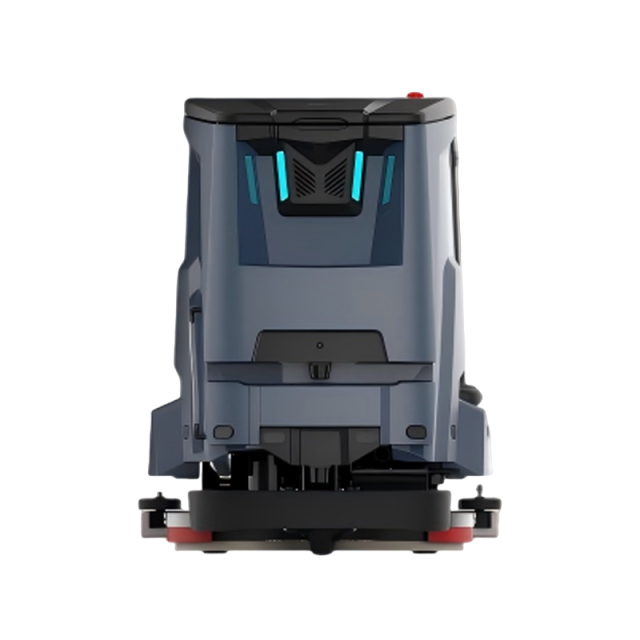
As labor costs rise and efficiency demands increase, commercial cleaning robots are shifting from basic automation to fully integrated smart systems...
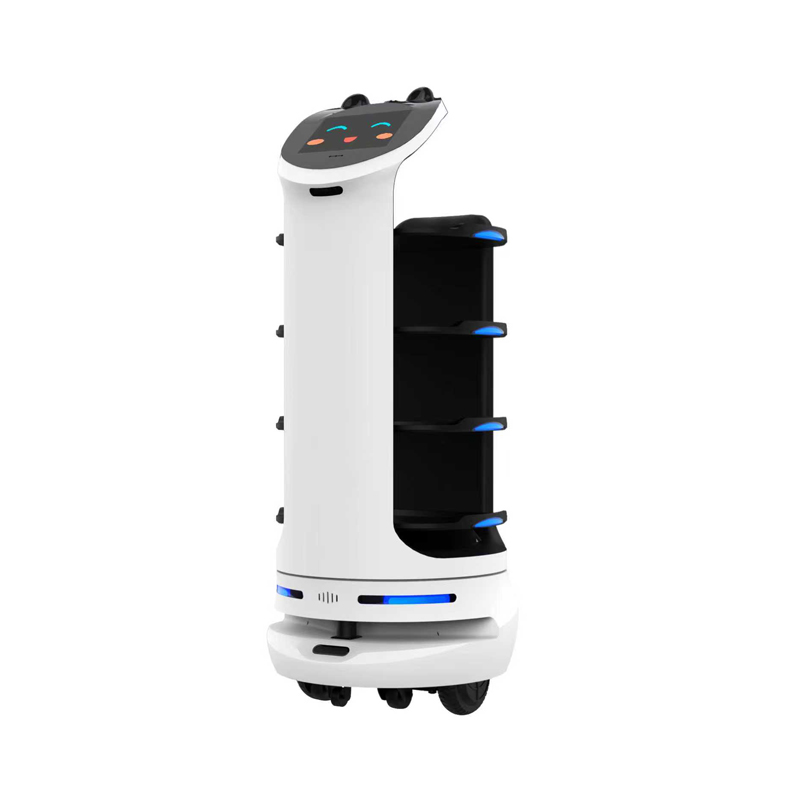
As the global hospitality and high-security facility sector continues its digital transformation, automated delivery systems are becoming critical...

The body of a robotic vacuum cleaner is a wireless device, mainly disc-shaped. It operates on autonomous navigation systems to clean complex layouts...
Explore our complete portfolio, engineered for commercial, industrial, and specialized facility applications.
Advanced factory-direct service robot designed for versatile commercial and industrial applications.
Learn More
Smart parenting partner designed to assist with early education and interactive home growth support.
Learn More
Cute, mobile, and highly versatile AI-powered assistant designed for interactive environments.
Learn More
Innovative bionic design equipped with interactive display panels and advertising capabilities.
Learn More
Flexible mobile robotic solution optimized for light indoor cargo transport and interactive support.
Learn More
Featuring advanced dynamic self-balancing technology to traverse diverse indoor terrains smoothly.
Learn More
Designed to assist with personal mobility, communication, and basic care monitoring.
Learn More
Premium factory-direct commercial assistant with advanced navigation and interactive capabilities.
Learn More