
- Home
- About Us
- Products
- Application
- FAQ
- News
- Contact Us
inquiry
Leave Your Message
Next-Generation Autonomous Material Handling and Intelligent Warehouse Automation Solutions
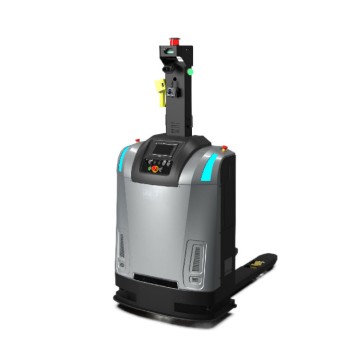 Explore Our Autonomous Heavy-Duty Forklift Series
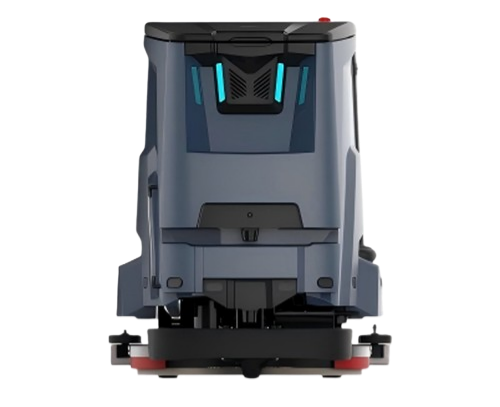
Cleaning Robot is an intelligent robot suitable for indoor scenarios with large-area hard floors.
View Details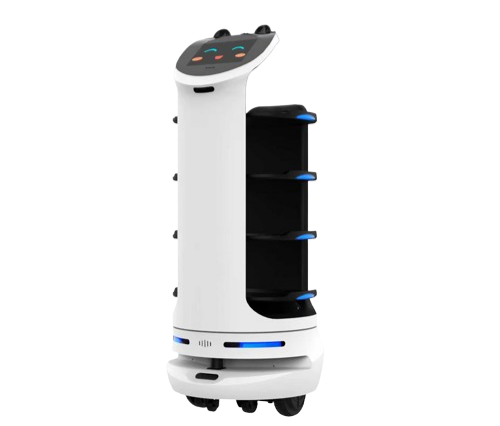
The drive wheels are equipped with an independent suspension structure, which greatly enhances the robot's stability during movement.
View Details
This robot adheres to the core design philosophy of Growth Companion & Enlightenment, specially developed for children aged 3 to 8.
View Details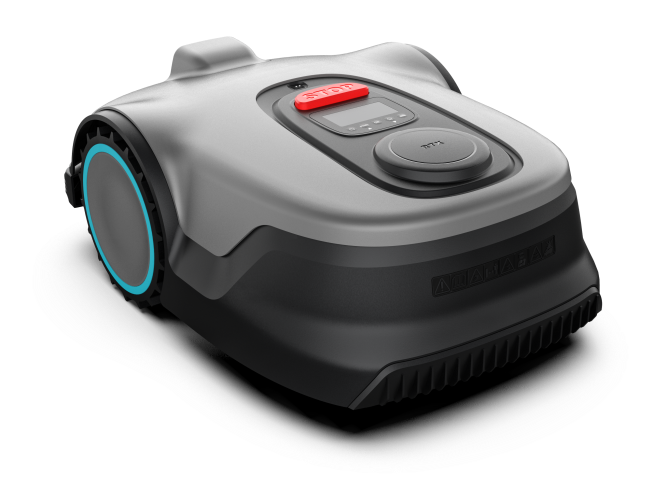
This intelligent robotic lawn mower is designed for efficient, autonomous lawn maintenance.
View DetailsThe global logistics and manufacturing sectors are undergoing an unprecedented paradigm shift. As industries scale to match the demands of modern commerce, the need for safe, efficient, and highly precise material handling has never been more critical. At the heart of this transformation is the deployment of unmanned forklifts specifically optimized for heavy-duty palletizing operations. These sophisticated autonomous vehicles represent a fusion of advanced robotics, artificial intelligence (AI), and robust mechanical engineering, designed to replace manual operations in the most demanding industrial environments.
Heavy-duty palletizing operations—involving payloads ranging from 1,000 kg to over 5,000 kg—are standard in sectors such as automotive manufacturing, metal production, building materials, chemical processing, and food & beverage warehousing. Traditionally, these processes relied heavily on manual forklift operators. However, manual handling of heavy payloads presents significant operational bottlenecks and safety hazards. High-risk environments, physical fatigue, and human error consistently lead to damaged goods, workplace injuries, and costly operational downtime.
Furthermore, global labor markets are experiencing chronic shortages of skilled forklift operators, driving up operational costs. In response, modern enterprises are turning to unmanned forklifts (often referred to as autonomous forklifts or forklift AGVs/AMRs) to secure 24/7 continuous operations, enforce strict safety standards, and optimize floor space utilization through precise, high-density stacking.
Industry Insight: Transitioning to unmanned forklifts for heavy-duty palletizing operations reduces material handling accidents by up to 90% while improving overall pallet throughput consistency by more than 35% in high-volume distribution centers.
To fully appreciate the impact of unmanned forklifts, it is essential to examine their integration across various complex industrial workflows:
In manufacturing plants, finished products emerge from production lines packaged and ready for transport. Unmanned forklifts interface seamlessly with palletizers and conveyors. The robot detects the completed pallet, picks it up with millimeter-level precision, and transports it directly to high-bay storage racks. Utilizing advanced visual SLAM (Simultaneous Localization and Mapping) and LiDAR technology, these vehicles navigate narrow aisles and lift heavy payloads to heights exceeding 10 meters, maximizing vertical warehouse space.
In busy logistics hubs, time-to-truck is a critical KPI. Unmanned forklifts receive real-time instructions from the Warehouse Management System (WMS). They autonomously locate, pick, and transport heavy pallets to designated outbound loading docks. The built-in AI systems dynamically recalculate paths to avoid pedestrian traffic and other automated guided vehicles (AGVs), ensuring a smooth, uninterrupted flow of goods.
Beyond finished goods, heavy-duty palletizing involves moving raw materials—such as steel coils, chemical drums, or bulk paper rolls. Unmanned forklifts are engineered with specialized attachments (e.g., roll clamps, multiple tines) to handle non-standard heavy pallets. They ensure that production lines are consistently supplied with materials, eliminating idle time and optimizing overall equipment effectiveness (OEE).
How do these massive machines operate safely and autonomously? The technology stack is highly sophisticated:
Looking ahead, several trends are set to redefine the landscape of unmanned forklifts in heavy-duty operations. The integration of 5G connectivity is enabling ultra-low latency remote monitoring and cloud-based fleet coordination, allowing operators to oversee multiple facilities from a single command center. Furthermore, green energy transition is driving the adoption of high-capacity lithium-ion batteries featuring rapid opportunity charging, ensuring minimal downtime. We are also witnessing a convergence of AGV and AMR technologies, giving rise to highly flexible vehicles that can switch between structured path-following and dynamic obstacle-bypass modes on the fly.

Our production base is equipped with high-precision CNC machining centers, AI algorithm debugging workstations, and environmental simulation test chambers. Automated assembly lines ensure consistent product quality, while R&D testing equipment verifies navigation accuracy, battery life, and environmental adaptability.

Our facility has obtained ISO 9001 quality management system certification, CE, and FCC certifications for global market compliance. We also hold intellectual property patents for core technologies of smart robots, and our production processes strictly adhere to IEC standards.

We provide a full-cycle service system for smart robots, including pre-sales customization, on-site installation, and after-sales technical support. Our team offers remote debugging, firmware upgrades, and 24/7 emergency response to ensure stable operation.
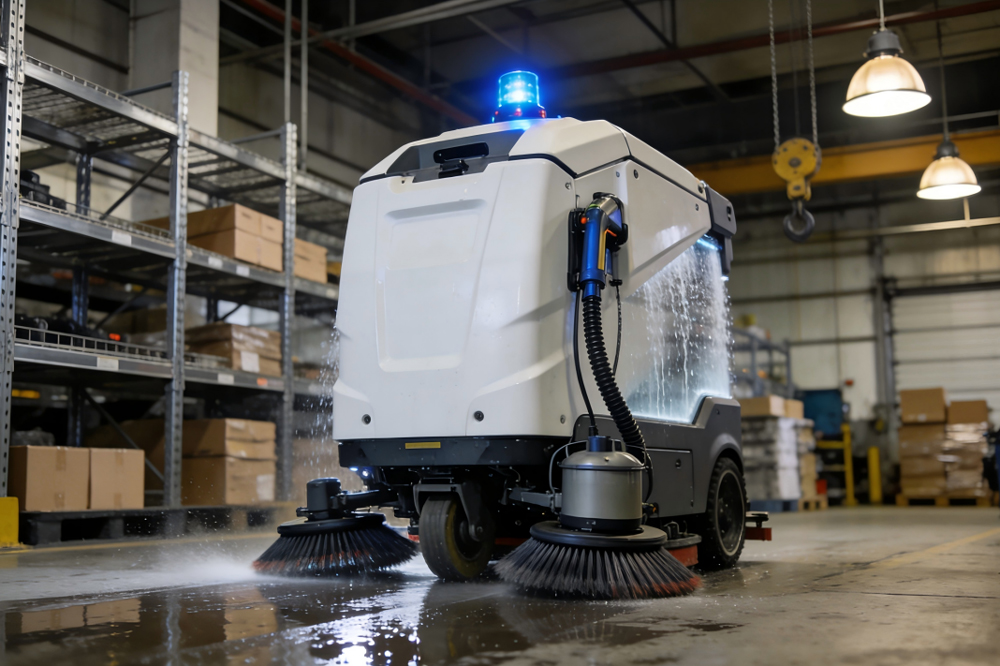
In the field of industrial manufacturing, intelligent robots are the core equipment for production automation. AGVs and collaborative robots boost the efficient operation of production and logistics. Large intelligent cleaning robots and heavy-duty forklifts can independently finish handling and cleaning work across the whole factory, featuring unmanned operation and high adaptability to industrial environments.
Explore Applications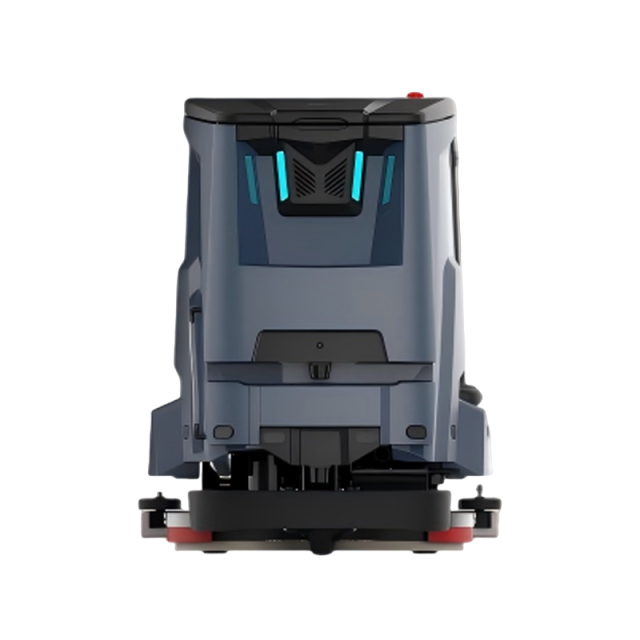
Intelligent cleaning robot suitable for indoor scenarios with large-area hard floors.
View More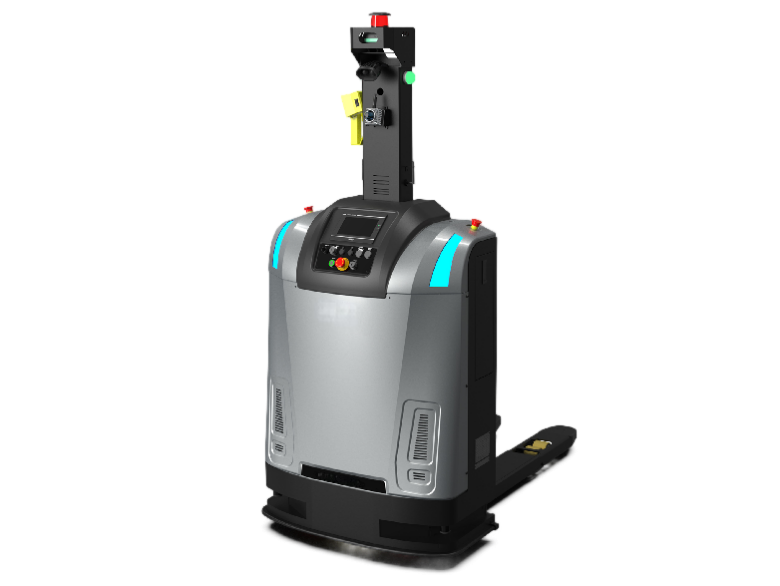
Next-generation autonomous material handling solution designed for heavy palletizing operations.
View More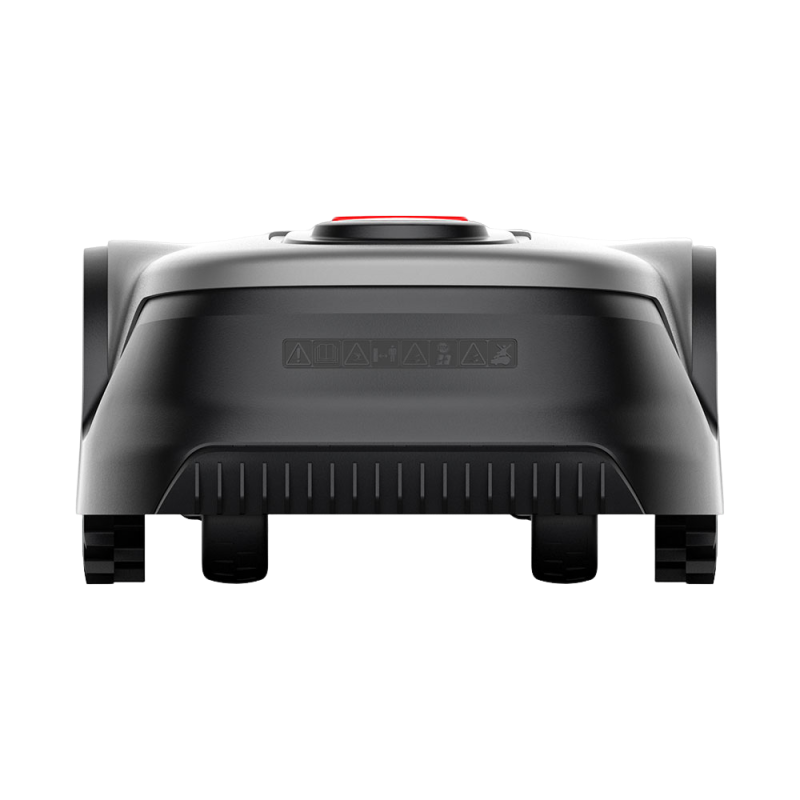
Intelligent robotic lawn mower designed for efficient, autonomous lawn maintenance.
View More
This robot adheres to the core design philosophy of Growth Companion & Enlightenment.
View More
Highly adaptive commercial floor cleaning system with automated water recycling.
View More
Equipped with independent suspension structure, enhancing stability during material delivery.
View More
Specially developed for interactive care, growth monitoring, and intelligent learning.
View More
Smart boundary-free navigation lawn mowers for commercial and residential estates.
View More
As labor costs rise and efficiency demands increase, commercial cleaning robots are shifting from manual configurations to fully autonomous systems.
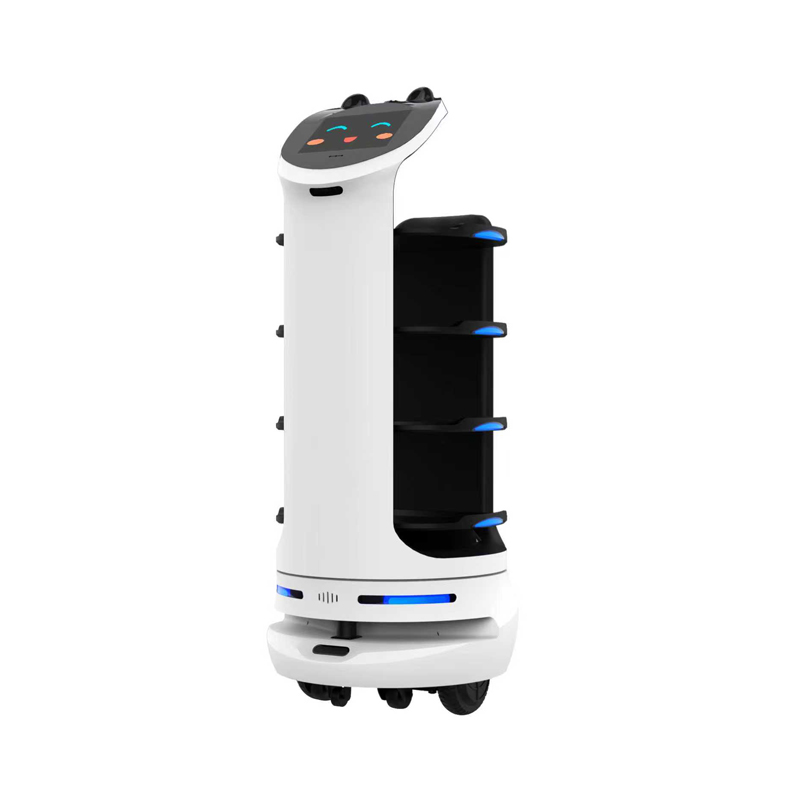
As the global hospitality industry continues its digital transformation, guest service delivery robots are optimizing checkout speeds and room services.

The body of a robotic vacuum cleaner is a wireless device, mainly disc-shaped. It operates on autonomous batteries and maps out cleaning zones.