- Home
- About Us
- Products
- Application
- FAQ
- News
- Contact Us
inquiry
Leave Your Message
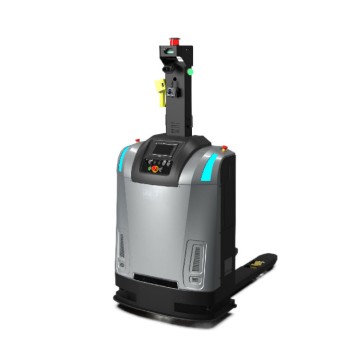
Advanced autonomous systems custom-engineered to maintain and clean complex automotive logistics routes.
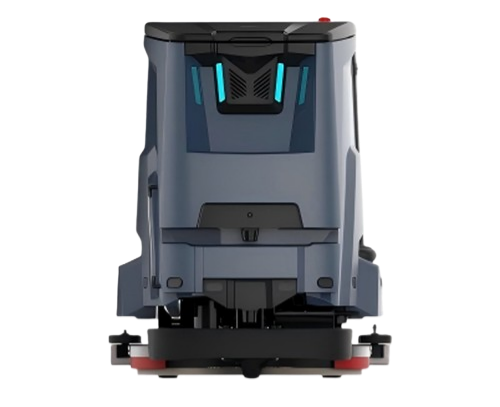
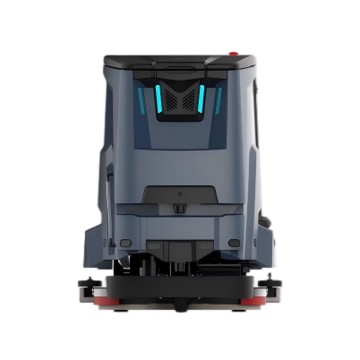
An intelligent robot engineered specifically for heavy-duty indoor scenarios featuring large-area hard floors and complex material flow pathways.
Equipped with independent suspension structures, optimizing stability across uneven flooring and high-traffic logistics corridors.

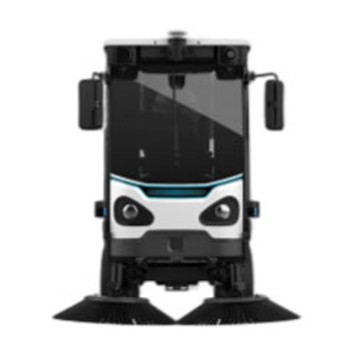
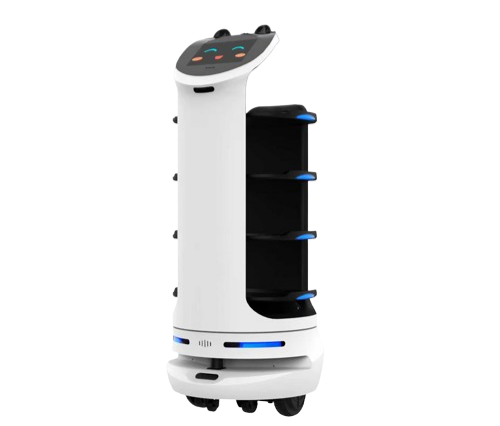
Providing intelligent indoor navigation, facility environmental monitoring, and interactive support for complex production floors.
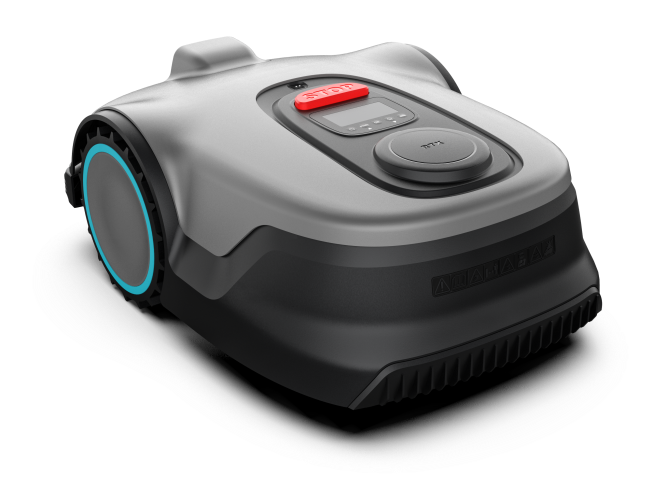
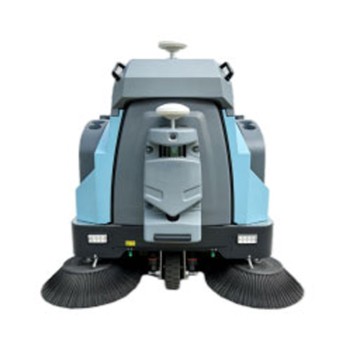
Designed for efficient, autonomous perimeter maintenance, keeping surrounding logistic yards and green spaces clean.
Modern automotive manufacturing operates on a razor-thin margin of error. As the industry transitions toward Industry 4.0, the concept of material flow—the systematic movement of components, assemblies, and raw materials through a facility—has become highly automated. Automated Guided Vehicles (AGVs), Autonomous Mobile Robots (AMRs), and high-speed overhead conveyors carry heavy engine blocks, sensitive electronic control units (ECUs), and delicate stamped panels across vast warehouse floors.
However, this intricate ballet of machinery is highly vulnerable to a silent disruptor: floor contamination. In an automotive parts warehouse, floors are subjected to continuous wear and tear. They accumulate metal shavings, oil droplets, tire dust from forklifts, packaging debris, and ambient grit. Without specialized, high-capacity warehouse cleaning machines, this debris compromises both the safety of the material flow systems and the quality of the automotive components themselves.
"Floor cleanliness is no longer just a janitorial concern; it is a foundational parameter of modern logistics uptime. A single metal chip can puncture an AGV tire or throw off a LIDAR sensor, halting an entire assembly line."
Unlike standard retail or commercial storage warehouses, automotive parts facilities handle heavy, oily, and abrasive materials. The cleaning challenges are unique and require robust, industrial-grade solutions:
The stamping shop is the starting point of the physical automotive assembly. Here, giant coils of steel and aluminum are cut and pressed into body panels. The environment is characterized by sharp metal scraps, heavy lubricating oils, and intense vibrations. A cleaning machine operating in this zone must feature high-durability cylindrical brushes capable of sweeping up solid scrap metal while simultaneously scrubbing away greasy residues. The integration of robust filtration systems ensures that fine metal dust is not exhausted back into the air.
Engine and transmission components have incredibly tight tolerances. Even microscopic dust particles can cause premature wear or failure if they enter a cylinder head or gearbox assembly. The warehouses storing these components must maintain near-cleanroom levels of hygiene. Here, autonomous scrubbing robots equipped with HEPA filtration and high-pressure squeegees are deployed to continuously clean floors, preventing any dust from becoming airborne and settling on exposed components.
In fully automated warehouses, AGVs navigate using a combination of LIDAR, SLAM (Simultaneous Localization and Mapping), and floor-embedded markers. If the floor is dusty or covered in debris, sensor accuracy degrades. Dust covers the lenses of low-mounted safety sensors, causing the vehicles to stop unexpectedly (phantom stops). By deploying scheduled autonomous cleaning robots along these transit paths, manufacturers ensure that the physical infrastructure remains optimized for robotic navigation.
The industrial cleaning sector is undergoing a massive technological shift, moving away from manually operated walk-behind scrubbers to fully autonomous, data-connected cleaning platforms.
Modern warehouses are highly dynamic environments. Pallets are constantly moved, robots cross paths, and workers walk through aisles. Yesterday's cleaning robots followed fixed magnetic strips or simple pre-programmed paths, making them inefficient in changing layouts. Today's systems utilize advanced AI SLAM, combining 3D LIDAR, RGB-D cameras, and ultrasonic sensors to map the warehouse in real-time. This allows the cleaning machine to navigate around temporary obstacles, optimizing its cleaning path dynamically without human intervention.
Water and chemical conservation are key priorities for global automotive OEMs aiming for carbon neutrality. Advanced cleaning machines now feature onboard water recycling systems that filter and reuse cleaning solutions multiple times before disposal. This not only reduces water consumption by up to 70% but also extends the robot's operational run-time, as it needs fewer stops to empty and refill its tanks.
Enterprise-level facilities run on Warehouse Management Systems (WMS). The latest cleaning robots are equipped with open APIs, allowing them to communicate directly with the WMS. For example, if a high-traffic aisle is scheduled for heavy material flow at 2:00 PM, the WMS can dispatch an autonomous scrubber to clean that specific aisle at 1:30 PM, ensuring optimal floor conditions just in time for the transport operation.
Investing in high-end autonomous cleaning machines yields measurable financial returns for automotive logistics operations:
Our comprehensive production facility and rigorous quality systems guarantee high-performance robotic solutions.

Our production base is equipped with high-precision CNC machining centers, AI algorithm debugging workstations, and environmental simulation test chambers, dedicated to the manufacturing of smart robots (including cleaning, mowing, and delivery models). The automated assembly lines ensure consistent product quality, while the R&D testing equipment verifies navigation accuracy, battery life, and environmental adaptability for each robot model.

Our facility has obtained ISO 9001 quality management system certification, CE, and FCC certifications for global market compliance. We also hold intellectual property patents for core technologies of smart robots, and our production processes strictly adhere to IEC standards, ensuring that every robot meets international safety and performance requirements.

We provide a full-cycle service system for smart robots, including pre-sales customization, on-site installation, and after-sales technical support. Our team offers remote debugging, firmware upgrades, and 24/7 emergency response to ensure stable operation. For bulk orders, we also provide tailored training programs for your technical and operational teams.
Unmanned and automated material transfer, covering multiple fields such as industrial production, warehousing logistics, and commercial services.
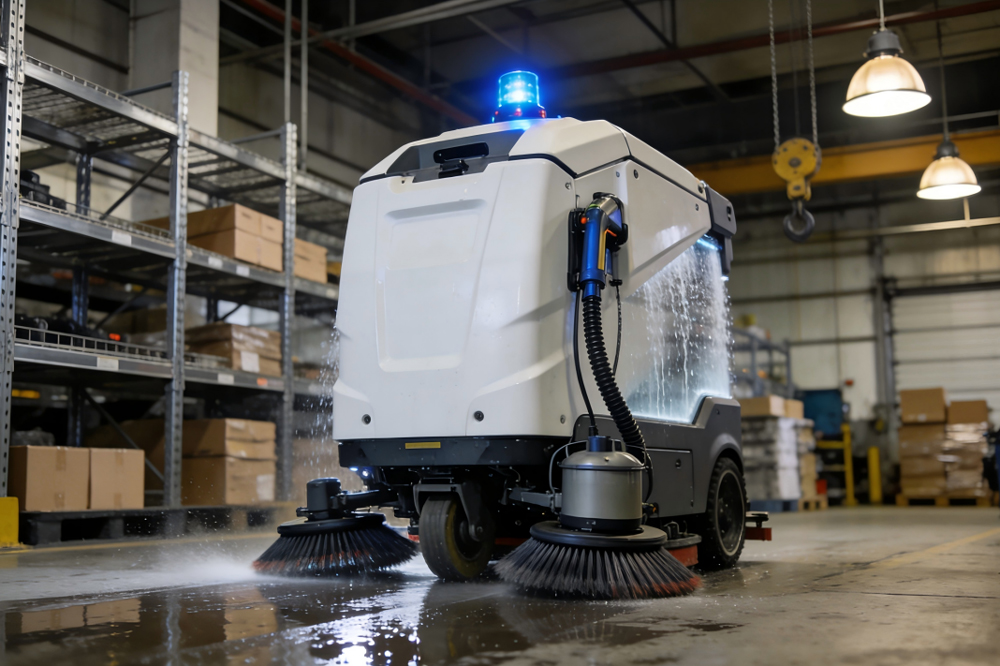
In the field of industrial manufacturing, intelligent robots are the core equipment for production automation. AGVs and collaborative robots boost the efficient operation of production and logistics. Large intelligent cleaning robots can independently finish cleaning work across the whole factory including workshops and warehouse areas, featuring unmanned operation and high adaptability to industrial scenarios. They cut costs, enhance efficiency, ensure the production environment, and fully drive the intelligent upgrading of factories.
Explore Industrial ApplicationsFor inquiries about our products or pricelist, please leave your details and we will be in touch within 24 hours.
Stay updated with the latest trends and advancements in smart robotic cleaning and warehouse automation.
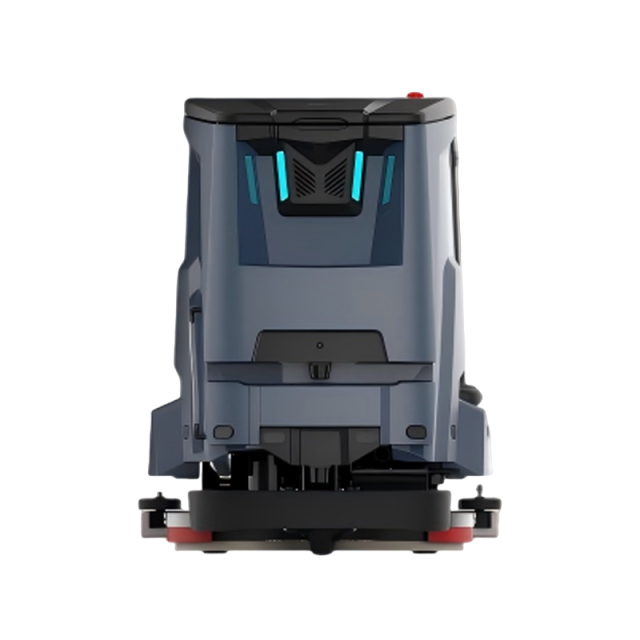
As labor costs rise and efficiency demands increase, commercial cleaning robots are shifting from basic automation to integrated AI navigation...
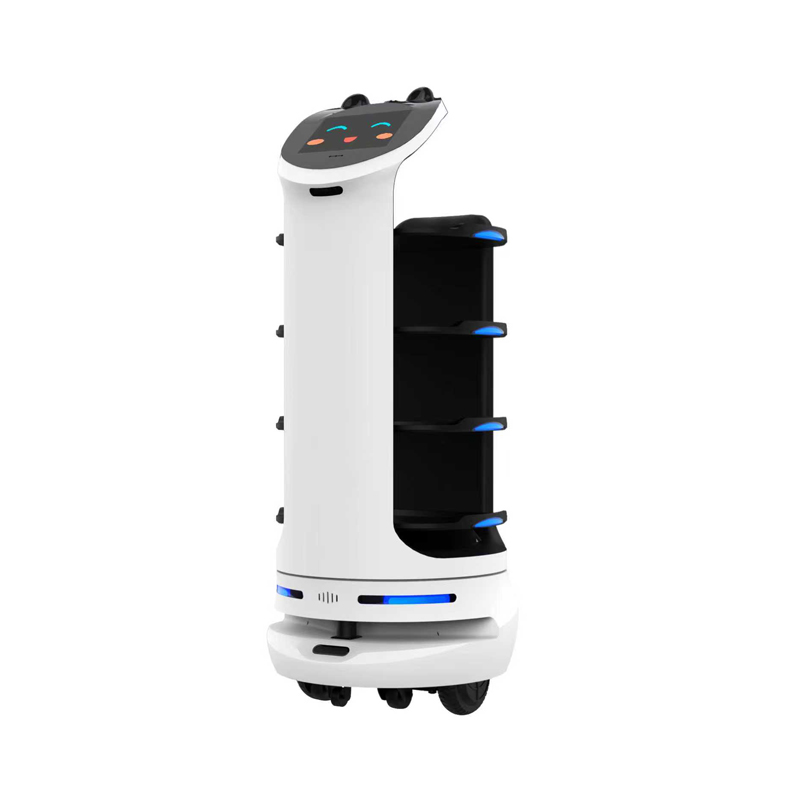
As the global hospitality industry continues its digital transformation, guest service delivery robots are optimizing front-desk and room operations...

The body of a robotic vacuum cleaner is a wireless device, mainly disc-shaped, operating autonomously on a variety of structured indoor floors...
Explore our complete range of autonomous heavy-duty forklifts, industrial sweepers, and smart service vehicles.