
- Home
- About Us
- Products
- Application
- FAQ
- News
- Contact Us
inquiry
Leave Your Message
Explore our purpose-built autonomous cleaning robots designed to maintain pristine, safe, and compliant environments inside high-throughput e-commerce fulfillment centers — operating 24/7 without interrupting your logistics workflows.
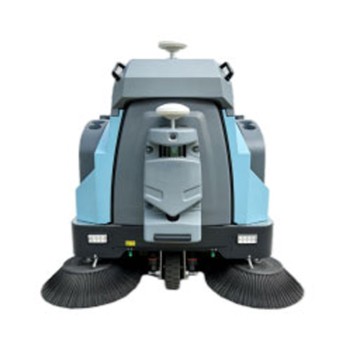
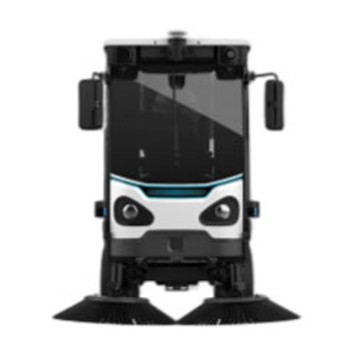
The explosive growth of global e-commerce has fundamentally transformed fulfillment center operations. With facilities running around the clock, covering hundreds of thousands of square feet, and processing millions of orders per month, traditional manual cleaning is no longer viable — economically or operationally.
Modern fulfillment centers operated by Amazon, JD.com, Alibaba, and regional e-commerce giants span 300,000–1,000,000+ sq ft. Aisles between racking systems, loading docks, packaging zones, and conveyor corridors accumulate dust, debris, and packaging residue at unprecedented rates. Manual cleaning crews struggle to maintain consistent hygiene standards across such vast, complex floor plans without disrupting 24/7 operations.
Labor accounts for 50–70% of fulfillment center operating costs. As minimum wages rise globally and skilled labor becomes scarcer, deploying autonomous warehouse cleaning machines directly reduces headcount requirements for non-value-added tasks. ROI analysis consistently shows payback periods of 12–24 months for robotic cleaning deployments in facilities processing over 50,000 orders per day.
OSHA, ISO 45001, and local workplace safety regulations mandate clean, debris-free floors in warehousing environments. Packaging tape, shrink wrap fragments, cardboard dust, and spilled goods create slip hazards and fire risks. Autonomous cleaning robots with real-time obstacle detection and systematic coverage ensure consistent compliance without human error.
Dust and particulate contamination in fulfillment environments can compromise product packaging, trigger quality complaints, and damage sensitive electronics or apparel. Scheduled robotic cleaning — particularly during off-peak hours — maintains the clean-room-like conditions increasingly demanded by premium brands and marketplace sellers storing inventory in 3PL facilities.
Key Statistic: Fulfillment centers deploying autonomous cleaning machines report an average 68% reduction in cleaning labor costs, 40% improvement in floor cleanliness consistency scores, and zero cleaning-related operational disruptions — compared to traditional manual cleaning schedules. (Industry survey, 2024)
The warehouse cleaning robot market is experiencing exponential growth, driven by e-commerce expansion, labor shortages, and AI technology breakthroughs. Understanding these trends helps fulfillment operators make strategic investment decisions.
The global commercial cleaning robot market was valued at USD 4.8 billion in 2023 and is projected to reach USD 18.6 billion by 2030, growing at a CAGR of 21.4%. E-commerce fulfillment centers represent the fastest-growing deployment segment, accounting for 34% of all new commercial cleaning robot installations in 2023.
Next-generation warehouse cleaning machines now incorporate deep learning algorithms that enable dynamic route optimization, predictive maintenance scheduling, and anomaly detection (identifying spills or hazardous debris in real time). Integration with Warehouse Management Systems (WMS) allows cleaning robots to automatically adjust schedules based on order volume and zone traffic patterns.
Enterprise fulfillment operators are moving beyond single-unit deployments to coordinated robot fleets. Cloud-based fleet management platforms provide centralized monitoring, task assignment, performance analytics, and predictive maintenance alerts across dozens of cleaning robots operating simultaneously across multi-site fulfillment networks.
Electric-powered autonomous cleaning machines eliminate diesel emissions from ride-on scrubbers, reduce water consumption by 60–80% through precision dosing systems, and minimize chemical usage via UV-C sterilization and dry-cleaning technologies. These metrics directly support corporate ESG reporting and green warehouse certifications (LEED, BREEAM).
Modern fulfillment cleaning robots are designed for safe co-existence with human pickers, forklift operators, and AGVs. Advanced LiDAR, 3D vision, and ultrasonic sensors enable dynamic obstacle avoidance at speeds up to 1.5 m/s. Collaborative cleaning models allow robots to handle systematic floor coverage while human staff address spot-cleaning and specialized tasks.
Chinese manufacturers have emerged as the dominant global suppliers of warehouse cleaning robots, combining advanced AI capabilities with competitive pricing. Facilities in Suzhou, Shenzhen, and Hangzhou are producing machines that meet CE, FCC, and ISO standards while offering 30–50% cost advantages over European and North American competitors — accelerating global adoption.
E-commerce fulfillment centers are not monolithic spaces — they contain highly varied zones, each with distinct cleaning requirements. Here is how autonomous warehouse cleaning machines are deployed across the full facility footprint.
Narrow-aisle cleaning between high-bay racking systems (often 8–15 meters tall) demands machines with precise width control and dust suppression. Autonomous scrubber-sweepers with articulated brush systems clean between racking rows during off-peak periods, removing cardboard dust, shrink wrap fragments, and label debris that accumulate during replenishment cycles.
Loading dock areas experience the highest debris accumulation — pallet splinters, strapping materials, packaging waste, and moisture tracked in from delivery vehicles. Heavy-duty cleaning robots with high-capacity debris collection (50–120L tanks) and wet-scrubbing capability handle these high-traffic zones, maintaining clean dock plates and reducing forklift slip incidents.
Order picking and packing stations generate continuous low-level debris — tape strips, bubble wrap fragments, cardboard offcuts, and product packaging. Compact cleaning robots patrol these zones during active shifts, operating alongside human workers with advanced people-detection to maintain continuous cleanliness without workflow interruption.
Returns processing (reverse logistics) zones handle damaged goods, opened packaging, and contaminated products. Cleaning robots equipped with HEPA filtration and antimicrobial scrubbing solutions maintain hygienic conditions in these high-contamination areas, critical for facilities handling food, cosmetics, or pharmaceutical returns requiring strict hygiene protocols.
Outbound staging lanes and dispatch areas require rapid cleaning turnaround between truck loading cycles. Autonomous cleaning robots pre-programmed with zone-specific cleaning sequences can complete a full staging lane clean in 8–12 minutes, ensuring each dispatch wave operates from a clean, organized floor environment.
During facility downtime (typically 2–6 AM), fleets of autonomous cleaning machines execute comprehensive facility-wide deep-clean programs — scrubbing, drying, and sanitizing the entire floor area. Integrated with facility access control systems, robots can operate independently across all zones, returning to charging stations before morning shift start with complete cleaning reports generated automatically.
The company is deeply engaged in the robot field, with product lines covering multiple application scenarios including commercial, industrial and household use:
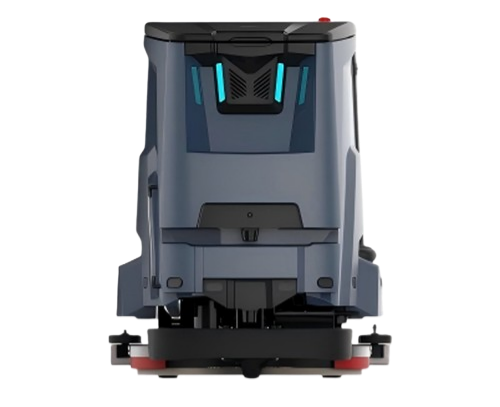
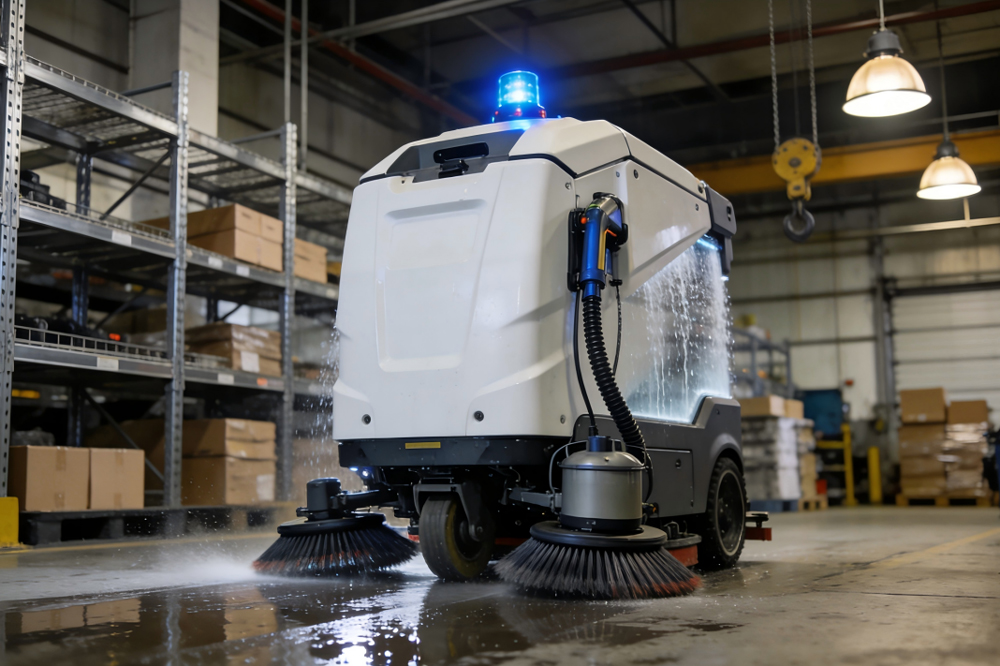
Cleaning Robot is an intelligent robot suitable for indoor scenarios with large-area hard floors.
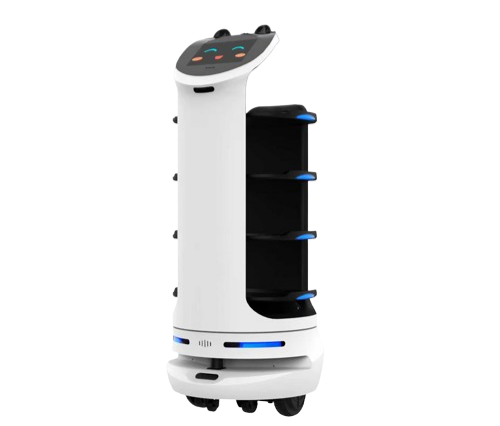
The drive wheels are equipped with an independent suspension structure, which greatly enhances the robot's stability during movement.

This robot adheres to the core design philosophy of Growth Companion & Enlightenment, specially developed for children aged 3 to 8.
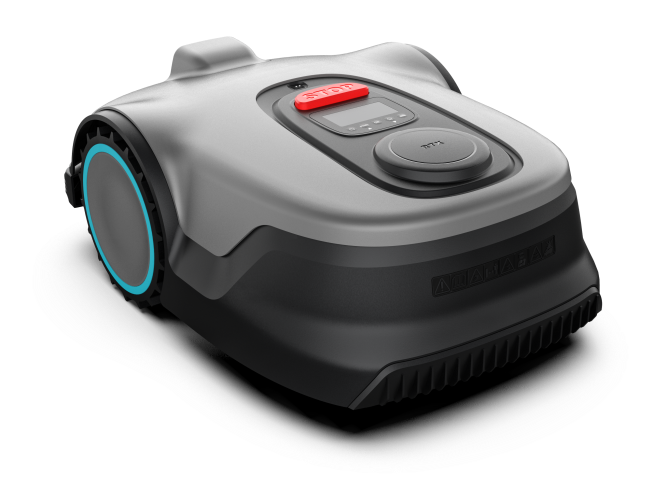
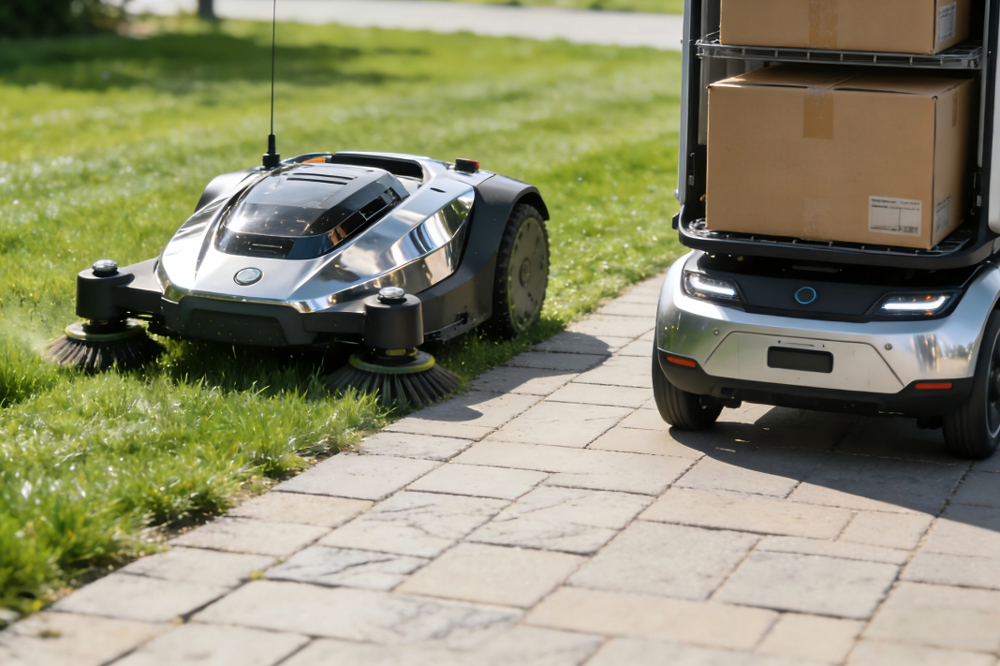
This intelligent robotic lawn mower is designed for efficient, autonomous lawn maintenance.
Our most-deployed autonomous cleaning and logistics robot solutions trusted by fulfillment centers across Europe, America, Southeast Asia and the Middle East.
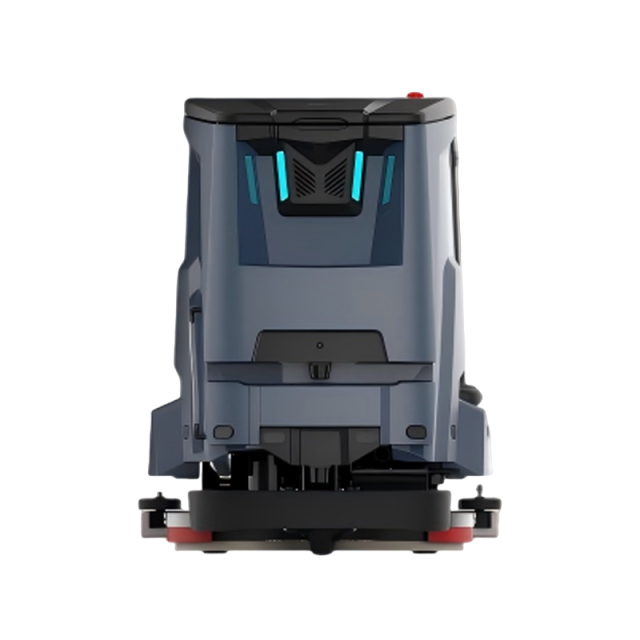
Cleaning Robot is an intelligent robot suitable for indoor scenarios with large-area hard floor...
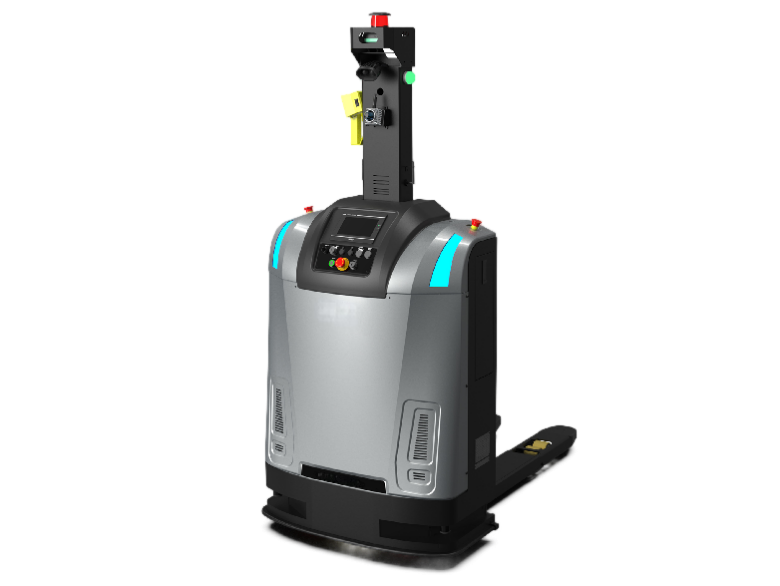
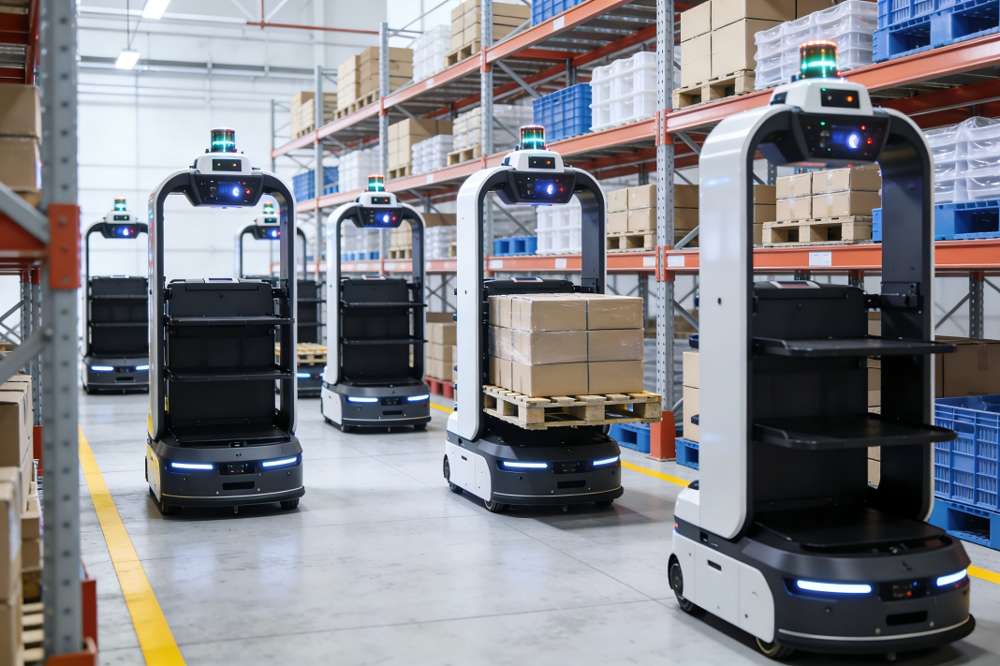
This intelligent handling forklift is a next-generation autonomous material handling solution d...
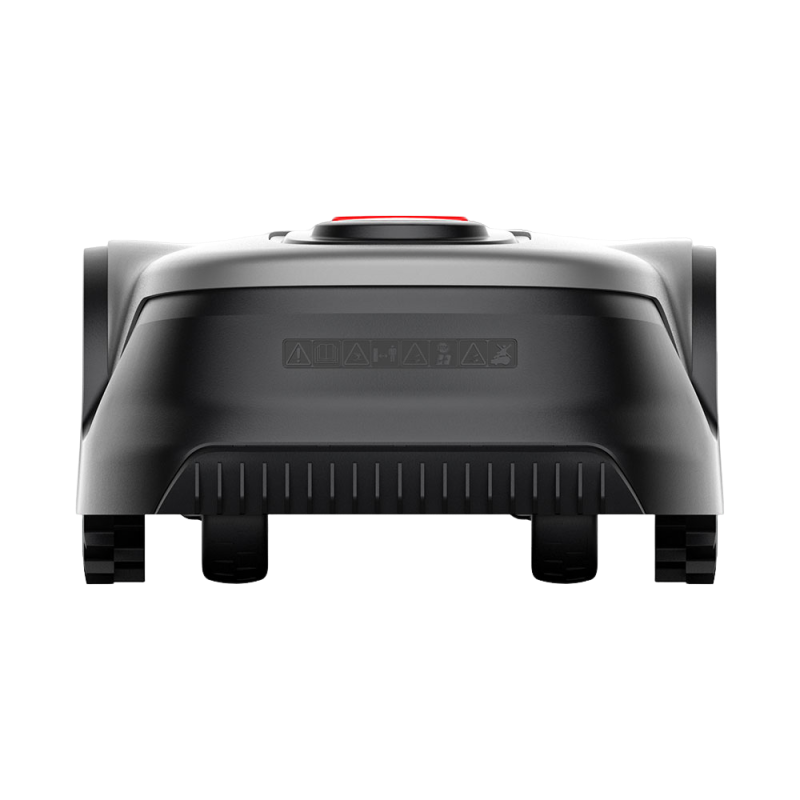
This intelligent robotic lawn mower is designed for efficient, autonomous lawn maintenance. It ...
This robot adheres to the core design philosophy of Growth Companion & Enlightenment, speci...
Located at Yineng Science and Technology Park, No. 69 Weixin Road, Suzhou City, Jiangsu Province, it is a comprehensive high-tech enterprise integrating R&D, production and foreign trade export of intelligent robots. Deeply engaged in the field of intelligent robots, it focuses on providing efficient, intelligent and reliable robot products and one-stop solutions for global customers. Its products are exported to many core markets such as Europe, America, Southeast Asia and the Middle East. With excellent product quality and perfect full-process services, it has won wide recognition and long-term trust from global partners.
LEARN MOREWe deliver end-to-end support for every warehouse cleaning machine deployment — from pre-sales consultation to long-term operational excellence.

Our production base is equipped with high-precision CNC machining centers, AI algorithm debugging workstations, and environmental simulation test chambers, dedicated to the manufacturing of smart robots (including cleaning, mowing, and delivery models). The automated assembly lines ensure consistent product quality, while the R&D testing equipment verifies navigation accuracy, battery life, and environmental adaptability for each robot model.

Our facility has obtained ISO 9001 quality management system certification, CE, and FCC certifications for global market compliance. We also hold intellectual property patents for core technologies of smart robots, and our production processes strictly adhere to IEC standards, ensuring that every robot meets international safety and performance requirements.

We provide a full-cycle service system for smart robots, including pre-sales customization, on-site installation, and after-sales technical support. Our team offers remote debugging, firmware upgrades, and 24/7 emergency response to ensure stable operation. For bulk orders, we also provide tailored training programs for your technical and operational teams.
AGV: Unmanned and automated material transfer, covering multiple fields such as industrial production, warehousing logistics, and commercial services
Browse our complete range of autonomous cleaning and intelligent logistics robots — engineered for the demands of modern e-commerce fulfillment infrastructure.
Stay updated with the latest developments in warehouse cleaning automation, smart robot technology, and e-commerce fulfillment innovations.
As labor costs rise and efficiency demands increase, commercial cleaning robots are shifting from optional tools to essential infrastructure for modern fulfillment operations...
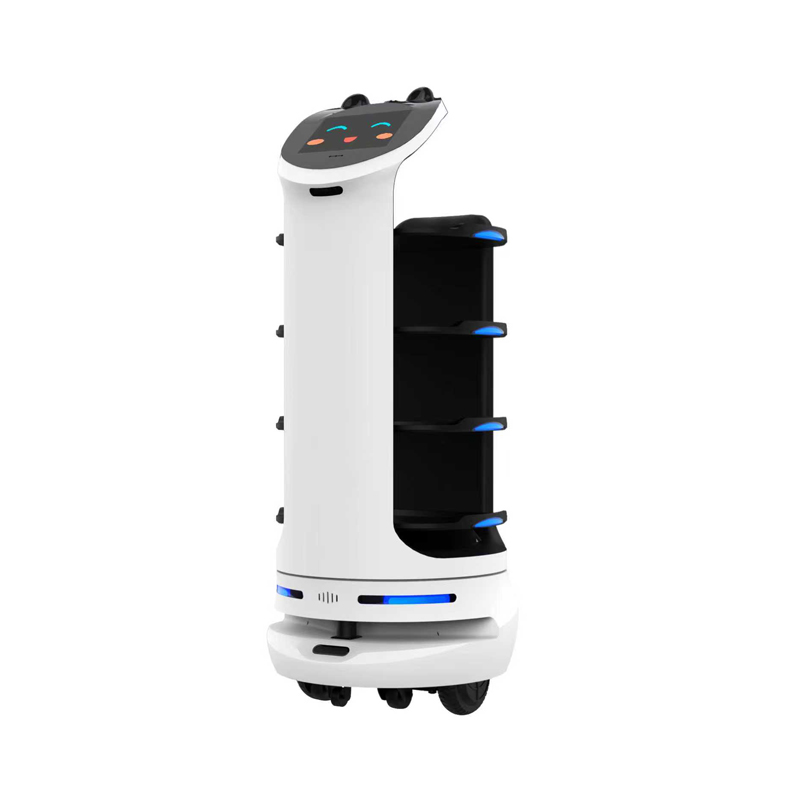
As the global hospitality industry continues its digital transformation, guest service delivery robots are redefining the standard of automated service excellence...

The body of a robotic vacuum cleaner is a wireless device, mainly disc-shaped. It operates on a rechargeable battery and uses sensors to navigate autonomously...
For inquiries about our warehouse cleaning machines or pricelist, please leave us a message and we will be in touch within 24 hours.