
- Home
- About Us
- Products
- Application
- FAQ
- News
- Contact Us
inquiry
Leave Your Message
Explore our top-rated autonomous cleaning robots purpose-built for industrial and hazardous material transportation environments.
The global hazardous material (HazMat) transportation and warehousing sector is one of the most tightly regulated industries in the world. From chemical compounds and flammable liquids to radioactive substances and biological agents, the storage and transit of dangerous goods demand an uncompromising standard of environmental hygiene, containment, and operational safety. In this context, warehouse cleaning machines designed specifically for hazardous material environments have become not merely a convenience — they are a regulatory necessity and a strategic operational asset.
🏭 Key Insight: According to industry reports, over 60% of contamination incidents in HazMat warehouses are linked to inadequate cleaning protocols and human error during manual cleaning operations. Autonomous cleaning machines eliminate this risk factor entirely.
Traditional manual cleaning in hazardous warehouses exposes workers to toxic fumes, chemical residues, and airborne particulates — creating significant occupational health liabilities. Regulatory frameworks such as OSHA's HazMat standards, the EU's REACH regulation, and ADR (European Agreement on International Carriage of Dangerous Goods) impose strict cleanliness and contamination-prevention requirements on warehouses handling dangerous cargo. Failure to comply can result in substantial fines, operational shutdowns, and reputational damage.
Modern AI-powered warehouse cleaning machines address these challenges head-on. Equipped with advanced sensor arrays, multi-layer filtration systems (including HEPA filters rated for fine particulate capture), and explosion-proof certified hardware, these robots can autonomously navigate complex warehouse layouts, clean contaminated floor areas, and generate compliance-ready cleaning logs — all without placing human workers at risk.
The global industrial cleaning robot market was valued at approximately USD 5.8 billion in 2023 and is projected to exceed USD 14 billion by 2030, driven significantly by the expansion of chemical manufacturing, pharmaceutical logistics, oil & gas storage, and e-commerce fulfillment centers handling hazardous consumer goods. The HazMat segment specifically is growing at a CAGR of over 11%, fueled by stricter environmental regulations and the accelerating push toward unmanned warehouse operations.
Major industrial economies — including the United States, Germany, Japan, South Korea, and China — are investing heavily in autonomous cleaning infrastructure for ports, chemical plants, LNG terminals, and pharmaceutical cold-chain warehouses. China, in particular, has emerged as both a leading manufacturer and a rapidly growing domestic consumer of industrial cleaning robots, with companies like MHD Robot at the forefront of delivering export-grade solutions to global markets.
Engineered for the most demanding industrial environments, our cleaning machines deliver unmatched safety and performance.
ATEX/IECEx certified hardware ensures safe operation in environments with flammable vapors, gases, and dust — a mandatory requirement for chemical and fuel storage warehouses.
Multi-sensor SLAM technology with LiDAR, ultrasonic, and vision fusion enables precise autonomous navigation around pallets, racking systems, and hazardous material containers.
Industrial-grade HEPA filtration captures fine particulates, chemical dust, and biological contaminants, preventing cross-contamination and ensuring air quality compliance.
Automatic generation of timestamped cleaning records, zone coverage maps, and filtration status reports — fully compatible with ISO and regulatory audit requirements.
High-capacity lithium battery systems provide 8–12 hours of continuous operation with automatic return-to-dock charging, ensuring uninterrupted 24/7 warehouse coverage.
Cloud-based fleet management platform enables centralized monitoring, task scheduling, and real-time alerts across multiple robots and warehouse zones simultaneously.
The next generation of industrial cleaning machines is being shaped by AI, IoT, and regulatory evolution.
Machine learning algorithms analyze traffic patterns, spill frequency data, and sensor readings to predict contamination hotspots and proactively dispatch cleaning robots before hazards escalate — shifting from reactive to predictive maintenance models.
Warehouse digital twins allow cleaning robots to operate within a virtual replica of the physical environment, enabling pre-mission simulation, route optimization, and real-time synchronization with warehouse management systems (WMS).
As environmental regulations tighten globally, all-electric cleaning machines with zero direct emissions are becoming the standard for enclosed HazMat warehouses, replacing diesel-powered equipment and improving indoor air quality compliance.
Advanced proximity detection and collaborative safety protocols allow cleaning robots to operate safely alongside human workers and forklifts in shared warehouse spaces, with dynamic path re-planning to avoid collisions in real time.
5G connectivity enables ultra-low-latency remote monitoring and control of cleaning robots in hazardous zones, allowing safety managers to oversee operations from secure control rooms without physical exposure to dangerous environments.
Next-generation cleaning robots are being integrated with gas detection sensors and chemical analyzers that can identify hazardous substance leaks during cleaning cycles and trigger automated emergency response protocols.
The company is deeply engaged in the robot field, with product lines covering multiple application scenarios including commercial, industrial and household use.
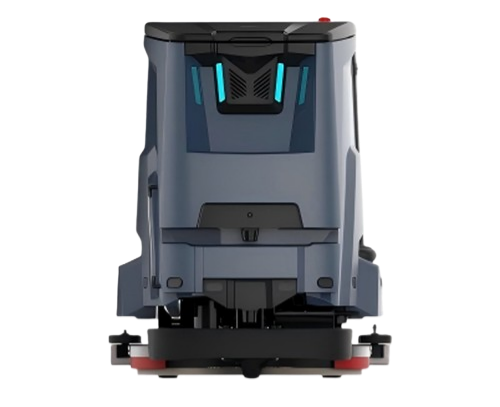
Intelligent robot suitable for indoor scenarios with large-area hard floors including chemical warehouses and HazMat storage zones.
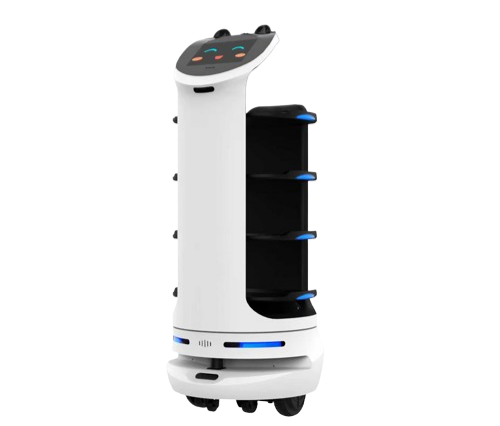
Drive wheels with independent suspension structure greatly enhance stability during movement across varied floor surfaces.

Designed with a Growth Companion & Enlightenment philosophy, specially developed for children aged 3 to 8.
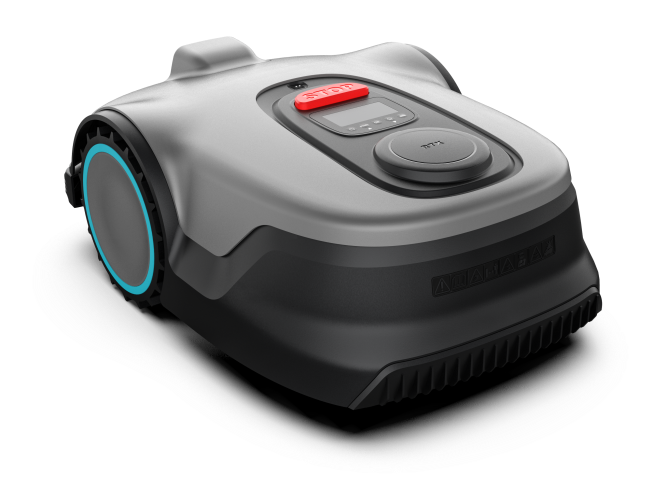
Intelligent robotic lawn mower designed for efficient, autonomous lawn maintenance with smart boundary detection.
Our most trusted autonomous cleaning and industrial robot solutions chosen by customers worldwide.
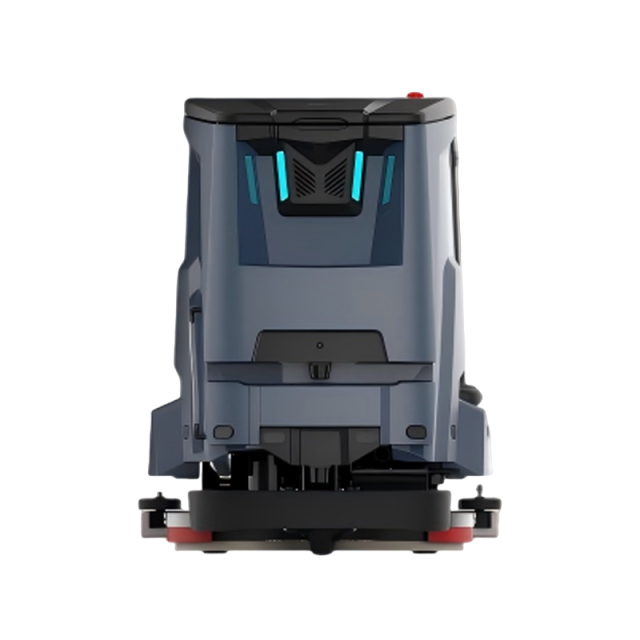
Intelligent robot suitable for indoor scenarios with large-area hard floors including hazardous material warehouses.
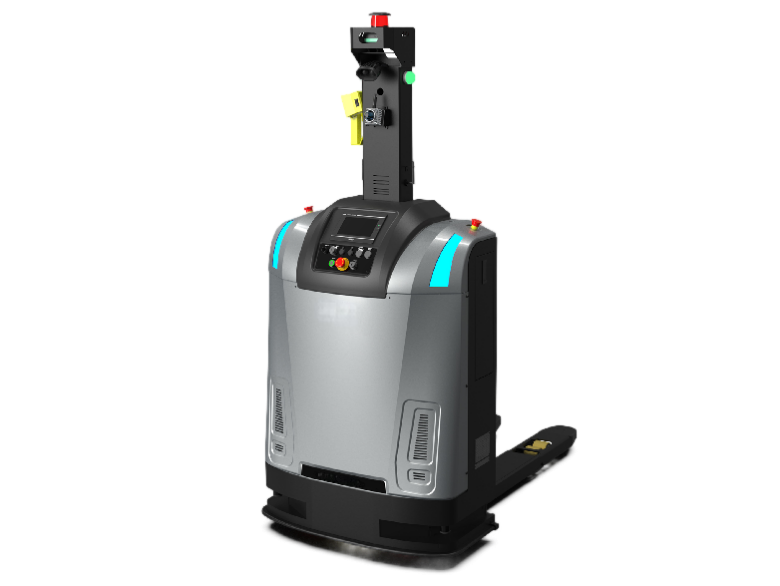
Next-generation autonomous material handling solution designed for high-load industrial logistics environments.
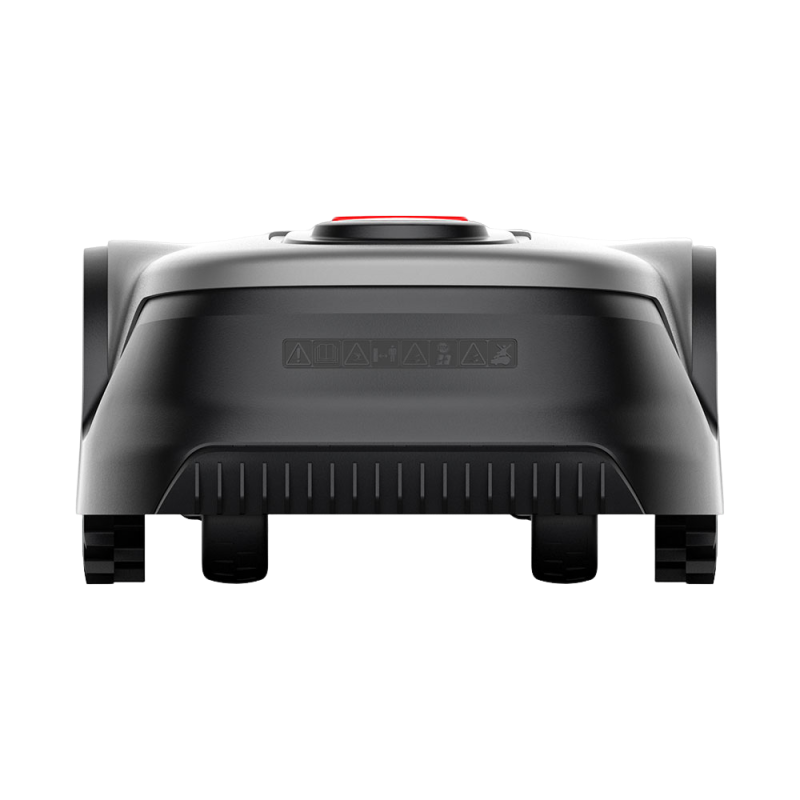
Efficient autonomous lawn maintenance robot with smart navigation and boundary detection technology.
Growth Companion & Enlightenment design philosophy, specially developed for children aged 3 to 8.
From chemical logistics hubs to pharmaceutical cold-chain facilities, intelligent cleaning machines are transforming HazMat warehouse operations globally.
Chemical warehouses storing acids, solvents, oxidizers, and flammable liquids present the most extreme cleaning challenges. Spills and residue accumulation on warehouse floors can create fire hazards, toxic exposure risks, and regulatory violations. Autonomous cleaning machines with explosion-proof certification (ATEX Zone 1/2), chemical-resistant brush materials, and sealed liquid recovery tanks are specifically engineered for these environments. They operate during off-hours to minimize human exposure and integrate directly with warehouse safety management systems to log every cleaning cycle for compliance audits.
Pharmaceutical warehouses handling controlled substances, biological samples, and sterile medical equipment require cleanroom-grade hygiene standards. Autonomous cleaning robots equipped with UV-C disinfection modules and HEPA filtration systems can maintain ISO Class 7 and Class 8 cleanroom standards without human intervention. This is particularly critical for cold-chain facilities where temperature-sensitive products cannot be exposed to contamination from cleaning chemicals or airborne particles during manual cleaning operations.
Container terminals handling mixed cargo including hazardous goods require continuous floor cleaning across massive outdoor and semi-enclosed areas. Large-format autonomous cleaning vehicles can cover tens of thousands of square meters per shift, removing chemical residues, dust, and debris from container handling zones. Integration with terminal operating systems (TOS) allows cleaning routes to be dynamically adjusted based on real-time cargo movement schedules, ensuring cleaning never interferes with critical logistics operations.
Liquefied natural gas terminals and petroleum storage depots represent some of the highest-risk environments for cleaning operations. In these facilities, even a small spark from conventional cleaning equipment can trigger catastrophic incidents. Intrinsically safe autonomous cleaning machines with zero-spark electric motors, grounded anti-static systems, and gas detection integration are now being deployed at major LNG terminals globally, replacing manual cleaning crews in high-risk zones and dramatically reducing operational risk.
💡 ROI Perspective: Industrial facilities deploying autonomous warehouse cleaning machines report an average 40–60% reduction in cleaning labor costs, 35% improvement in regulatory compliance scores, and a documented reduction in cleaning-related safety incidents of over 70% within the first 12 months of deployment.
AGV: Unmanned and automated material transfer, covering multiple fields such as industrial production, warehousing logistics, and commercial services.
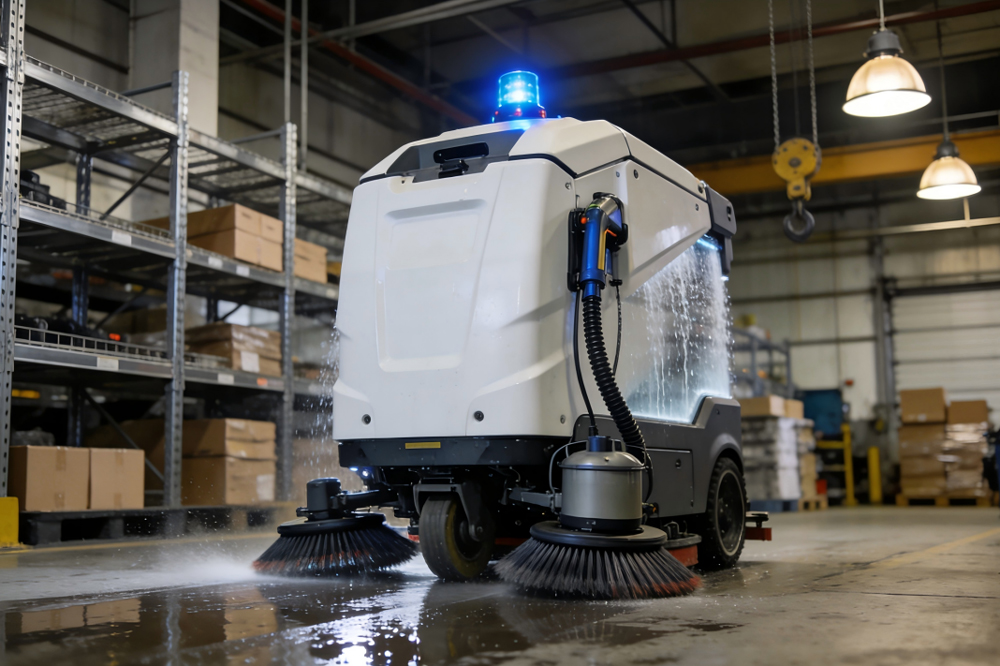
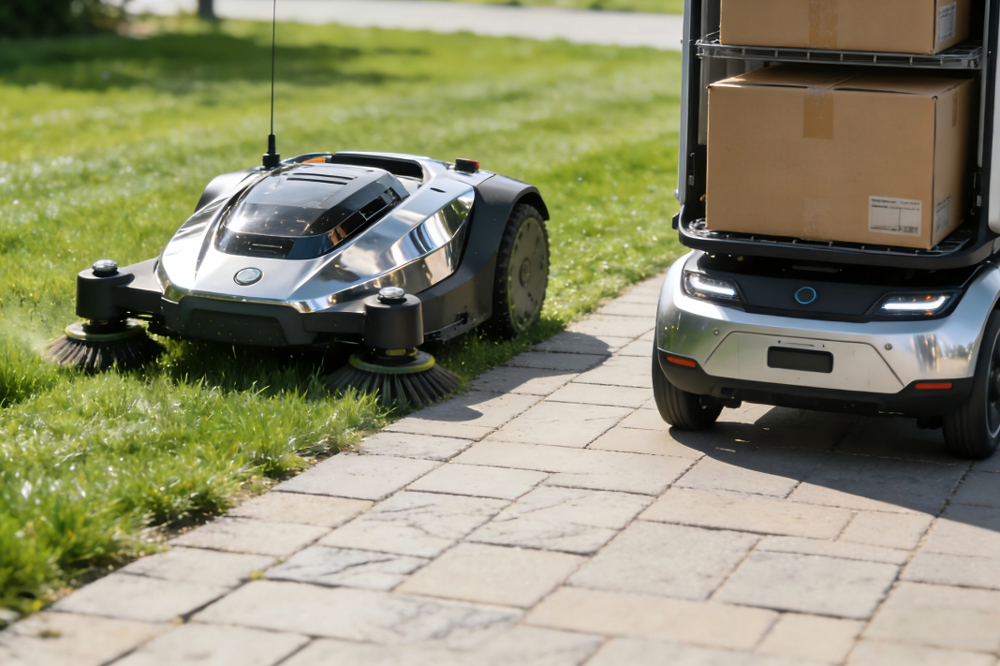
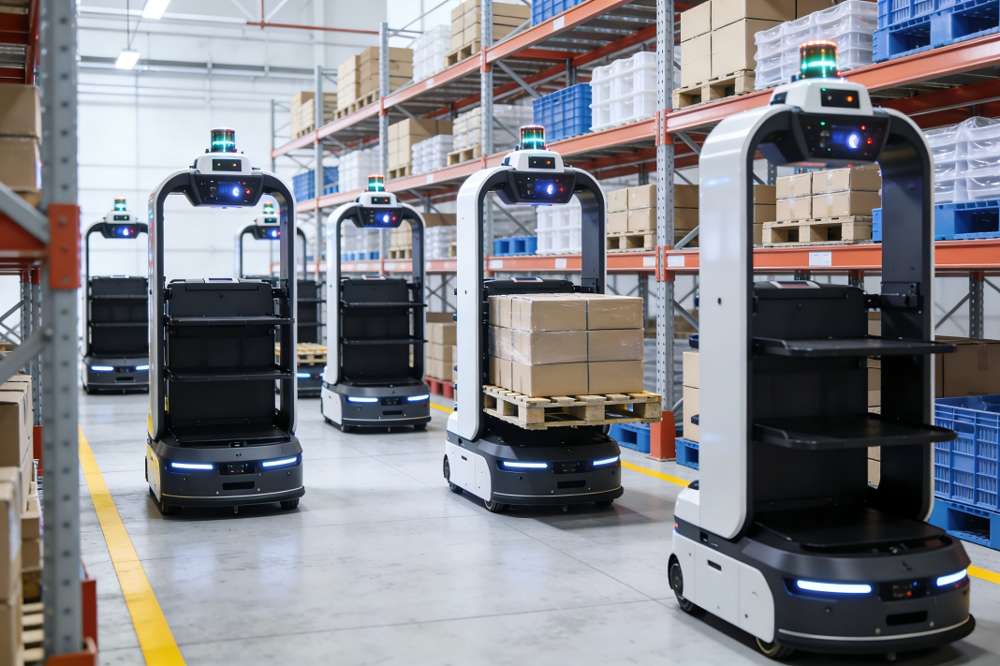
Located at Yineng Science and Technology Park, No. 69 Weixin Road, Suzhou City, Jiangsu Province, we are a comprehensive high-tech enterprise integrating R&D, production and foreign trade export of intelligent robots. Deeply engaged in the field of intelligent robots, we focus on providing efficient, intelligent and reliable robot products and one-stop solutions for global customers.
Our products are exported to many core markets such as Europe, America, Southeast Asia and the Middle East. With excellent product quality and perfect full-process services, we have won wide recognition and long-term trust from global partners.
LEARN MOREFull-cycle support from pre-sales customization to after-sales technical maintenance for all industrial cleaning robot deployments.

Our production base is equipped with high-precision CNC machining centers, AI algorithm debugging workstations, and environmental simulation test chambers. Automated assembly lines ensure consistent product quality, while R&D testing equipment verifies navigation accuracy, battery life, and environmental adaptability for each robot model.

Our facility holds ISO 9001 quality management system certification, CE, and FCC certifications for global market compliance. We also hold intellectual property patents for core smart robot technologies, with production processes strictly adhering to IEC standards ensuring every robot meets international safety and performance requirements.

We provide a full-cycle service system including pre-sales customization, on-site installation, and after-sales technical support. Our team offers remote debugging, firmware upgrades, and 24/7 emergency response to ensure stable operation. For bulk orders, tailored training programs are available for your technical and operational teams.
Discover our complete range of autonomous cleaning and industrial robot solutions for hazardous environments.
 Large Urban Intelligent Cleaning Vehicle
 Autonomous Commercial Cleaning Robot – Hazardous Indoor Floor Cleaning
 AI-Powered Street Sweeping Robot – Smart Industrial Cleaning
AI-Powered Electric Street Sweeper – Hazardous Warehouse
Autonomous Commercial Cleaning Robot – High-Performance HazMat Floor Solution
Intelligent Urban Cleaning Vehicle – Autonomous Electric Sweeper
AI-Powered Intelligent Street Sweeper – Urban Cleaning Solutions
Factory Direct Intelligent Floor Cleaning Solution – HazMat Warehouse
As labor costs rise and efficiency demands increase, commercial cleaning robots are shifting from reactive to proactive autonomous solutions.
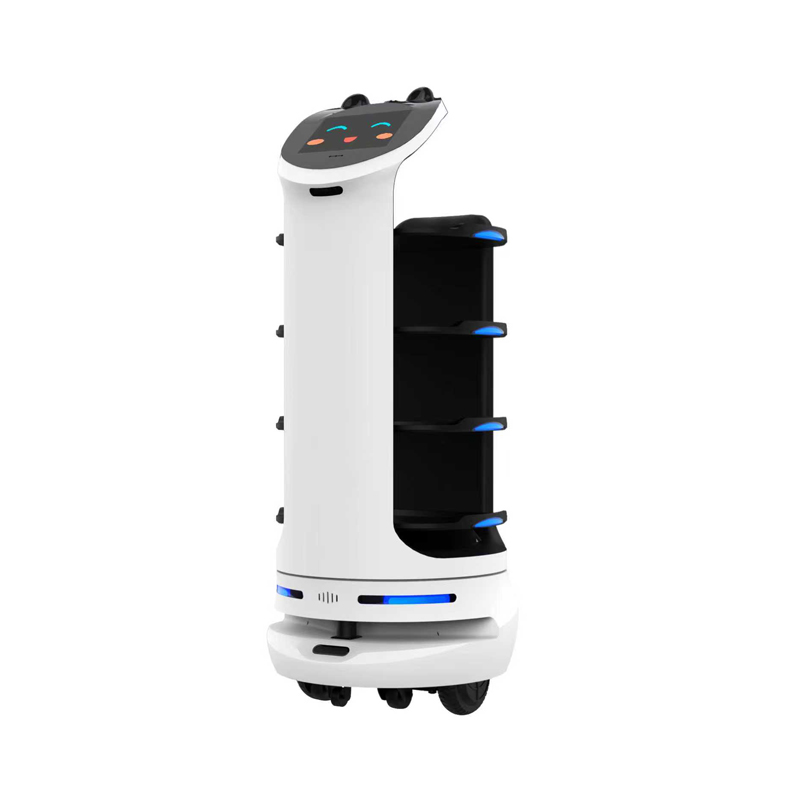
As the global hospitality industry continues its digital transformation, guest service delivery robots are redefining operational standards.

The body of a robotic vacuum cleaner is a wireless device, mainly disc-shaped, operating on a rechargeable battery with smart navigation systems.
For inquiries about our warehouse cleaning machines or pricelist, please leave your details and we will be in touch within 24 hours.