- Home
- About Us
- Products
- Application
- FAQ
- News
- Contact Us
inquiry
Leave Your Message
Explore our latest AI-powered warehouse cleaning solutions engineered for sustainable, zero-waste industrial environments.
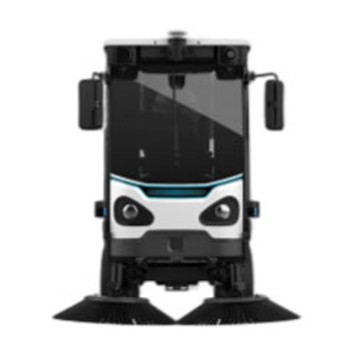
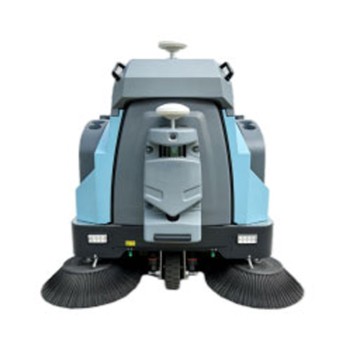
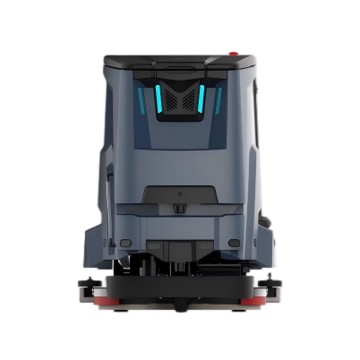
As global industries accelerate toward carbon neutrality and circular economy models, warehouse cleaning machines have emerged as a pivotal technology in sustainable waste management systems. Traditional manual cleaning methods generate excessive water consumption, chemical waste, and labor inefficiency — challenges that modern AI-powered warehouse cleaning robots are uniquely positioned to solve.
Today's warehouse cleaning machines integrate advanced SLAM navigation, multi-sensor fusion, and IoT connectivity to deliver precision cleaning with minimal environmental footprint. These systems automatically segregate dust, debris, and recyclable materials, feeding directly into a facility's waste management pipeline and reducing landfill contributions by up to 60%.
The global industrial cleaning robot market is projected to surpass USD 12 billion by 2030, driven by stricter environmental regulations, ESG compliance requirements, and the rapid adoption of smart factory infrastructure across Europe, North America, and Asia-Pacific.
From regulatory pressure to AI breakthroughs, discover what's reshaping the warehouse cleaning and waste management landscape.
Next-generation warehouse cleaning machines leverage deep learning algorithms to recognize waste types in real time, optimize cleaning paths dynamically, and predict maintenance needs before failures occur — reducing downtime by up to 40% and maximizing sustainable waste sorting accuracy.
The shift from diesel-powered industrial sweepers to fully electric warehouse cleaning machines is accelerating. Modern lithium battery platforms offer 8–12 hour runtime, fast charging, and zero direct emissions, aligning with ISO 14001 environmental management standards and corporate net-zero pledges.
Warehouse cleaning robots now integrate seamlessly with facility management platforms via IoT, transmitting real-time data on waste volume, cleaning coverage, and energy consumption. This enables facility managers to make data-driven decisions that continuously improve their sustainable waste management KPIs.
Fortune 500 companies and SMEs alike are deploying autonomous warehouse cleaning machines to meet ESG reporting requirements and earn LEED, BREEAM, or ISO 50001 certifications. Automated cleaning data logs provide auditable evidence of sustainable operations for stakeholders and regulators.
Warehouse cleaning machines are becoming integral nodes within Industry 4.0 ecosystems, communicating with AGVs, WMS platforms, and ERP systems. This convergence enables synchronized cleaning schedules that minimize operational disruption while maximizing waste capture efficiency.
Governments across the EU, US, and Asia-Pacific are tightening industrial hygiene and waste disposal regulations. Autonomous warehouse cleaning machines help facilities maintain compliance with OSHA, EPA, and EU Directive standards, avoiding costly penalties while building a culture of environmental responsibility.
From cold-chain logistics to pharmaceutical manufacturing, autonomous cleaning machines are redefining waste management across every critical industry.
High-throughput distribution centers generate enormous volumes of cardboard, plastic wrap, and packaging debris daily. AI warehouse cleaning machines autonomously patrol aisles, collect recyclable waste at designated stations, and integrate with conveyor-based waste sorting systems — reducing manual labor costs by 35% and ensuring continuous clean-floor safety compliance.
Metal shavings, oil residues, and chemical dust are hazardous waste streams in manufacturing environments. Specialized warehouse cleaning machines with industrial-grade filtration (HEPA H14) and chemical-resistant components safely collect and contain these materials, feeding into compliant waste disposal workflows and dramatically reducing workplace injury risk.
Food-grade warehouse cleaning machines operating in cold storage environments (−20°C to +5°C) must meet FDA and EU food safety standards. Autonomous systems with stainless-steel construction and UV sterilization modules eliminate organic waste and pathogens without chemical contamination, supporting zero-waste food production targets.
In ISO Class 5–8 cleanrooms, even microscopic particulate waste can compromise product integrity. Ultra-precision warehouse cleaning machines with ULPA filtration and ESD-safe components maintain GMP compliance, automatically logging cleaning cycles for regulatory audit trails while contributing to pharmaceutical manufacturers' sustainability reporting.
Large-scale logistics terminals require 24/7 cleaning operations across millions of square feet. Autonomous warehouse cleaning machines operating in multi-shift schedules without human intervention reduce energy consumption per square meter by 48%, while advanced waste segregation capabilities support airports' ambitious zero-waste-to-landfill sustainability programs.
Cement dust, silica particles, and construction debris present both health hazards and environmental compliance challenges. Robust warehouse cleaning machines with high-capacity waste hoppers and dust suppression systems tackle these demanding environments, enabling construction companies to meet COSHH regulations and achieve BREEAM Excellent ratings for their facilities.
Deploying autonomous warehouse cleaning machines delivers measurable ROI within 12–18 months for most industrial facilities. Beyond direct labor cost savings, the financial benefits extend across multiple dimensions of operations and risk management.
Facilities report average cleaning cost reductions of 40–55% after deploying autonomous systems. When combined with reduced workplace accident liability, lower insurance premiums, and avoided environmental penalty costs, the total financial impact is substantial.
Furthermore, the data intelligence generated by connected warehouse cleaning machines — including waste volume analytics, contamination mapping, and cleaning efficiency metrics — enables continuous process improvement and supports corporate sustainability reporting with verifiable, real-time data streams.
Modern enterprises face increasing pressure from investors, customers, and regulators to demonstrate tangible environmental progress. Warehouse cleaning machines provide a direct, measurable pathway to improved sustainability metrics:
Carbon Footprint Reduction: Electric warehouse cleaning machines eliminate fossil fuel consumption, reducing Scope 1 emissions from facility operations. When charged via renewable energy, they contribute to Scope 2 emission reductions as well.
Water Conservation: Advanced scrubbing systems with water recycling technology reduce freshwater consumption by 60–70% compared to traditional wet-cleaning methods, supporting UN SDG 6 water stewardship goals.
Waste Diversion Rates: AI-powered waste segregation capabilities increase recyclable material recovery rates by up to 85%, directly improving a facility's waste diversion score and reducing landfill fees.
The company is deeply engaged in the robot field, with product lines covering multiple application scenarios including commercial, industrial and household use:
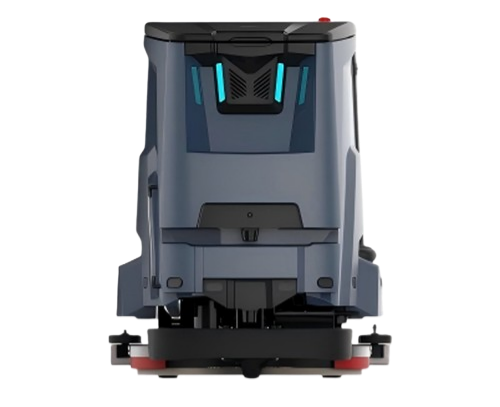
Cleaning Robot is an intelligent robot suitable for indoor scenarios with large-area hard floors. Designed specifically for warehouse and industrial environments, it autonomously navigates complex layouts, collects waste debris, and integrates with facility waste management systems for continuous sustainable operation.
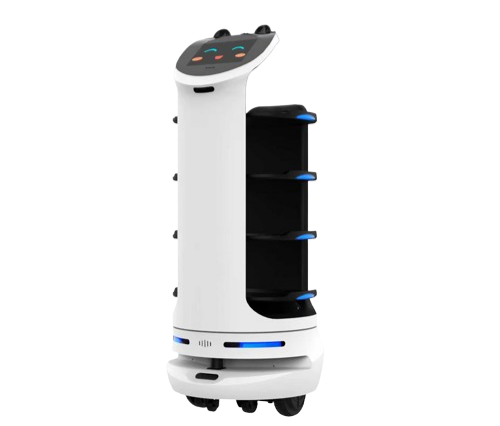
The drive wheels are equipped with an independent suspension structure, which greatly enhances the robot's stability during movement. Ideal for commercial spaces requiring adaptive cleaning and service delivery across varied floor surfaces and operational environments.

This robot adheres to the core design philosophy of Growth Companion & Enlightenment, specially developed for children aged 3 to 8. Combining AI interaction, educational content delivery, and gentle companionship to support healthy child development.
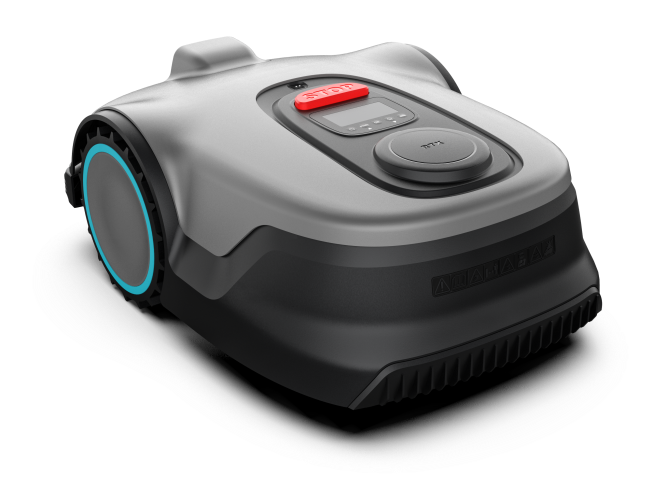
This intelligent robotic lawn mower is designed for efficient, autonomous lawn maintenance. Equipped with precision cutting systems and smart boundary detection, it delivers consistently well-maintained outdoor spaces with minimal energy consumption and zero emissions.
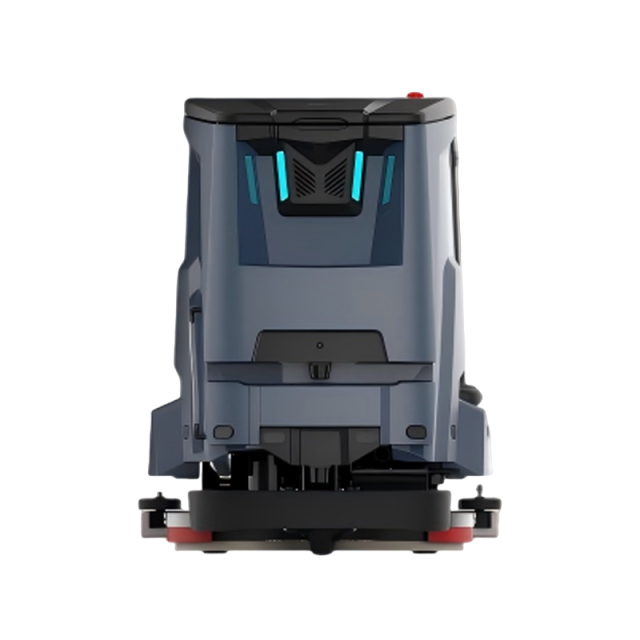
Cleaning Robot is an intelligent robot suitable for indoor scenarios with large-area hard floor...
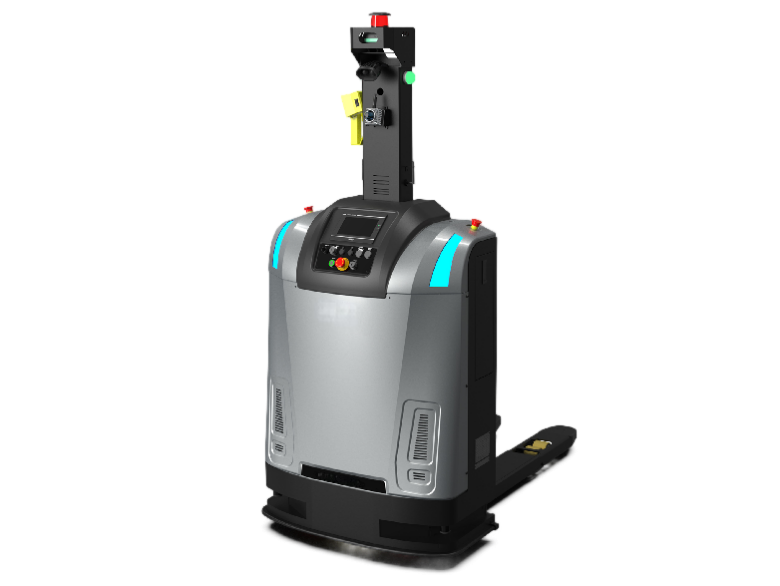
This intelligent handling forklift is a next-generation autonomous material handling solution d...
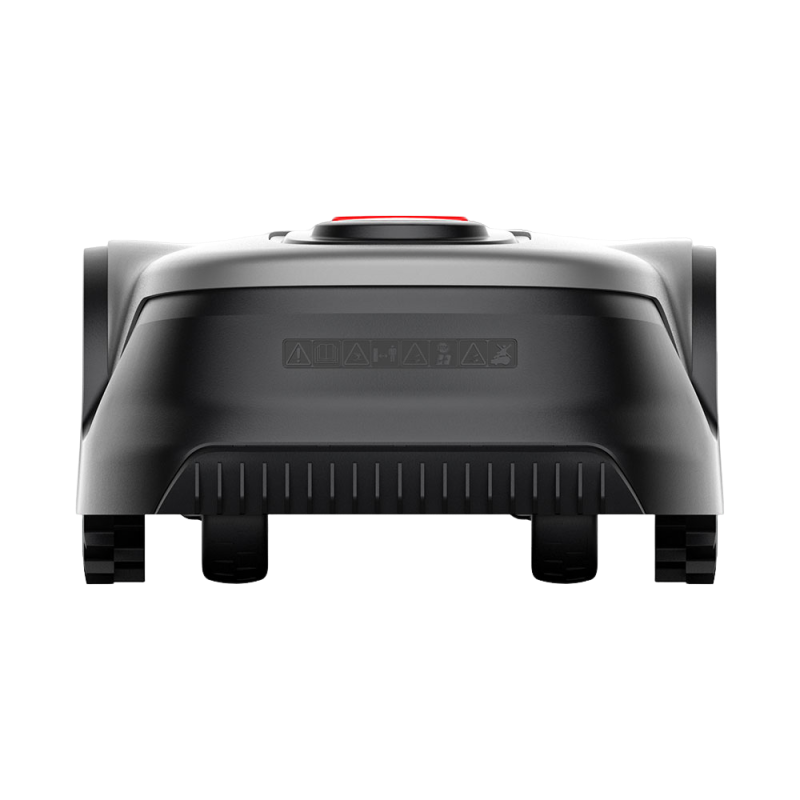
This intelligent robotic lawn mower is designed for efficient, autonomous lawn maintenance. It ...
This robot adheres to the core design philosophy of Growth Companion & Enlightenment, speci...
Located at Yineng Science and Technology Park, No. 69 Weixin Road, Suzhou City, Jiangsu Province, it is a comprehensive high-tech enterprise integrating R&D, production and foreign trade export of intelligent robots. Deeply engaged in the field of intelligent robots, it focuses on providing efficient, intelligent and reliable robot products and one-stop solutions for global customers. Its products are exported to many core markets such as Europe, America, Southeast Asia and the Middle East. With excellent product quality and perfect full-process services, it has won wide recognition and long-term trust from global partners.
LEARN MORE
Our production base is equipped with high-precision CNC machining centers, AI algorithm debugging workstations, and environmental simulation test chambers, dedicated to the manufacturing of smart robots (including cleaning, mowing, and delivery models). The automated assembly lines ensure consistent product quality, while the R&D testing equipment verifies navigation accuracy, battery life, and environmental adaptability for each robot model.

Our facility has obtained ISO 9001 quality management system certification, CE, and FCC certifications for global market compliance. We also hold intellectual property patents for core technologies of smart robots, and our production processes strictly adhere to IEC standards, ensuring that every robot meets international safety and performance requirements.

We provide a full-cycle service system for smart robots, including pre-sales customization, on-site installation, and after-sales technical support. Our team offers remote debugging, firmware upgrades, and 24/7 emergency response to ensure stable operation. For bulk orders, we also provide tailored training programs for your technical and operational teams.
AGV: Unmanned and automated material transfer, covering multiple fields such as industrial production, warehousing logistics, and commercial services
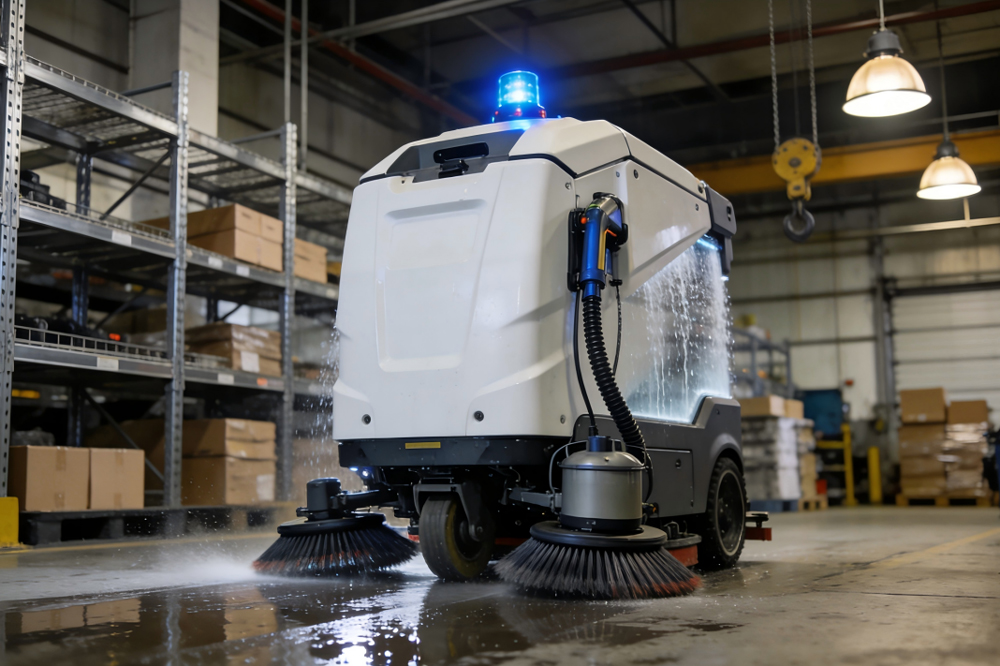
In the field of industrial manufacturing, intelligent robots are the core equipment for production automation. AGVs and collaborative robots boost the efficient operation of production and logistics. Large intelligent cleaning robots can independently finish cleaning work across the whole factory including workshops and warehouse areas, featuring unmanned operation and high adaptability to industrial scenarios. They cut costs, enhance efficiency, ensure the production environment, and fully drive the intelligent upgrading of factories.
Learn More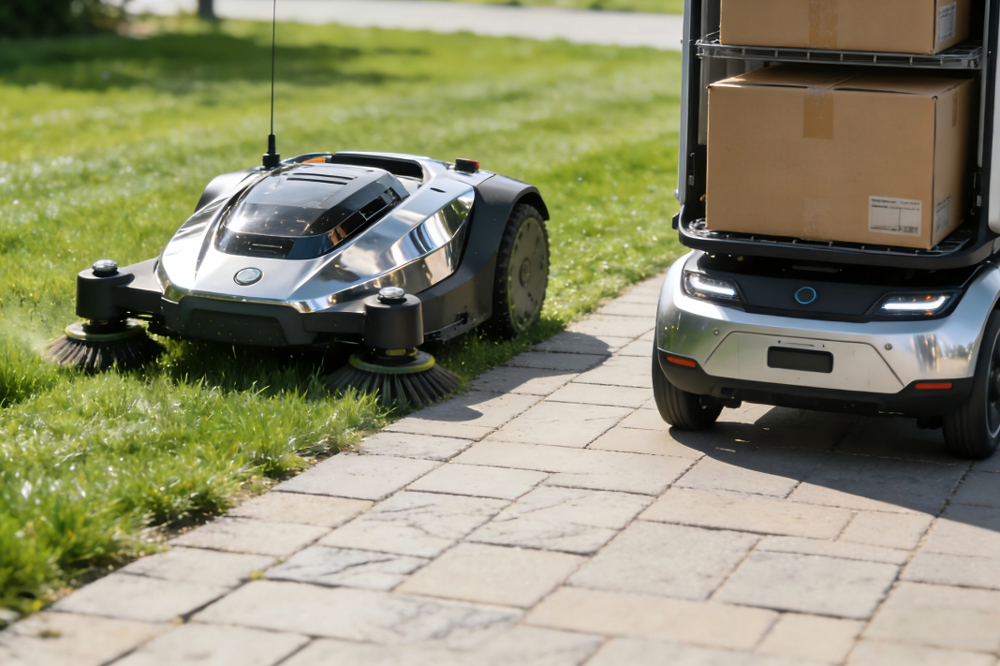
In commercial and service environments — including shopping malls, hotels, airports, and hospitals — autonomous cleaning robots maintain hygienic, waste-free environments around the clock. AI-powered navigation enables them to operate safely alongside pedestrians, adapting to dynamic layouts and peak-hour traffic while supporting sustainability commitments through efficient waste collection and reduced chemical usage.
Learn More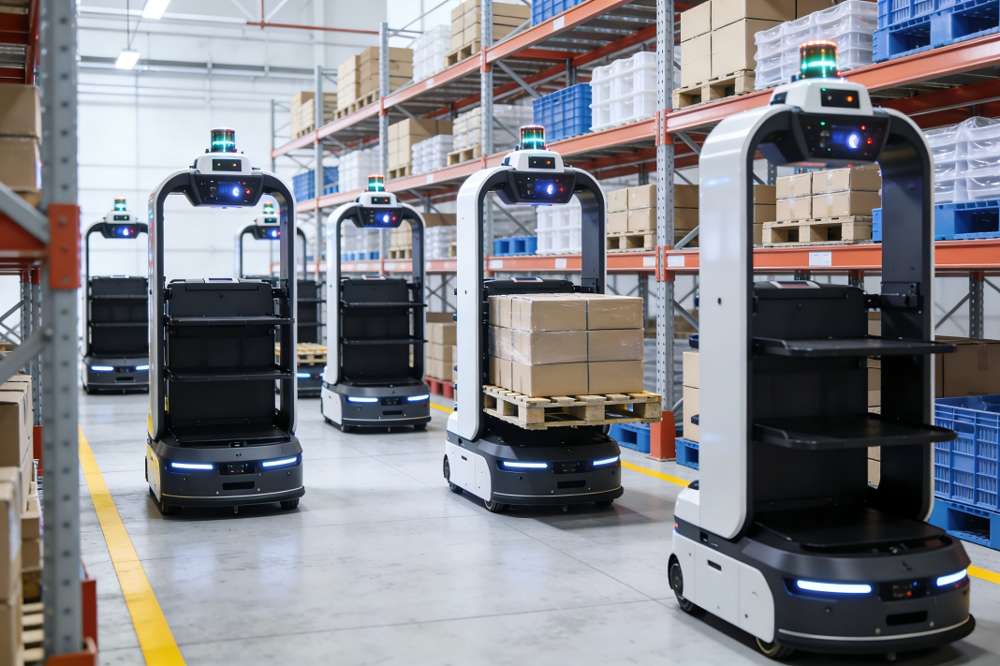
Modern logistics and warehousing facilities demand continuous, high-efficiency cleaning to maintain safety standards and operational throughput. Warehouse cleaning machines with autonomous scheduling capabilities operate during off-peak hours, integrating with WMS platforms to ensure aisles, loading docks, and storage zones remain clean and compliant — directly contributing to zero-waste warehousing goals and reducing environmental audit risks.
Learn MoreFor inquiries about our products or pricelist please leave to us and we will be in touch within 24 hours.
As labor costs rise and efficiency demands increase, commercial cleaning robots are shifting from optional tools to essential infrastructure in sustainable warehouse management...
April 28, 2026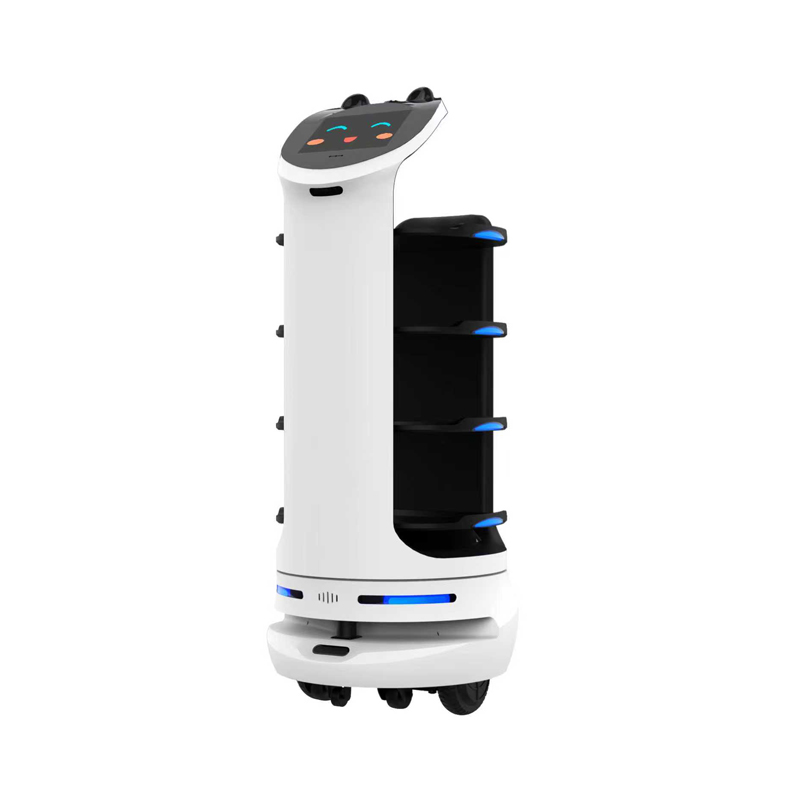
As the global hospitality industry continues its digital transformation, guest service delivery robots are becoming key to operational efficiency and guest satisfaction...
April 27, 2026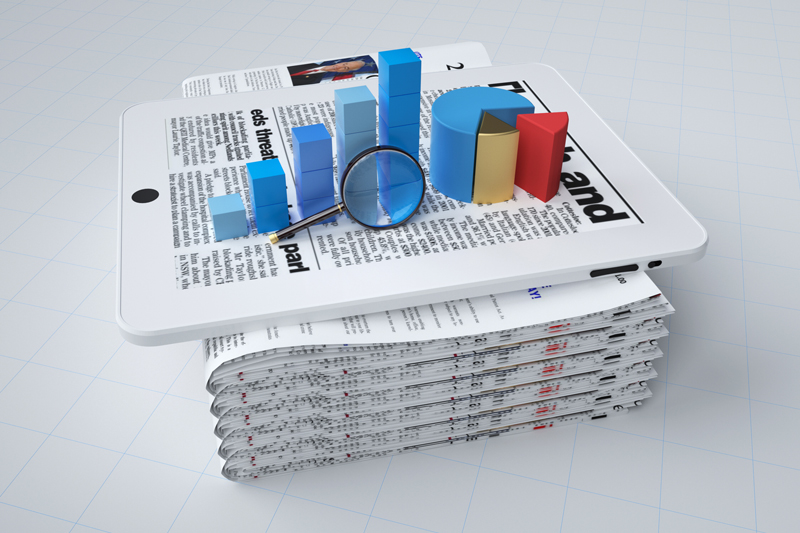
The body of a robotic vacuum cleaner is a wireless device, mainly disc-shaped. It operates on a rechargeable battery and uses sensors to navigate and clean autonomously...
February 2026Explore our complete range of AI-powered cleaning and waste management solutions for every industrial and commercial scenario.